The Bulgarian Orthodox Church will honour St John of Rila with a series of events in Sofia and at Rila Monastery from 17 to 19 October, marking 1,150 years since his birth and 1,080 years since his repose.
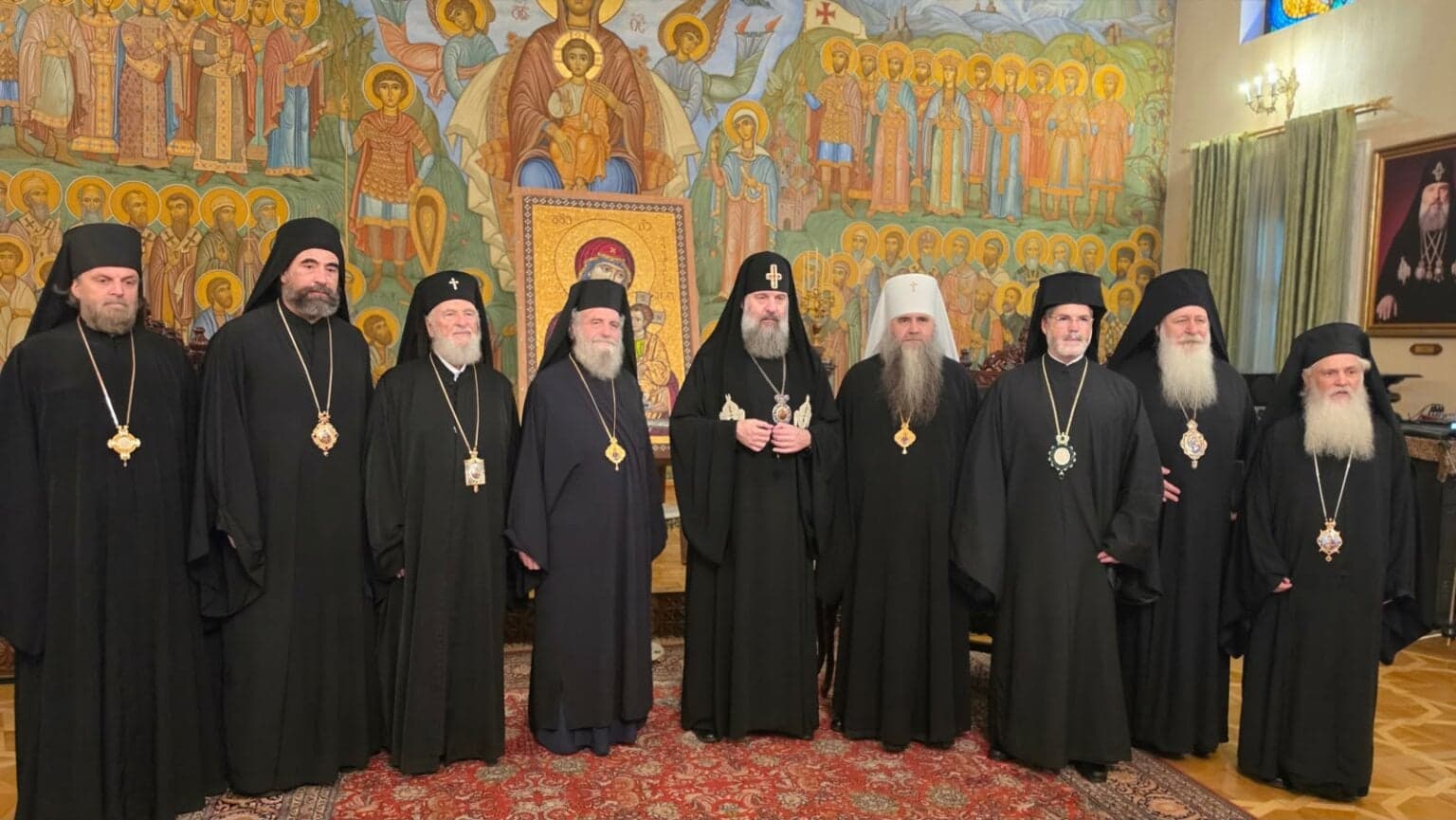
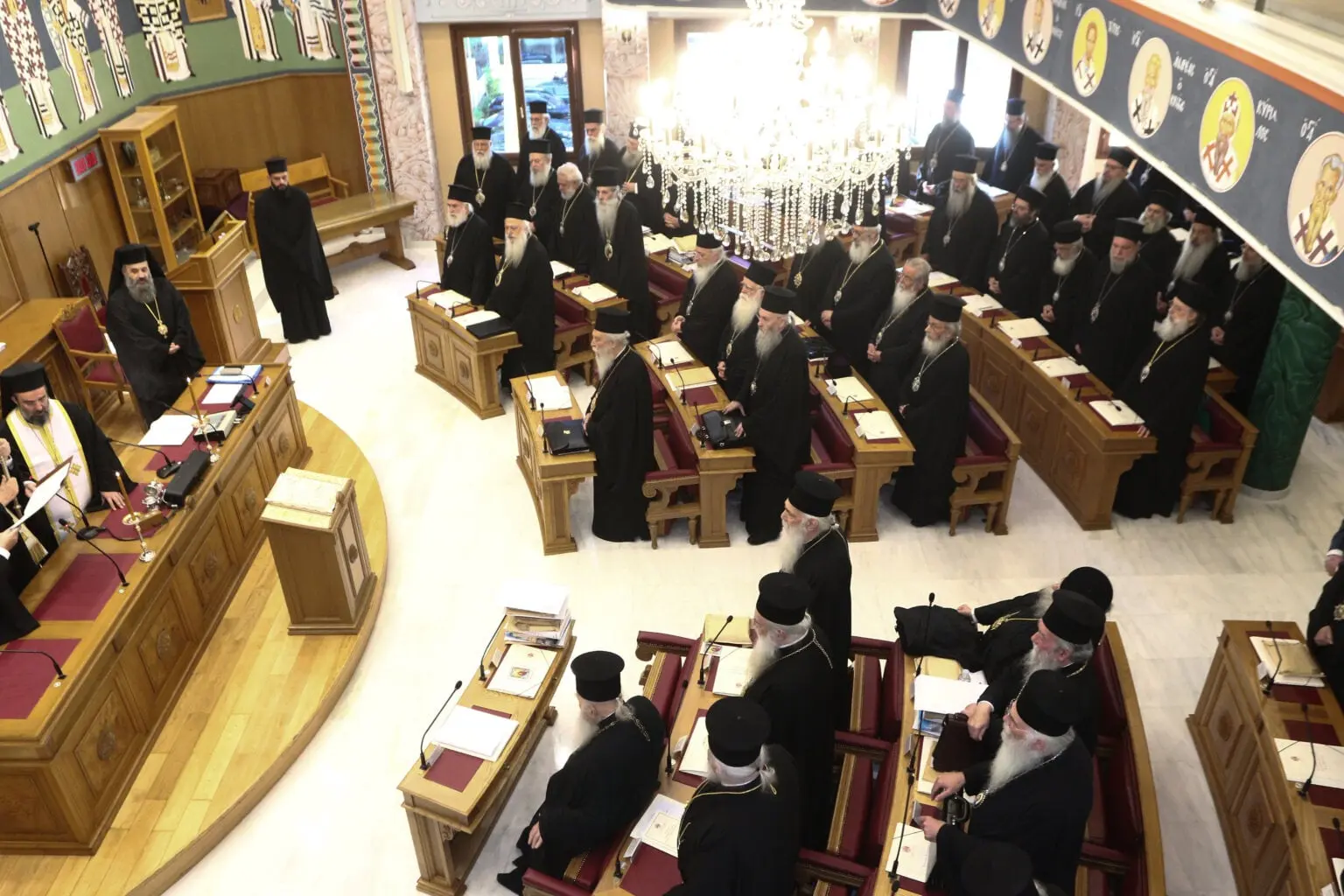
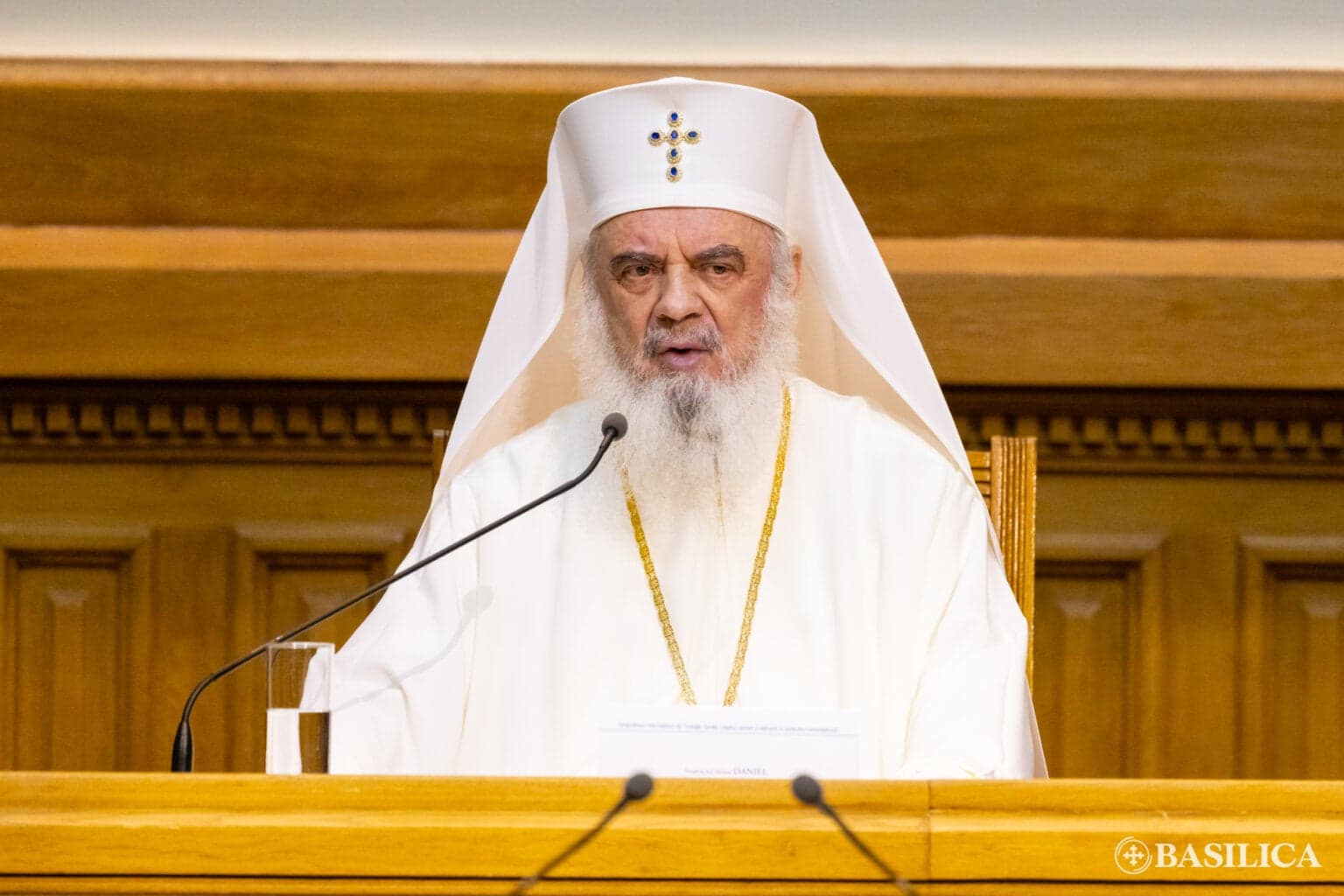
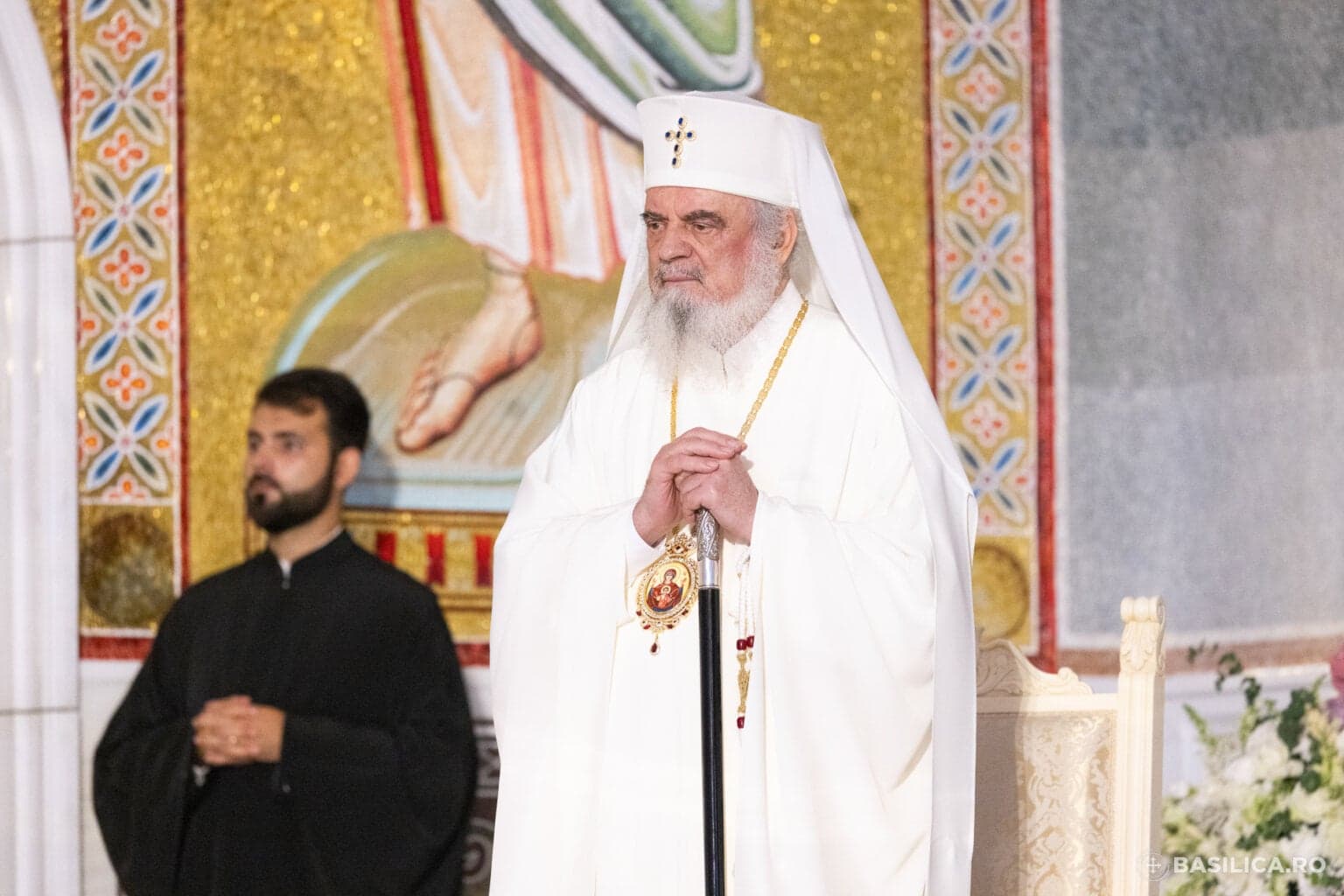
The programme begins on Saturday at 5:00 pm, when His All-Holiness Ecumenical Patriarch Bartholomew I will be received at the Synodal Palace by His Beatitude Patriarch Daniil of Bulgaria and metropolitans of the Holy Synod of the Bulgarian Orthodox Church.
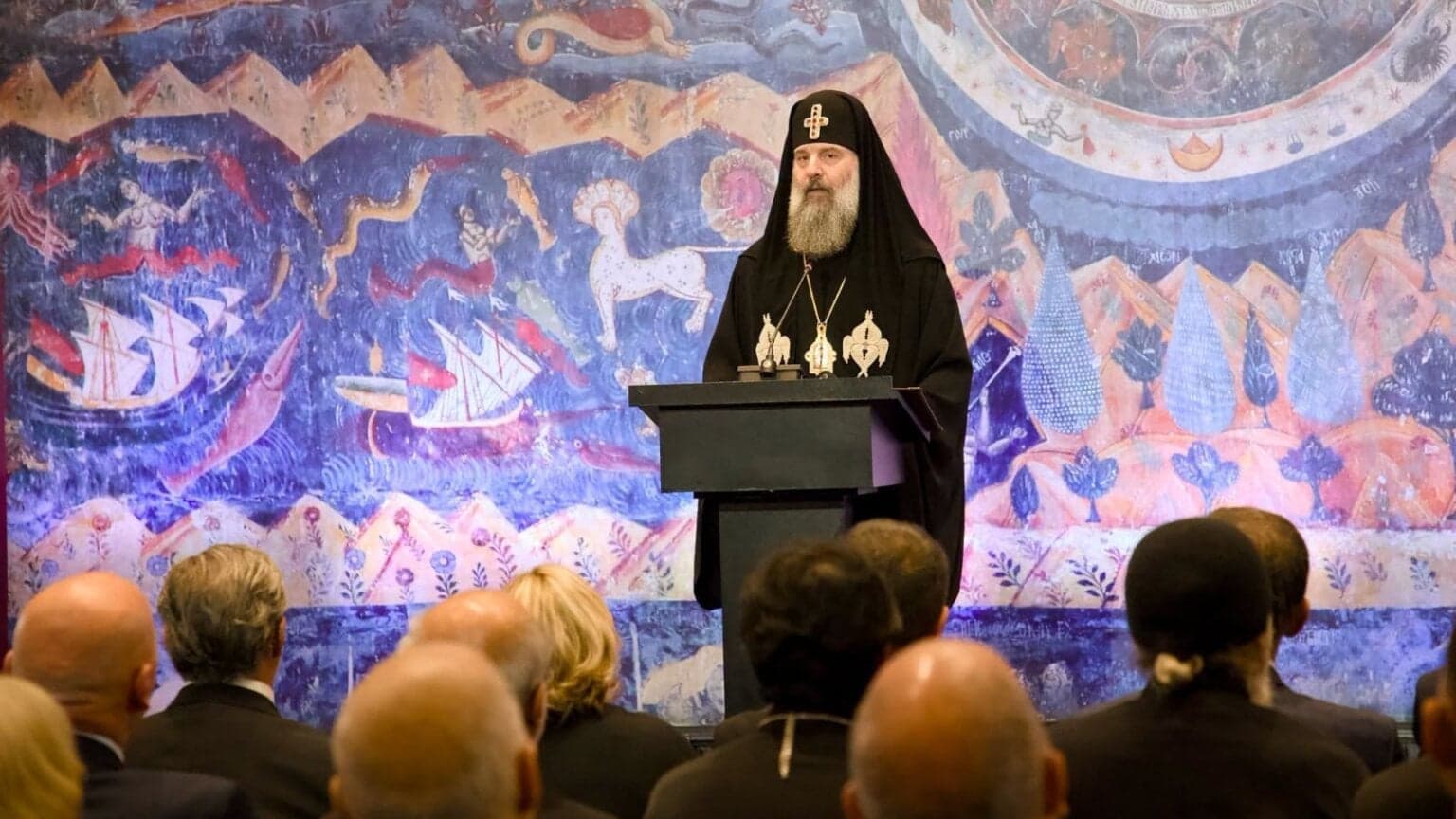
At 6:00 pm, the two Primates will inaugurate the monumental exhibition Mount Athos in Sofia at the National Palace of Culture, dedicated to the work of Greek artist Efthymios Warlamis (1942–2016).
The Metropolis of Sofia and the Ministry of Foreign Affairs of the Hellenic Republic organised the exhibition and supported it.
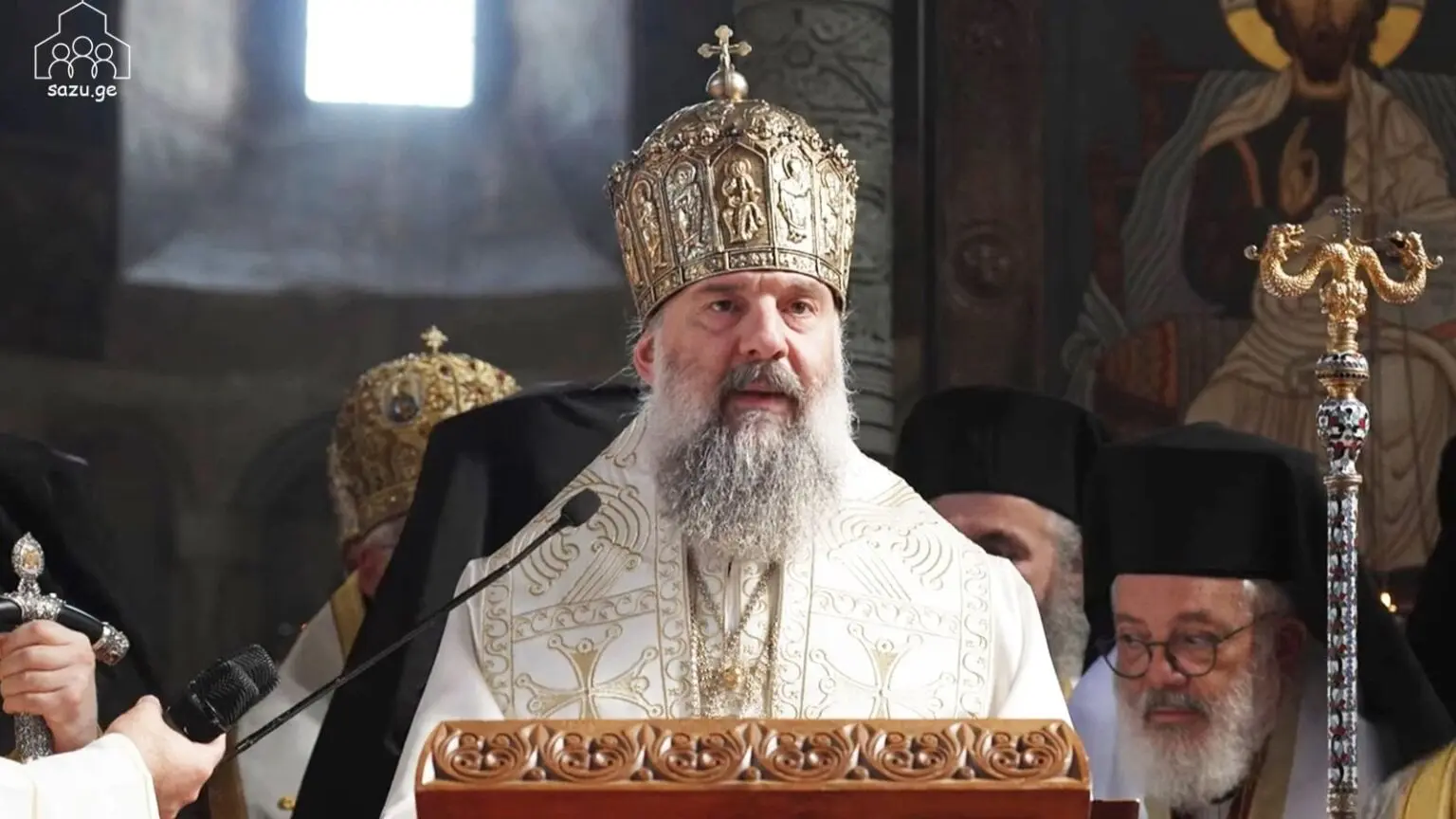
The programme will continue on Sunday at the Patriarchal Cathedral of St Alexander Nevsky in Sofia, where the Divine Liturgy will begin at 9:30 am.
A Trisagion memorial service will then be celebrated at the tomb of the late Patriarch Neophyte of Bulgaria.
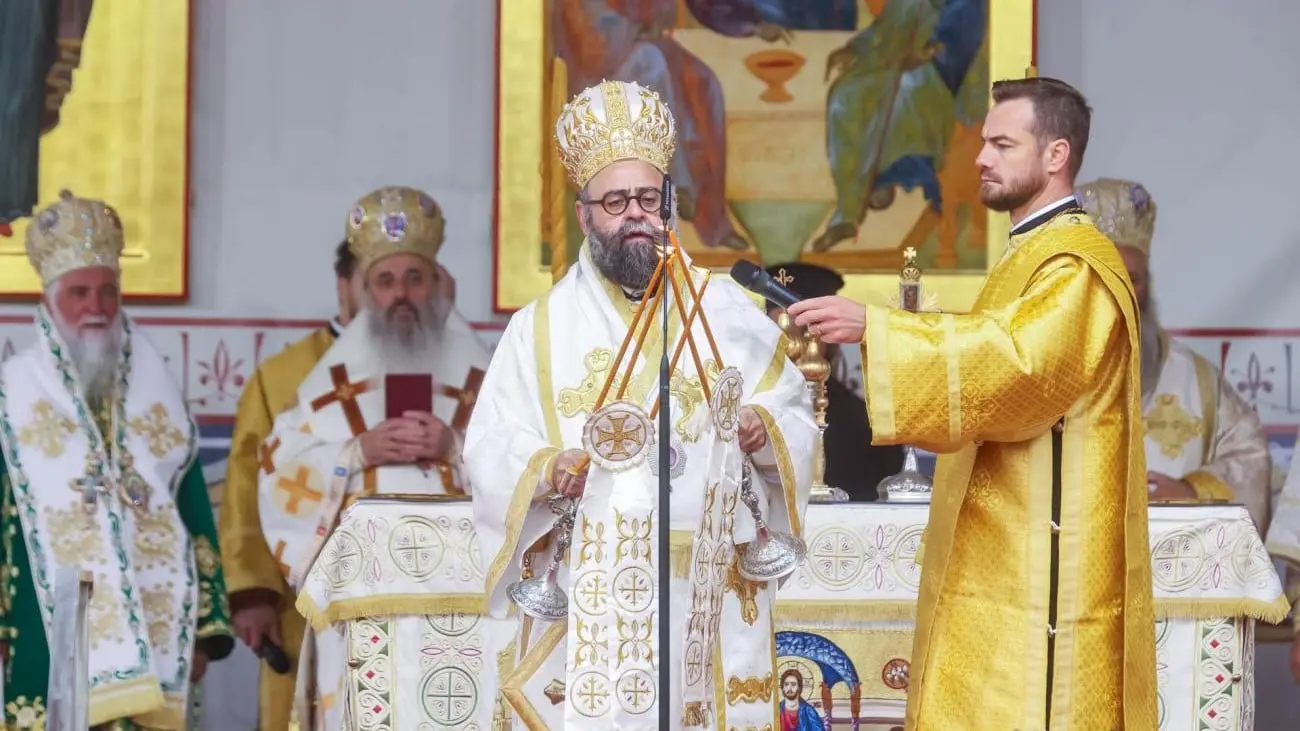
The celebrations will conclude on Monday, the principal feast day of St John of Rila, with the Divine Liturgy beginning at 9:00 am at Rila Monastery.
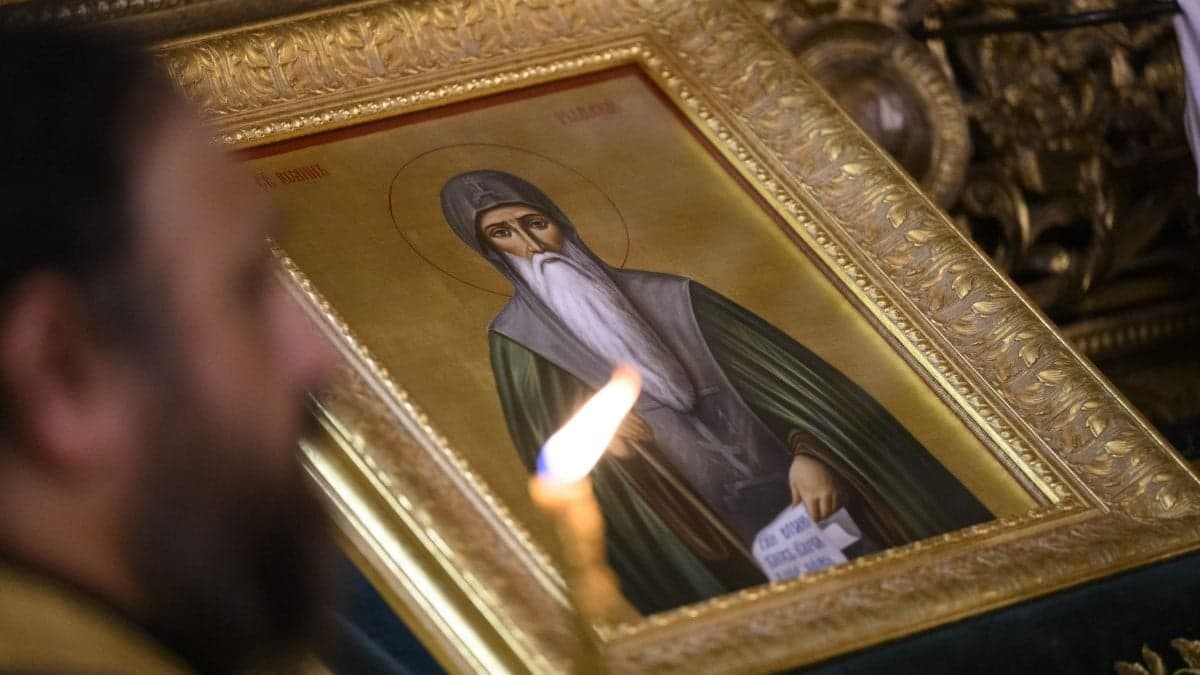
St John of Rila
St John of Rila was born in 876 in the village of Skrino, near Sofia. Following the death of his parents, he distributed his few possessions to the poor and, at the age of 25, entered monastic life at the Monastery of St Demetrius on Mount Ruen.
He later withdrew into the wilderness, living first in a cave and then in the Rila Mountains. He spent 12 years in a cave and subsequently lived for seven years on a high, rocky peak, exposed to the elements. His reputation for ascetic life and healings through prayer spread throughout Bulgaria.
Tsar Peter I of Bulgaria wanted to meet him, but St John declined out of humility. The two saw each other from a distance and bowed to one another. A monastic community later formed around the saint.
Repose and veneration of his holy relics
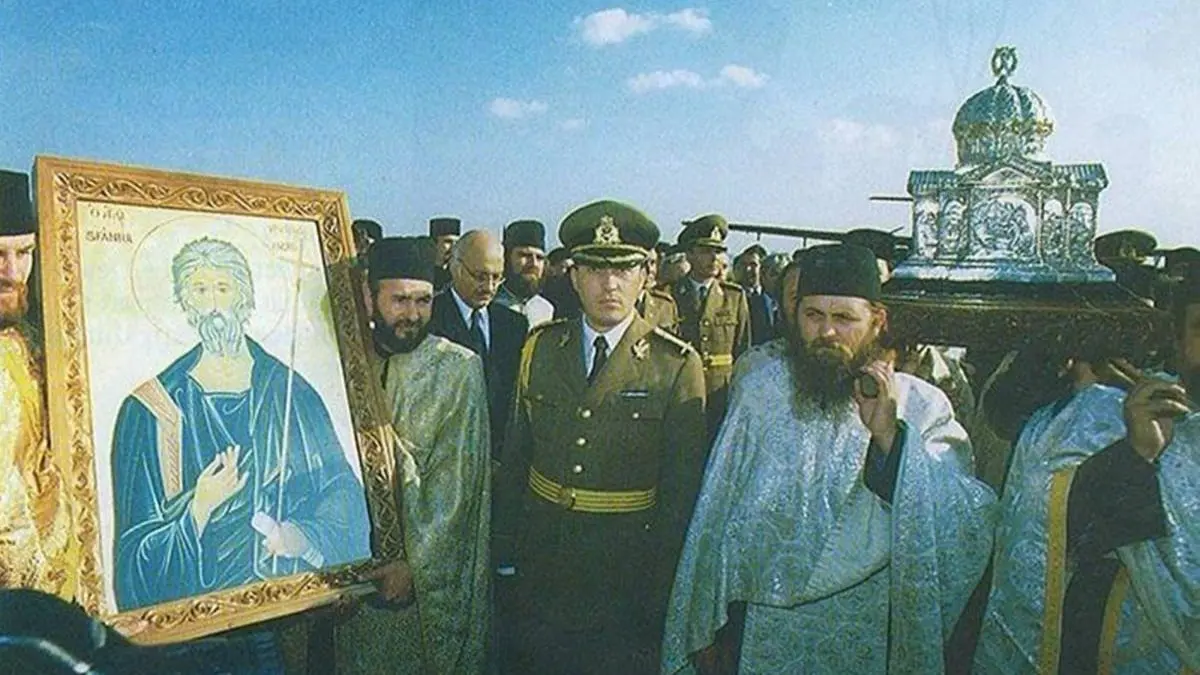
Five years before his repose, St John wrote his Testament to His Disciples, offering spiritual guidance to monks. He reposed in the Lord on 18 August 946, at the age of 70. His relics were subsequently transferred to Sofia by order of Tsar Peter I. The translation took place on 19 October, a date that became the saint’s principal feast day.
After being kept in several locations, his holy relics returned to Rila Monastery in 1469, where they remain today. St John of Rila is regarded as the patron saint of the Bulgarian people.
Over the centuries, the monastery became an important centre of Bulgarian culture and spirituality.
During Ottoman rule, it also received support from Romanian rulers and hierarchs, including Bogdan III of Moldavia, Metropolitan Grigorie Roșca and Bishop Isaia of Rădăuți.