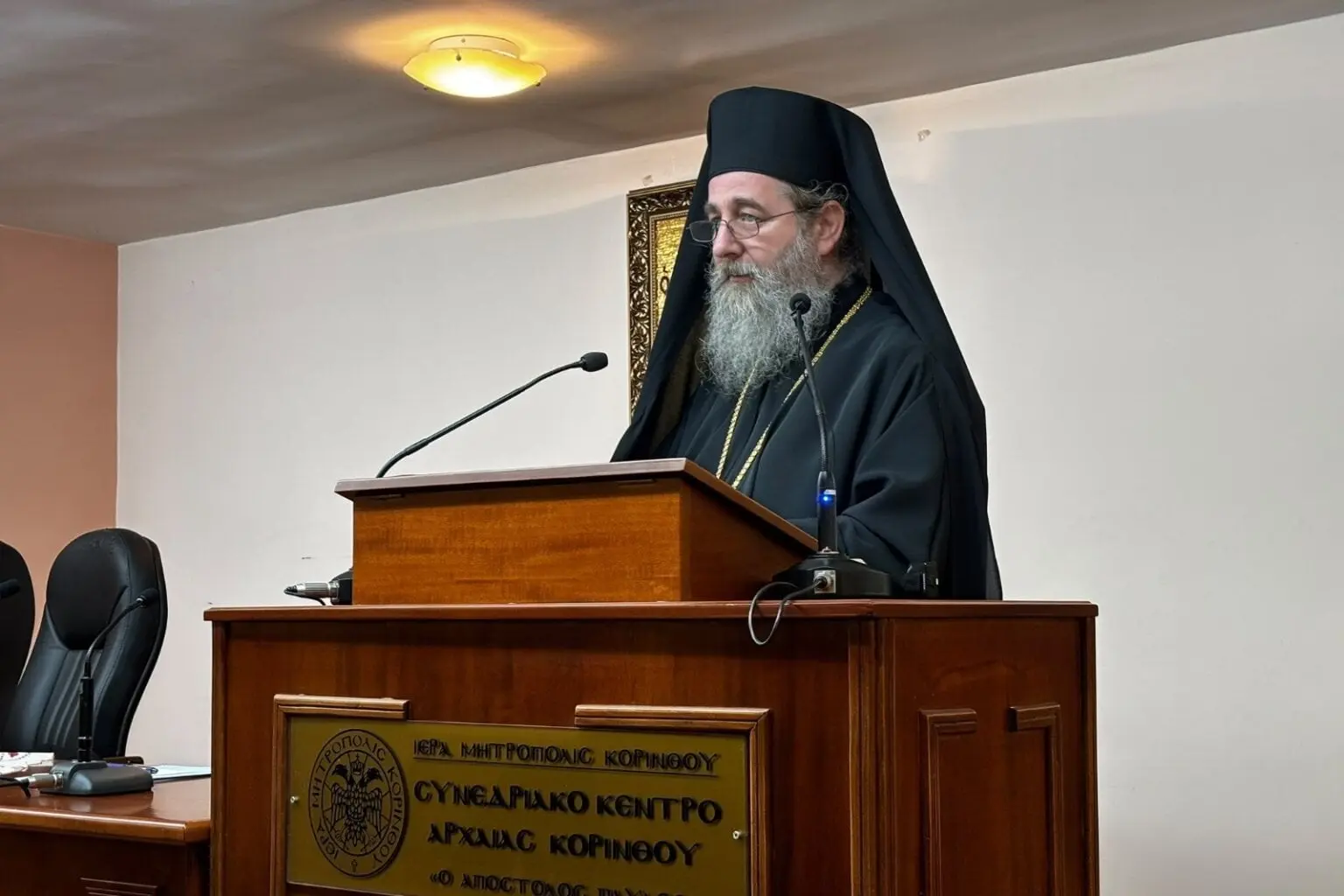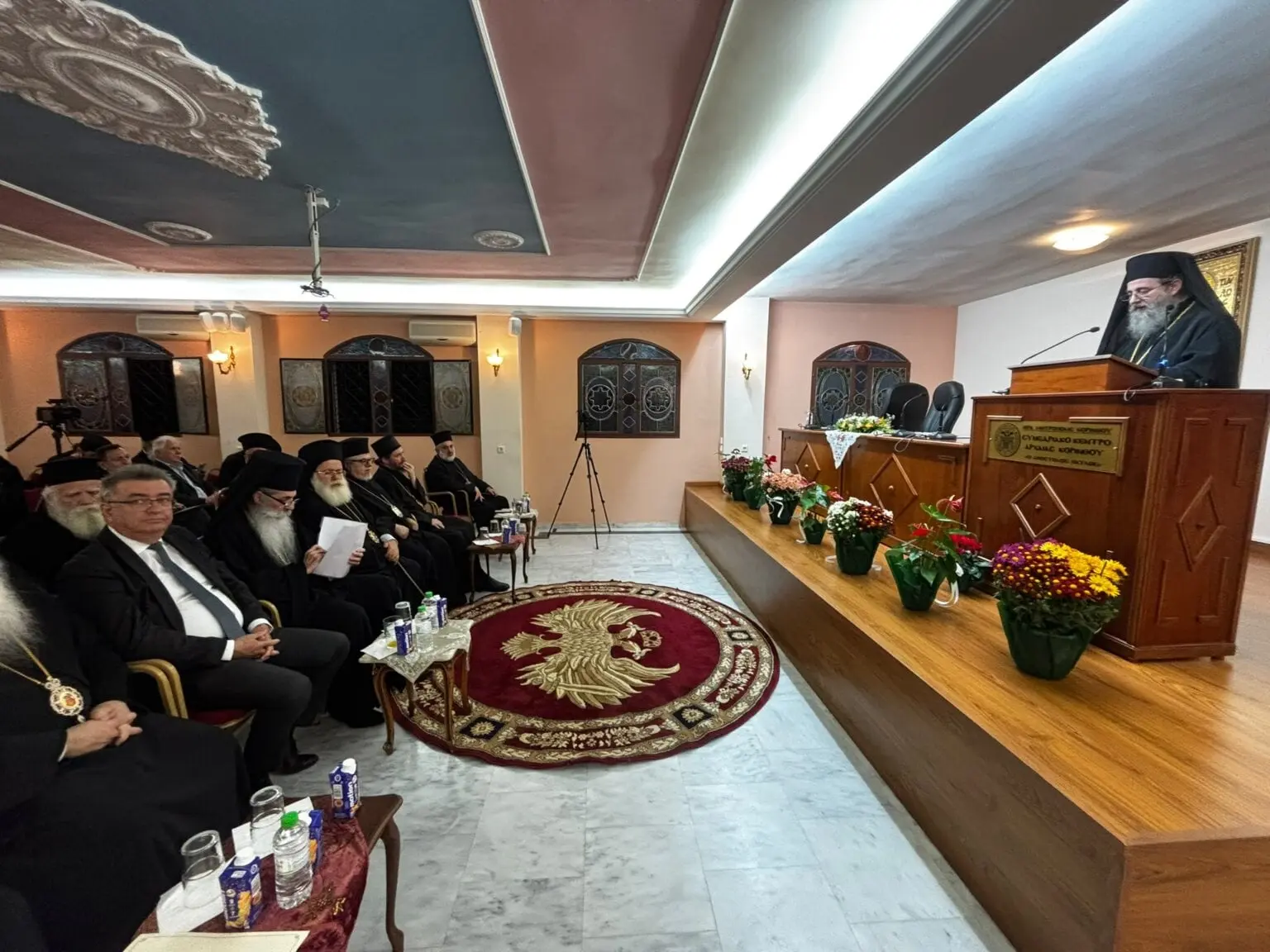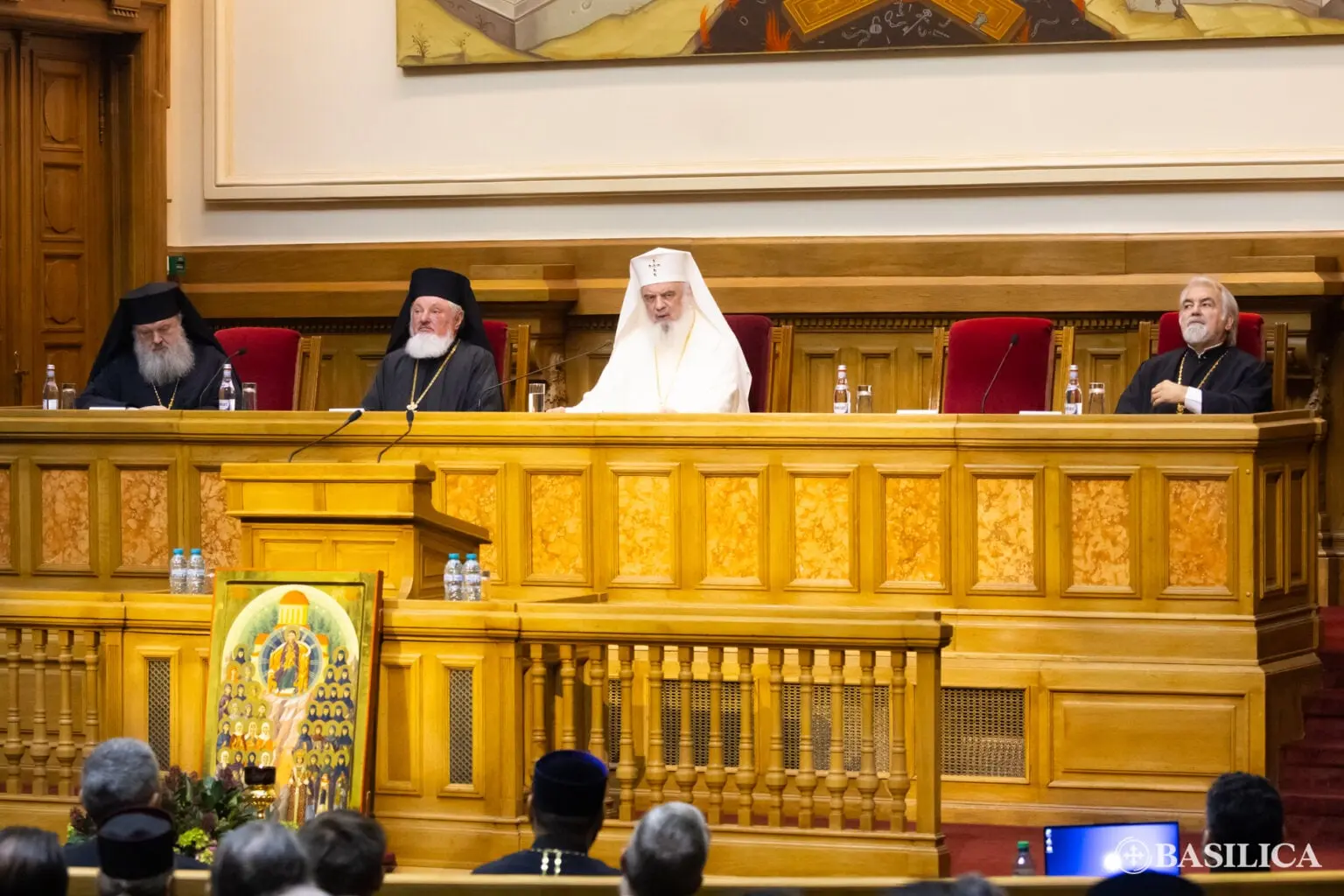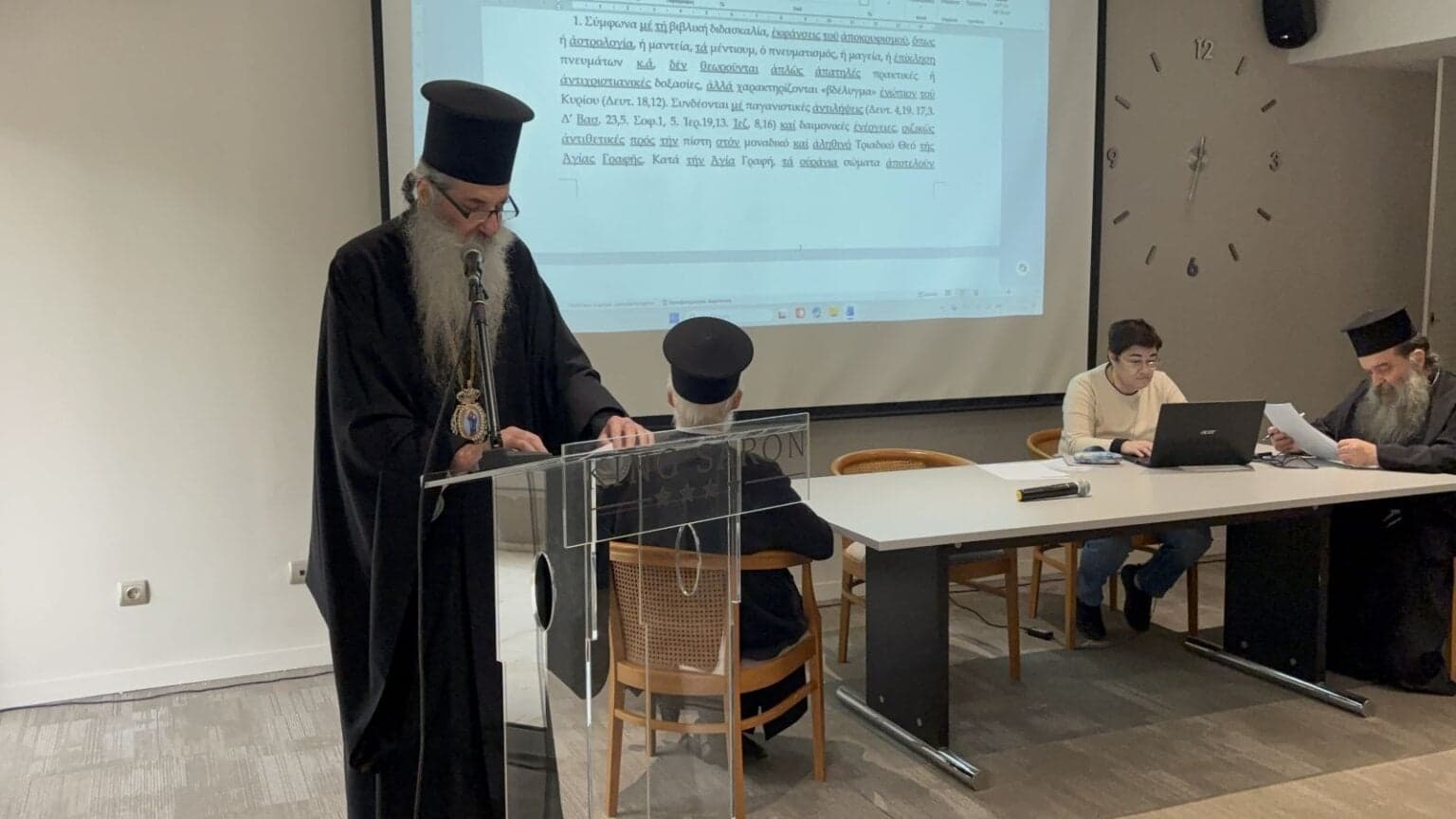
The Pan-Orthodox Conference on Heresies and Para-Religions concluded by adopting 17 conclusions in which representatives of the Orthodox Churches called for discernment in the face of occult practices.
The final document was unanimously approved on Thursday and sets out the Orthodox Church’s theological and pastoral position on these practices, drawing on Holy Scripture and the teachings of the Holy Fathers.
Defending the human person as free
Participants emphasised that believing human life is determined by the stars is incompatible with Christian teaching on freedom and responsibility.
“The Fathers of the Church opposed astrology, considering that belief in the astrological determination of human life negates freedom of will and the moral responsibility of the person, while also diminishing the significance of virtue and sin.”
“The rejection of astrology is, ultimately, a defence of the human person as free and responsible,” the signatories emphasised.
The conference also addressed the spread of divination practices in contemporary society, including through digital technologies.
The document mentions card reading, palmistry, coffee-ground reading, dream interpretation, numerology and horoscopes, as well as fortune-telling services promoted through television, the internet and digital applications.
The Church’s pastoral responsibility
Representatives of the Orthodox Churches also warned against the use of biblical texts or religious symbols to lend credibility to divination practices.
They also highlighted interpretations that arbitrarily set dates for the end of the world or promote unverified prophecies, including within groups that present themselves as Orthodox.
Participants emphasised the Church’s pastoral responsibility towards people who turn to astrology, magic or other occult practices.
“The Church must respond with truth and love, without contempt or simplistic characterisations,” the document states.
The signatories recommend developing critical thinking, cultivating discernment and guiding the faithful towards an authentic relationship of trust in God.
At the conclusion of the conference, participants authorised Metropolitan Seraphim of Piraeus to sign the conclusions and submit them to the Standing Holy Synod of the Church of Greece.