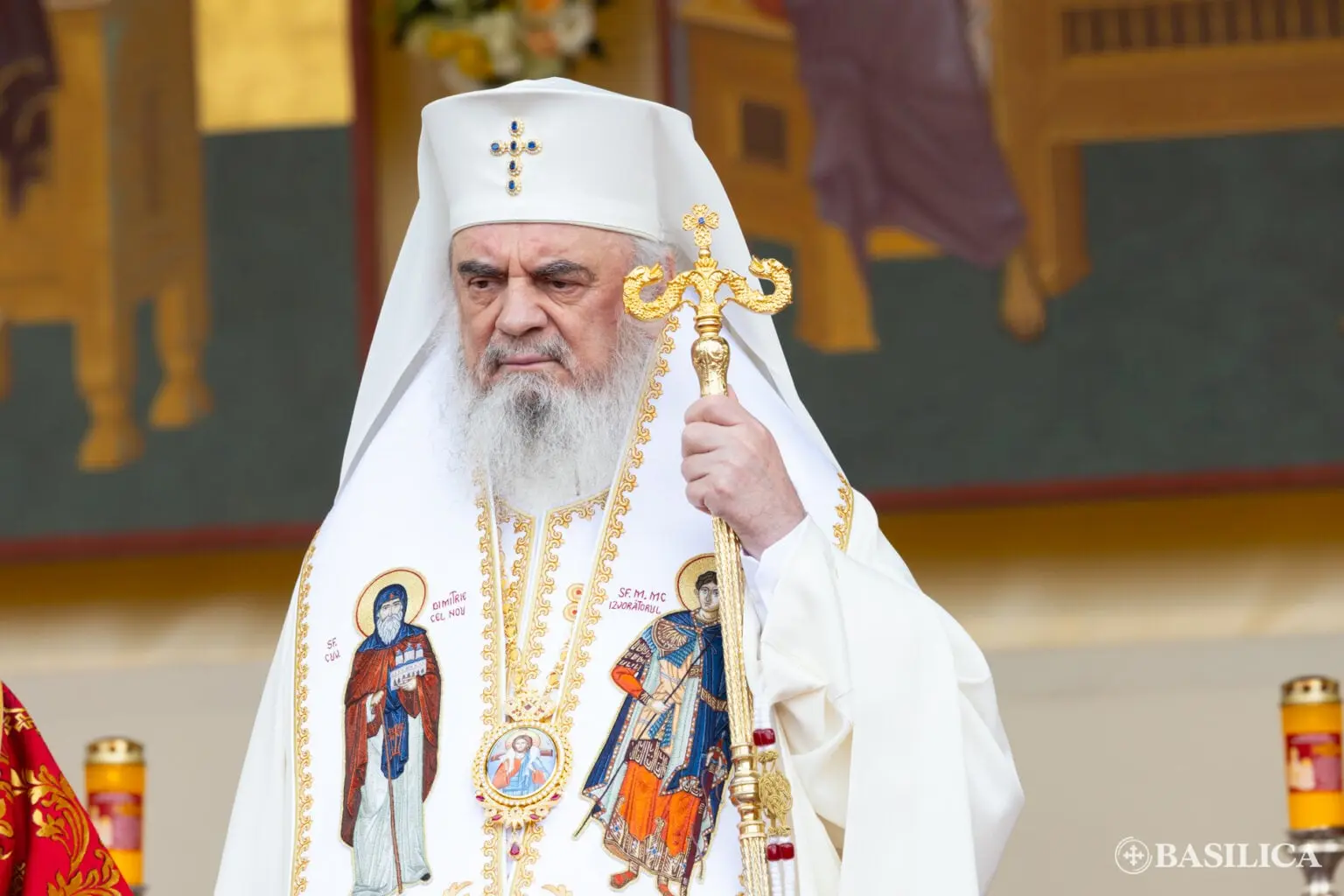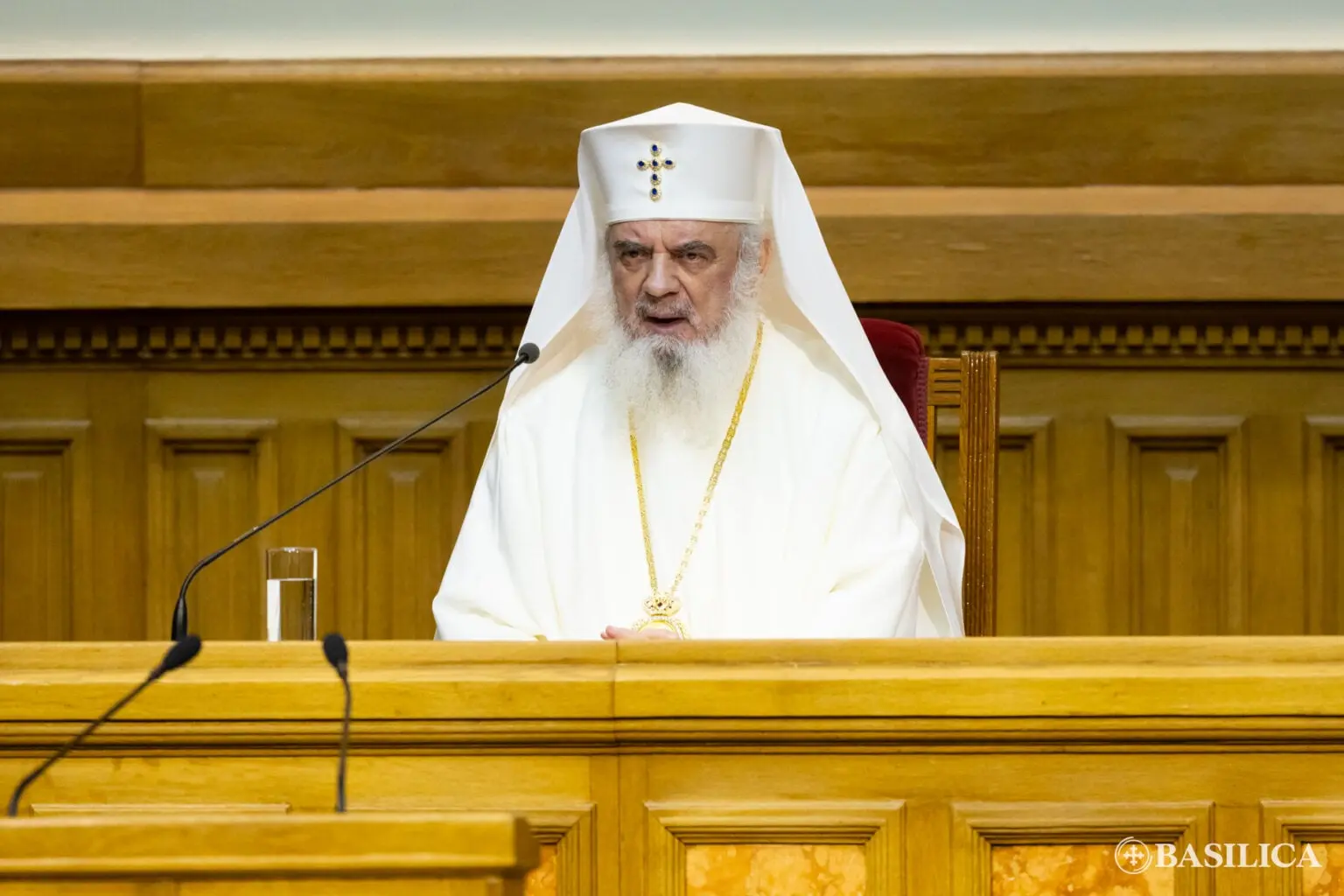
Patriarch Daniel of Romania has called on Orthodox theology faculties to combine academic excellence with prayer, spiritual formation, and the Church’s pastoral mission, warning that theological education risks secularisation when it loses its connection to liturgical life.
In a message to the 11th Congress of Orthodox Theology Faculties and Departments of the Romanian Patriarchate, held from 1 to 4 November 2026 at Brâncoveanu Monastery in Sâmbăta de Sus, His Beatitude emphasised that theology must remain a “science of salvation” rooted in the life of the Church.
“Academic theology is missionary when it loves and serves the life of the Church,” Patriarch Daniel stated.
The congress, organised by the St Andrew Șaguna Faculty of Orthodox Theology in Sibiu, focuses on pastoral care for the Christian family as a priority of Orthodox theological education.
True theology is the science of salvation and the Church’s missionary consciousness in the world
The Congress of Faculties and Departments of Theology of the Romanian Patriarchate, organised in the context of the Solemn Year of Pastoral Care for the Christian Family and the Commemorative Year of Holy Women in the Church Calendar (Myrrhbearers, Martyrs, Nuns, Wives and Mothers), is an important event for Romanian Orthodox theological education at undergraduate and postgraduate levels.
This academic gathering, organised from 1 to 4 November 2026 by the St Andrew Șaguna Faculty of Orthodox Theology of Lucian Blaga University of Sibiu, brings together hierarchs, representatives of higher education institutions, deans, heads of theology departments, directors of doctoral schools, professors and spiritual fathers from Orthodox theology faculties throughout the country.
We welcome the organisation of the 11th Congress of Theology Faculties of the Romanian Patriarchate at Brâncoveanu Monastery in Sâmbăta de Sus, founded by the Holy Prince-Martyr Constantine Brâncoveanu, whose family bears eloquent witness to how holiness gives rise to holiness.
The chosen theme, Pastoral Care for the Christian Family – A Priority of Orthodox Theological Education, is both relevant and timely. It points towards orienting theological research towards the Church’s pastoral and missionary activity and highlights the need to embrace and develop theology’s ecclesial consciousness and affirm the connection between theological reflection and ecclesial experience.
Today, the principal vocation of theological schools is to train ministers and missionaries of the Church in several fields: liturgical and pastoral ministry (clergy), education (religious education teachers), social and philanthropic work (social workers), ecclesiastical cultural heritage (painters and restorers), media activities (journalists), and others.
The Church has a mission to support and strengthen the Christian family, offering pastoral guidance and spiritual assistance throughout every stage of family life: the birth and upbringing of children, preparing young people for marriage, the Christian education of children, overcoming difficulties and strengthening the bonds of love between family members.
The Christian family is not merely a social unit but a “little church”, in the words of St John Chrysostom, in which the Orthodox Christian faith is lived and transmitted directly and authentically.
Applying theological knowledge to the different circumstances of everyday life demonstrates young theologians’ ability to accurately recognise the real needs of Christian families, the demands of teaching religious education or undertaking the Church’s social and philanthropic work, and the importance of restoring, preserving, and managing Romania’s sacred heritage.
For this reason, academic theology today is called to employ new and dynamic methods of research and communication to strengthen its mission of providing young people with intellectual and spiritual formation.
Academic requirements must not disregard the ecclesial ethos and missionary consciousness of theological work undertaken in the service of the Church.
Every theologian is called, above all, to bear witness to God the Word, incarnate in history and spiritually shared in the life of the marital family and the ecclesial family, which are icons of the love of the Most Holy Trinity and blessings for humanity.
Therefore, Orthodox theology faculties are called to develop a theology for life, drawing upon the light of Holy Scripture, the lives of the saints and the needs of parish and monastic communities.
The Congress of Orthodox Theology Faculties and Departments of the Romanian Patriarchate is an event of academic and spiritual communion, strengthening the awareness that theology is the Church’s missionary voice in the family and in schools.
By consistently cultivating the living relationship between Orthodox theology faculties and the life of the Church, and between theological education, monasteries, parishes and families, with a view to strengthening the Church’s mission, we reinforce the understanding of theology’s vocation as the science of salvation or eternal life, that is, the science of humanity’s union with God, the Creator and Saviour of the world.
Academic theology is missionary when it loves and serves the life of the Church.
Only through its ecclesial dimension does this theology reveal the mystagogical, healing and enlightening character of the Holy Mysteries of the Church, through which mortal human beings are united with the eternally living God.
The work of theology professors is a ministry of the Church of Christ, in continuity and communion with the theology of the Holy Apostles, the Holy Fathers and all theologians who have united intellectual knowledge with holiness of life.
In communion of thought with the saints of the Church, St Dumitru Stăniloae the Confessor states:
“Theology seeks to know God through the experience of His saving work among human beings. But it will not know Him unless it enters into a personal relationship of love with God and with the faithful through prayer. Therefore, the one who prays together with the other members of the Church is all the more a theologian.
For in their shared love for God, the saving and perfecting work of His love is revealed more fully. In the prayers of the Church, in her worship, her unifying spirit breathes, and her eschatological horizon, her goal of perfection in Christ, becomes transparent.
A theology nourished by the prayer and spiritual life of the Church is a theology that expresses and deepens her spiritual thought and experience, as well as her sanctifying and ministering work.” [1]
The programme of the National Congress of Theology Faculties of the Romanian Patriarchate also includes a meeting of the College of Deans.
Alongside the presentation of papers addressing contemporary issues, these academic events provide an opportunity to reaffirm that the presence of an Orthodox theology faculty within a university offers an opportunity for dialogue between theology and other sciences and for cooperation between theology faculties and other academic departments.
Such cooperation contributes to a broader and more nuanced understanding of the national and international context in which the Church is called to carry out its pastoral work and social mission.
On the other hand, theology faculties today also face the risk of secularisation, understood as a weakening of the spiritual life of professors and students, if the liturgical life of the faculty loses its intensity and regularity and academic staff no longer maintain their connection with the liturgical life of parishes and monasteries.
Consequently, within an Orthodox theology faculty, both spiritual life and scholarly study must continually be protected and strengthened, promoting liturgical fellowship, collegiality and academic cooperation together, in order to support missionary work in the Church, the family, schools and contemporary society.
We congratulate all participants in the 11th Congress of Orthodox Theology Faculties in Romania, organised with our blessing and the goodwill of His Eminence Metropolitan Laurențiu of Transylvania at Brâncoveanu Monastery in Sâmbăta de Sus, a renowned centre of Romanian Orthodox spirituality and culture.
We are confident that this academic event will encourage theology professors to embrace the academic standards of Orthodox theological education, cultivate a spirit of collegiality, and provide students with the knowledge and formation they need for life.
We pray that the Lord Christ, our Teacher and Saviour, will grant everyone the joy of serving the Church and the Romanian people worthily, for many blessed years!
† DANIEL
Patriarch of the Romanian Orthodox Church
Reference
[1] St Dumitru Stăniloae the Confessor, Orthodox Dogmatic Theology, vol. 1, Basilica Publishing House, Bucharest, 2018, pp. 103–104 (quotation translated from the Romanian text).