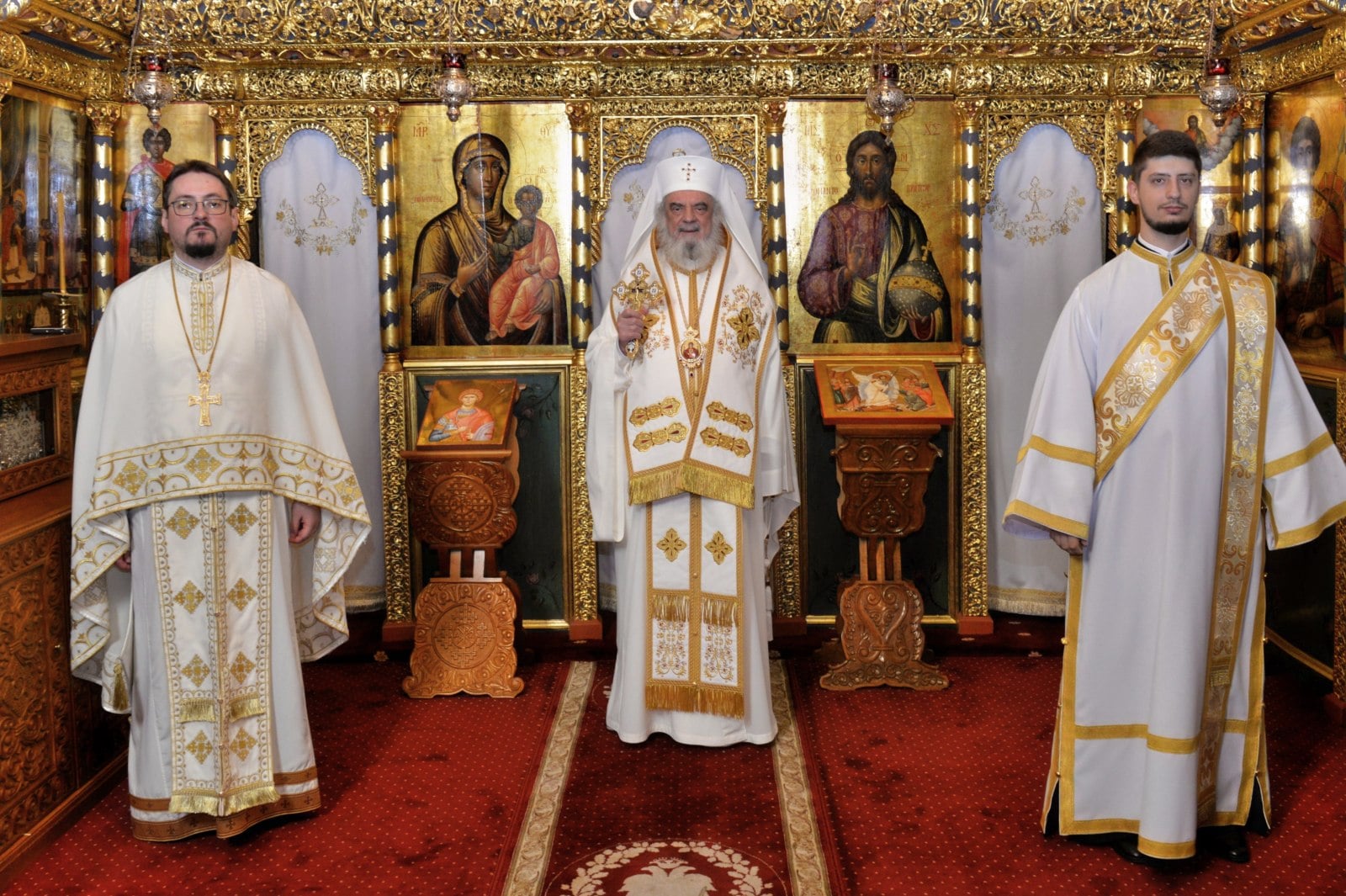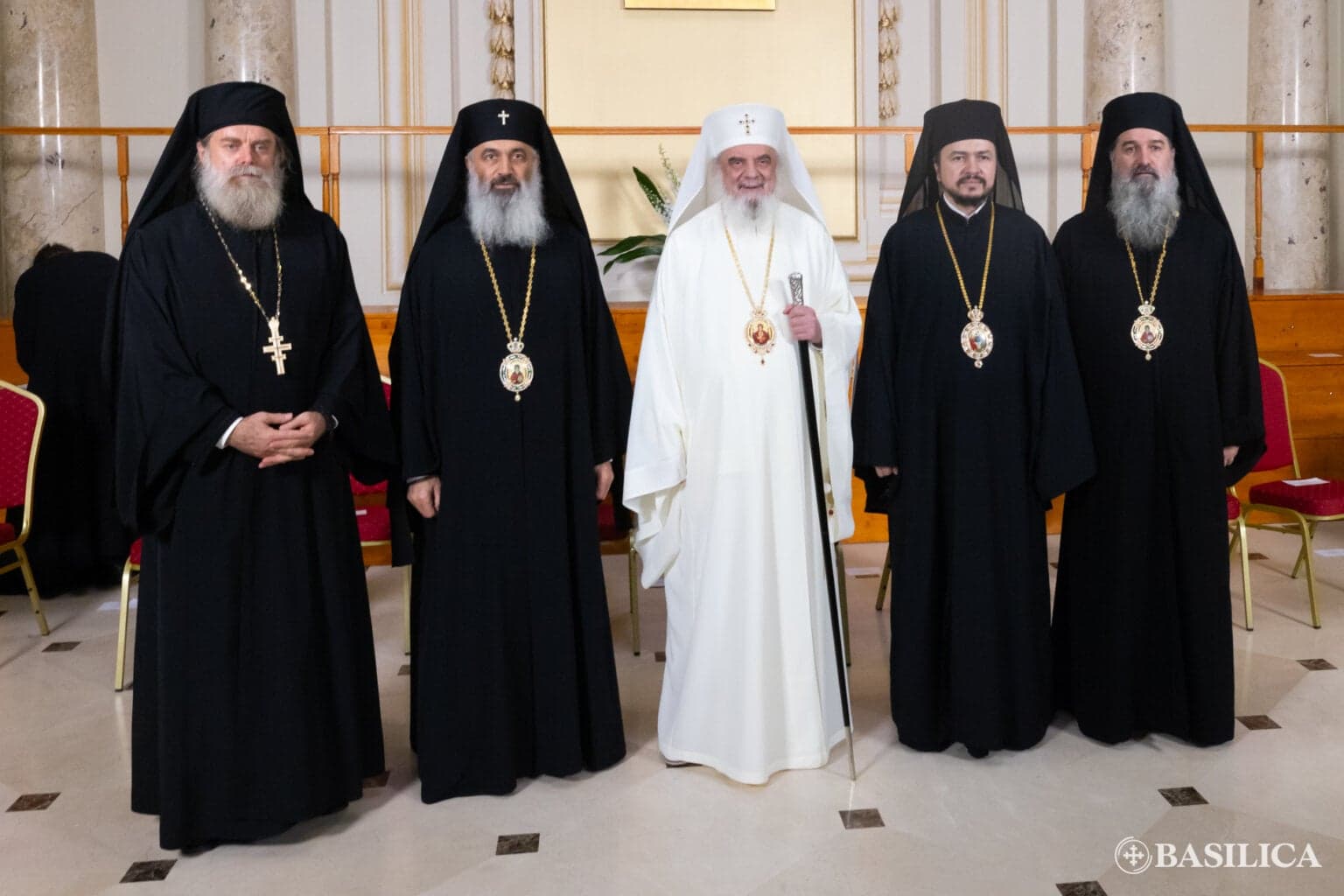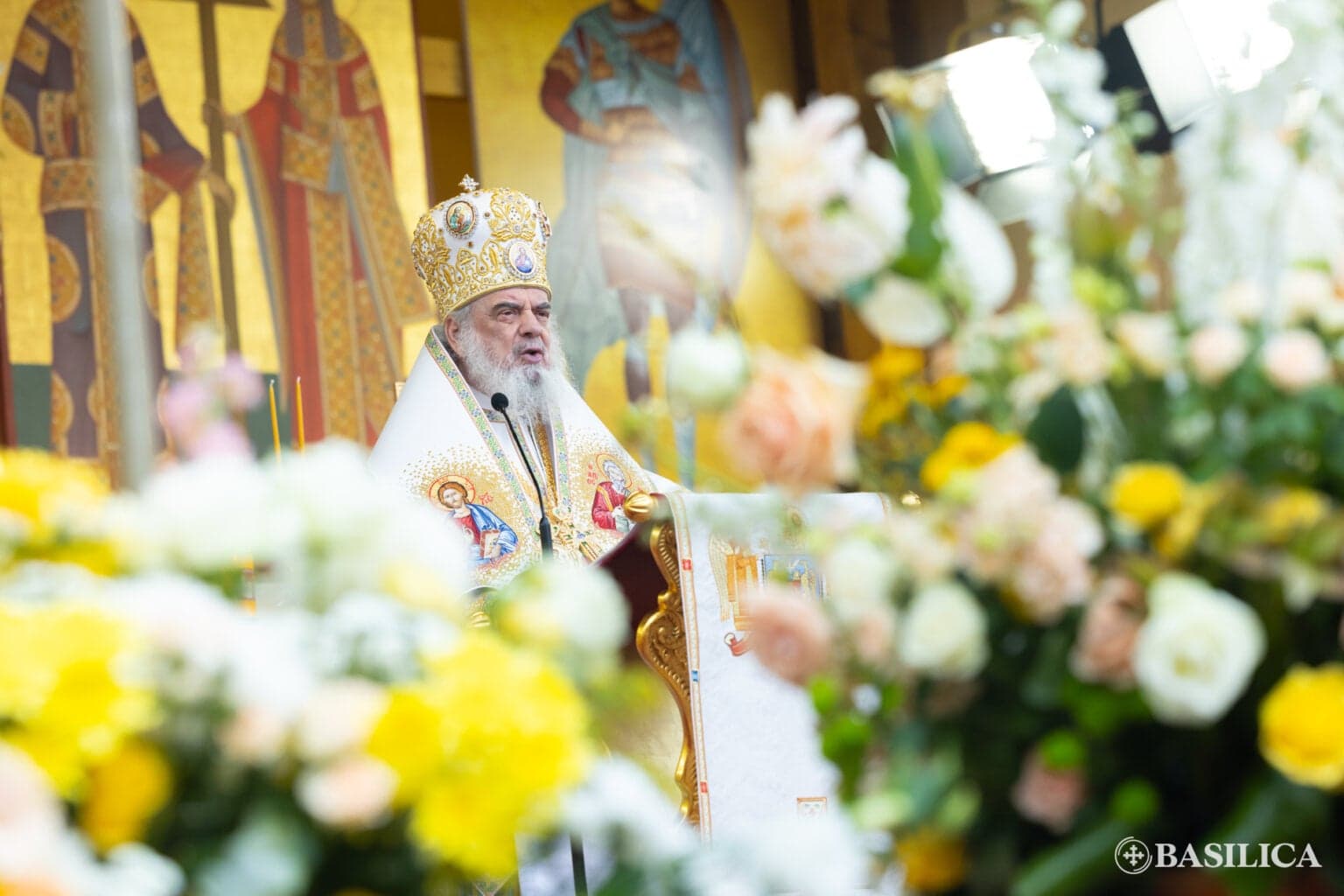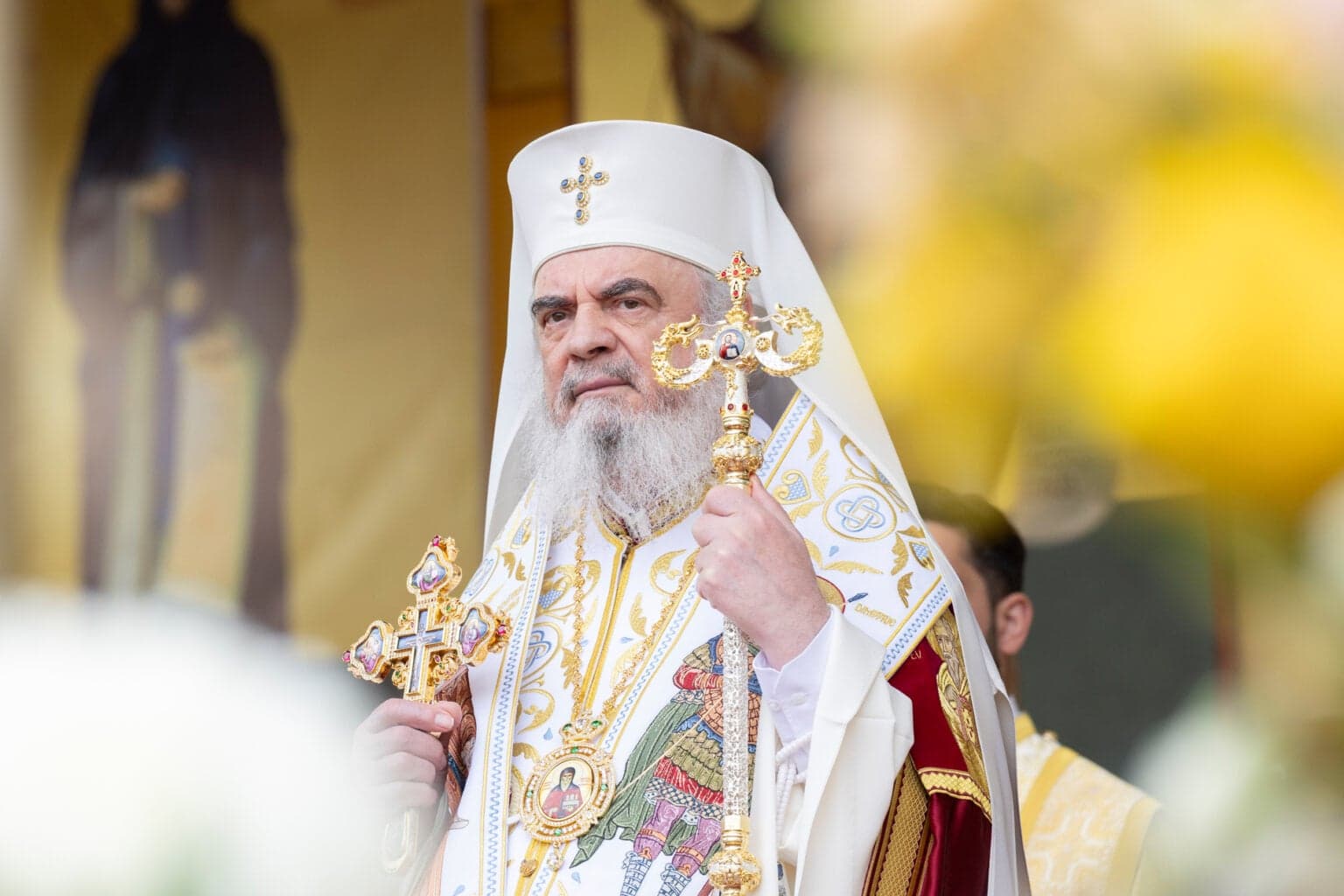
“Hell or heaven begins in our souls even in this world,” His Beatitude Patriarch Daniel warned on Sunday, explaining the parable our Saviour Jesus Christ told about the Rich Man and Poor Lazarus.
“Today’s Gospel teaches us that our eternal happiness or unhappiness beyond the grave depends on how freely we live out the mystery of merciful love here on earth,” His Beatitude emphasised.
The Patriarch of Romania also explained that “the merciless rich man was condemned not so much for the evil deeds he committed, but for the good he could have done and failed to do, and because he confused freedom with laziness and spiritual insensitivity or indifference towards the poor. God sees and values not only a person’s deeds, but also the condition of their soul.”
“Although materially poor, Lazarus nevertheless enriched his soul with many virtues, namely humility, patience, hope in God and refraining from judging his neighbour,” Patriarch Daniel added.
“Today’s Gospel reveals a fundamental truth: before God, it is not only the number of good deeds that matters. What matters above all is the goodness of a humble soul, or the humble and merciful love with which good deeds have been performed. As St Basil the Great teaches us, God looks not only at the number of good deeds, but especially at the love with which they have been carried out.”
Cultivating merciful love
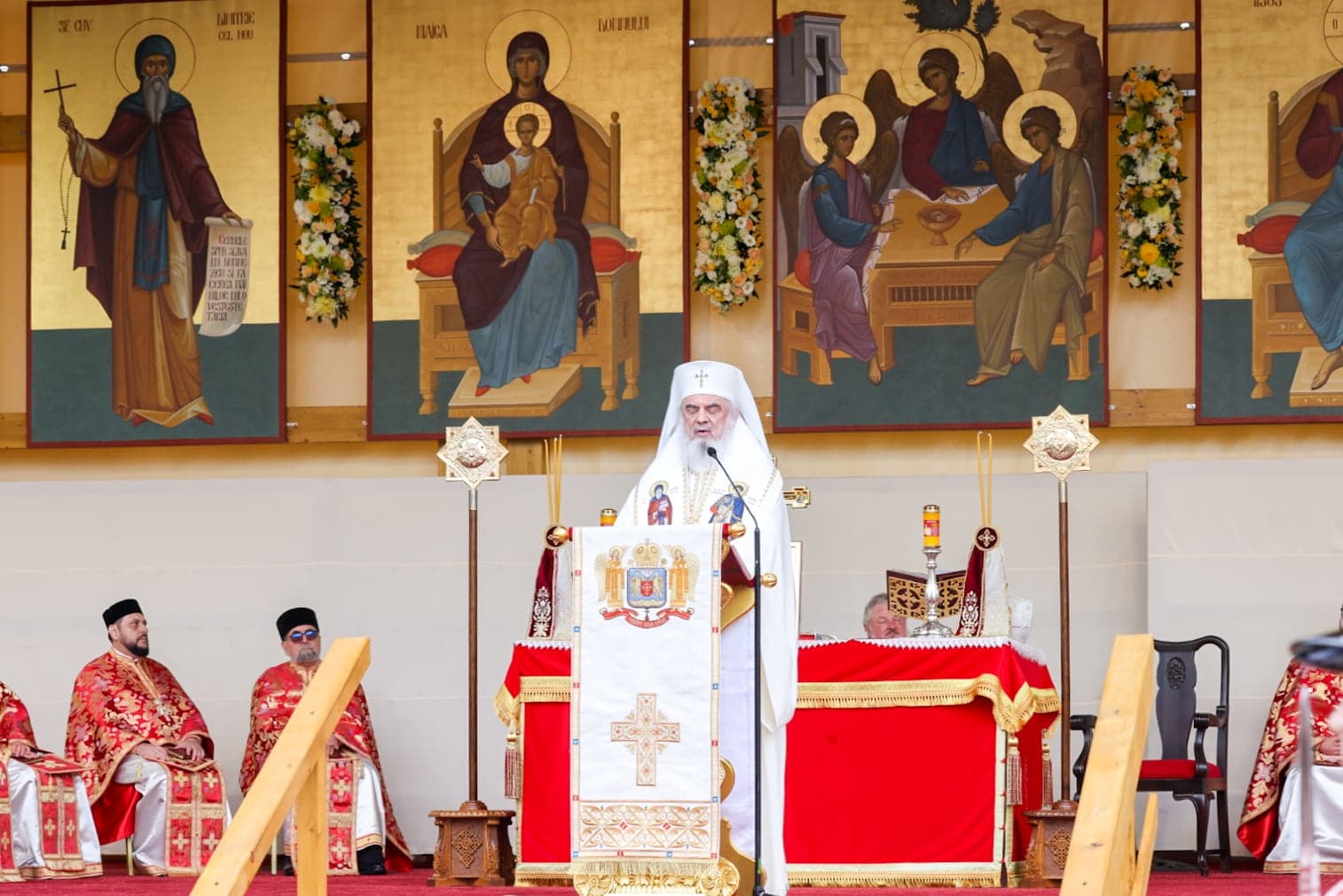
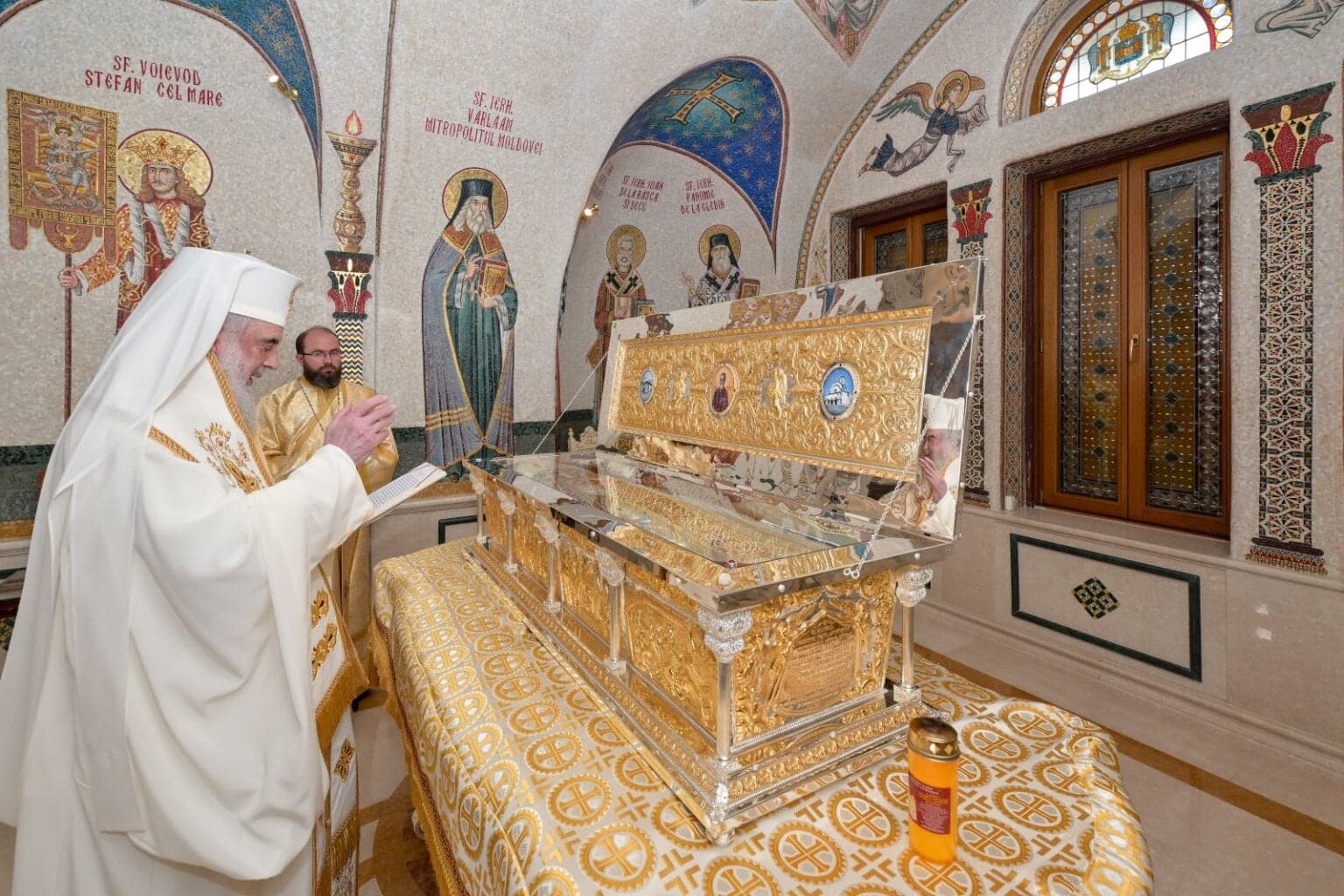
In the final part of his homily, delivered at the historic chapel of the Patriarchal Residence, His Beatitude explained the blessed condition of the soul that prepares for heaven during earthly life.
“When we cultivate goodness and mercy, we open ourselves to heaven, to God’s everlasting goodness and mercy,” the Patriarch of Romania said.
“But when we accumulate indifference, mercilessness, malice and selfishness in our souls, we ourselves freely move towards hell, understood as an existence of torment, as selfish or narcissistic loneliness, devoid of peace and joy.”
“The Gospel also shows us that the soul of the merciless rich man in hell can communicate or perceive things spiritually, but cannot share in the joyful communion of Abraham and the righteous in heaven, nor can it change by itself the existential condition in which it finds itself, because it did not cultivate the communion of merciful love while living on earth,” Patriarch Daniel added.
Recognising one’s sins is greater than raising the dead
His Beatitude explained why God did not grant the rich man’s request to send Lazarus to his brothers, who were still alive on earth.
“Today’s Gospel teaches us that a person must fulfil God’s will throughout their life, following the example and teaching of the righteous and the saints, rather than expecting miracles at every turn,” His Beatitude emphasised.
“The resurrection of the soul from the death caused by sin, accomplished through prayer, repentance and good deeds, is more necessary than seeing the dead rise from their graves with our bodily eyes.”
“The resurrection of the dead from the grave is exclusively God’s gift,” the Patriarch of Romania explained.
“However, the resurrection of the soul from the death caused by sin requires effort on the part of the individual, or a struggle against selfish passions, as St Isaac the Syrian teaches us when he says that the one who sees his own sins is greater than the one who raises the dead through his prayer while living among many people.”
“Therefore, recognising your own sins is greater, because it requires great humility and a struggle against your own selfishness, than raising the dead by performing miracles,” His Beatitude clarified.
“The Gospel shows us that almsgiving is a path to salvation. As today’s Gospel teaches us, we understand that God is eternally blessed because He is eternally good and merciful.”
Patriarch Daniel recalled that the Gospel of Christ’s merciful love inspired the Church to establish charitable medical and social institutions.
“Let us pray to God that we may understand how precious human life on earth is as preparation for blessed eternal life,” the Patriarch of Romania said at the conclusion of his homily.