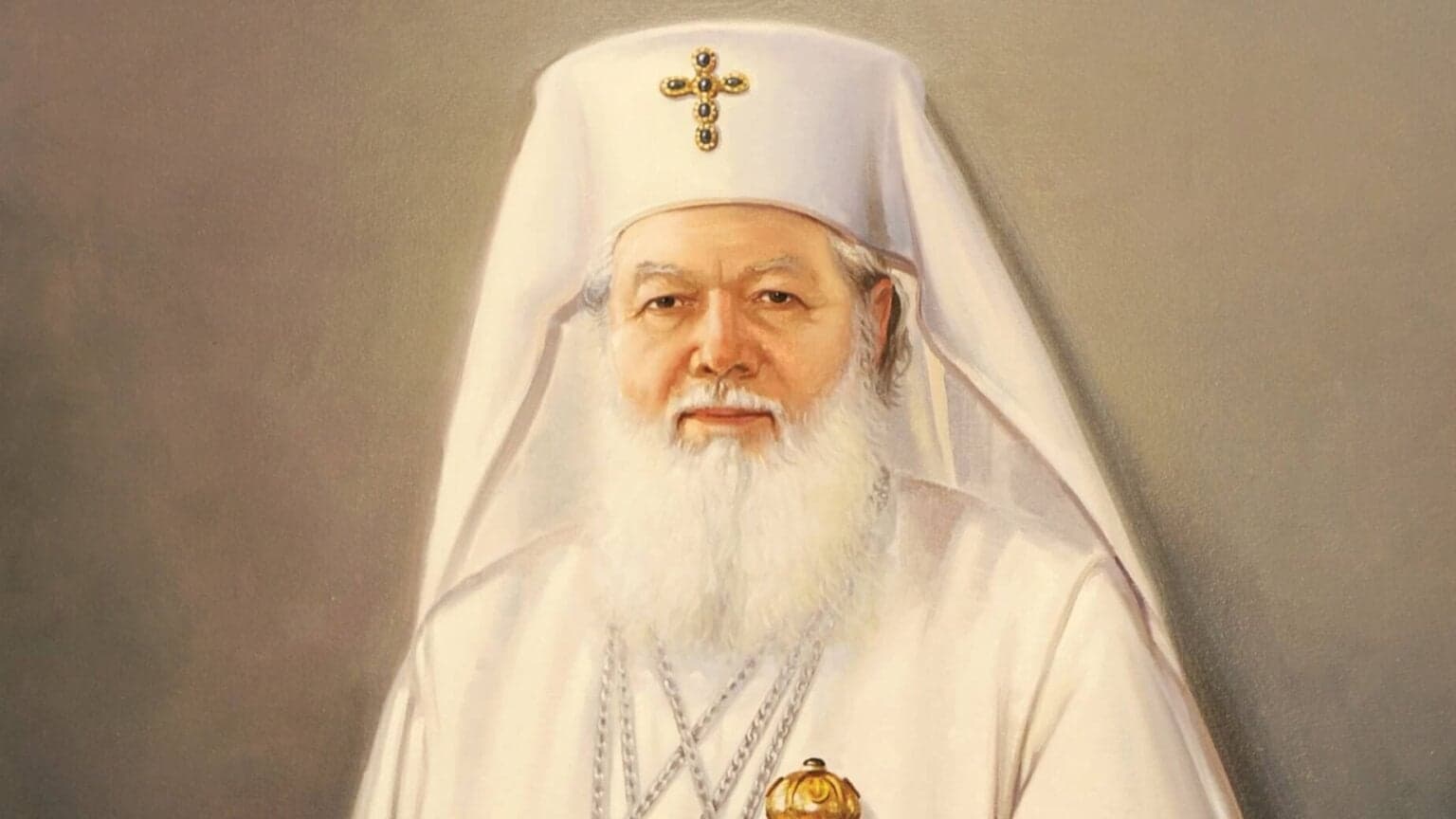
The Romanian Orthodox Church commemorates Patriarch Teoctist Arăpașu on 30 July, marking 19 years since his repose in the Lord.
Patriarch Teoctist of blessed memory reposed in the Lord on 30 July 2007, after 21 years as Patriarch of Romania and 57 years of episcopal ministry.
Born Theodor Arăpașu on 7 February 1915 in the village of Tocileni, Botoșani County, he was the tenth child of Dumitru and Marghioala Arăpașu.
He entered monastic life at a young age, first at Vorona Monastery and later at Neamț Monastery. On 6 August 1935, he was tonsured a monk at Bistrița Monastery, receiving the name Teoctist.
He studied at the Monastic Seminary of Cernica Monastery before graduating from the Faculty of Theology in Bucharest in 1945.
Patriarch of Romania
In 1946, he was elevated to the rank of Archimandrite. He served as a priest at the Metropolitan Cathedral of Iași and, between 1946 and 1948, as Great Ecclesiarch and Exarch of the monasteries of the Archdiocese of Iași. During the same period, he also attended courses at the Faculty of Letters and Philosophy in Iași, seeking to broaden his academic formation.
In 1950, he was elected Patriarchal Auxiliary Bishop with the title Bishop of Botoșani. During his tenure, he also served as Secretary of the Holy Synod, Rector of the University Theological Institute in Bucharest (1950–1954), and as the supervisor of several departments of the Patriarchal Administration.
In 1962, he became Bishop of Arad, serving for a decade. During that period, he promoted monastic life, supported the restoration of churches and monasteries, and contributed to strengthening theological education in the diocese.
In 1973, he was elected Archbishop of Craiova and Metropolitan of Oltenia. Four years later, in 1977, he became Archbishop of Iași and Metropolitan of Moldavia and Suceava.
From July 1980 to January 1982, he also served as acting Metropolitan of Transylvania.
On 9 November 1986, he was elected Patriarch of the Romanian Orthodox Church and was enthroned one week later, on 16 November, as Archbishop of Bucharest, Metropolitan of Ungro-Wallachia and Patriarch of Romania.
Missionary activity
During his patriarchate, faculties of theology were re-established, religious education returned to public schools, and the Church’s social ministry was reorganised.
Patriarch Teoctist also supported the establishment of Orthodox associations, including ASCOR (the Association of Romanian Orthodox Christian Students) and the Romanian Orthodox Christian Youth League.
Several Romanian saints were canonised during his tenure, and new dioceses were established to serve Romanian Orthodox communities in the diaspora.
He also revived plans to build the Romanian People’s Salvation Cathedral, regarding the project as essential to preserving the memory and spiritual unity of the Romanian people.
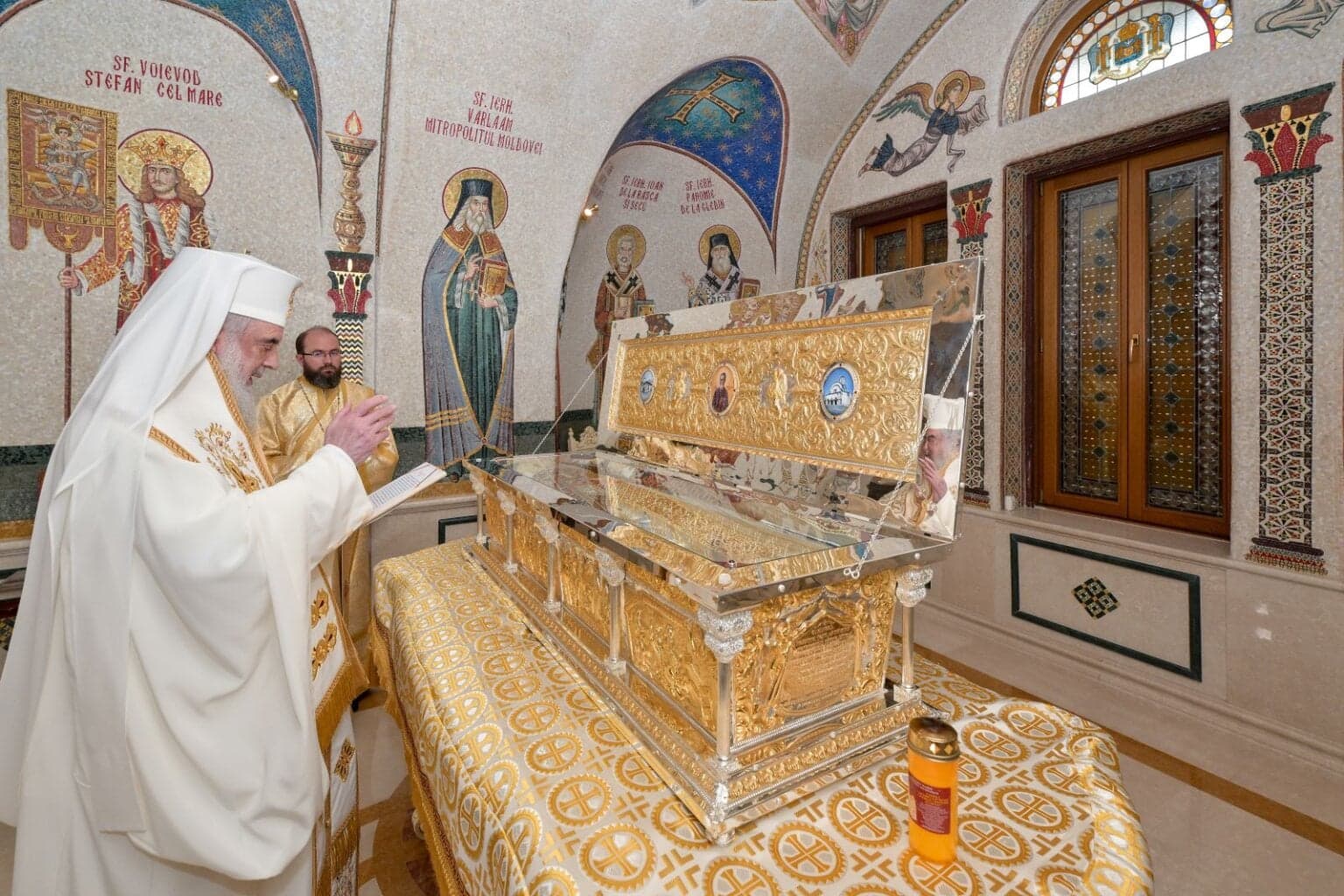
Patriarch Teoctist is buried inside the Patriarchal Cathedral in Bucharest.
In February, the Holy Synod of the Romanian Orthodox Church designated 2027 as the Commemorative Year of Patriarchs Justinian Marina and Teoctist Arăpașu in the Romanian Patriarchate.
Reflecting on the 15th anniversary of Patriarch Teoctist’s repose in 2022, Patriarch Daniel said his predecessor had shepherded the Church “through a time of communist restrictions and turbulent freedom”, in a missionary context that demanded “great vigilance and self-sacrifice.”
Photo: Patriarhia.ro