The Romanian Orthodox Church held its inaugural National Church Assembly meeting in Bucharest on Wednesday, establishing the body that will serve as one of the Church’s central deliberative authorities for the 2026–2030 term.
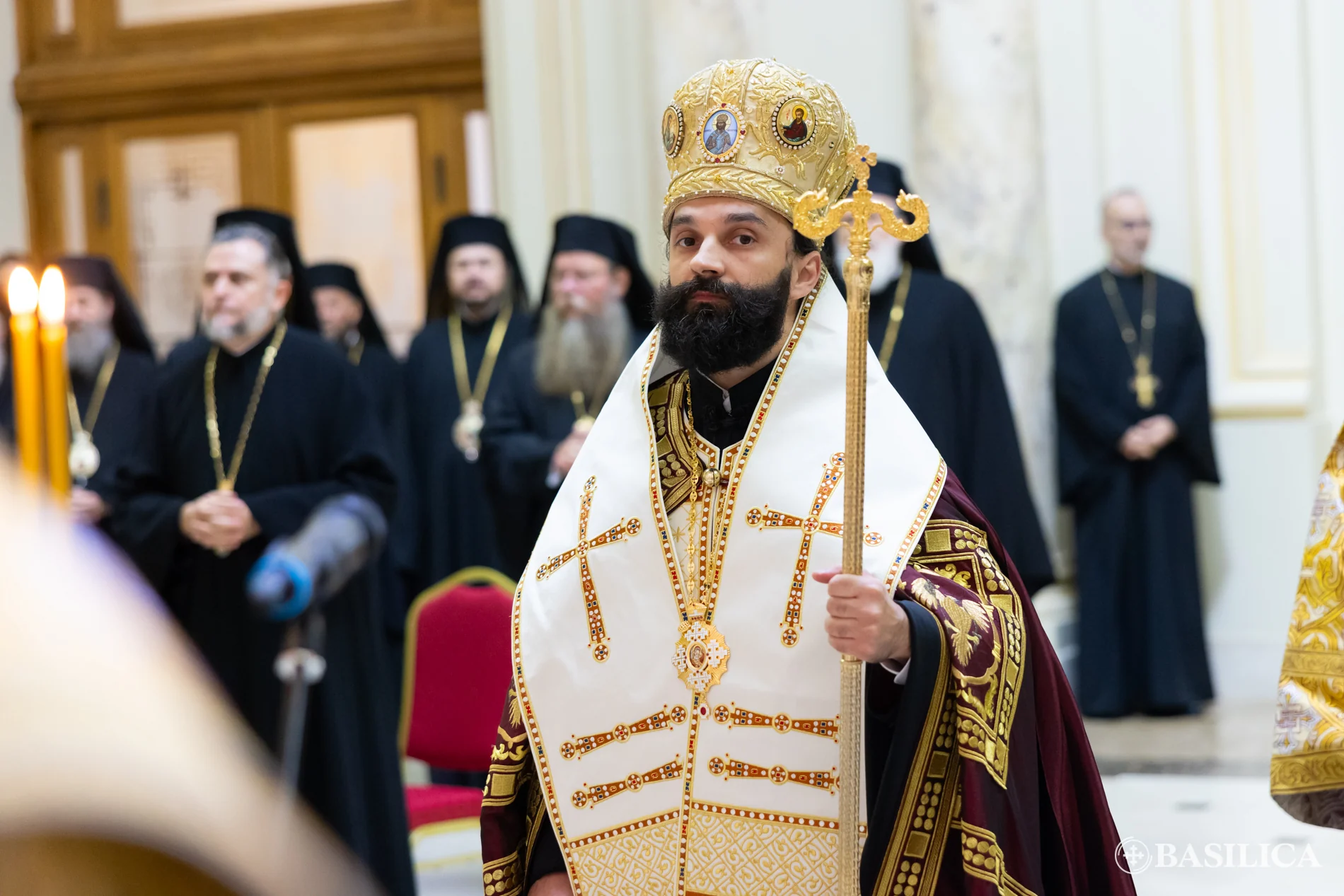
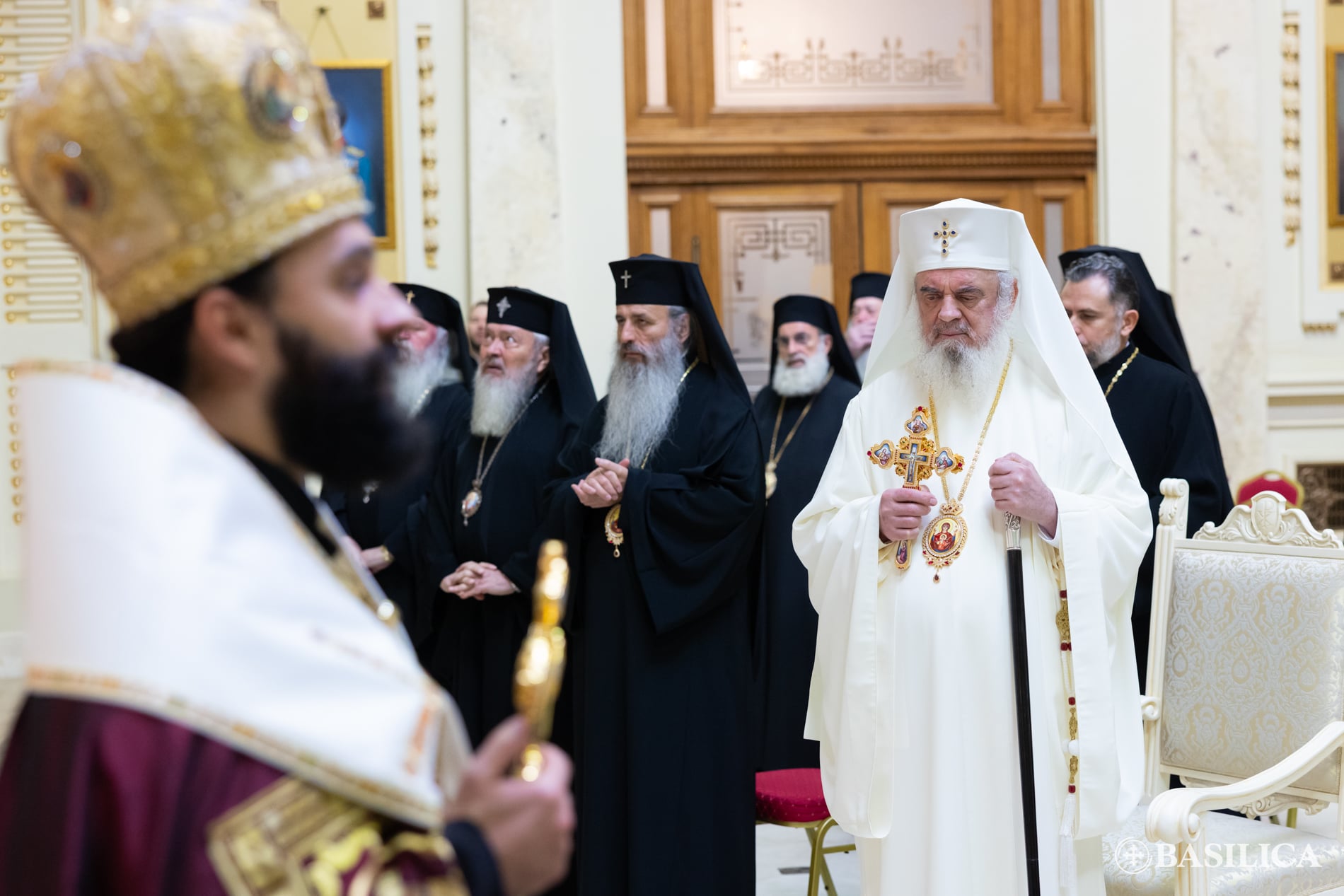
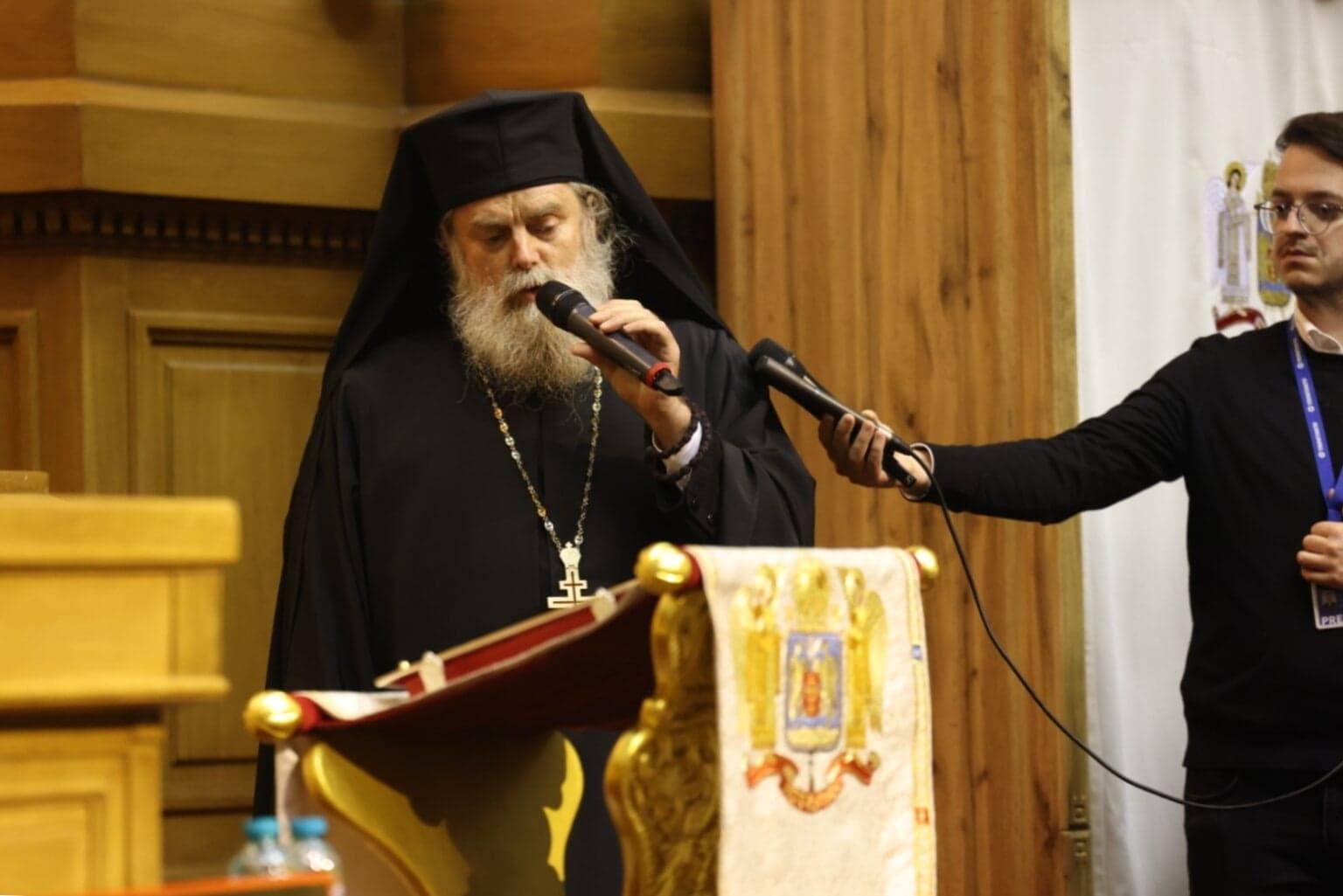
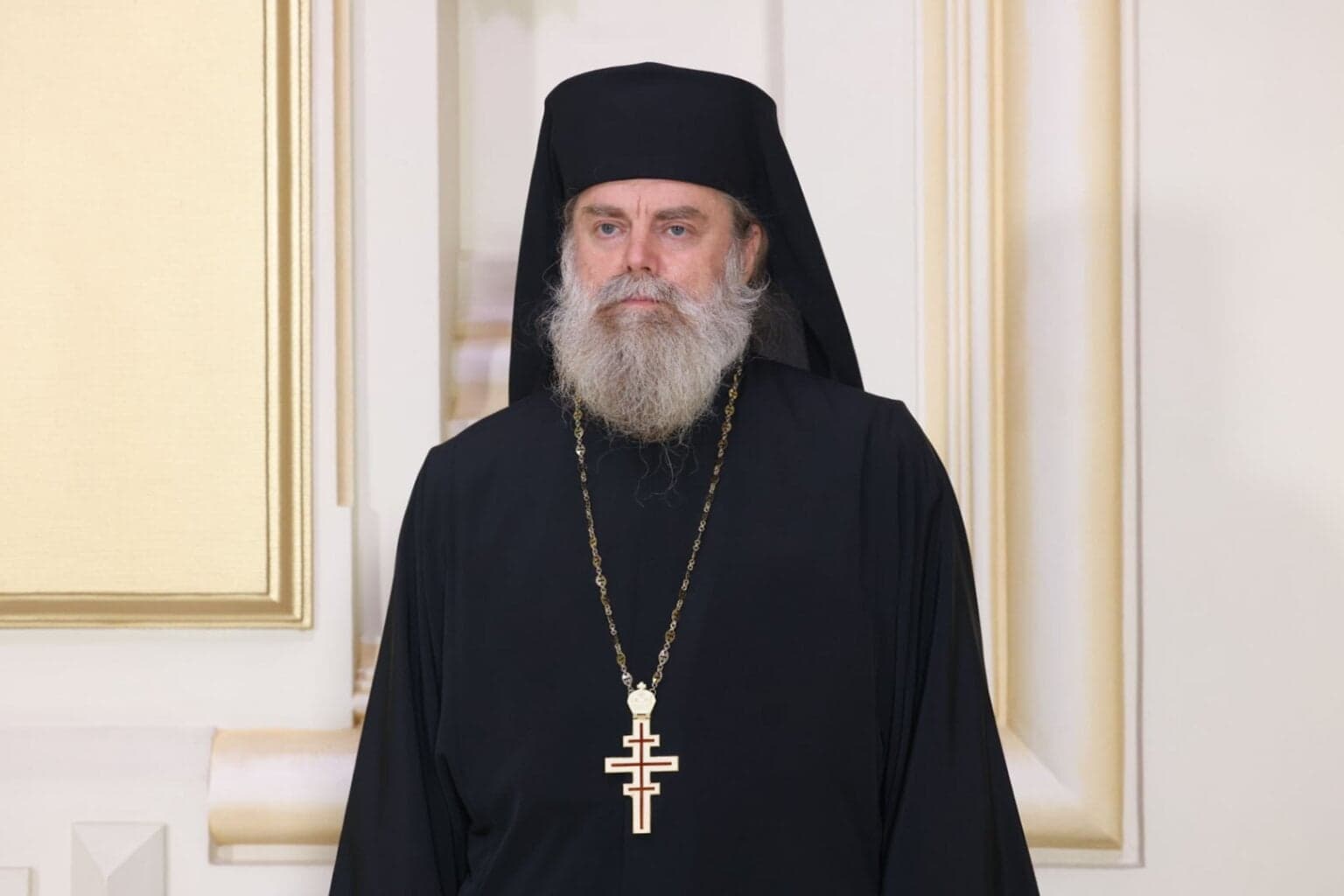
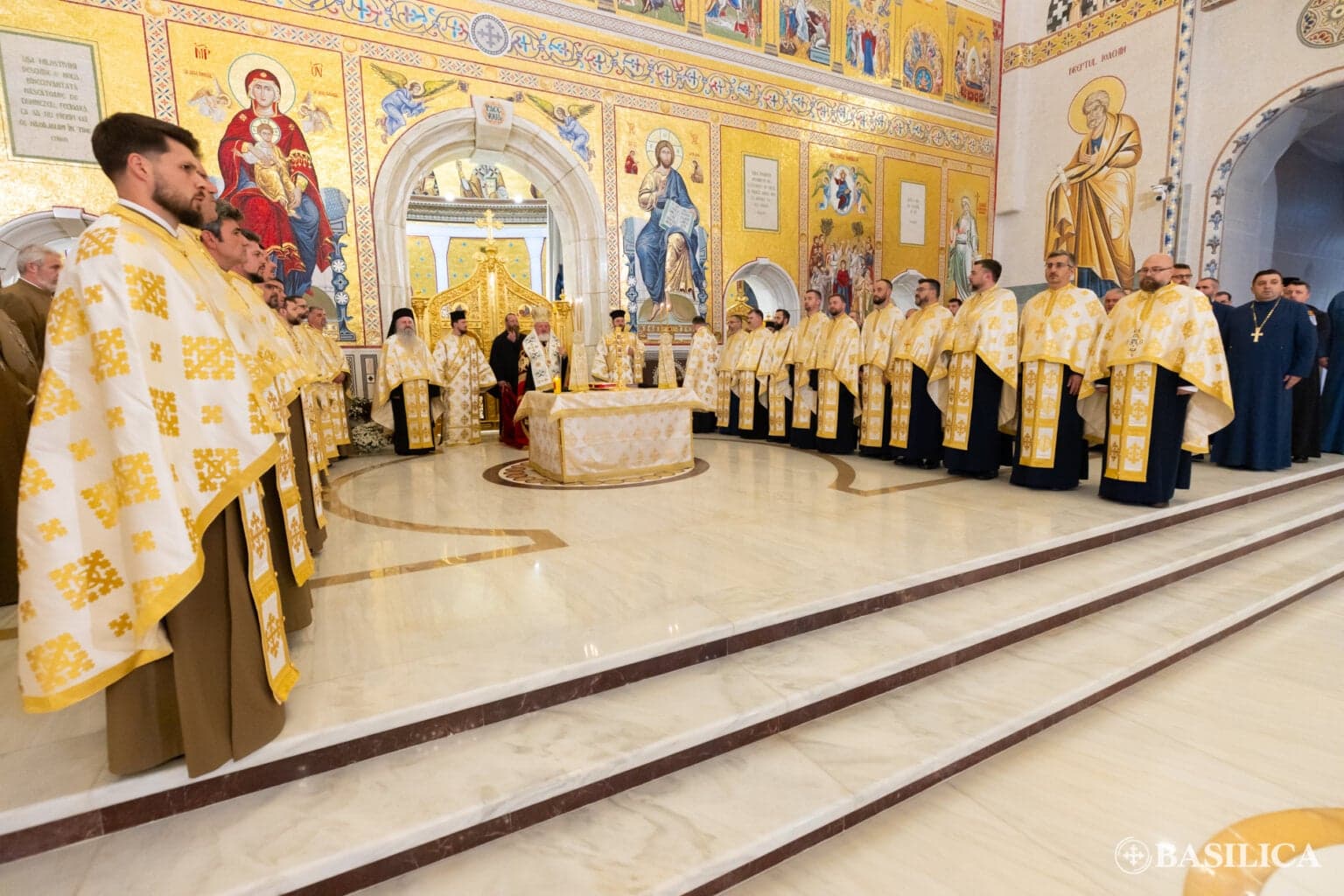
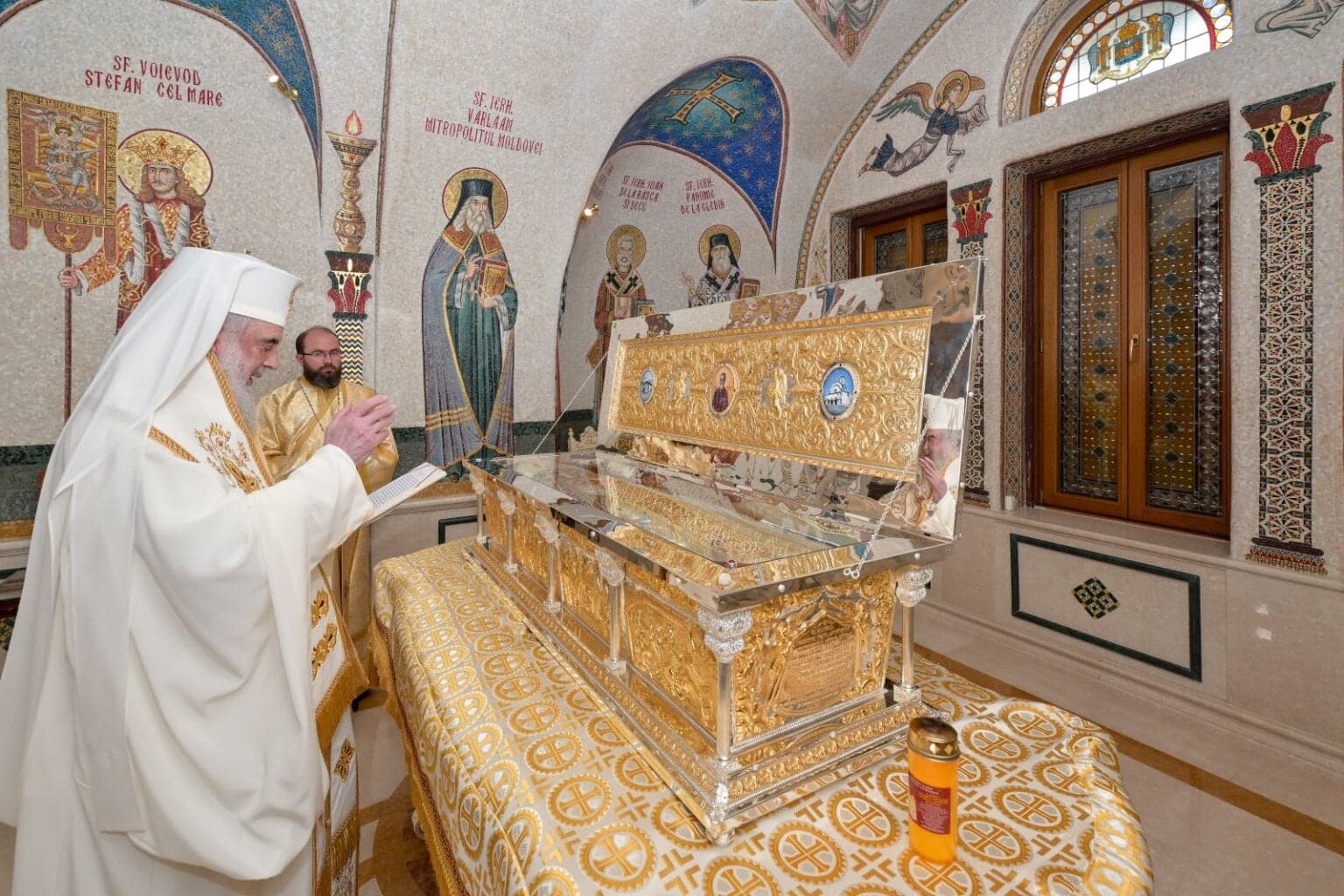
His Grace Bishop Iachint of the Pacific, Assistant Bishop of the Romanian Orthodox Diocese of Australia and New Zealand, led a Te Deum service in the Europa Christiana Hall of the Palace of the Patriarchate.
Romanian Orthodox hierarchs attended the service in person, while members of the National Church Assembly followed the prayers via a video projection in the Patriarch Teoctist Aula Magna.
Patriarch Daniel reflects on the day’s saints
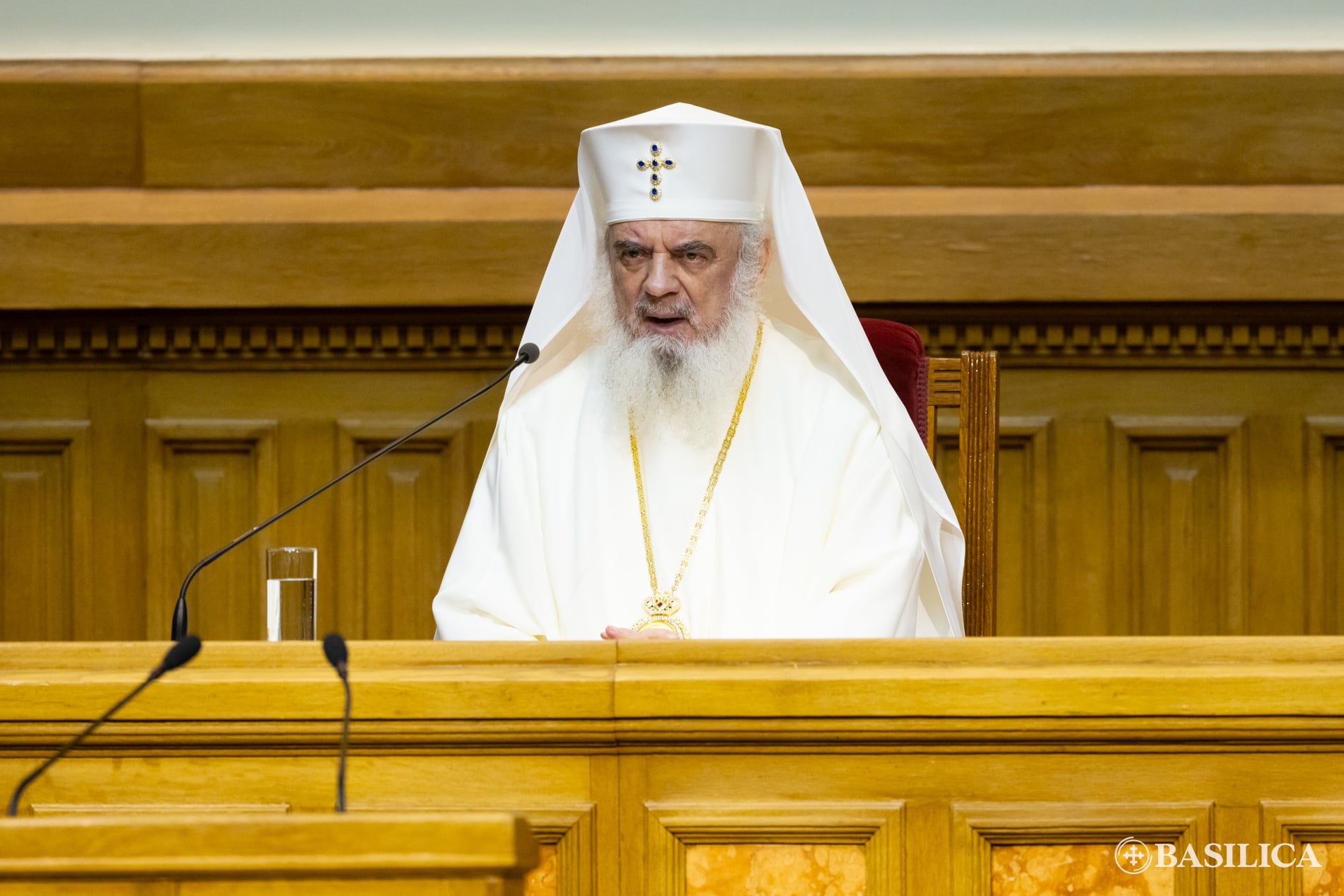
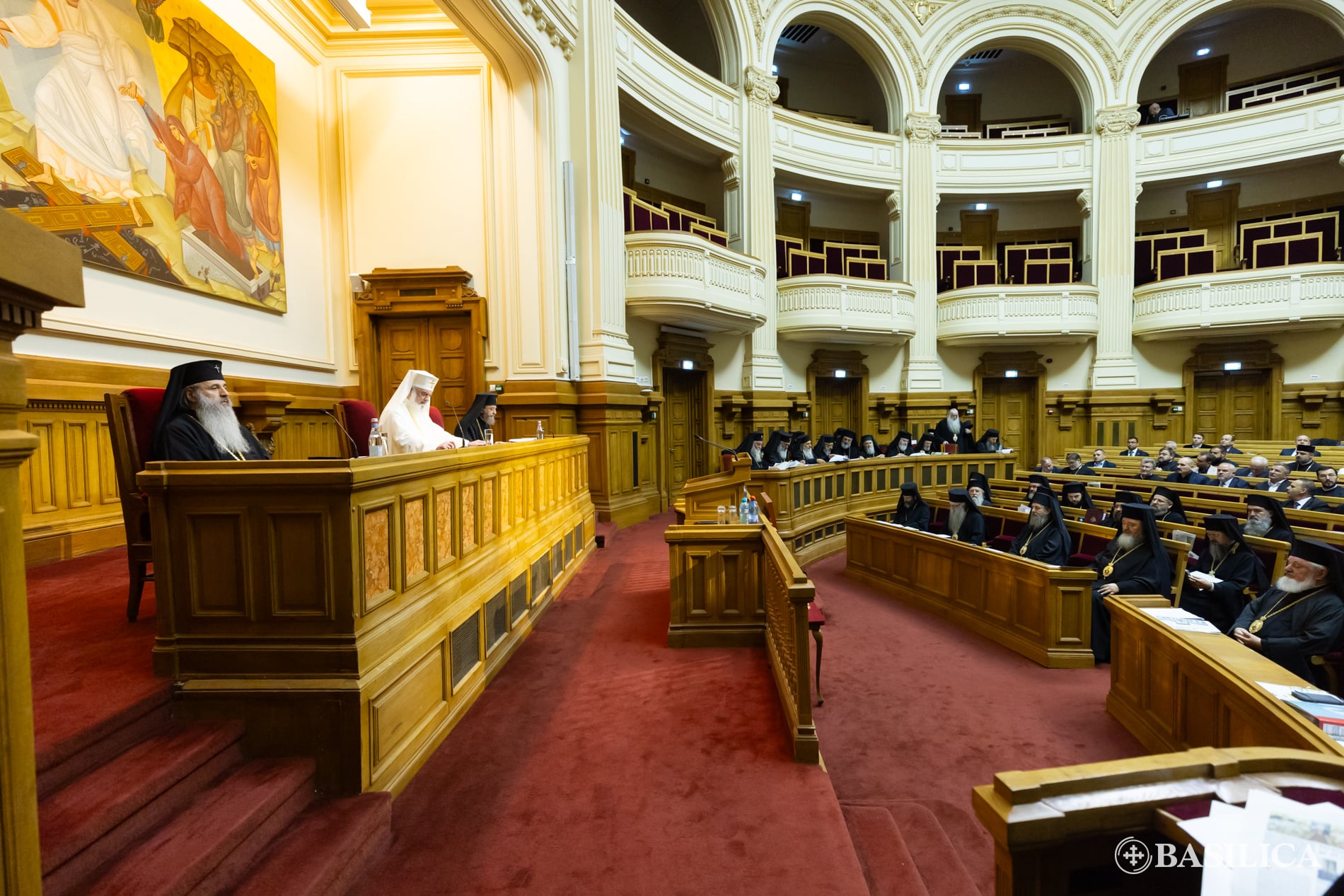
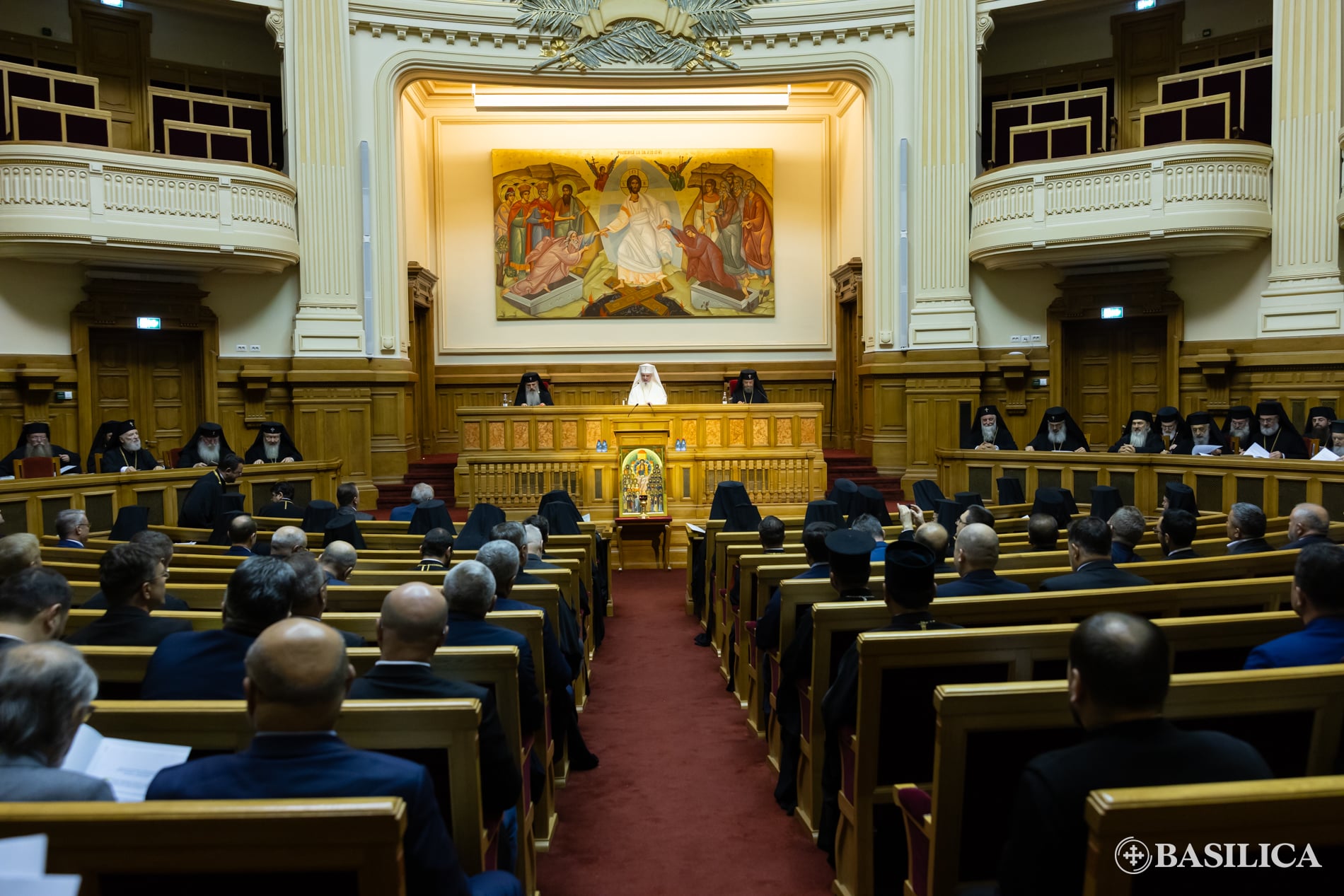
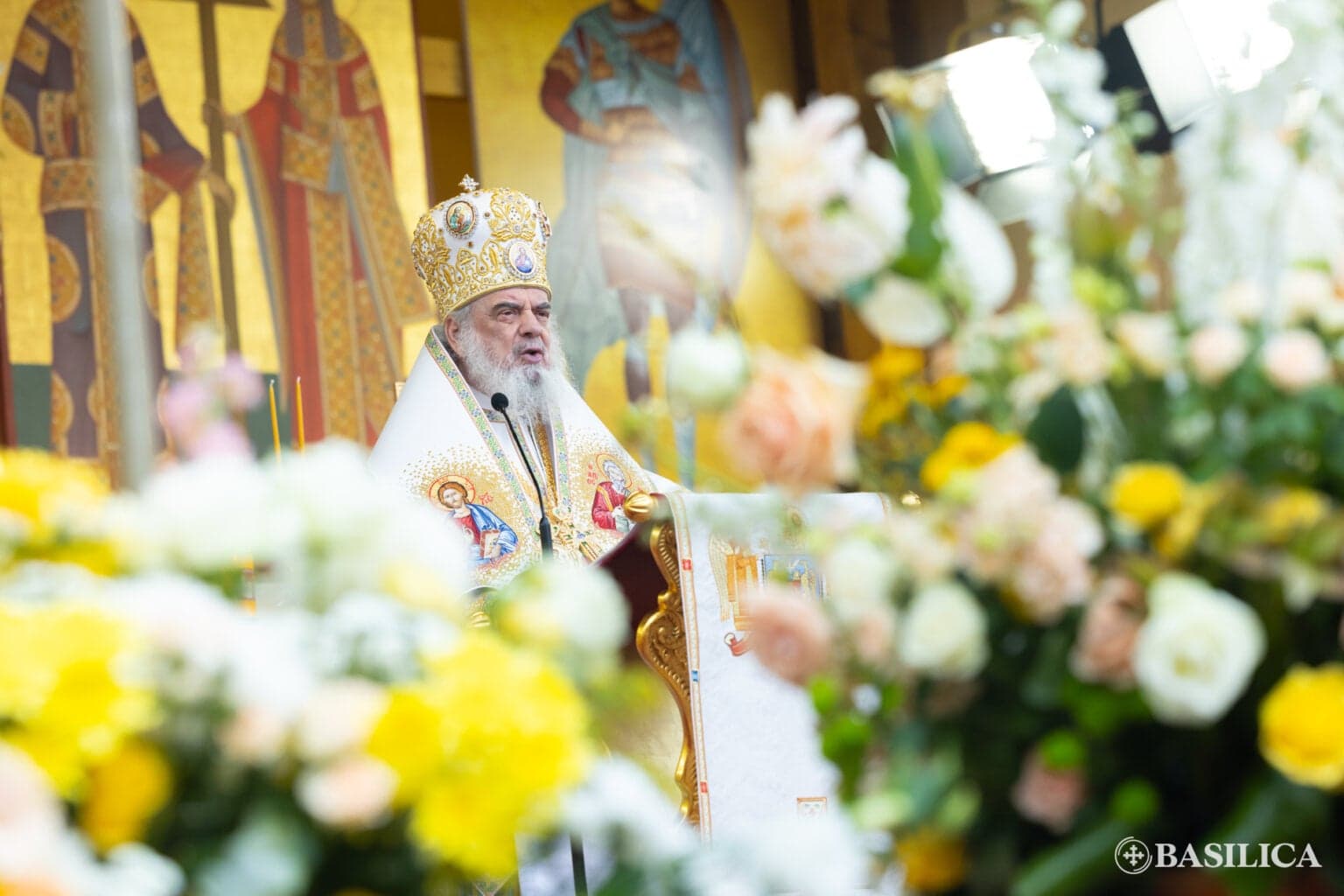
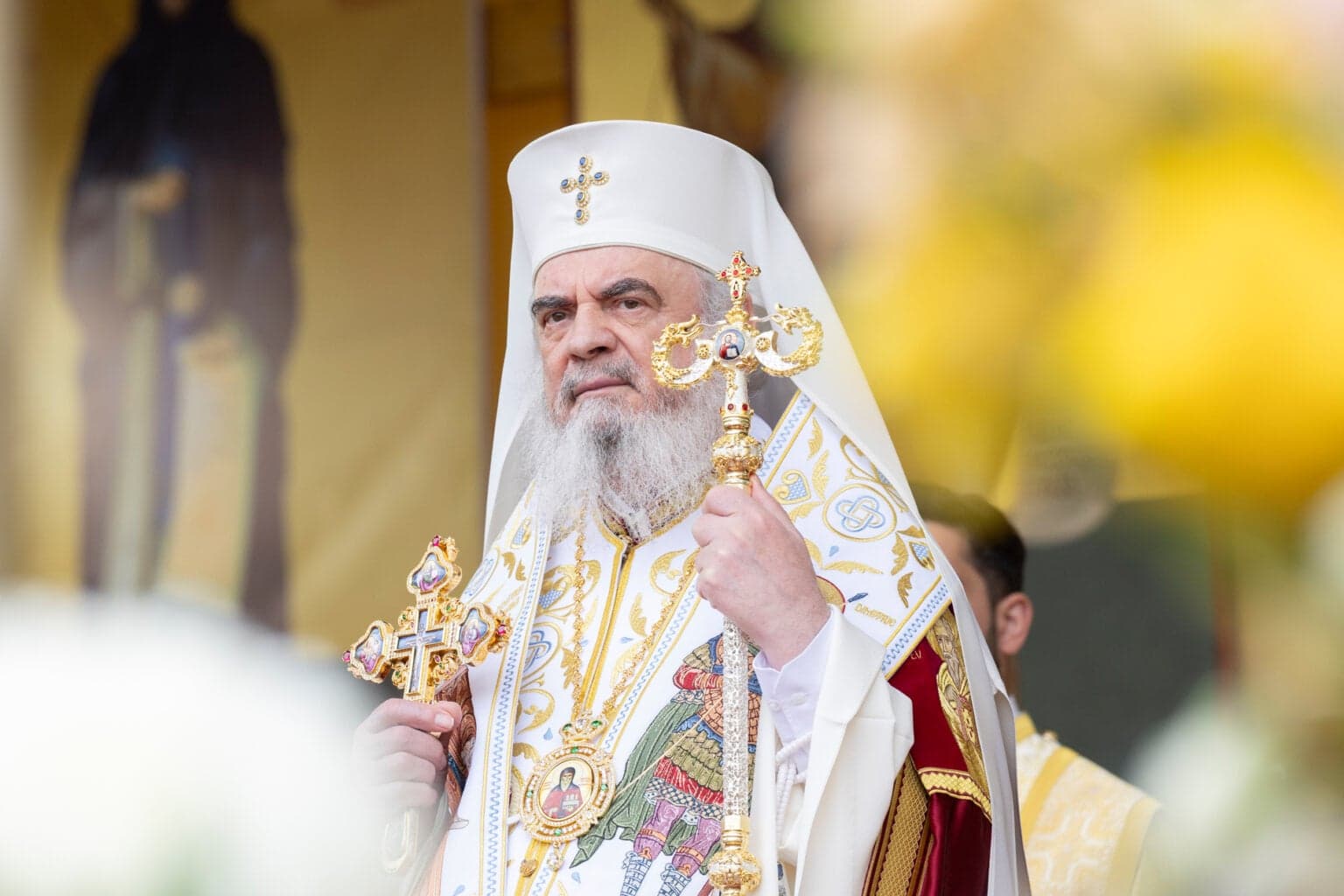
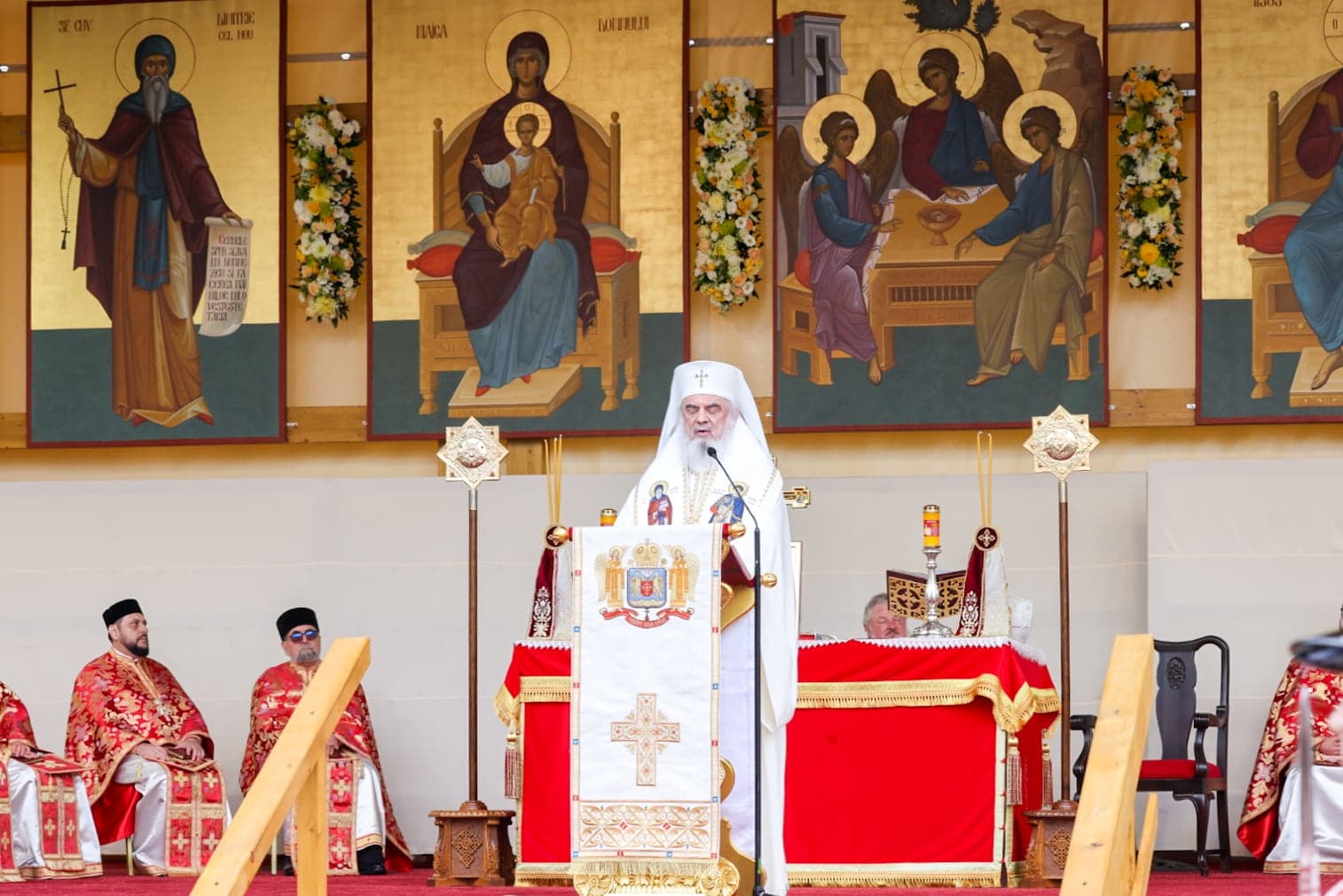
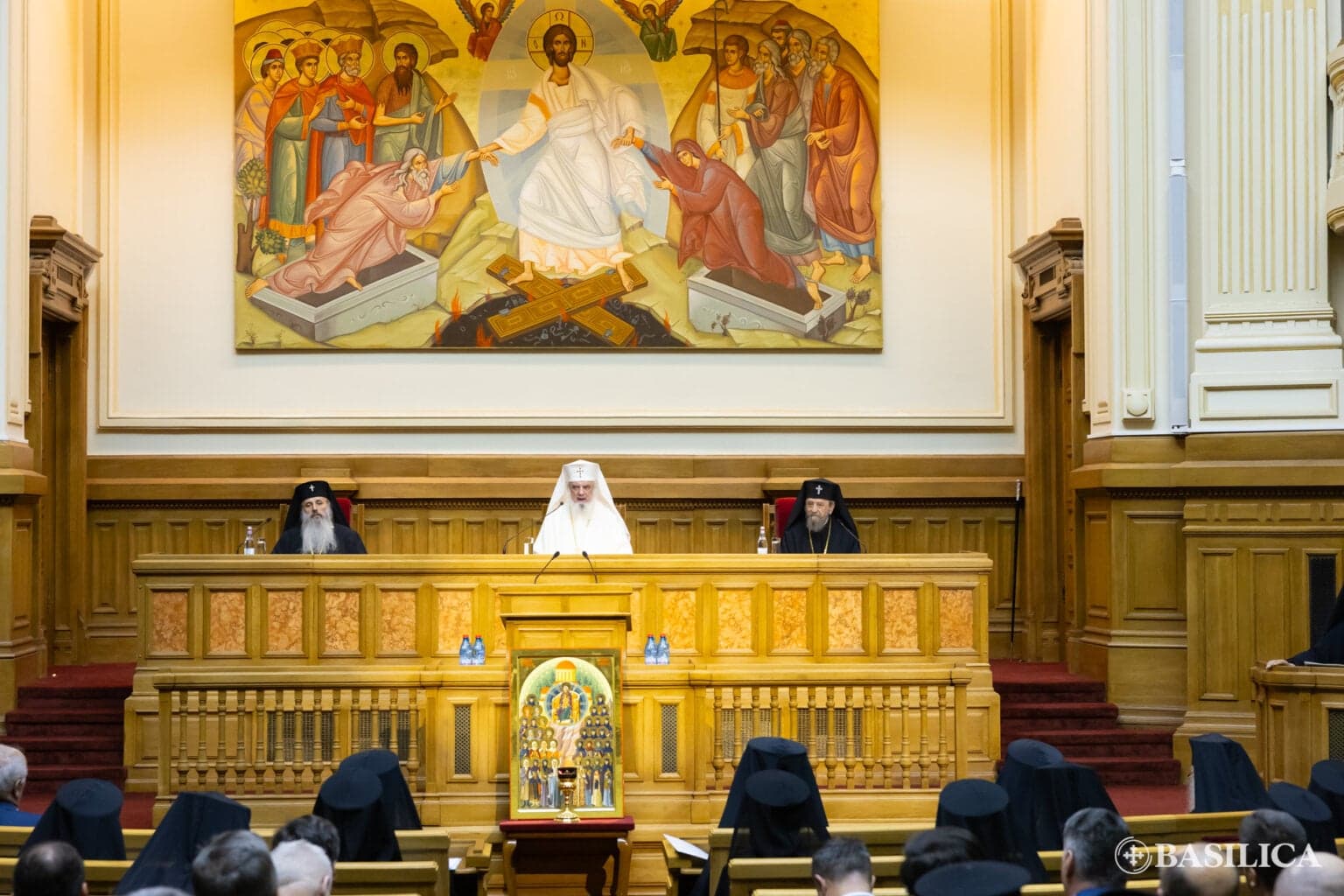
His Beatitude Patriarch Daniel then opened the inaugural meeting of the National Church Assembly in the Aula Magna, in the presence of Romanian Orthodox hierarchs.
“We have offered a common Te Deum today, as could be heard in the prayers that were read. It is very important that we carry out every work in the Church in this spirit of communion in the grace of the Most Holy Trinity,” Patriarch Daniel said.
His Beatitude went on to deliver a spiritual address about the saints commemorated that day and the historical period in which they lived.
“We commemorate two great saints who intercede in heaven, St Hyacinth of Vicina and St Theophano Basarab. We pray that they will bless the proceedings establishing the National Church Assembly and the work of the Holy Synod,” Patriarch Daniel said.
He recalled that St Hyacinth established the Metropolis of Wallachia during the 14th-century hesychast movement, which also included members of Wallachia’s ruling family.
“Metropolitan Hyacinth of Vicina was a hesychast, and the children of Prince Basarab I, especially St Theodora, who later became the nun Theophano, were devoted to prayer,” Patriarch Daniel explained.
“This shows us that the Romanian people have a vocation for hesychasm, which would manifest itself to varying degrees throughout history, in different periods, up to the 18th century, when Neamț Monastery had more than 1,000 monks from several countries, most of them predominantly Orthodox.”
Romanian Orthodox Christians’ important role in worldwide Orthodoxy
“As the French theologian Olivier Clément states in the preface to the French edition of the Philokalia, it was precisely during this period of extensive secularisation of minds and hearts in Western Europe that the Holy Fathers, in the 18th century, rediscovered the importance of the Philokalic writings,” Patriarch Daniel emphasised.
His Beatitude recalled the Paisian movement, which Romanian monks supported in spreading the Slavonic translation of the Philokalia.
He also highlighted the scholarly and spiritual work of St Dumitru Stăniloae the Confessor, who interpreted the Philokalia for contemporary readers.
These developments, Patriarch Daniel explained, demonstrate that Romanian Orthodox Christians have played an important role in preserving and promoting the spiritual heritage of worldwide Orthodoxy.
What is the National Church Assembly?
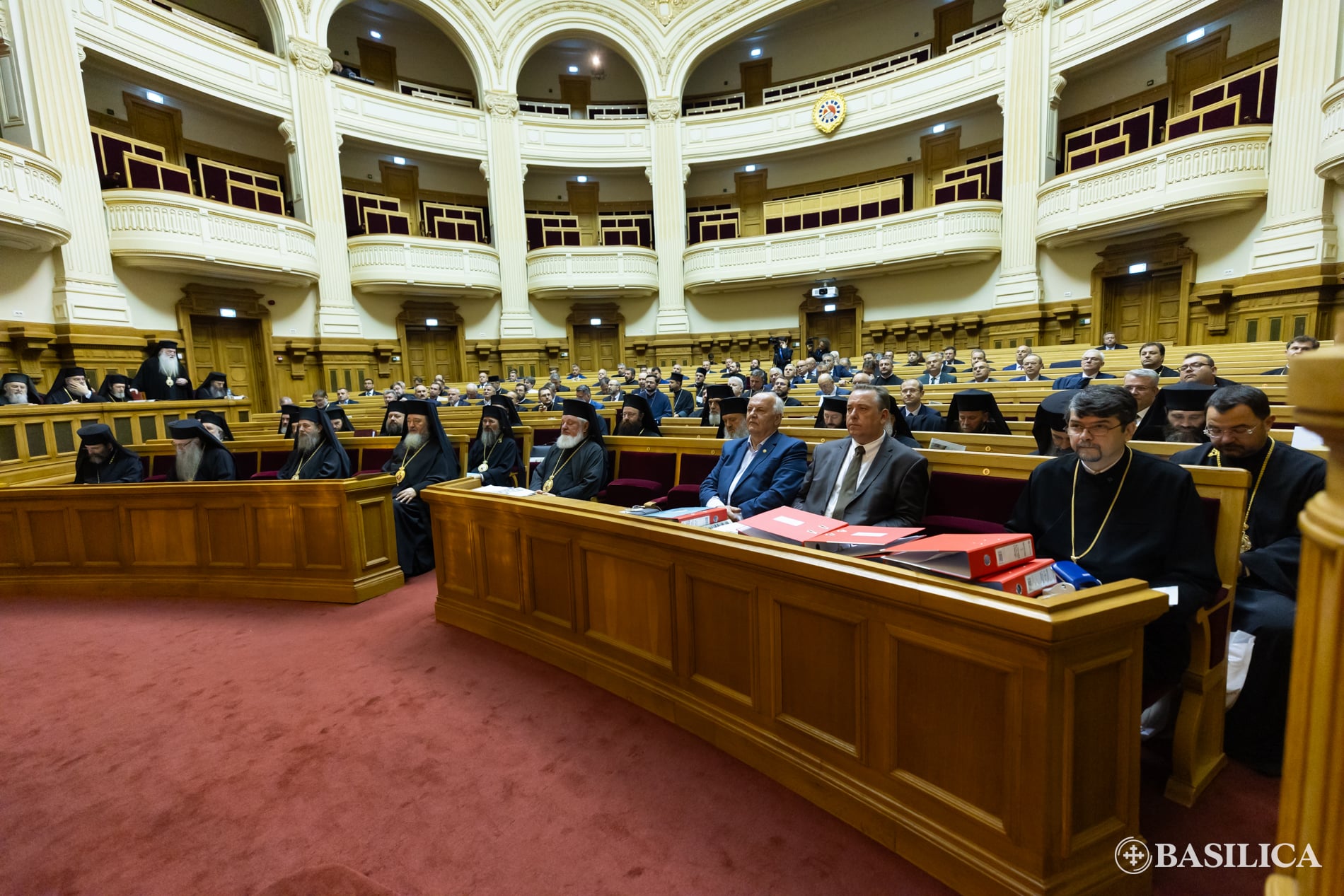
The National Church Assembly is a central deliberative body of the Romanian Orthodox Church responsible for administrative, social, cultural, economic and property-related matters.
It consists of three representatives from each diocese — one cleric and two laypeople — delegated by their respective Diocesan Assemblies for four-year terms.
Representatives may serve a maximum of two terms.
The President of the National Church Assembly is the Patriarch of Romania. Members of the Holy Synod also participate in its proceedings.
The Church’s other central deliberative bodies are the Holy Synod and the Permanent Synod.