The Holy Synod of the Romanian Orthodox Church announced that 2027 has been designated a Commemorative Year in honour of the Patriarchs Justinian Marina (1948–1977) and Teoctist Arăpașu (1986–2007).
The decision was approved on the eve of the 111th anniversary of the late Patriarch Teoctist’s birth.
The two Primates led the Romanian Orthodox Church during particularly difficult periods – at the beginning and, respectively, at the end of the communist regime, as well as during the transition period leading up to Romania’s accession to the European Union.
Patriarch Justinian Marina (1901-1977)
Patriarch Justinian Marina was born on February 22, 1901, in the village of Suești, Vâlcea County, to a family of hardworking peasants, and was baptised Ioan. He worked as a schoolteacher and priest in several localities in Vâlcea County and served at the Episcopal Cathedral of Râmnicu Vâlcea.
After becoming a widower in July 1945, he was elected auxiliary bishop of the Archdiocese of Iași, with the title “of Vaslui,” and, between August and September 1947, he served as locum tenens of the Metropolitan See of Iași.
In 1947, he became Archbishop of Iași and Metropolitan of Moldavia and Suceava, and in 1948, he was elected Archbishop of Bucharest, Metropolitan of Ungrovlahia and Patriarch of the Romanian Orthodox Church.

He initiated the canonisation of several Romanian saints and promoted the general veneration of saints whose relics are found in Romania. He reorganised theological education, organised Romanian Orthodox parishes in the diaspora and promoted relations with Eastern and Western Churches as well as with international Christian organisations.
During his patriarchate, 302 new churches were built from the ground up in Romania and around 2,300 churches were restored. He reposed on March 26, 1977, and was buried at Radu Vodă Monastery in Bucharest.
“With great courage and balance, diplomacy and perseverance, he sought to defend the Church against the systematic blows of political power, choosing the path of firm resistance, masked by a seemingly ‘favourable’ discourse towards communist leaders,” Patriarch Daniel of Romania said in a previous assessment.
“He strongly opposed the abuses and interference of the party-state in the life of the Church and its attempt to turn the Church into a powerless, merely tolerated and discredited institution with an insignificant role in society.”
Patriarch Teoctist Arăpașu (1915-2007)

Patriarch Teoctist was born on February 7, 1915, in Tocileni, Botoșani County, into a devout family, being the tenth of eleven children. At baptism, he received the name Teodor. After completing primary school in his native village, he entered the monastic community at Vorona in 1928 and later at Neamț Monastery in 1931.
Between 1940 and 1945, he studied at the Faculty of Orthodox Theology in Bucharest. After completing his undergraduate studies, he was ordained a hieromonk in Iași on March 1, 1945, and elevated to the rank of archimandrite the following year. Between 1945 and 1947, he also attended courses at the Faculty of Letters and Philosophy in Iași.
He subsequently served as grand ecclesiarch of the Metropolitan Cathedral of Iași, exarch of the monasteries of the Archdiocese of Iași (1946–1948) and administrative vicar of the same archdiocese (1948–1950).
In 1950, he was elected patriarchal auxiliary bishop with the title “of Botoșani”. During this period, he served as secretary of the Holy Synod and rector of the Theological Institute in Bucharest (1950–1954). On July 28, 1962, he was elected Bishop of Arad, and ten years later, on January 28, 1973, he became Archbishop of Craiova and Metropolitan of Oltenia.
On September 25, 1977, he was elected Archbishop of Iași and Metropolitan of Moldavia and Suceava. On November 9, 1986, he was elected Patriarch of the Romanian Orthodox Church. He reposed in the Lord on July 30, 2007, after 57 years of episcopal ministry.
With his blessing, several Romanian saints were canonised after 1990. He reorganised social assistance within the Romanian Patriarchate and supported the establishment of new Orthodox Christian associations.
After the fall of communism, he was elected an honorary member of the Romanian Academy and promoted the reintroduction of religious education in public schools.
He also promoted the establishment of new dioceses abroad – including the Metropolis of Germany, the Diocese of Hungary, the Diocese of Dacia Felix (Serbia) and the Diocese of Italy – and completed the new workshops for church objects in Popești-Leordeni, where he founded the “Sunday of All Romanian Saints” Monastery.
Between May 7 and 9, 1999, he welcomed Pope John Paul II’s visit to a predominantly Orthodox country, the first visit by a pope to such a country.
He revived the project to construct the National Cathedral and successfully secured the land on Dealul Arsenalului in Bucharest.
“The experience of prayer was for him a source of spiritual strength, courage and wisdom, kindness and forgiveness, dialogue and cooperation, both in times of hardship and suffering and in times of new hopes and multiple achievements,” Patriarch Daniel said about Patriarch Teoctist.
About the commemorative and solemn years
In 2027, there will be an opportunity to recall and honour the deeds of the two patriarchs. At the same time, 2027 has also been designated by the Romanian Patriarchate as the Solemn Year dedicated to the cooperation of the clergy and the lay faithful in the life and mission of the Church.
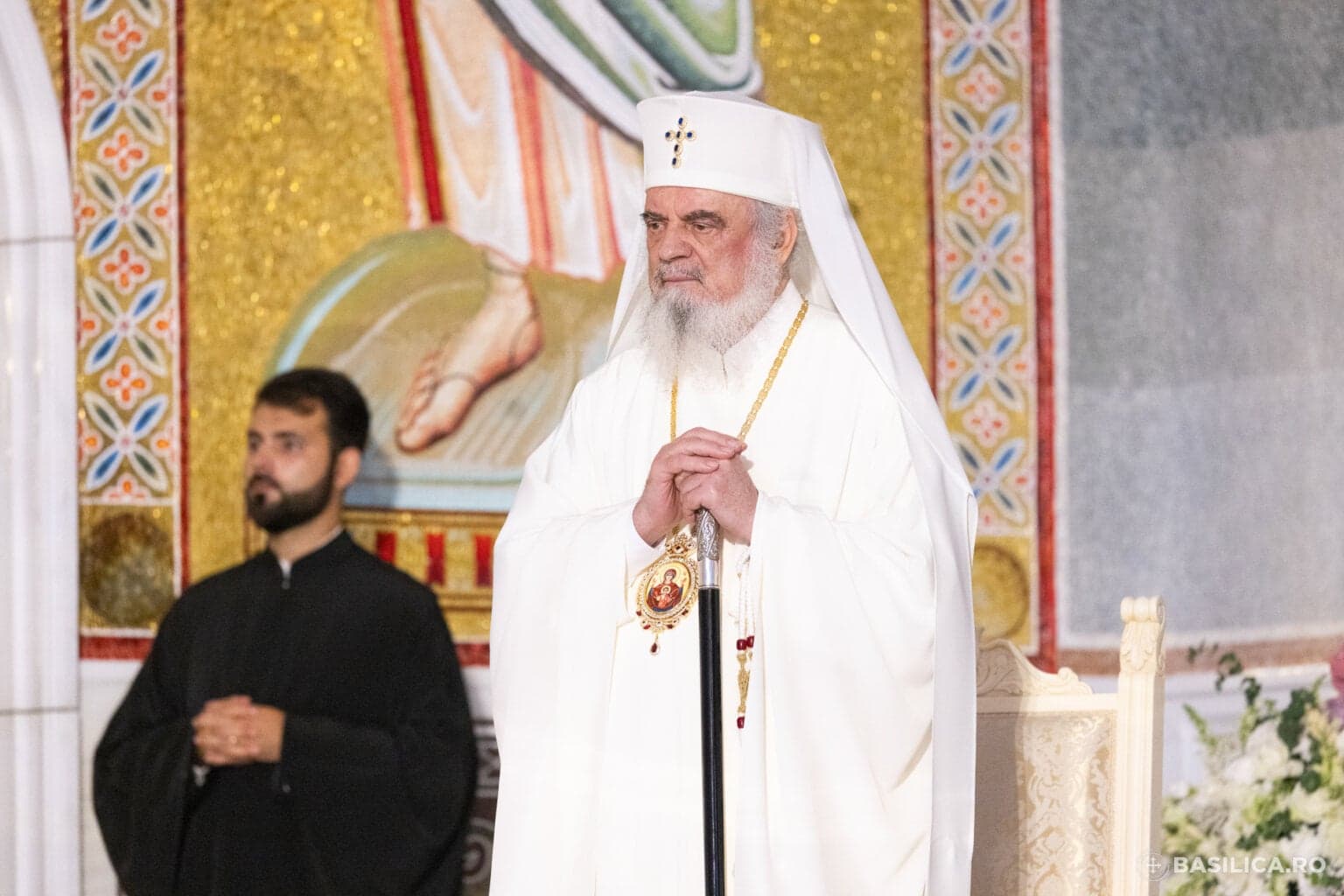
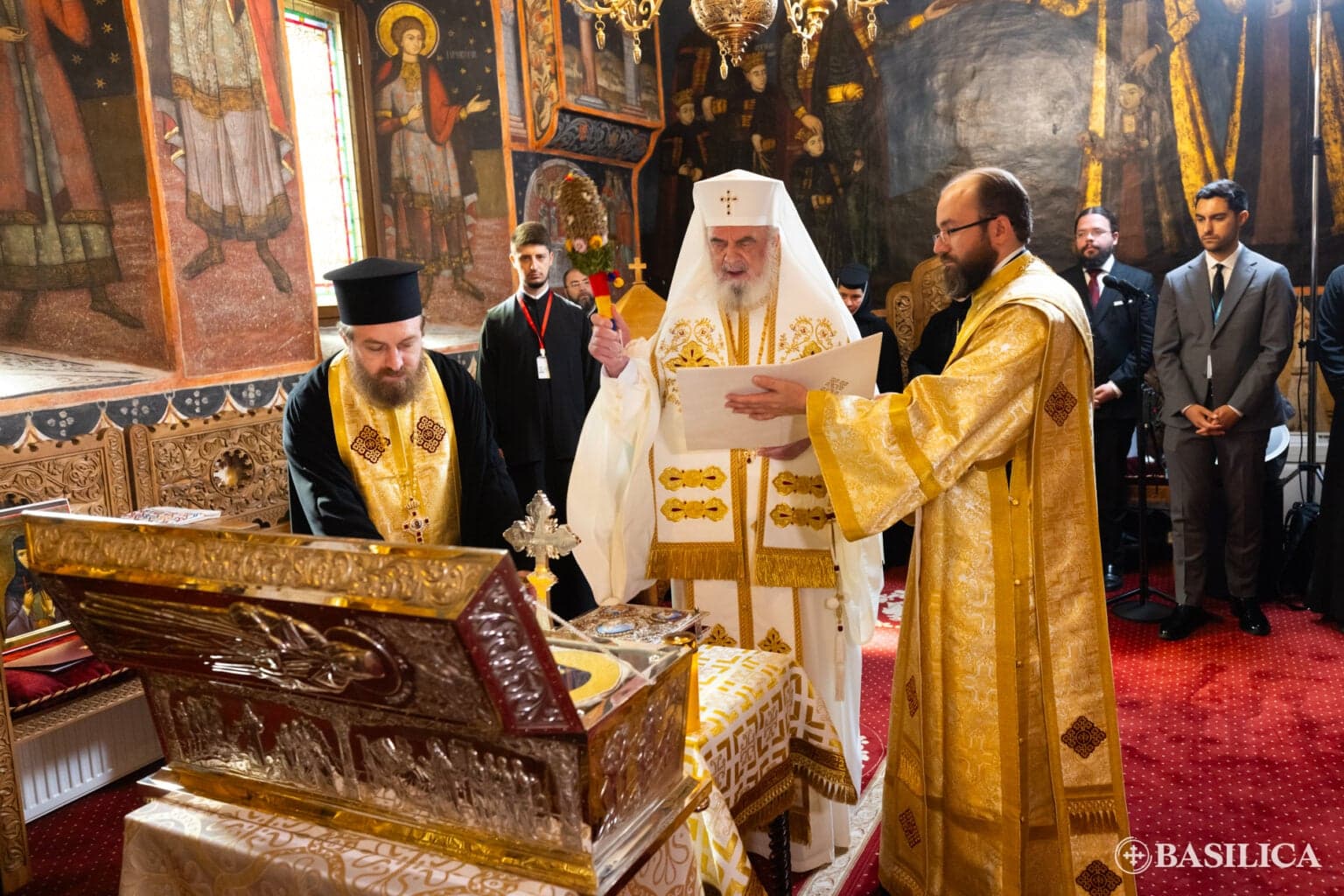
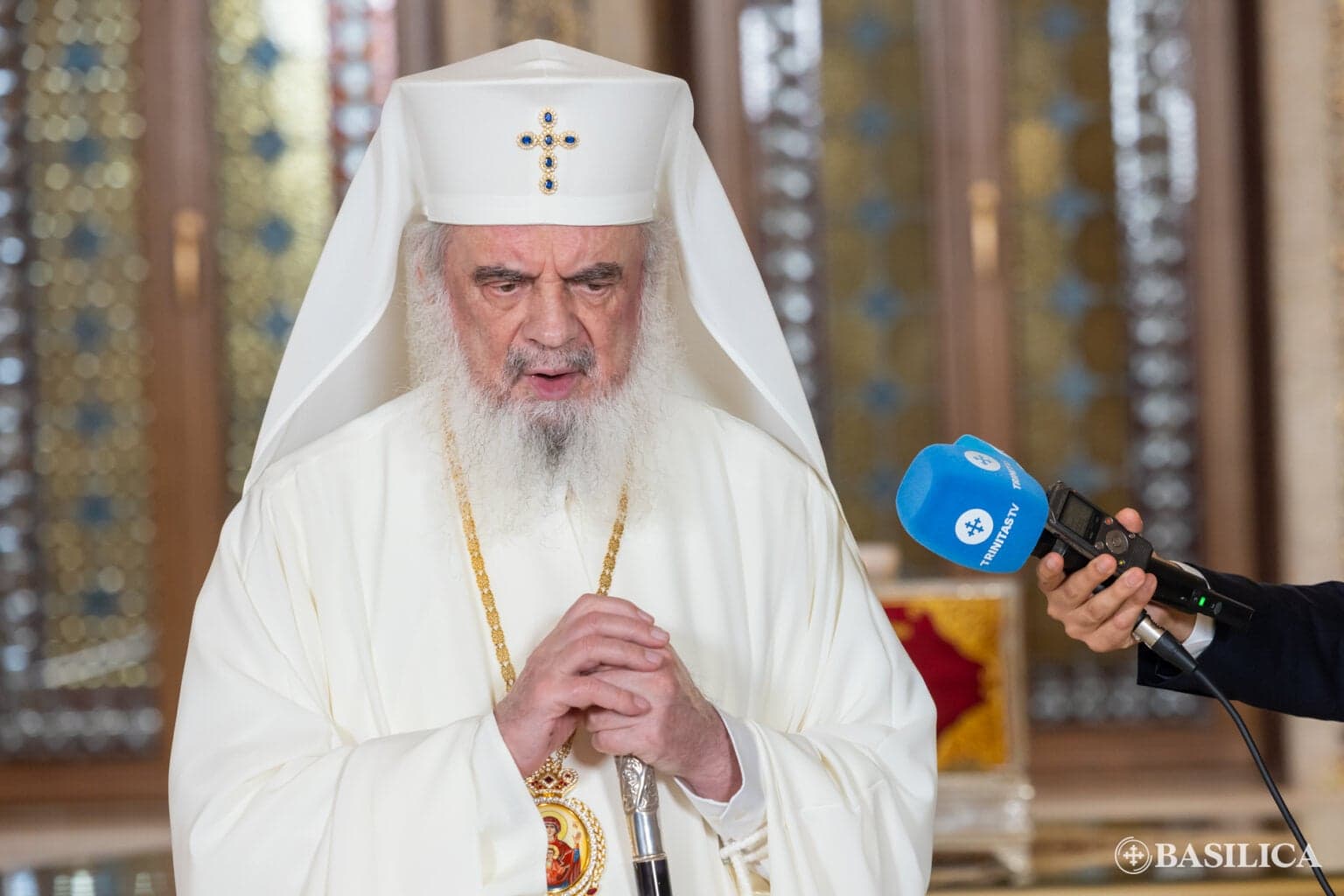
The system of commemorative and solemn years within the Romanian Patriarchate is an initiative of Patriarch Daniel, and their themes are approved by the Holy Synod.
Photo: Basilica.ro