Beginning of Church Year (of the Indiction) The first day of the Church New Year is also called the beginning of the Indiction. The term Indiction comes from a Latin word meaning, “to impose.” It was originally applied to the imposition of taxes in Egypt. The first worldwide Indiction was in 312 when the Emperor…
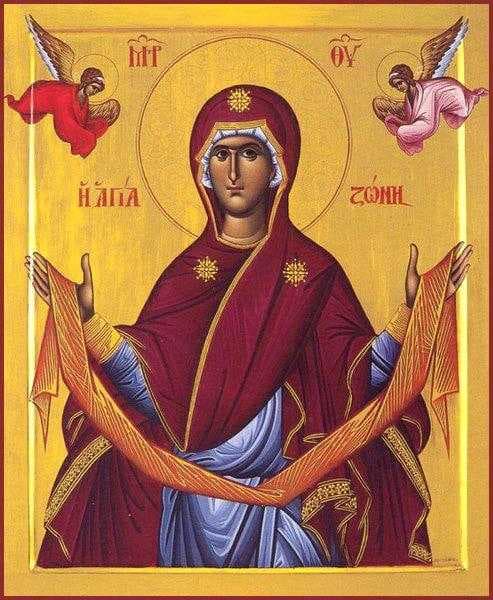
Orthodox Calendar August 31 The Placing of the Cincture (Sash) of the Most Holy Theotokos The Placing of the Cincture (Sash) of the Most Holy Theotokos in a church of Constantinople’s Chalcoprateia district took place during the reign of the emperor Theodosius the Younger. Before this the holy relic, entrusted to the Apostle Thomas by…
Orthodox Calendar August 30 Veneration of the Icon of the Mother of God of Craiova Through the providence of God and the intercessions of the Most Holy Mother of God, the icon of the Mother of God, now venerated in the church known as Madona Dudu, was glorified through miracles in the city of Craiova.…
Orthodox Calendar August 29 The Beheading of the Prophet, Forerunner of the Lord, John the Baptist: The Evangelists Matthew (Mt.14:1-12) and Mark (Mark 6:14-29) provide accounts about the martyric end of John the Baptist in the year 32 after the Birth of Christ. Following the Baptism of the Lord, Saint John the Baptist was locked…
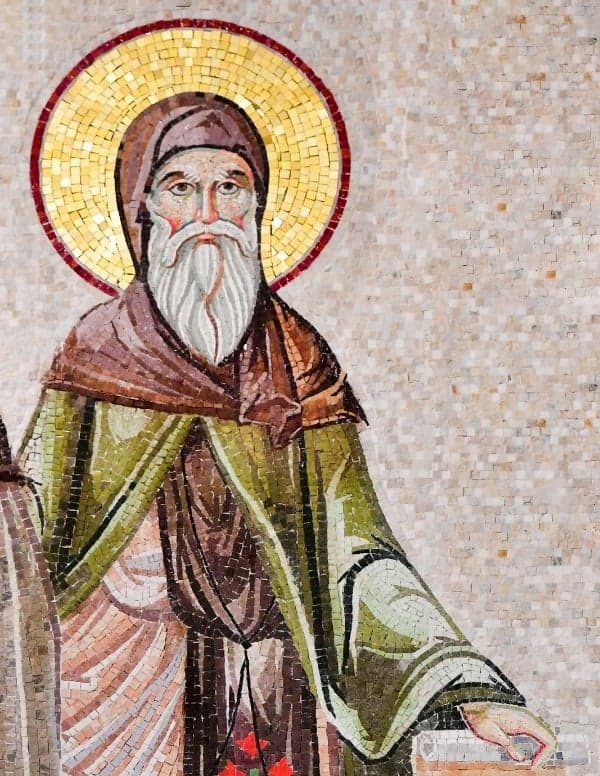
Orthodox Calendar, August 28 Saint Moses Saint Moses lived in Egypt during the fourth century. He was an Ethiopian, and since he was black of skin he was called “Murin” (meaning “like an Ethiopian”). In his youth he was the slave of an important man, but after he committed a murder, his master banished him,…
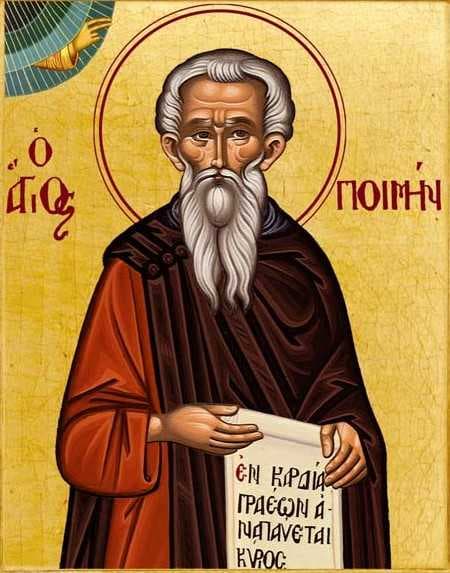
Orthodox Calendar, August 27 Saint Pimen the Great Saint Pimen the Great was born about the year 340 in Egypt. He went to one of the Egyptian monasteries with his two brothers, Anoub and Paisius, and all three received monastic tonsure. The brothers were such strict ascetics that when their mother came to the monastery…
Orthodox Calendar, August 26 Martyrs Adrian and Natalia were married in their youth for one year prior to their martyrdom, and lived in Nicomedia during the time of the emperor Maximian (305-311). The emperor promised a reward to whomever would inform on Christians to bring them to trial. Then the denunciations began, and twenty-three Christians…
Orthodox Calendar, August 25 Return of the Relics of the Apostle Bartholomew The transfer of the Relics of the Apostle Bartholomew took place at the end of the sixth century. His apostolic activity and martyr’s end are remembered by the Church on June 11. The Apostle Bartholomew suffered for Christ in Armenian Albanus (now Baku)…
Orthodox Calendar, August 24 The Hieromartyr Eutyches A disciple of the holy Apostles John the Theologian and Paul, lived from the first century into the beginning of the second century, and was from the Palestinian city of Sebastea. Although Saint Eutyches is not one of the 70 Apostles, he is called an Apostle because of…
Orthodox Calendar, August 23 Martyr Lupus He lived at the end of the third century and beginning of the fourth century and was a faithful servant of the holy Great Martyr Demetrius of Thessalonica (October 26). Being present at the death of his master, he soaked his own clothing with his blood and took a…
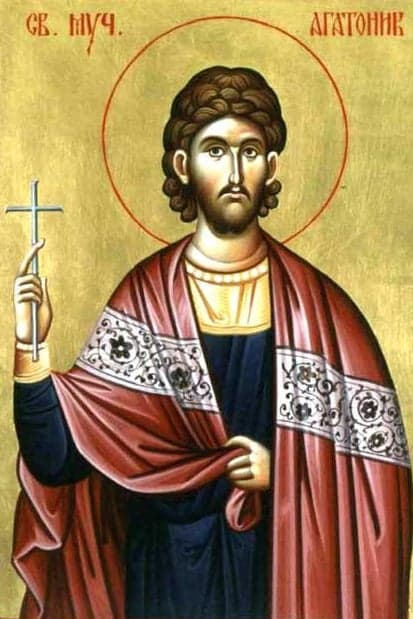
Orthodox Calendar, 22 August Martyr Agathonicus of Nicomedia He received death for Christ during the reign of the emperor Maximian (284-305). The Martyr Agathonicus was descended from the illustrious lineage of the Hypasians, and he lived at Nicomedia. Well versed in Holy Scripture, he converted many pagans to Christ, including the most eminent member of…