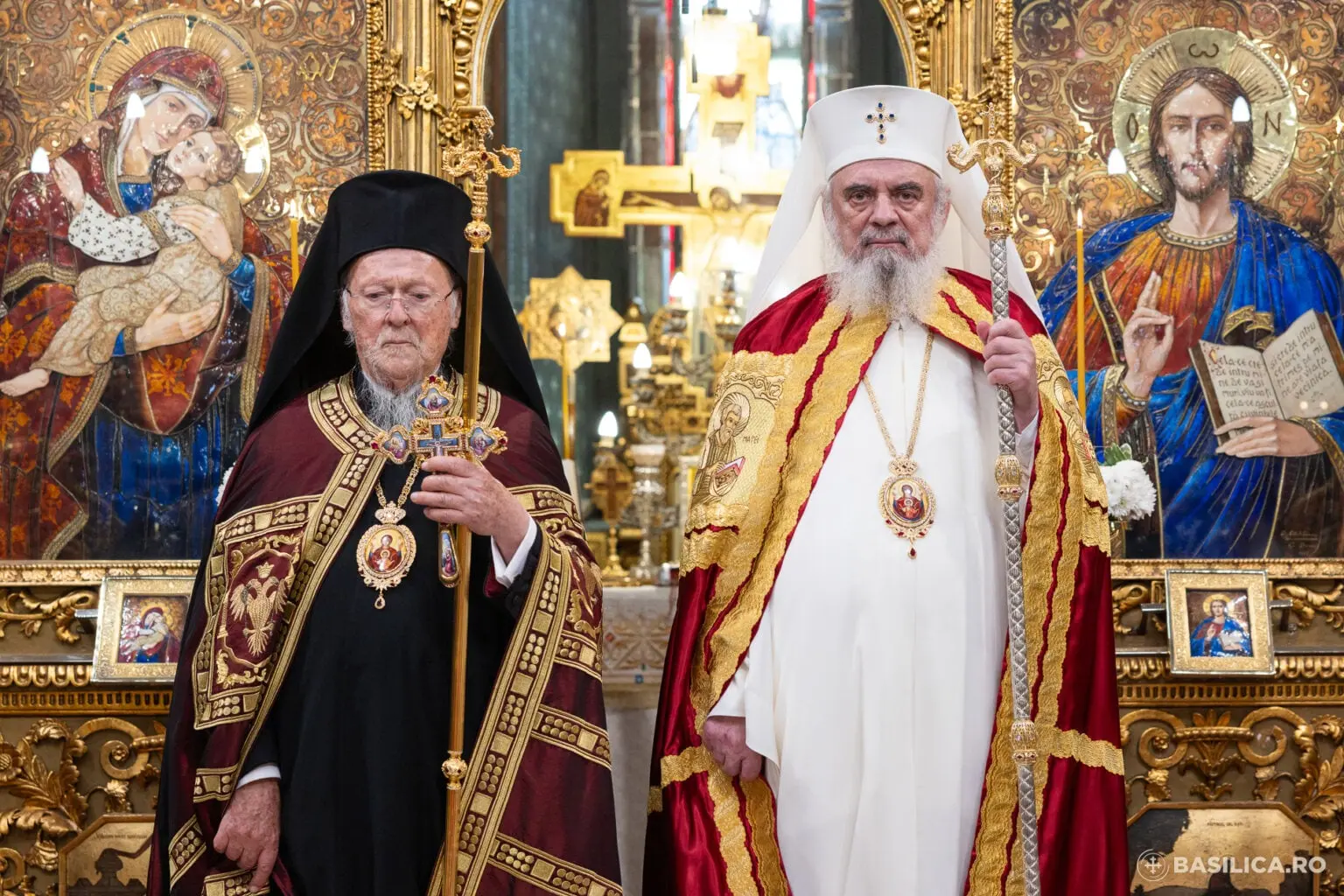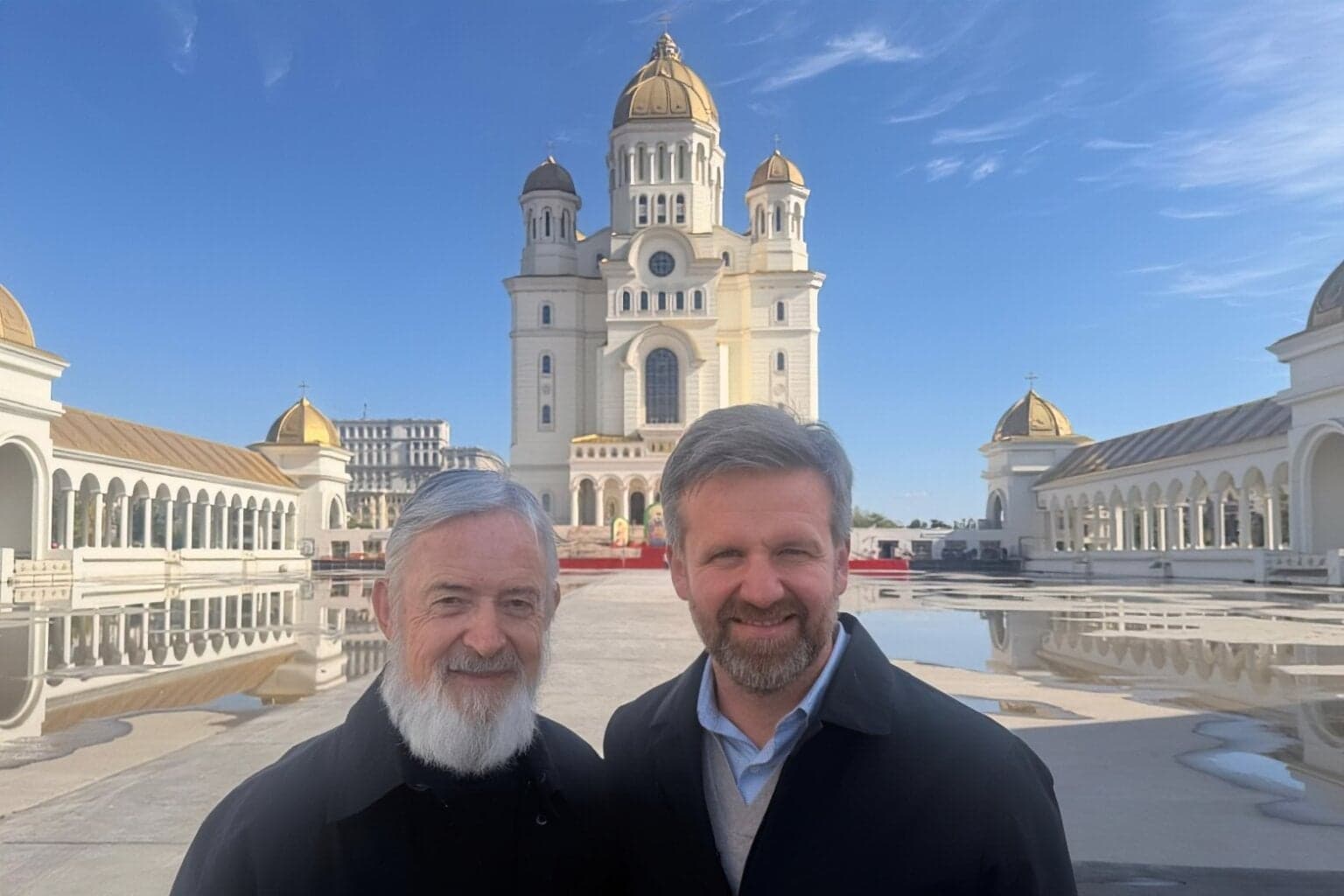
On Tuesday, Romania’s National Cathedral welcomed a special guest: Fr Michel Quenot, the author of the book “The Icon: A Window onto the Absolute” (Enciclopedica, 1993). This cathedral “is a nation’s confession of faith,” said the visitor. “History will vindicate those who conceived and carried out this project.”
Church painter Daniel Codrescu, who coordinates the mosaic painting of the National Cathedral, invited him in Romania to see the impressive place of worship directly.
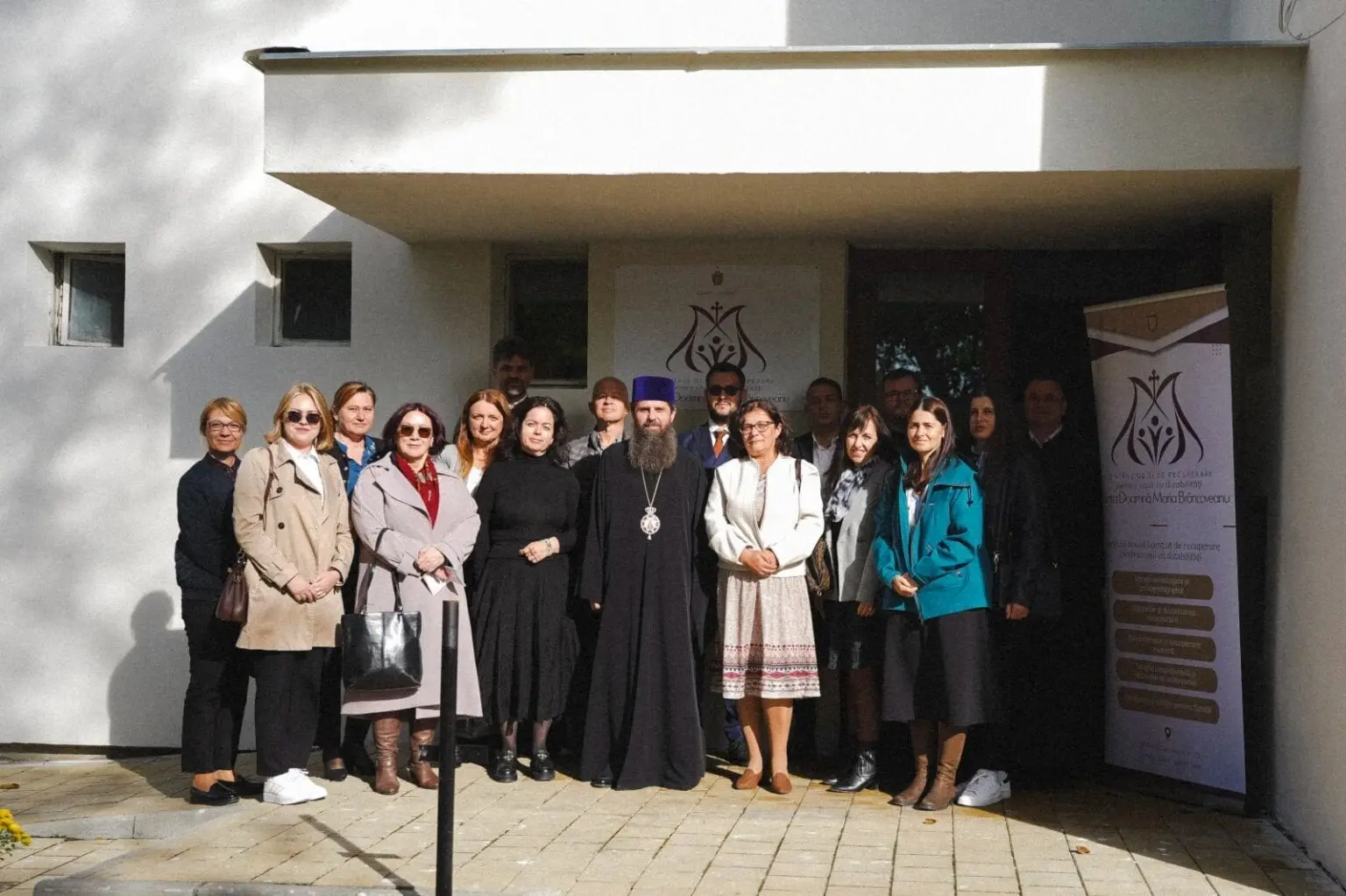
During the few days they spent in Bucharest, they also visited the ‘St Tecla’ Foundation together – which houses a church and a social centre with distinctive architecture – as well as the ‘Șerban Vodă’ Church and the ‘St Vineri’ Church in Drumul Taberei.
The Basilica News Agency gathered some ideas and thoughts from Father Michel Quenot about his visit to the National Cathedral.
About the National Cathedral as “folly for Christ”
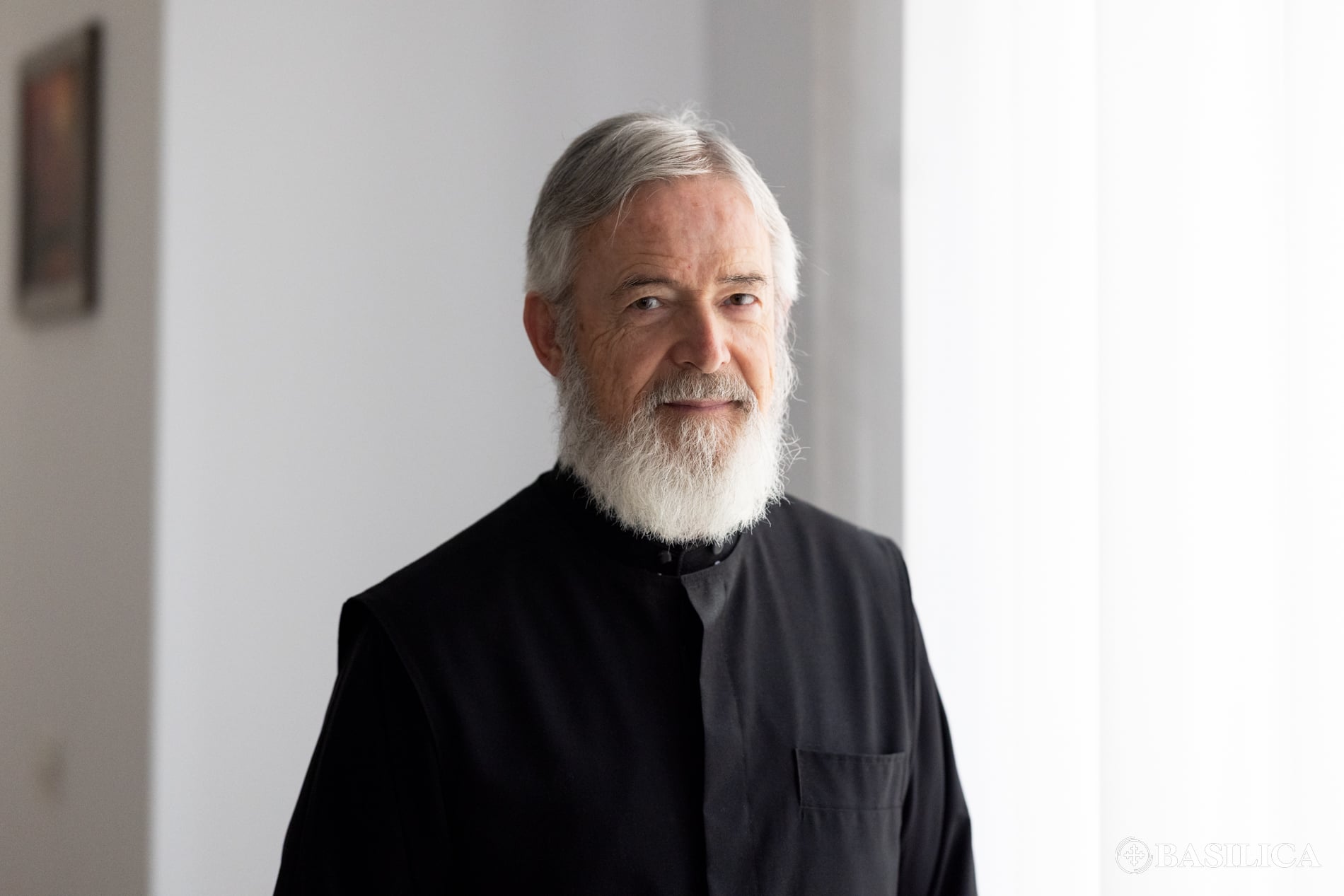
Basilica.ro: You are the author of several theological books devoted to the theology of the icon. You recently visited the National Cathedral in Bucharest. What do you think of its iconographic programme and its execution?
Fr. Michel Quenot: Perhaps we should begin by talking about the overall impression. And we are impressed. What struck me most from the very beginning, the thought that came to me straight away, was that today huge buildings are being constructed, enormous glass buildings for multinational companies, banks and so on. Huge stadiums are being built, and no expense is ever considered too great.
And here, a church is being built, a cathedral which is a nation’s confession of faith. I am not deaf, so I have also heard the criticism that this is a foolish project. I have said as much to several people who have asked me about it: Yes, its is “foolish”, since only “fools” could undertake such a work today.
And when I say ‘fools’, I mean it in a positive sense. It is positive, because it is not on the usual agenda and therefore goes beyond people’s expectations. That is why it surprises them and perhaps sometimes provokes certain reactions. But we have to take the long view.
And in the long run, I am convinced that the majority of Romanians will rejoice, will be proud of it and will regard this cathedral as truly part of their heritage. They will see it as something that represents them in certain ways, and as a place that is their homeland. In this respect, I think it is something extremely beneficial for the nation.
Yesterday, I said to someone that the pyramids have been built, the Taj Mahal has been built – in honour of a young woman, huge stadiums have been built, and Hagia Sophia has been built.
And now something has been built that has challenged people’s perceptions, but will likewise stand the test of time. It is greater than the Taj Mahal, because it is not dedicated to just one person, but to the One Who is greater than all.
Yes, as I said, such a work may initially seem a little “foolish”. But we live in an age when one has to be a little “fool” to accomplish things like this.
I am convinced, however, that, when the cathedral is completed – as there is still a great deal of work to be done – Romanians will recognise themselves in it and will take great pride in being able to say, ‘We have achieved this; we have been able to accomplish such a work today. It bears witness to the glory of God, but it is also a testimony to man on his journey towards God.’
And I believe that history will vindicate those who conceived and carried out this project. They will remain in history as people who were courageous and demonstrated profound faith.
All icons have a liturgical role
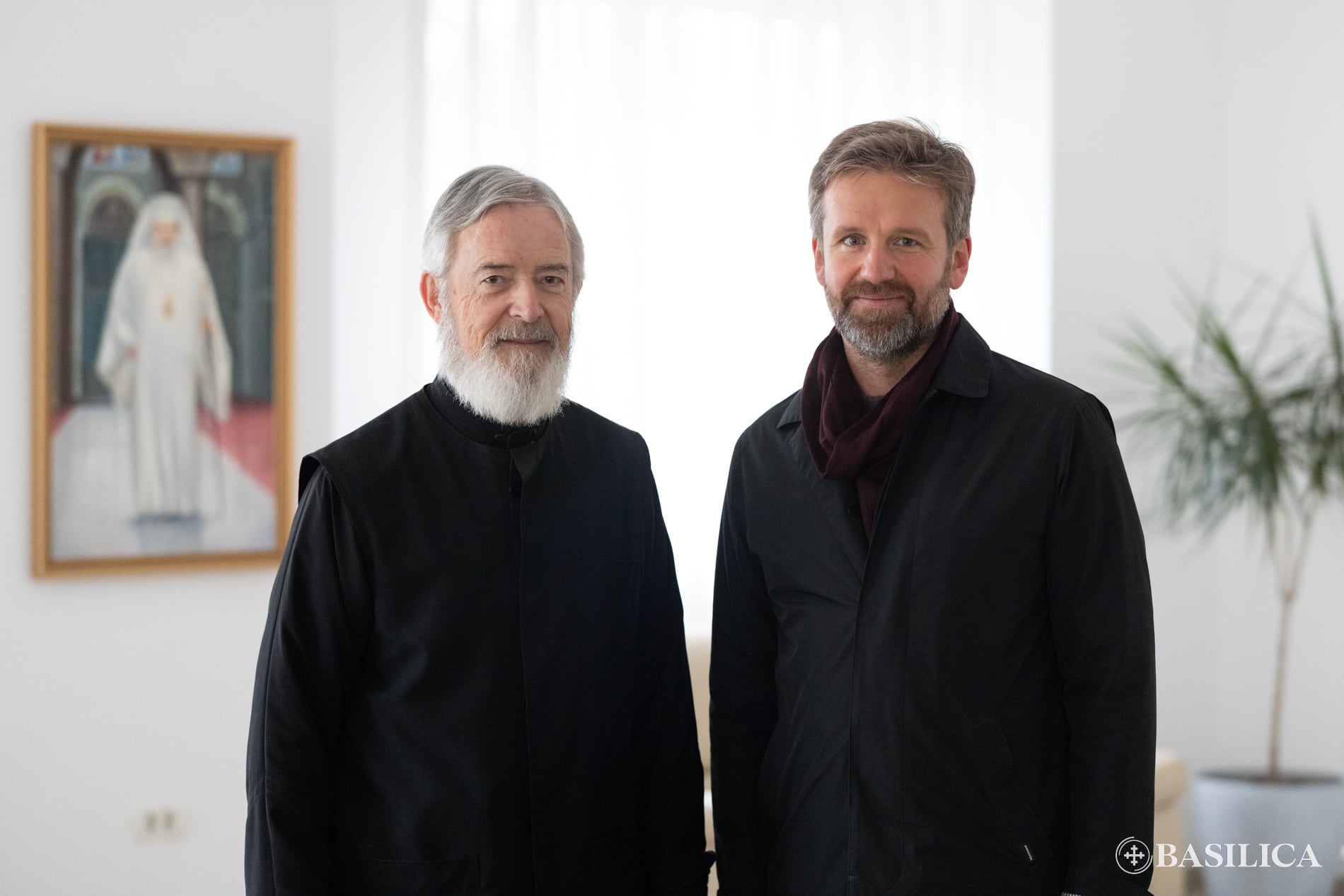
Fr. Michel Quenot: When we enter the church, we are equally surprised. It is immense. Personally, however, from the very beginning, I tried to look at it as a place of worship.
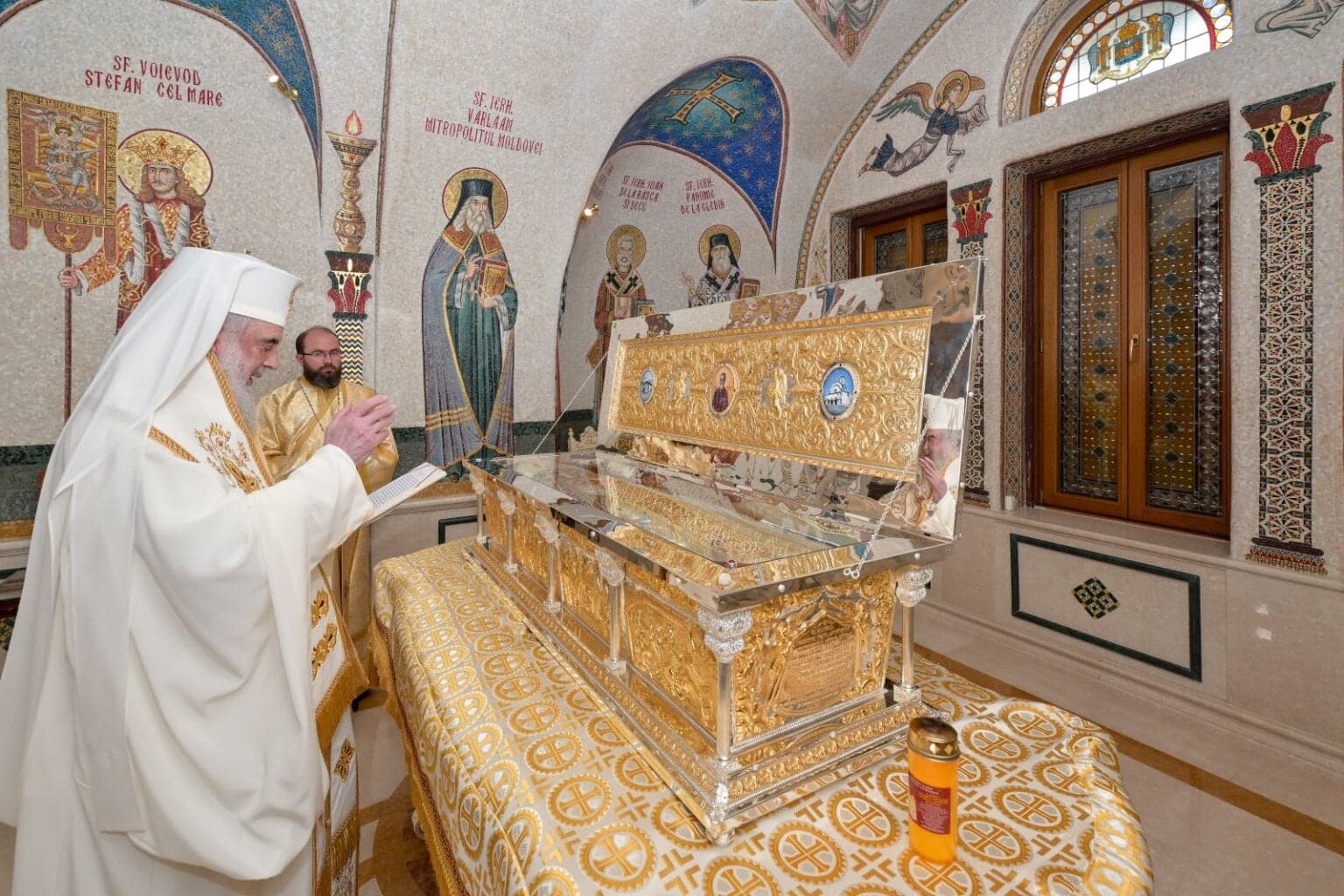
The entire iconographic programme before our eyes is obviously immense and covers a vast area. These are liturgical images created for the Divine Liturgy and for the liturgical context as a whole.
This means that we have to make an effort and imagine, while the church is still empty and no services are taking place, what it will be like when services are celebrated and the church is full. Then it will reveal its full potential, because heaven and earth will meet.
That is why I insist on this liturgical aspect. The entire iconographic programme consists of images; all these icons are liturgical images intended to come alive in the liturgy. That is when they will truly reveal their full measure.
Perhaps this is when those who were initially somewhat sceptical will realise, when they see the church in its proper setting – that of liturgical worship and celebration – that it is something extraordinary.
Inspiration for foreign tourists
Fr. Michel Quenot: The Cathedral will certainly be a source of inspiration for those who come to Romania and visit Bucharest as tourists. The other day, when I visited, there was a group of Australians who approached us and asked, ‘What is this? What is this church?’ We explained to them that, as they could see, this was the country’s cathedral, which was still under construction.
They were very impressed. I think such encounters will become increasingly frequent, and those who come to Bucharest will certainly want to visit the cathedral. I believe that it will become a tourist landmark for this city.
What may be particularly important is that many of those who come will not be Christians, or will be Christians whose faith has waned, meaning they no longer have a connection with the Church. There will also be Christians of other denominations who know nothing about Orthodoxy and for whom this cathedral will become food for thought.
Of course, when one enters the cathedral and finds many tourists there, it will not be alive in the liturgical sense. One may therefore be unable to perceive its power. But it pleased to find out there is an underground level, where another church lies, and, if I understood correctly, the Divine Liturgy will be celebrated every day, thus prayer being offered continually.
Therefore, people will also have access to this space, where they will truly see the Church at work, the Church celebrating the services. There they will be touched spiritually and understand the connection between the underground church and the church above, which is intended for major ceremonies and large-scale events.
An absolutely astonishing undertaking for our time
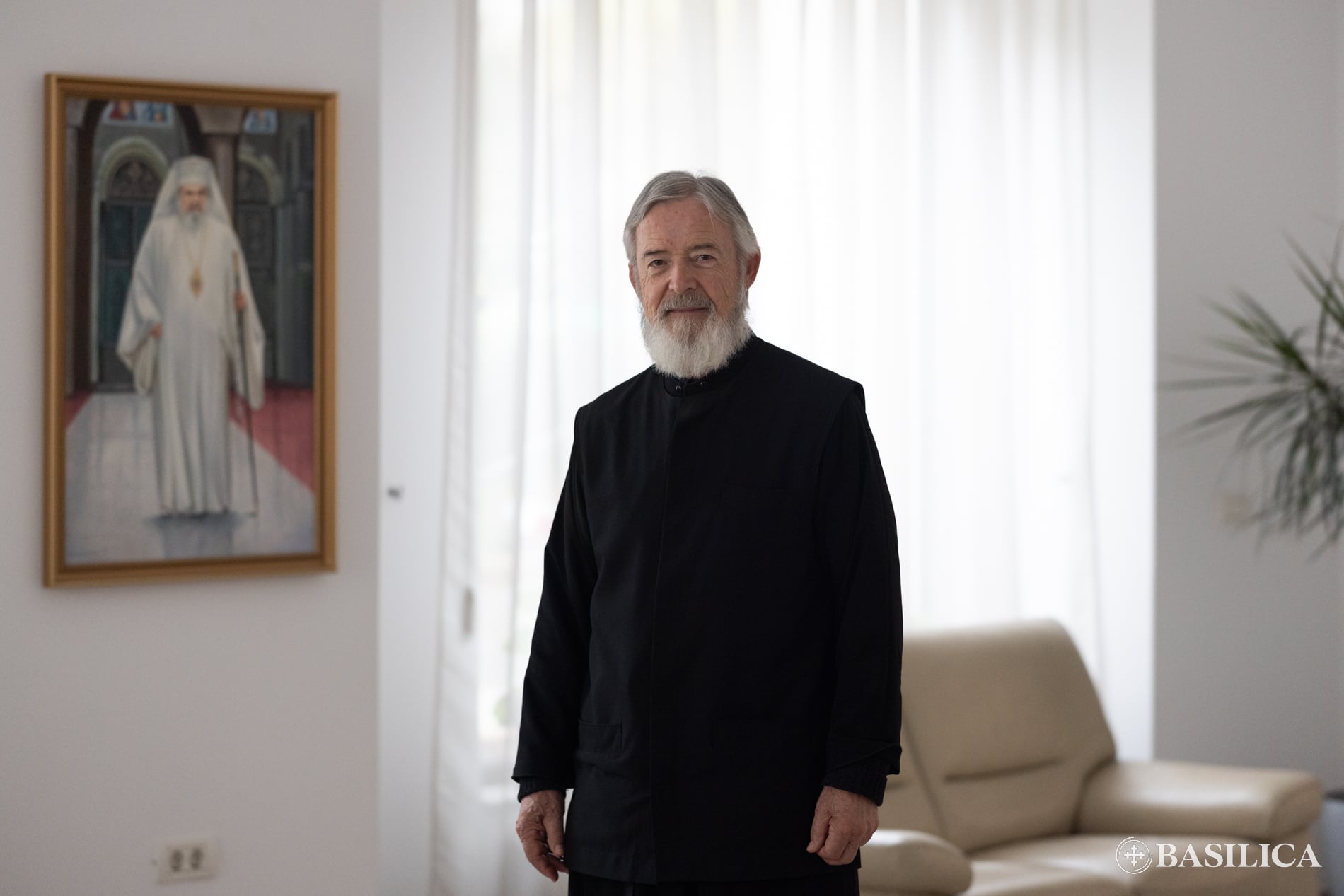
Basilica.ro: Is the art of mosaic experiencing a full revival?
Fr. Michel Quenot: It is an absolutely astonishing undertaking for our time to build such a large church entirely covered in mosaic. It is a challenge.
But I think the challenge has been met and overcome, and the result is truly unique. I think it is very beautiful. Daniel Codrescu, who is leading this project, has surpassed himself and managed to master the many difficulties posed by such a building. He has succeeded in bringing the entire ensemble into harmony, working with many people whom he has guided and directed with great delicacy and humility.
What struck me most about him was his ability, in a situation when one becomes a great master, to retain his serenity, calmness and simplicity in his relationships with those who have worked alongside him and with the people he meets. I think this is a great blessing: to have someone at the head of such a project who has managed to remain true to himself and who has truly carried out this work, I would say, as a Christian.
Basilica.ro: It is somehow the very definition of the iconographer, isn’t it?
Fr. Michel Quenot: The true iconographer must be like St. John the Baptist, who stepped aside. St. John the Baptist says of Christ, ‘He must become greater; I must become less.’ I believe this is the guiding principle for an iconographer, and in this case, it seems to be taking root.
The religion of faces
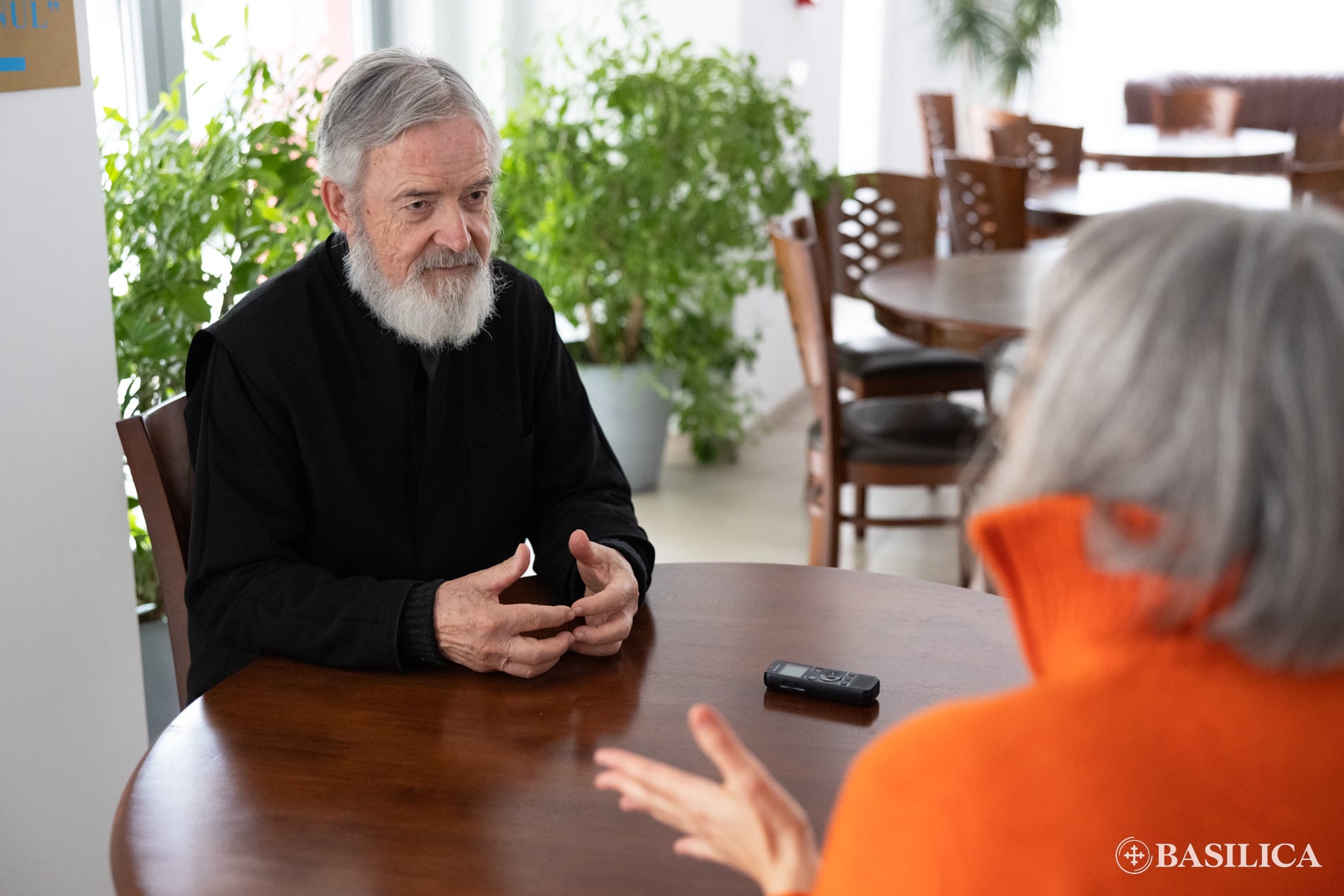
Basilica.ro: How would you explain to someone unfamiliar with the Orthodox tradition why we need the faces of the saints?
Fr. Michel Quenot: Our religion, our faith, is a religion of faces. In Christianity, the first essential truth is that Christ became incarnate. Had He not become incarnate, we would have remained with what we know from the Old Testament, where we were told not to make an image, because God had not yet manifested Himself.
But from the moment God became matter and took on a human face, not only can we depict Him, but we must depict Him as a testimony to the Incarnation.
The saints remind us that we are created in the image of God, but called to attain His likeness. All these saints are therefore reflections of God’s light, manifestations of their participation in His holiness. And when we celebrate a service, heaven and earth are united through all these faces.
We live in a society fascinated by the body, a society that has developed a cult of the body through all the products designed for bodily care, fitness centres and so on, but which regards the body merely as matter.
Basilica.ro: Through icons, we also celebrate the transfiguration of the body…
Fr. Michel Quenot: We live in a society fascinated by the body, a society that has developed a cult of the body through all the products designed for bodily care, fitness centres and so on, but which regards the body merely as matter.
Matter, that is, which is not permeated by the spirit. This also explains why people are now cremated as though they were ordinary objects. We have forgotten that the human person is called to a great destiny. As the Fathers said, God became man so that man might become god.
Basilica.ro: To what extent can the icon contribute to the rediscovery of faith in a Europe where the transmission of the Christian tradition from one generation to the next is becoming increasingly difficult?
Pr. Michel Quenot: I think Europe is, in a sense, in a state of spiritual death, and that we are living through a tragedy of meaninglessness. We need to rediscover meaning and bring meaning into our lives. The iconographic tradition gives us meaning, revealing to us the vocation of the human person.
Our vocation is not simply to accumulate possessions and live for material gain, but to grow in being. The saints we see are people who have attained fulfilment, and we are all called to follow in their footsteps.
I believe this is an encounter with another world, the world beyond this one. It is a world that is too often forgotten today and that we need to rediscover.
For people who are not accustomed to iconography, it is initially a challenge. But this challenge will lead them to reflect, and it may open the door to something new in their lives. In this respect, I think it is very important. Sometimes we need to be shaken out of our complacency in order to move forward and embrace a new path.
Calling card
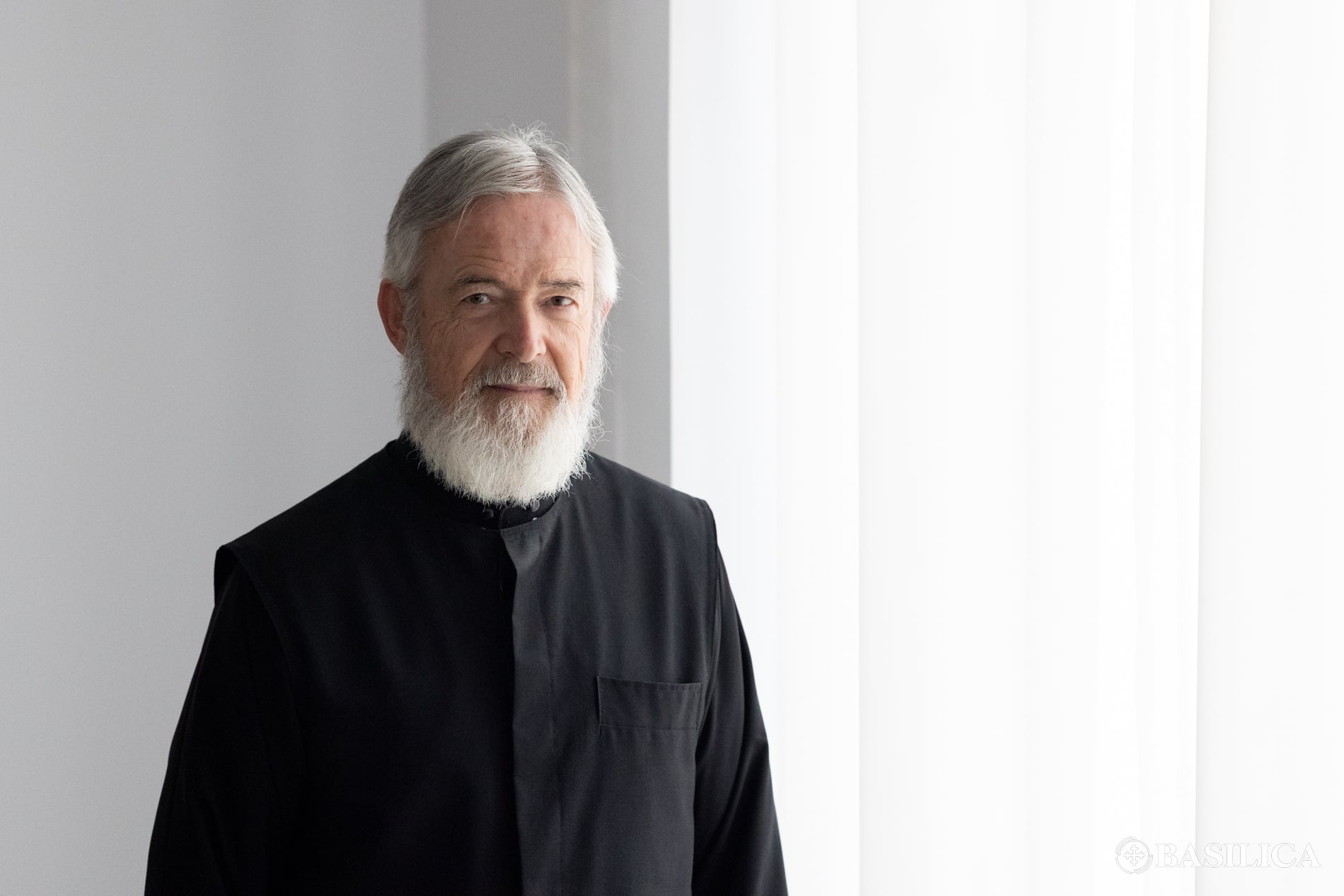
Father Michel Quenot is the parish priest of the Church of the ‘Protection of the Mother of God’ and ‘Saint Silouan the Athonite’ in Fribourg, Switzerland (Ecumenical Patriarchate). He is the author of numerous theological works, some of which have also been translated into Romanian.
In 2017, he participated in the “Criteria for the identification and evaluation of Byzantine painting (icons and frescoes)” International Theology Congress, organized by the Romanian Patriarchate, and was awarded by Patriarch Daniel of the Romanian Orthodox Church the “St John Chrysostom” Honorary Diploma for his activity in supporting Orthodox values and Orthodox sacred art.