Orthodox hierarchs in the United Kingdom were among the signatories of an appeal opposing the legalisation of assisted suicide. “We must provide care, not killing,” the bishops said.
The letter was published ahead of the return to the British Parliament of the Terminally Ill Adults (End of Life) Bill, which would have allowed terminally ill adults with a life expectancy of less than six months to seek assistance to end their lives, subject to certain conditions.
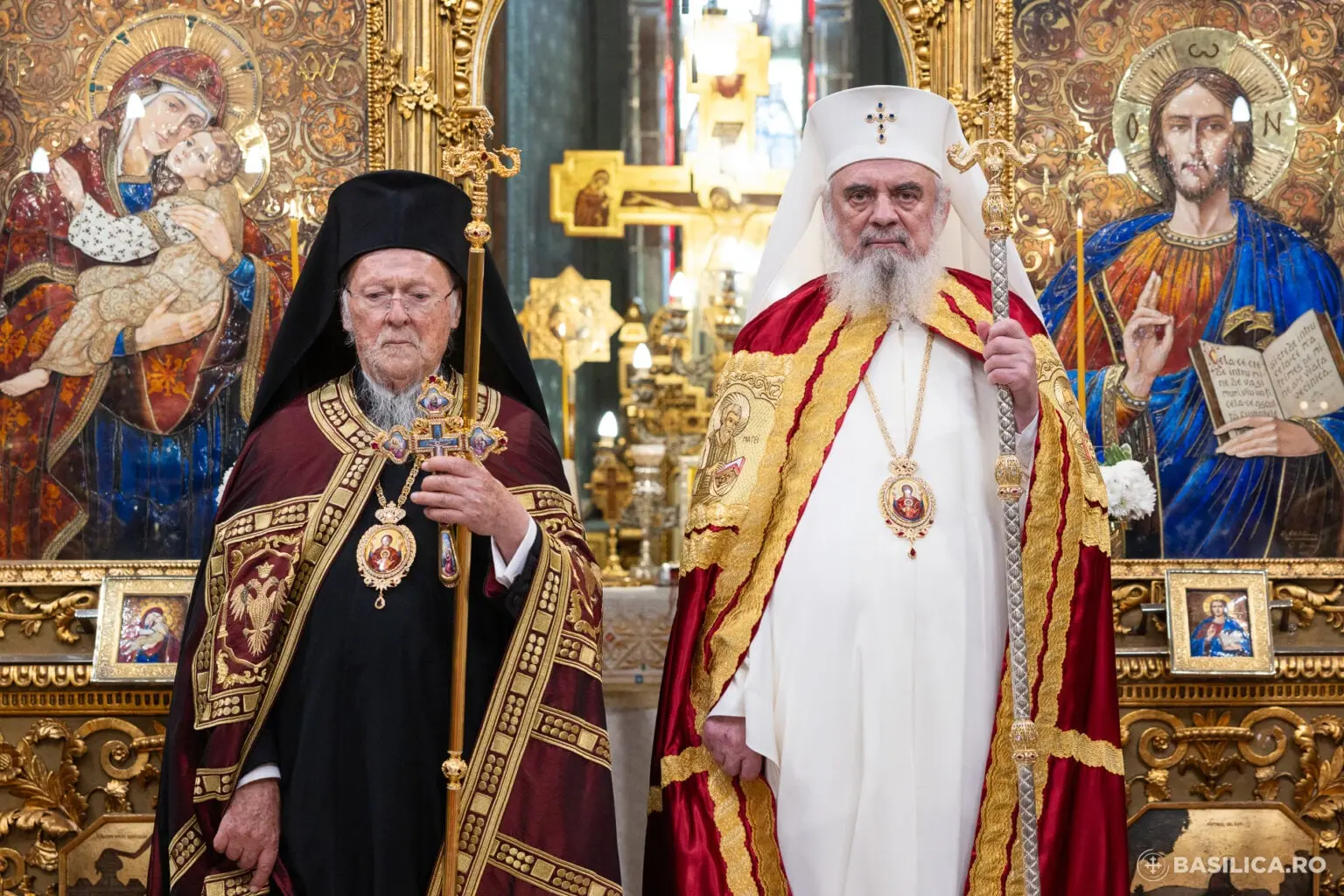
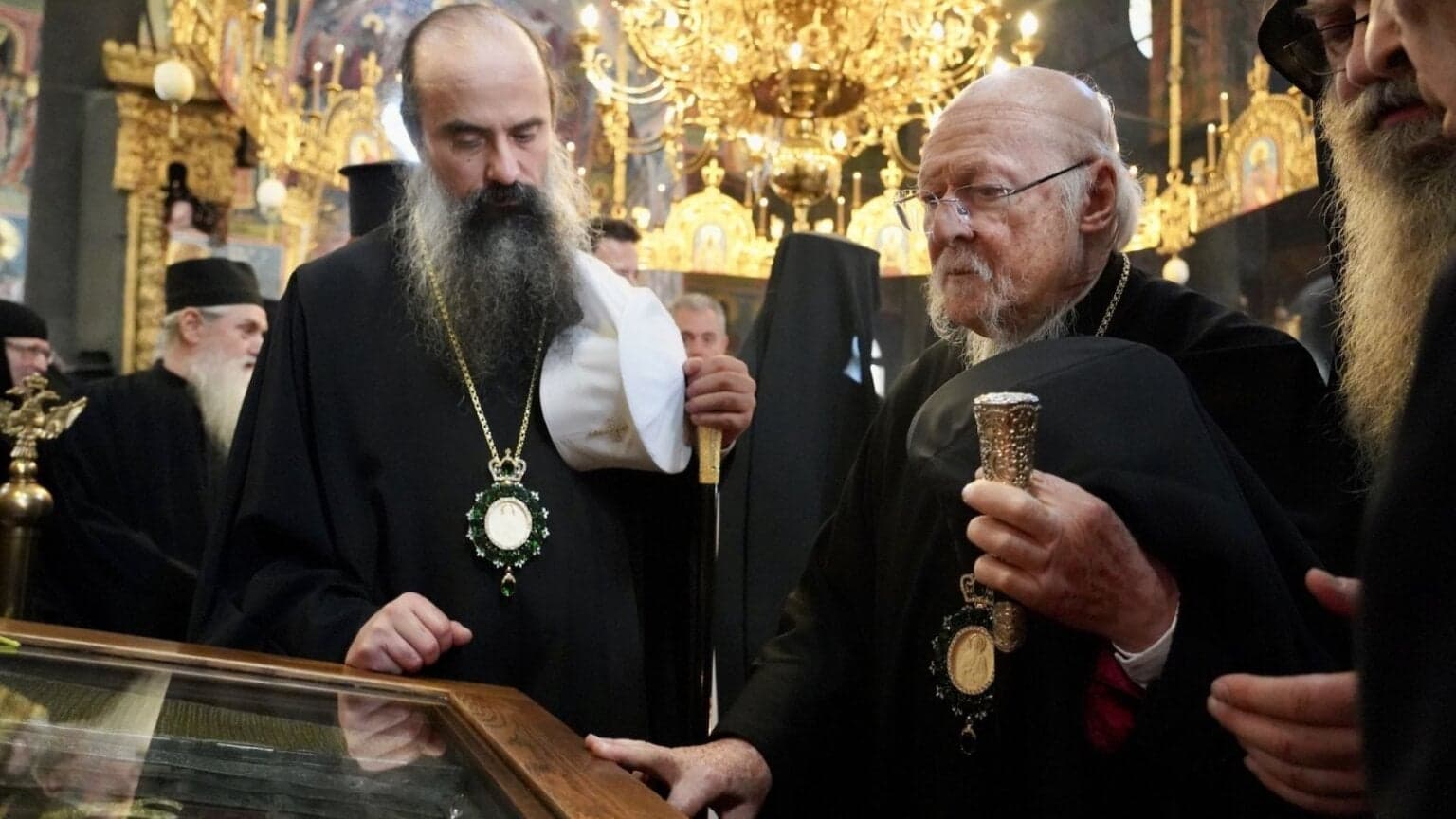
Orthodox signatories included Greek Orthodox Archbishop Nikitas of the Ecumenical Patriarchate, Antiochian Orthodox Archbishop Silouan, Romanian Orthodox Archbishop Atanasie, Russian Orthodox Bishop Matthew of Sourozh and Serbian Orthodox Bishop Nektarije.
The Orthodox clergy warned of the implications the legislation could have for society’s attitude towards human life.
“Passing this Bill would move limited resources away from striving to offer the best possible care for vulnerable people facing long and painful illnesses, and towards offering ways to end their lives.”
Enormous pressure on vulnerable people
The hierarchs also cited experiences in other jurisdictions where assisted-dying legislation expanded after its introduction.
In the case of Canada, the clergy noted that the requirement for a person’s death to be “reasonably foreseeable” was subsequently removed, and referred to the extension of eligibility to cases involving mental disorders.
They also cited the US state of Oregon, where, according to the appeal, almost half of those who resorted to assisted suicide in 2024 reported concerns about becoming a burden on family, friends or caregivers.
“We can be certain that the introduction of legal physician-assisted suicide would result in enormous pressure on vulnerable and the elderly in our society.”
“The right to die quickly becomes the duty to die,” the Orthodox hierarchs warned.
Bill rejected by British Parliament
The House of Commons rejected the bill on Friday by 286 votes to 270, a majority of 16. As a result, the legislation will not proceed in its current form.
Following the vote, Gordon Macdonald, chief executive of Care Not Killing, emphasised the importance of developing the palliative care system.
“Our hope is that MPs now focus on repairing palliative care in the UK and securing the necessary funding to make sure that no matter what part of the country you live in, you can access the best possible care available and are treated with dignity and respect.”
Orthodox hierarchs in the United Kingdom also intervened in the public debate on the protection of life in March, when they urged parliamentarians to reject a legislative provision which, they warned, would allow women to have abortions at any stage of pregnancy and for any reason.
The provision was nevertheless retained by the House of Lords, while pro-life organisations described the change as one of the most radical amendments to British abortion law.
Photo: Magnific