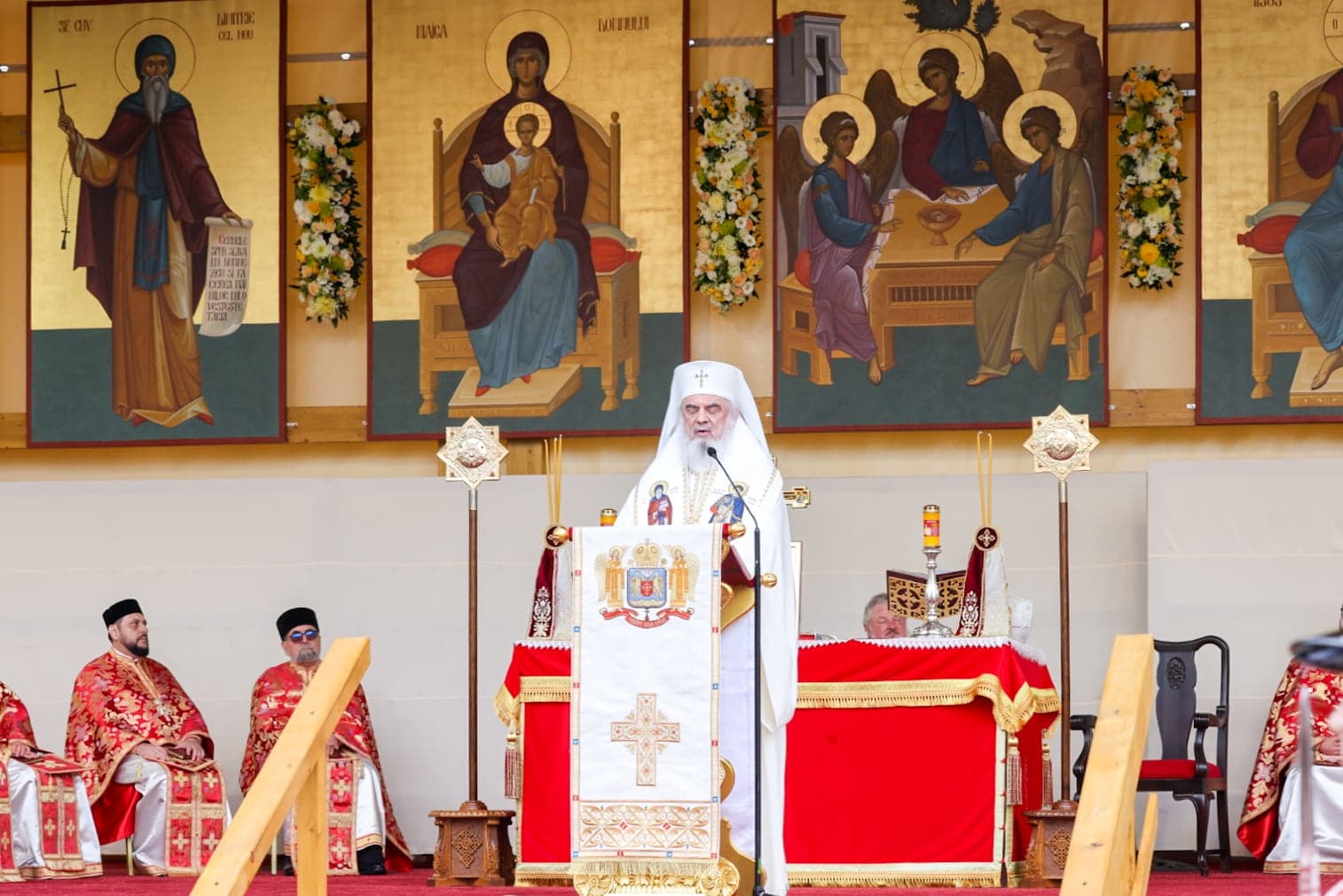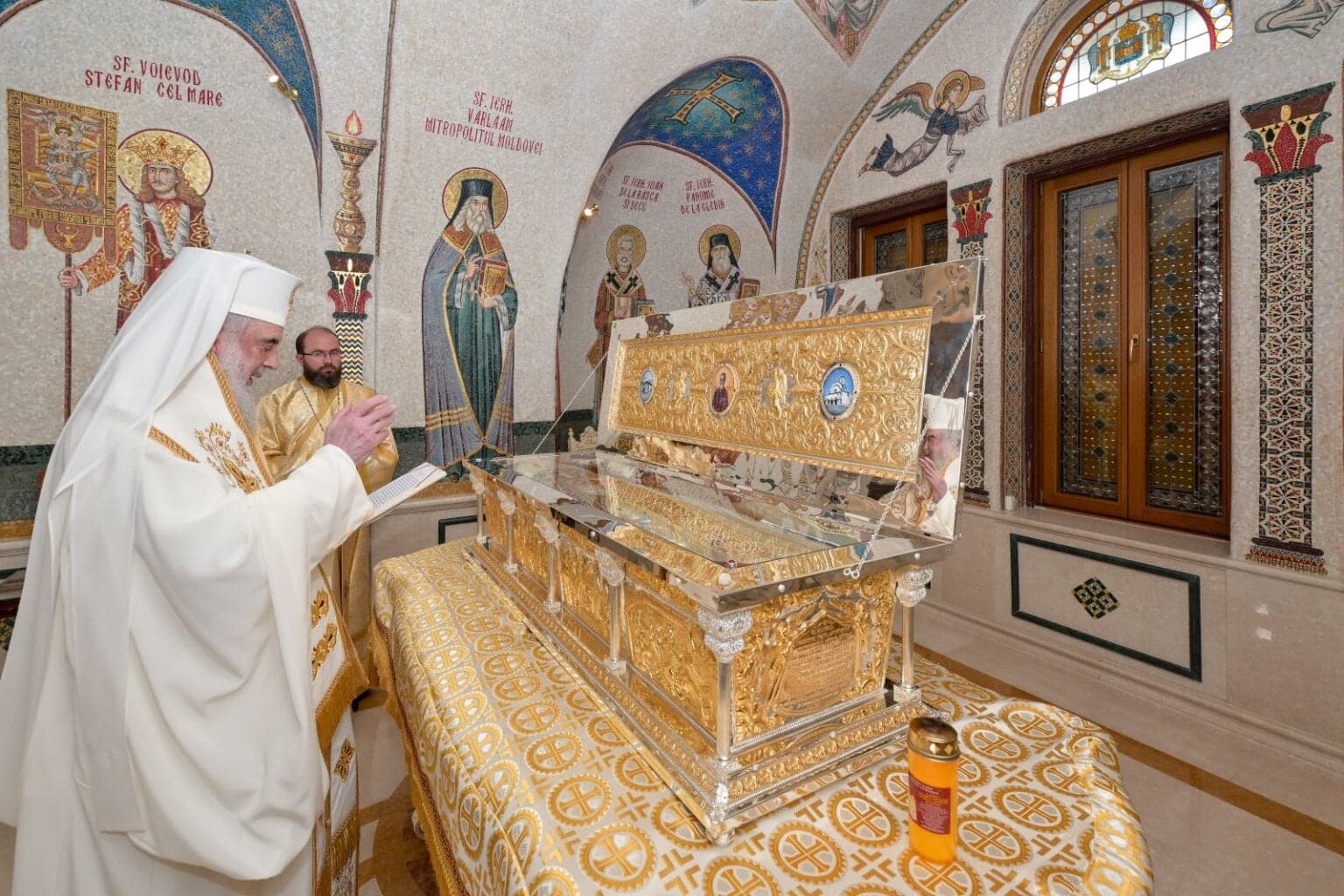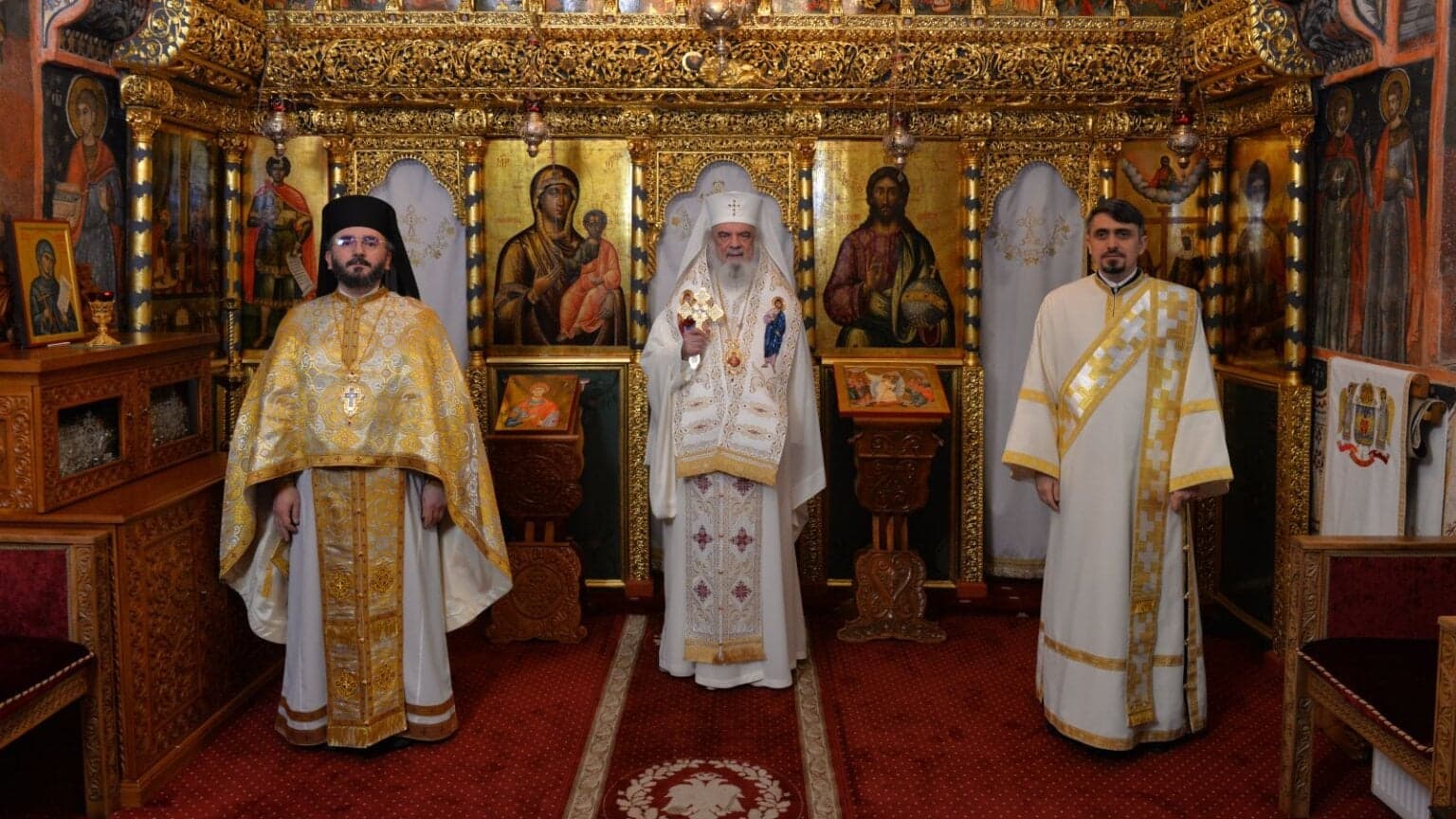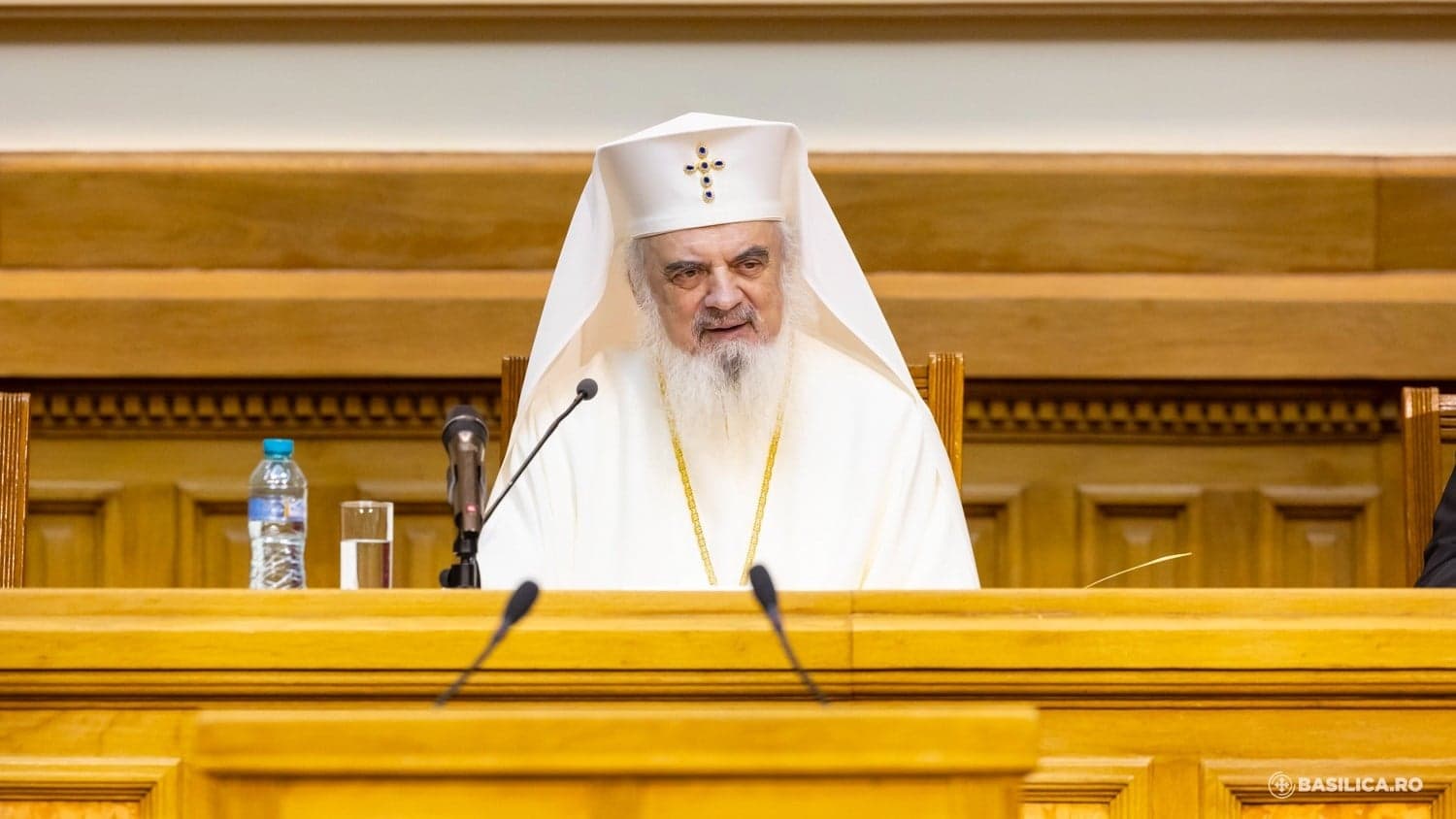
The local proclamation of the canonisation of the Priest-Martyr Saint Constantine Sârbu took place last Friday, 23 October, at Mihai Vodă Monastery in Bucharest. In a message delivered for the occasion, His Beatitude Patriarch Daniel highlighted the saint’s discreet philanthropy.
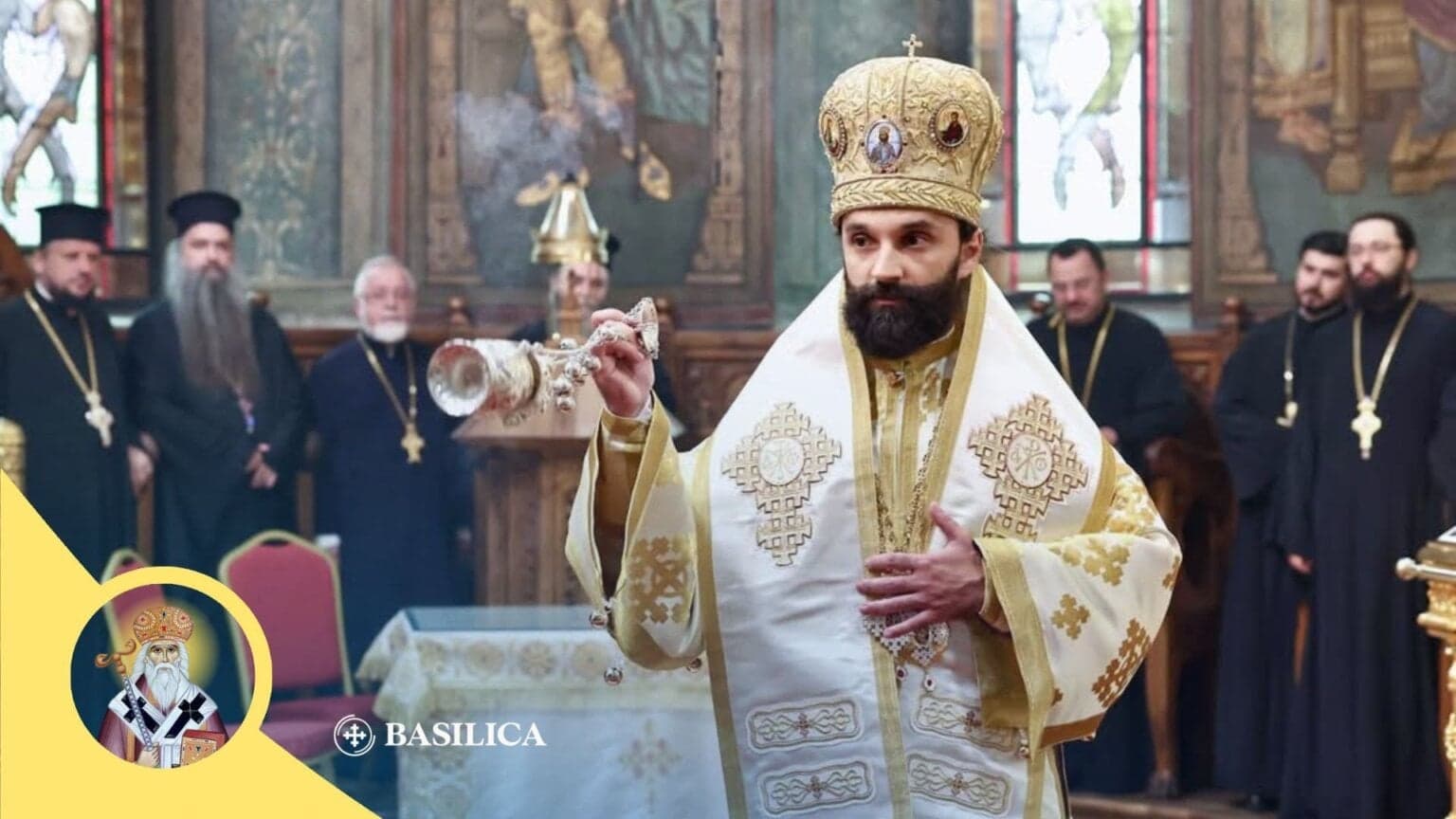
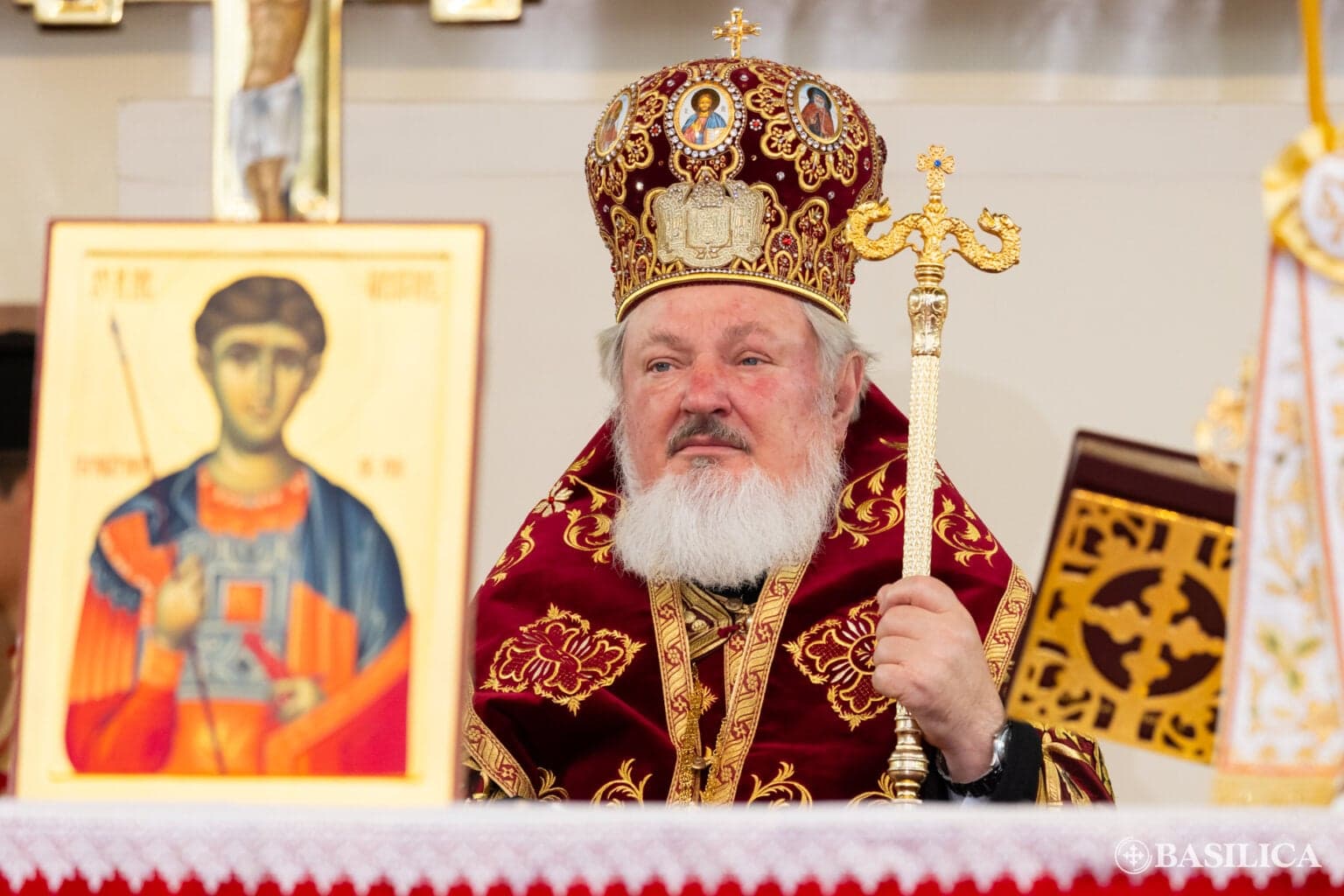
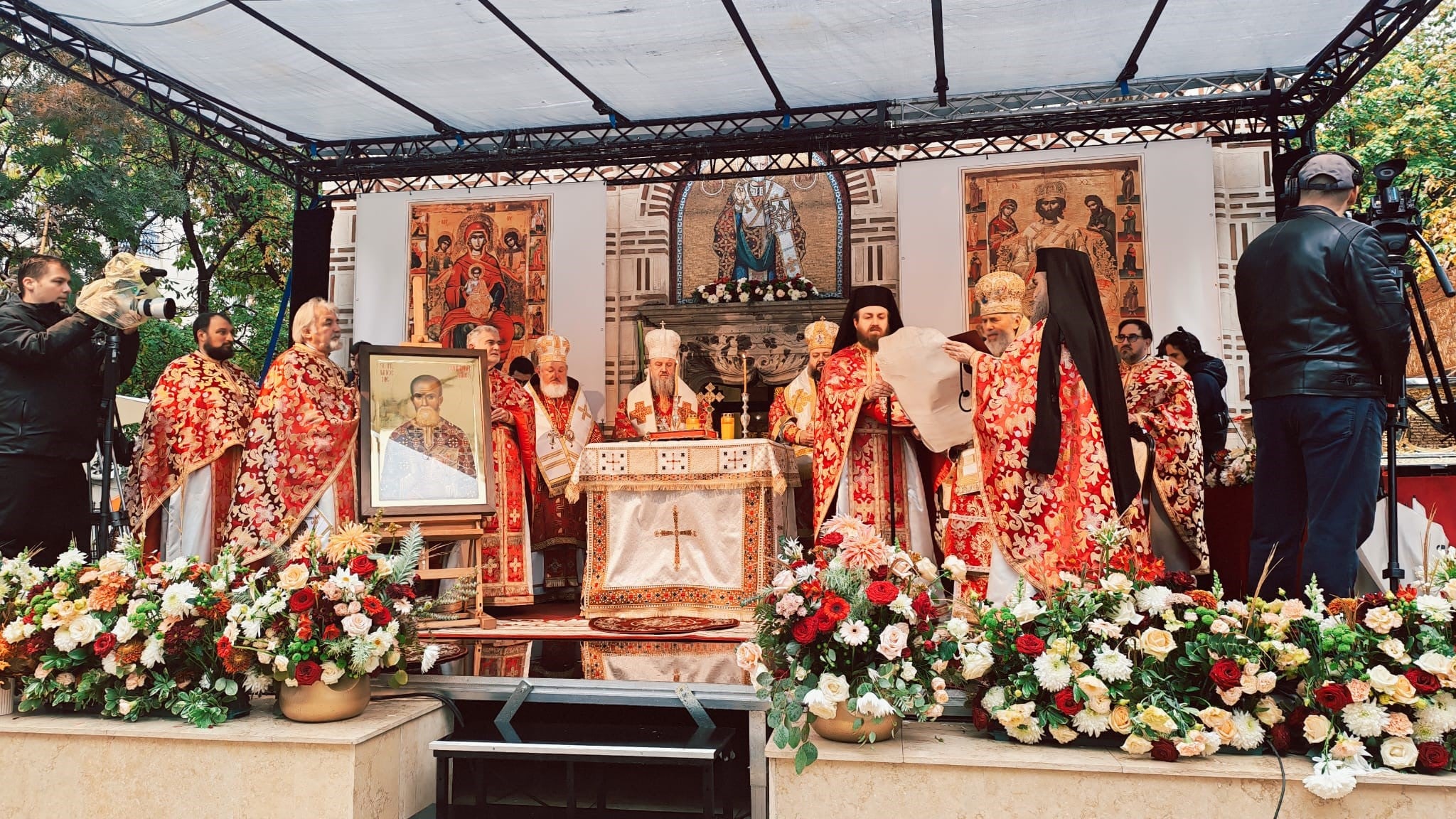
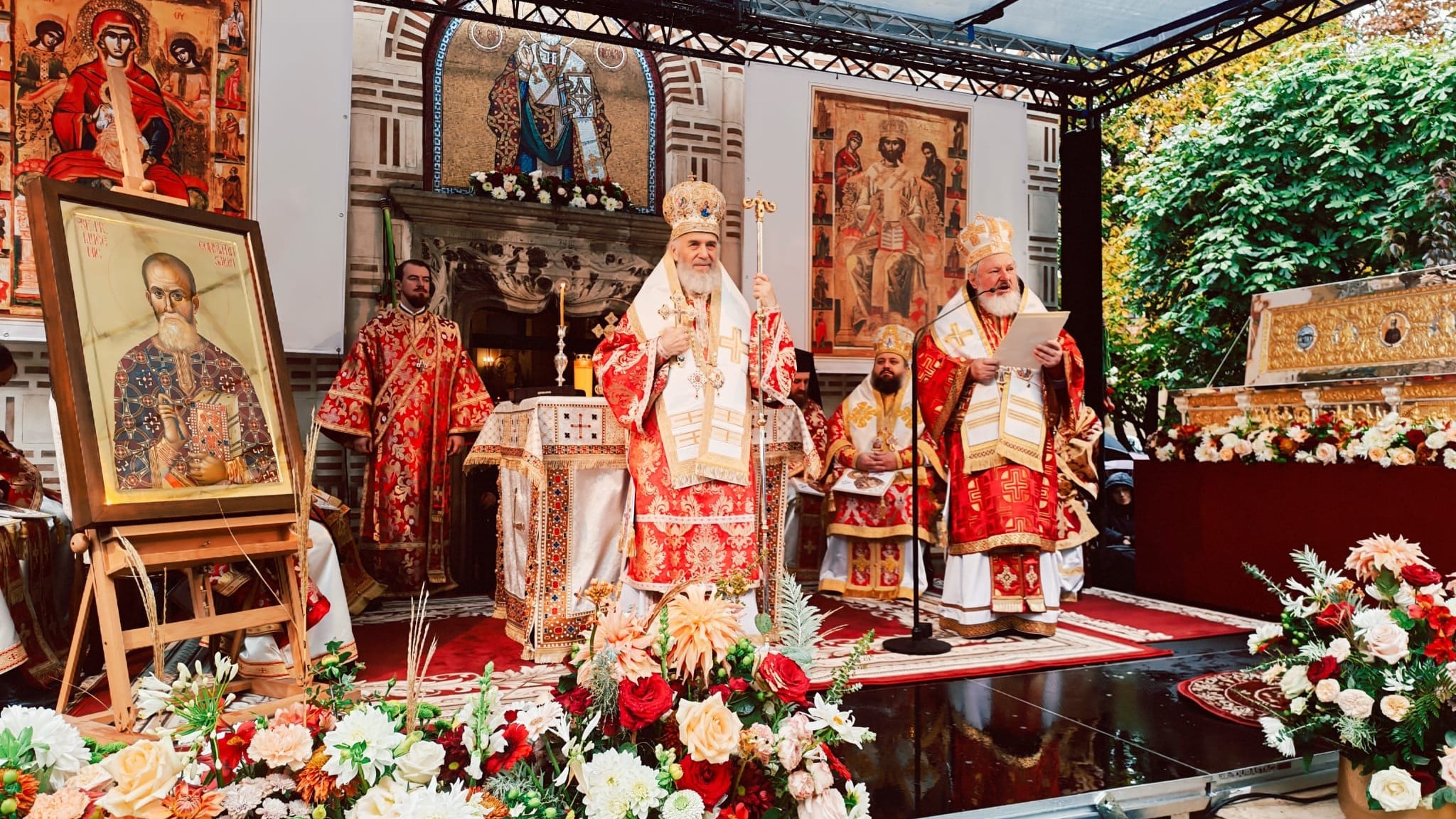
The solemn proclamation was preceded by the Divine Liturgy celebrated at the monastery’s outdoor altar by Archbishop Casian of Lower Danube, together with Bishop Ignatie of Huși, Patriarchal Auxiliary Bishops Varlaam of Ploiești and Paisie of Sinaia, and Assistant Bishop Timotei of Prahova of the Archdiocese of Bucharest.
Archbishop Casian presented the synodal act proclaiming the canonisation of St Constantin Sârbu.
An unknown benefactor
Patriarch Daniel highlighted the saint’s love for his neighbours during an exceptionally difficult period for the Romanian people.
“Because true almsgiving is done in secret, St Constantine Sârbu chose to be an unknown benefactor.”
“He kept meticulous records of elderly people who had been left without pensions or support and sought them out across Bucharest so that he could send them assistance regularly.”
“He did not permit begging at the church gates, but neither did he allow those in need to leave without receiving alms.”
“The faithful trusted him completely, so much so that they responded to every appeal for donations without even asking how the gifts would be distributed,” His Beatitude emphasised.
The Romanian Patriarch explained that the secret of this steadfast, merciful love lay in prayer.
“St Constantine Sârbu strove to recite the Jesus Prayer without ceasing and encouraged his disciples to keep it in their minds and hearts, even amid the affairs of everyday life.”
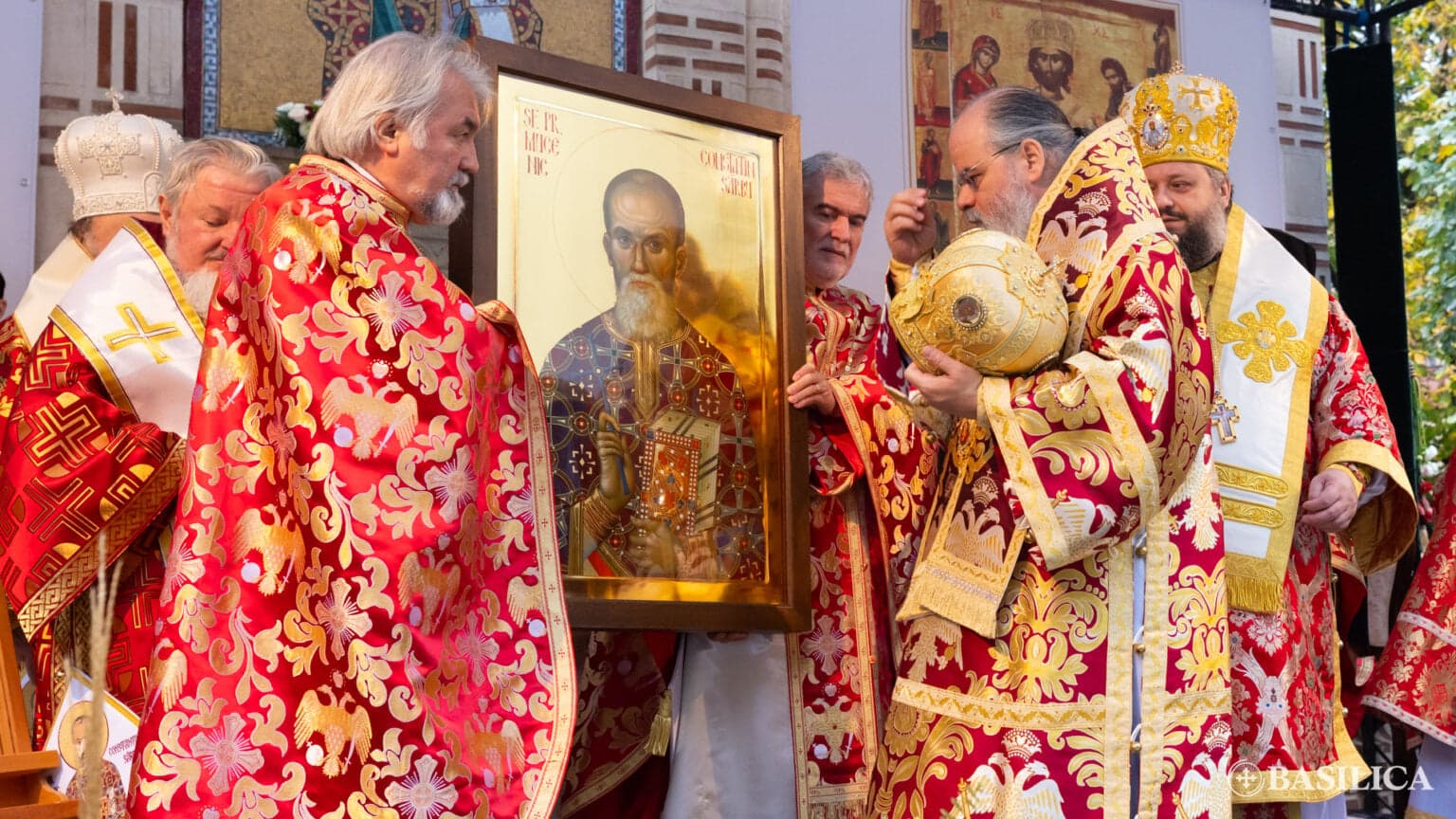
Reliquary icons presented
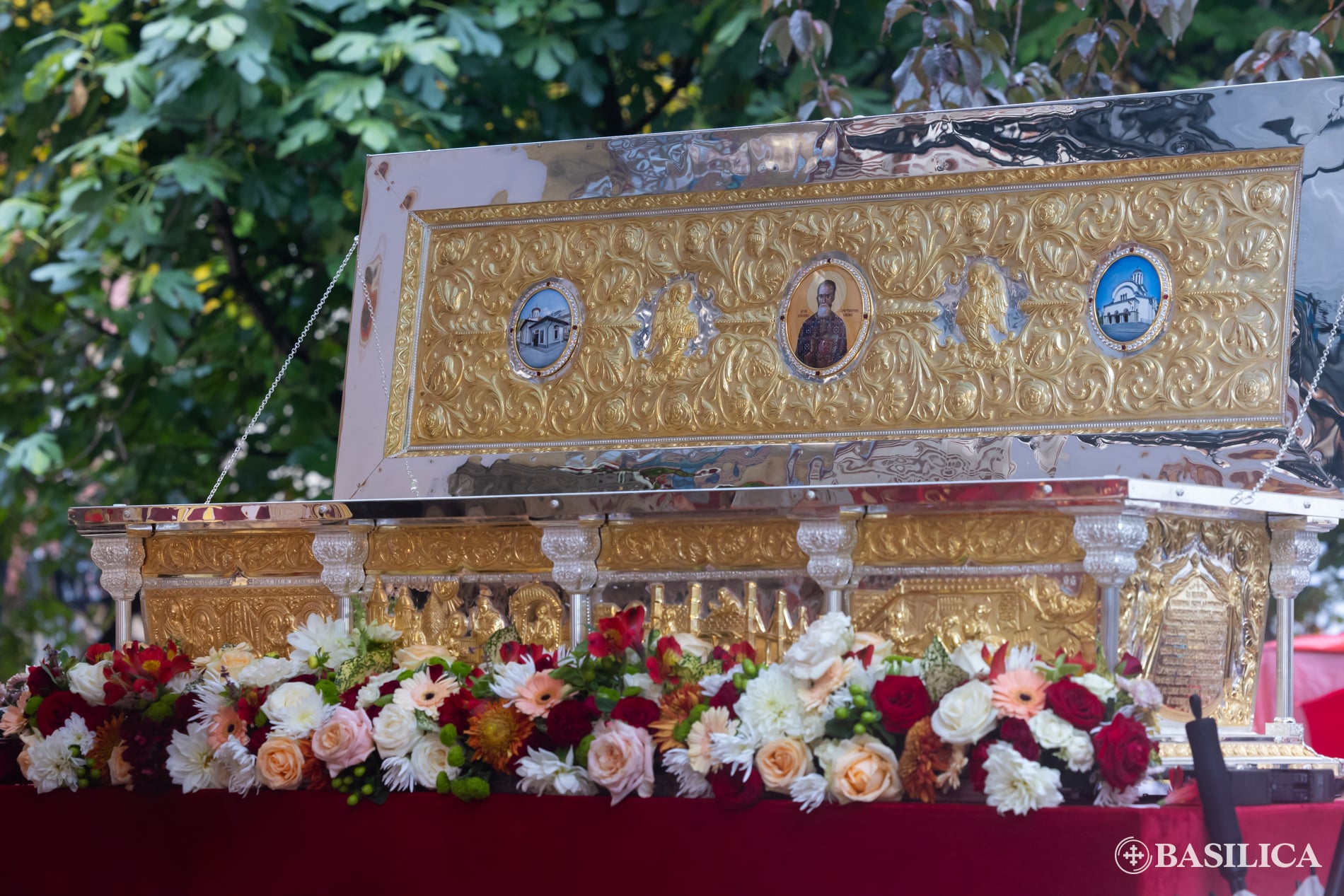
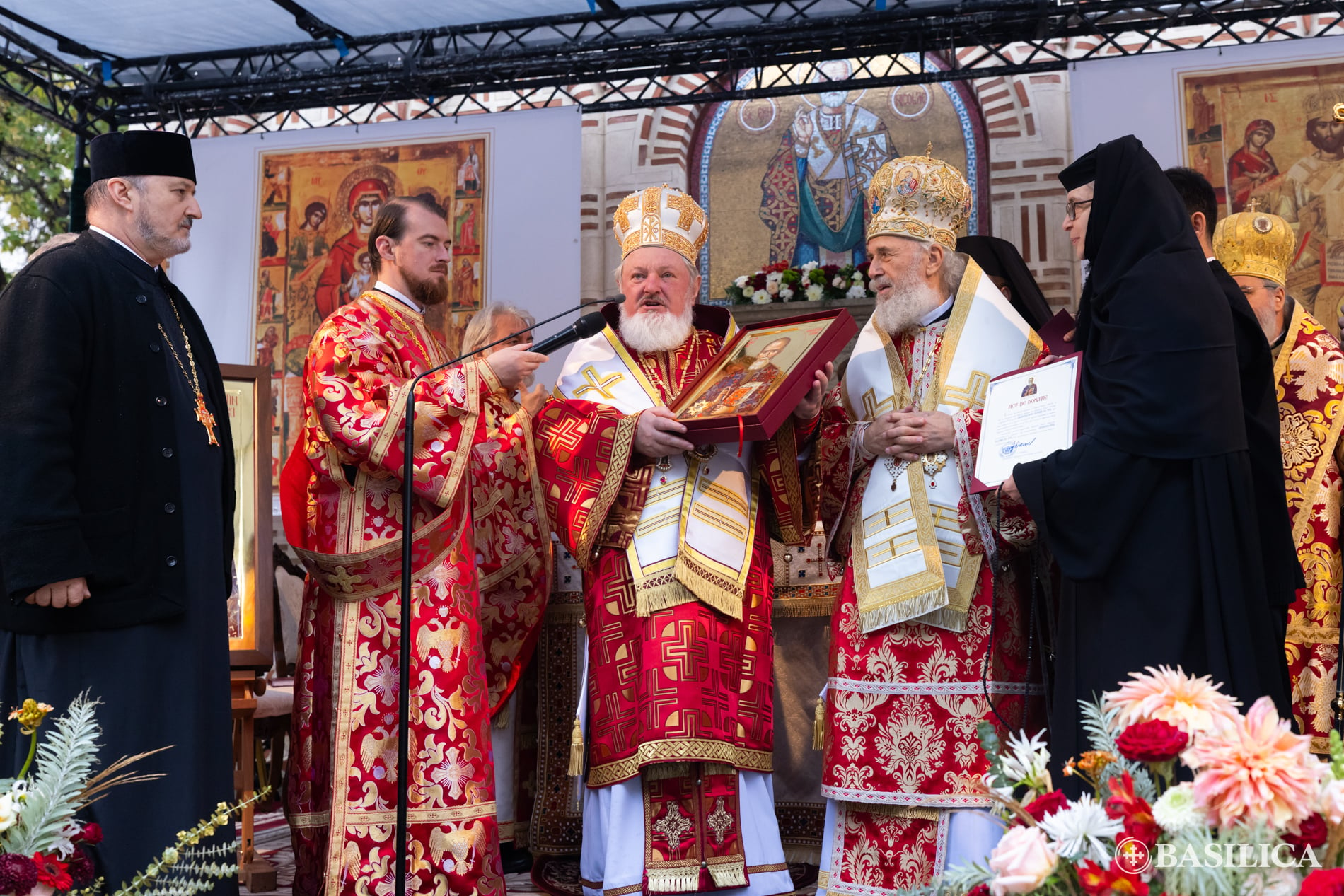
Following the service, reliquary icons were presented to the Archdiocese of the Lower Danube, where St Constantine Sârbu was born; the Diocese of Huși, where he served; and Parcul Călărași Parish in Bucharest, whose church was built by the saint.
At the end of the ceremony, the clergy thanked everyone involved in organising the local proclamation of St Constantine Sârbu’s canonisation.
Synaxarion: The life of St Constantine Sârbu
Canonised by the Holy Synod of the Romanian Orthodox Church in 2024, St Constantine Sârbu was born on 10 January 1905 in Cavadinești, Galați County.
He lost his mother in childhood, while his father suffered an injury that left him unable to care for his children.
At almost 12 years of age, Constantine enrolled at a school for church cantors. In 1919, at the age of 15, he was admitted to the Theological Seminary in Galați.
In 1925, he became a student in Bucharest, attending the Faculty of Theology and the Academy of Music.
He married Maria Constantinescu, who held a degree in literature and philosophy.
The couple moved to Huși, where Constantine served at the Diocesan Cathedral, as the young theologian had been unable to secure a parish appointment in Bucharest.
He was ordained to the priesthood at Adam Monastery by Bishop Nifon Criveanu of Huși.
Following the establishment of the communist regime, he was arrested and imprisoned in several penitentiaries across Romania.
After enduring repeated pressure to collaborate with the communist authorities, St Constantine, who was seriously ill and required surgery, was threatened that unless he took his own life, he would become the victim of an unsuccessful operation that would cause his death.
He accepted the possibility of such an end and voluntarily went to hospital.
He reposed in the Lord on 23 October 1975, at the age of 70, following postoperative septicaemia.
For more pictures, please visit our Photo Gallery section.