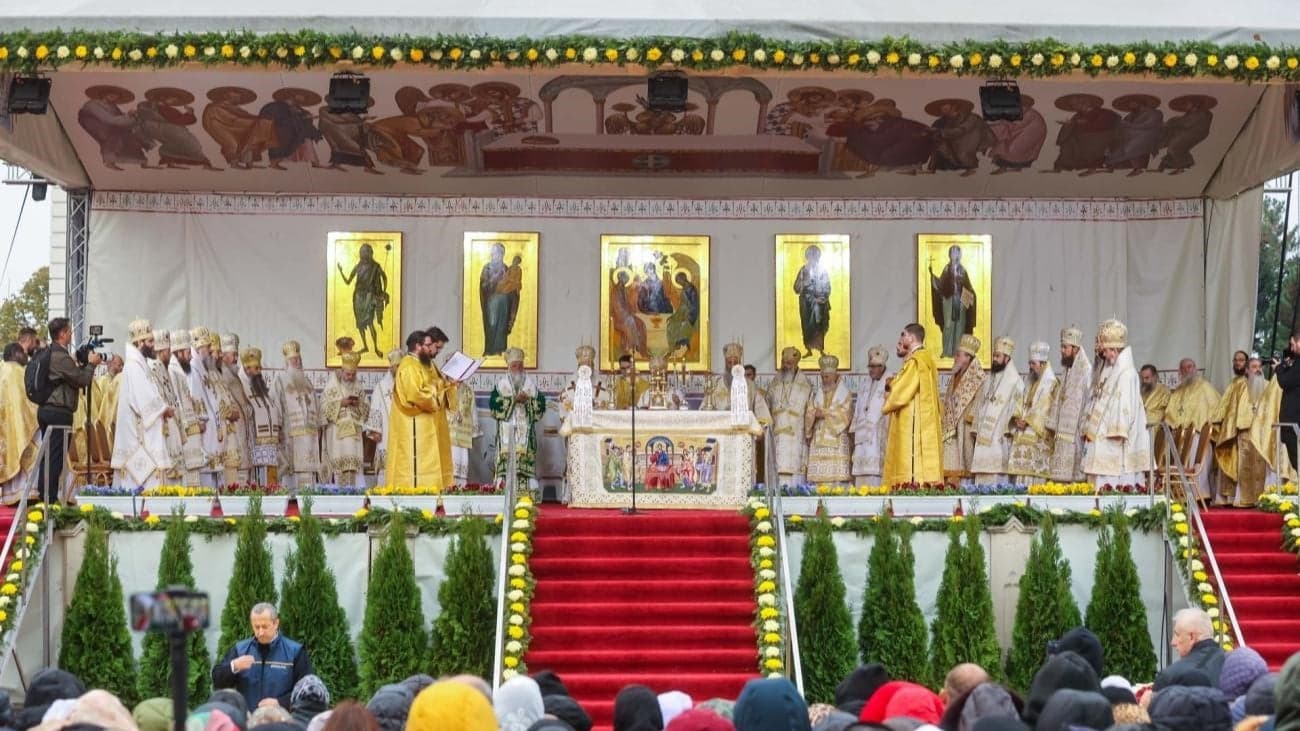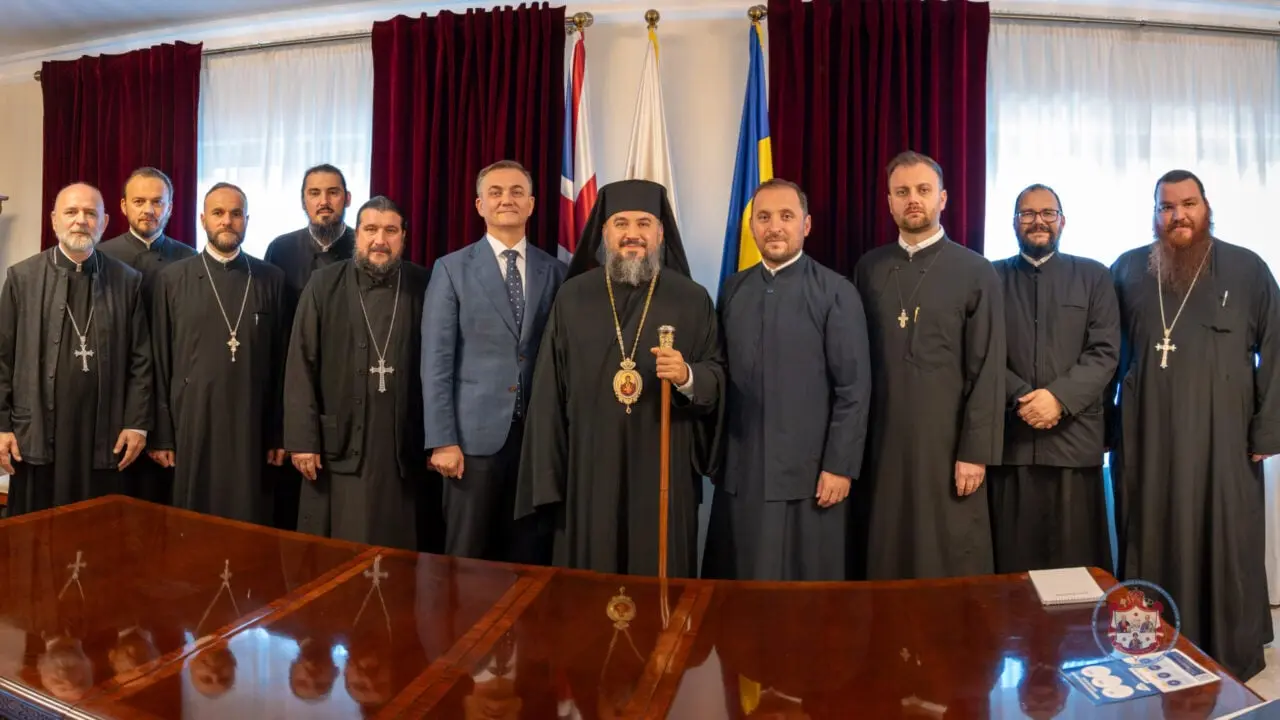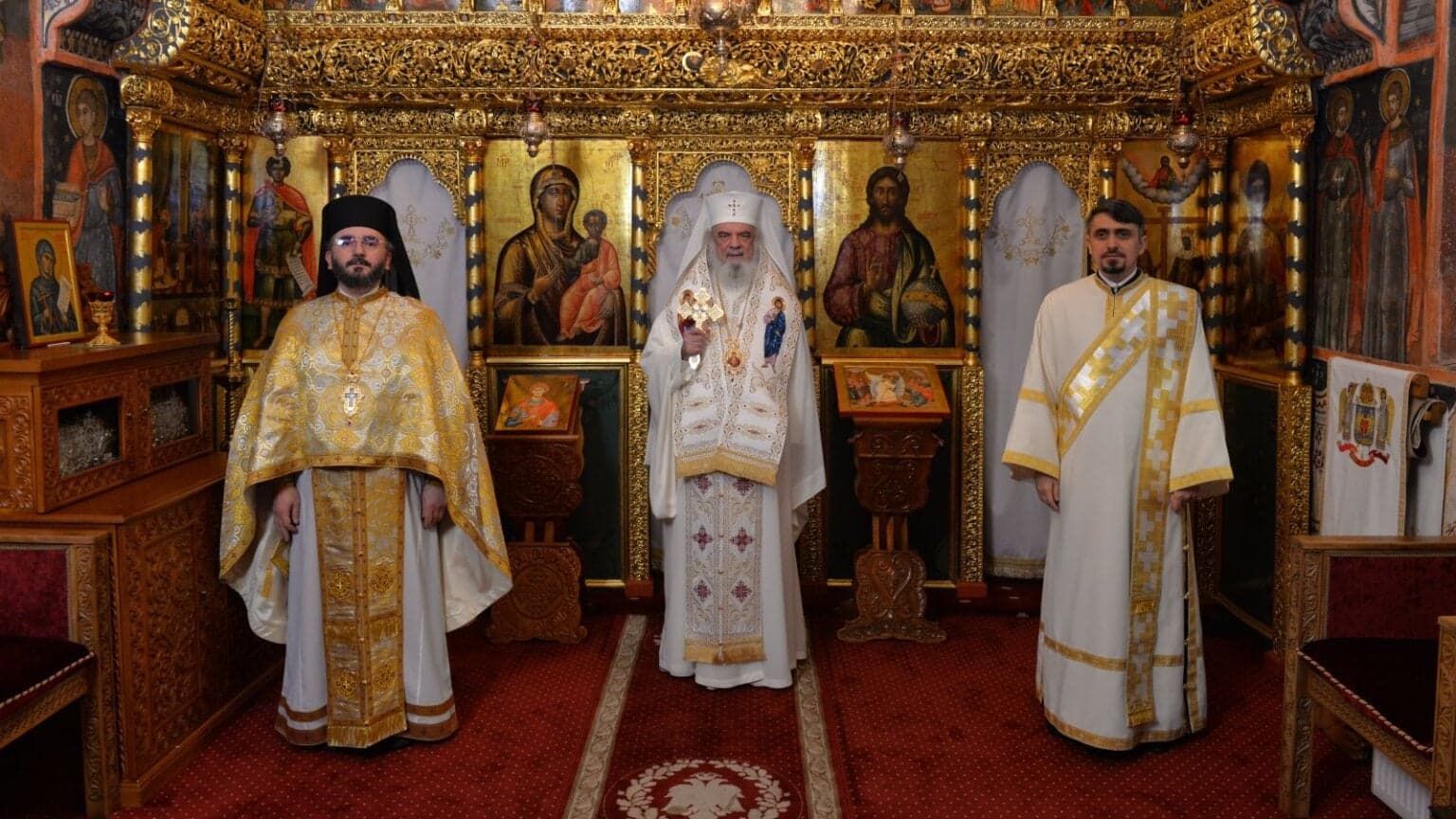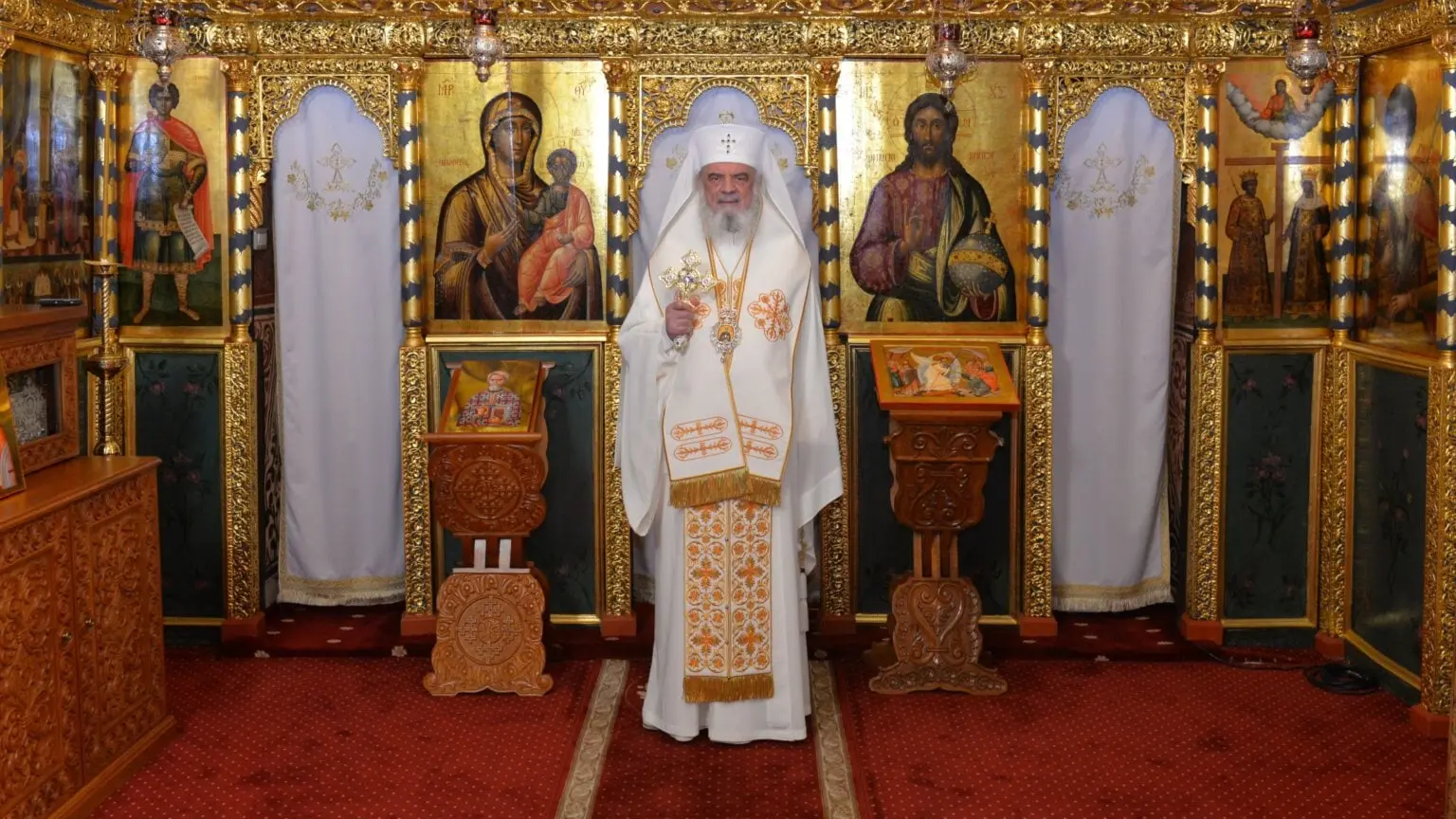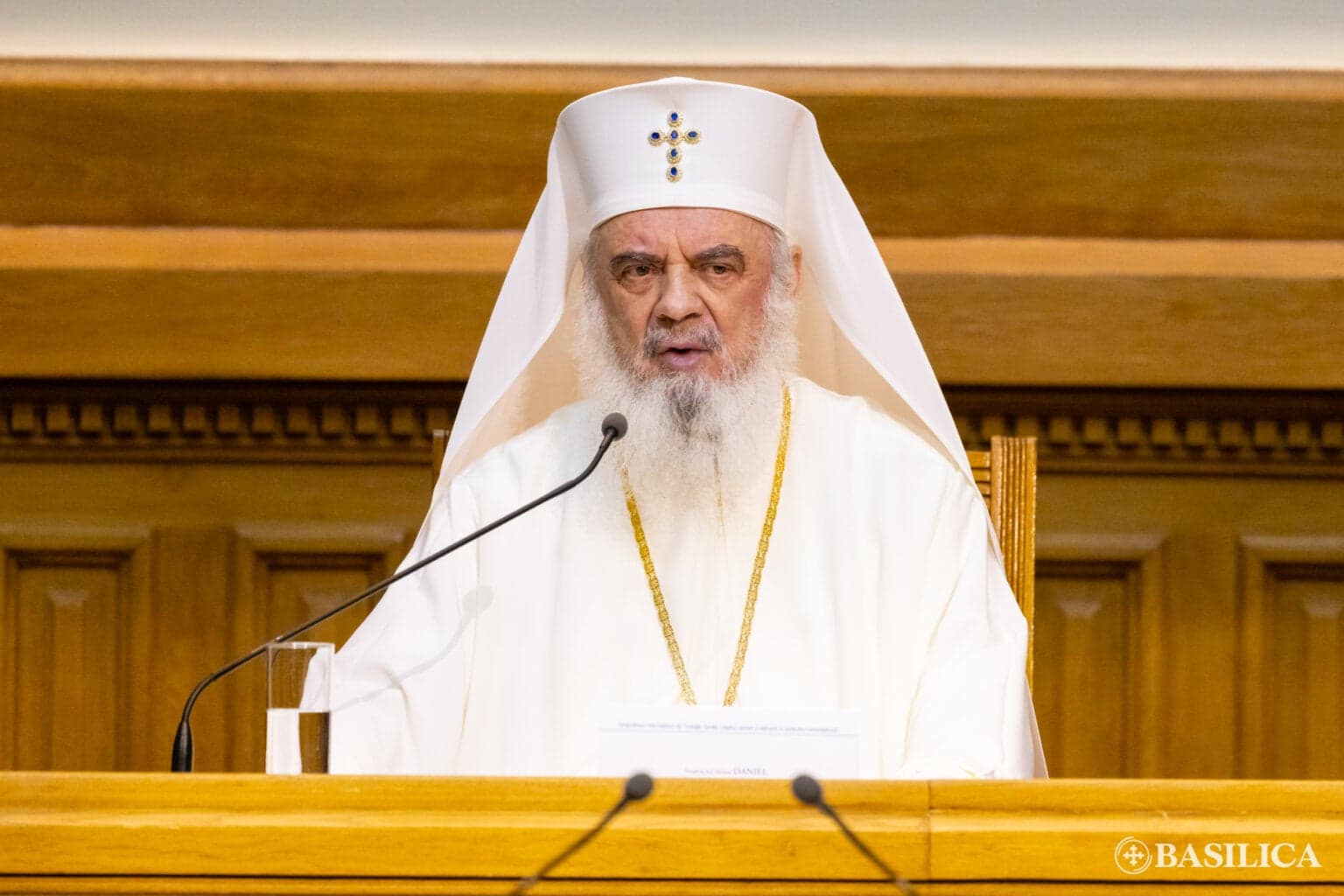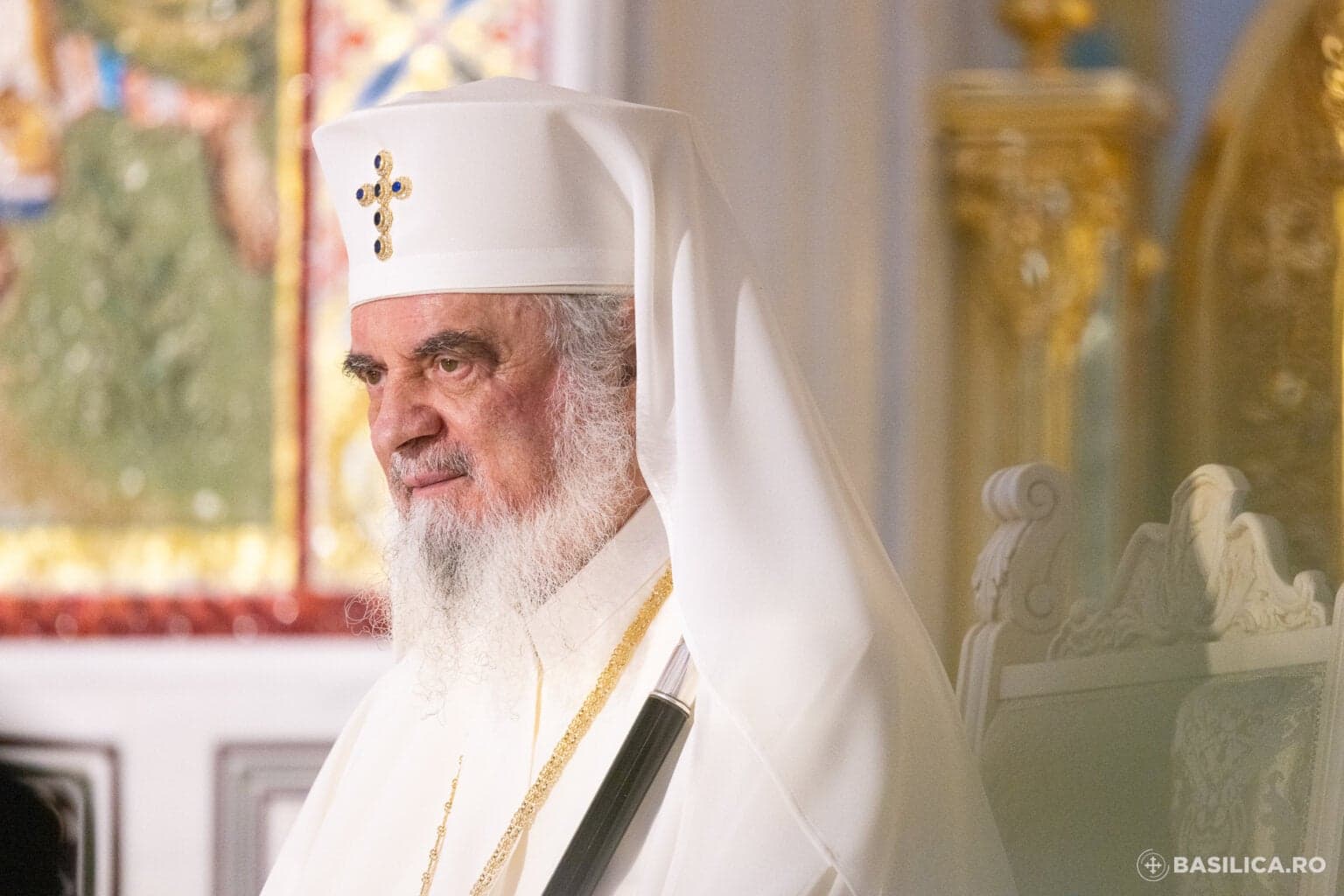
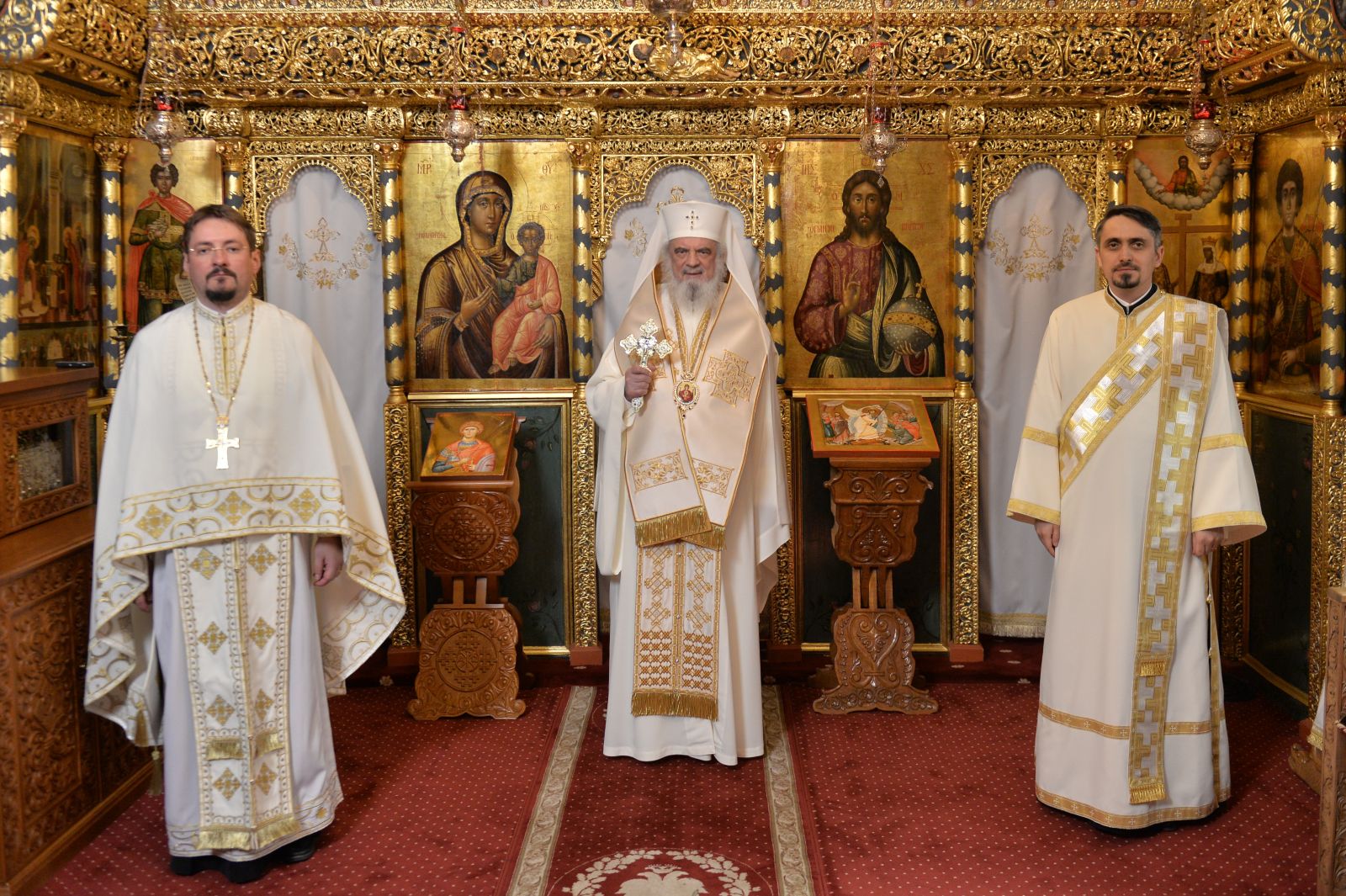
“The luminous garment of the faithful and pure soul is the very presence of God’s grace within human beings,” His Beatitude Patriarch Daniel said on Sunday at St George Chapel of the Patriarchal Residence, where he explained the Parable of the Wedding Feast.
The Patriarch of Romania highlighted four main teachings drawn from Sunday’s Gospel.
The King is God the Father
“The parable in the Gospel for the 14th Sunday after Pentecost is mystical and prophetic, offering teachings concerning the mystery of the salvation of the world in the Lord Jesus Christ, the mystery of the Church and the Christian life,” Patriarch Daniel said.
“The King who prepares a wedding feast for His Son is God the Father Himself. The King’s Son is the Lord Jesus Christ.”
The wedding feast is the call to salvation in the Kingdom of Heaven
His Beatitude explained that the wedding feast represents the salvation of humanity in the Kingdom of God.
“The Bride is the Church, namely the multitude of peoples called to salvation who readily answer the call and, through Baptism, put on the wedding garment of the true faith and holy Christian life.”
When the servants were sent out a second time with the invitation to the wedding feast and went to the crossroads, this represented the calling of the nations, Patriarch Daniel further explained.
“The pagan peoples were also called to salvation because the love of the Heavenly King is universal and embraces all humanity. Even if He gives preference to some, His love does not exclude others,” His Beatitude emphasised.
The Bride is the Church — the nations that answer the call through Baptism
The Patriarch of Romania reviewed explanations given by the Holy Fathers concerning the Gospel passage, according to which all people are called to salvation, but those who answer the call become the chosen.
“All people are called in Jesus Christ to His wedding feast in heaven, to salvation, that is, to the blessedness of communion in love and eternal life. But those who answer God’s call through faith, prayer, a pure life and good works become the chosen,” His Beatitude emphasised.
“They listen to the Holy Gospel, participate in the divine services, partake of the Holy Mysteries, which are the pledge of the wedding feast of the King’s Son, and help people in need.”
“The Gospel of the call to salvation, which God addresses to us for the wedding feast of eternal life, is therefore connected with the mystery of our freedom: Do we answer the call or refuse it? Do we clothe our soul in the new garment of sanctifying grace and a pure life, or do we wear the old garment of sins?” Patriarch Daniel explained.
The call is God’s grace, while the wedding garment is a pure life
His Beatitude went on to explain the meaning of the wedding garment in the parable.
“In fact, the wedding garment is the grace of Christ received at Baptism, as the Holy Apostle Paul tells us: ‘As many of you as were baptised into Christ have put on Christ.’ We have put on Christ in the sense that, through Baptism, we are clothed in the garment of His grace, the garment of His luminous and sanctifying presence within us and around us.”
“That is why at Baptism we pray: ‘Give me a garment of light, O You who clothe Yourself with light as with a garment.’ The luminous garment received at Baptism is the grace of our Lord Jesus Christ, the love of God the Father and the communion of the Holy Spirit,” the Patriarch of Romania emphasised.
His Beatitude explained that this garment of light is acquired through sustained prayer and confession — considered a baptism of tears — as well as through works of mercy.
The Patriarch of Romania concluded his sermon by wishing all pupils, their parents and their teachers God’s help, and that they may feel loved by Christ, the Church, their families and society.
Photo: BASILICA archive / Raluca Ene