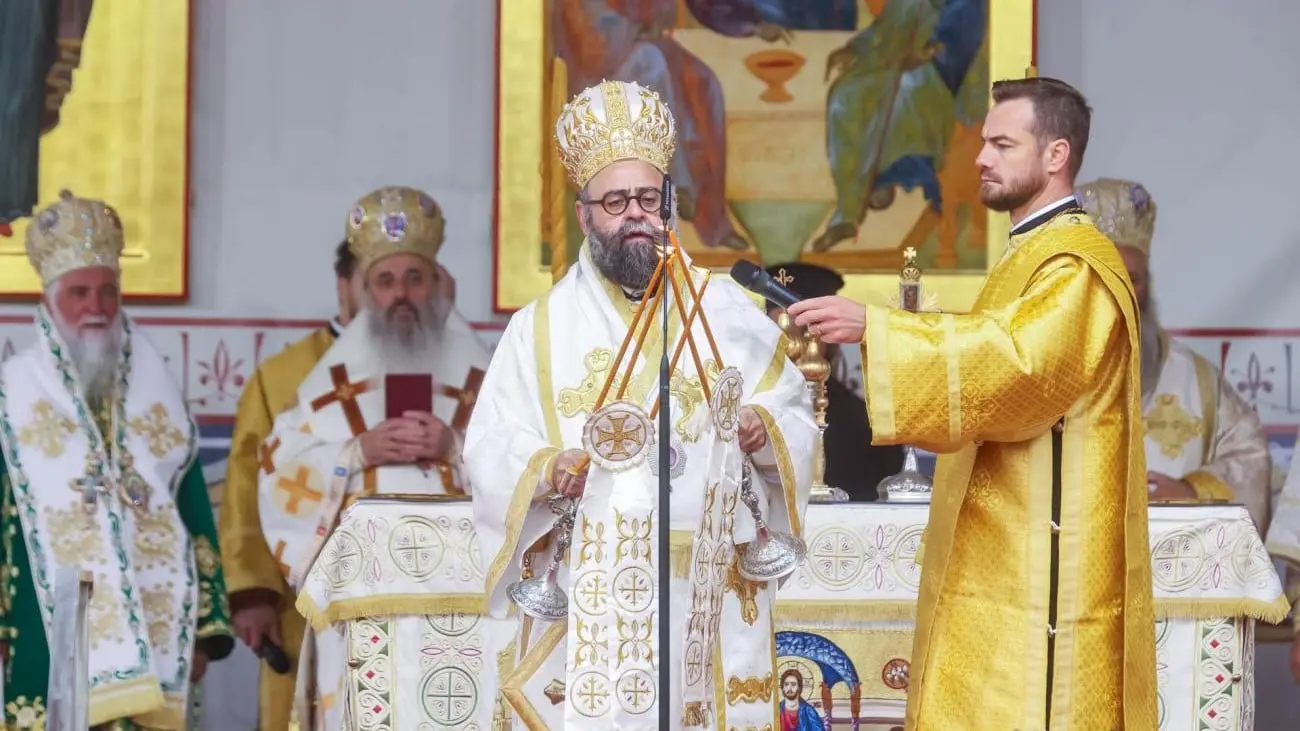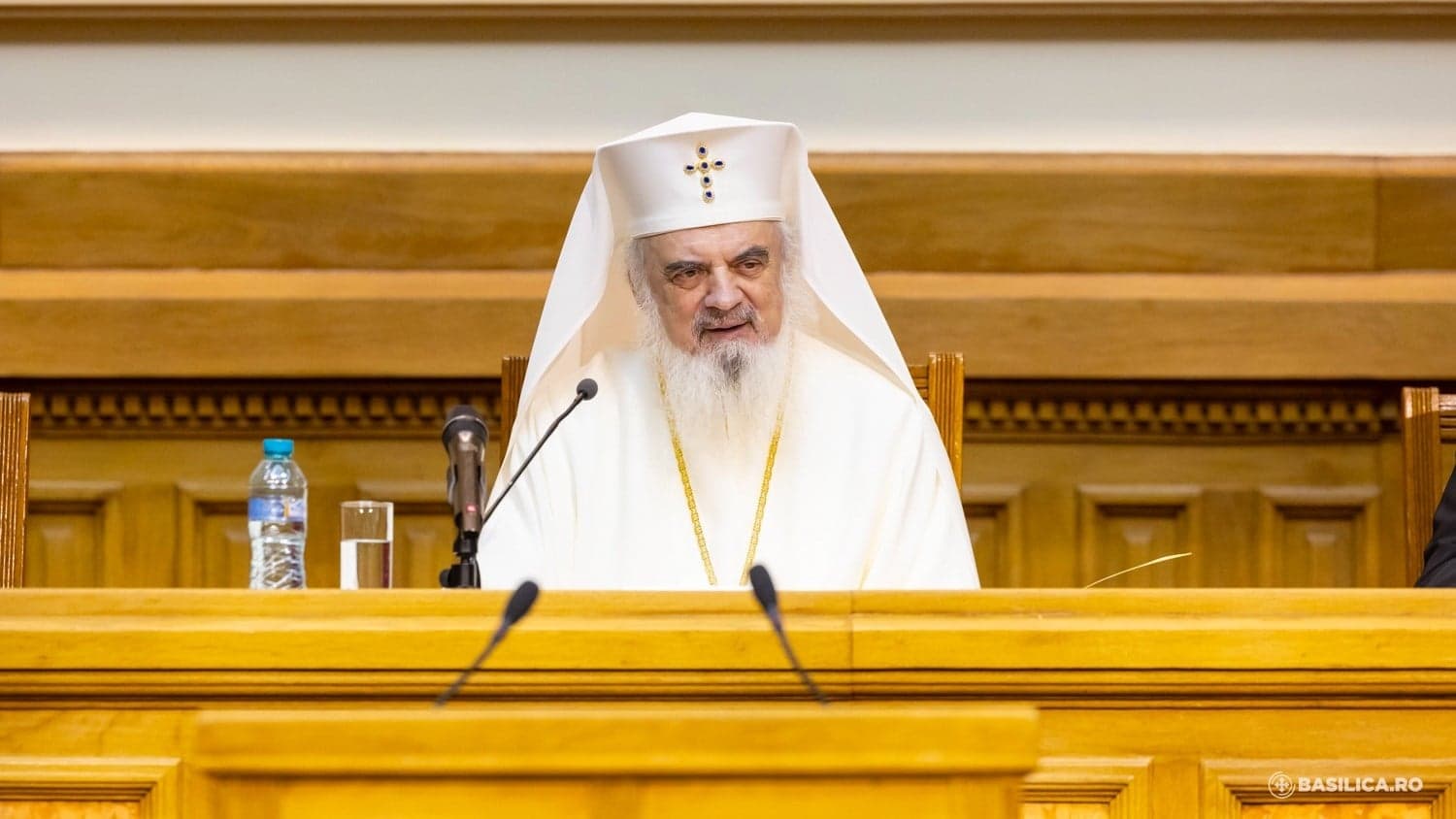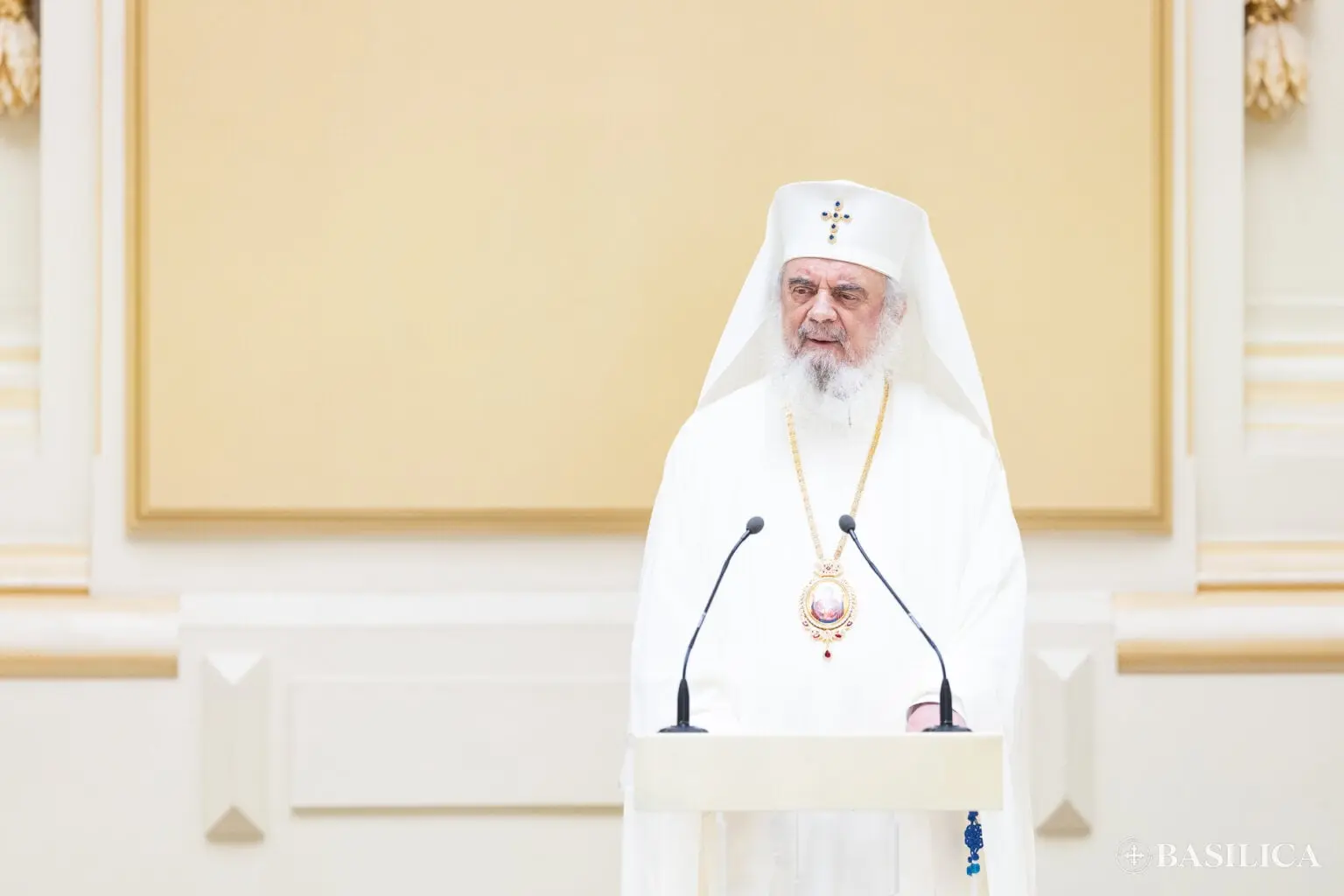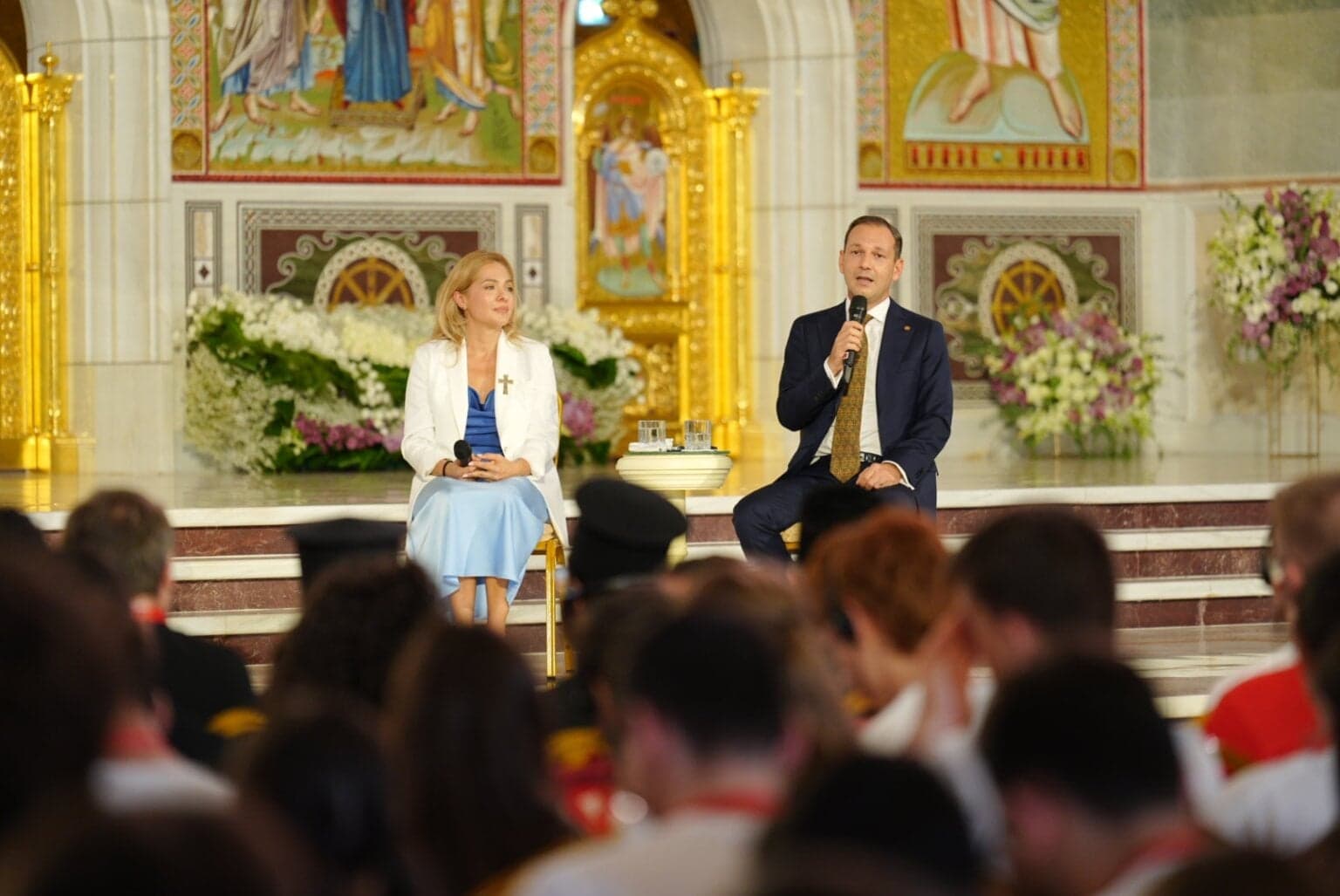
Andreea Ogăraru, a mother of six, and Dr Radu Țincu, a senior physician in Intensive Care and Toxicology at Bucharest’s Floreasca Emergency Clinical Hospital, spoke with participants at the 2026 International Meeting of Orthodox Youth (ITO 2026).
The event took place on Tuesday evening at the National Cathedral in Bucharest and was broadcast live by Trinitas TV, including on the Romanian Patriarchate television station’s Facebook page and YouTube channel. The theme of the discussion was Youth and Family in Today’s Society.
The speakers emphasised that substance and behavioural addictions can arise from the desire to fill a profound emotional void.
“They are searching for something that will satisfy that hunger for love and meaning,” Andreea Ogăraru said of people struggling with addictions.
Families should keep their children close
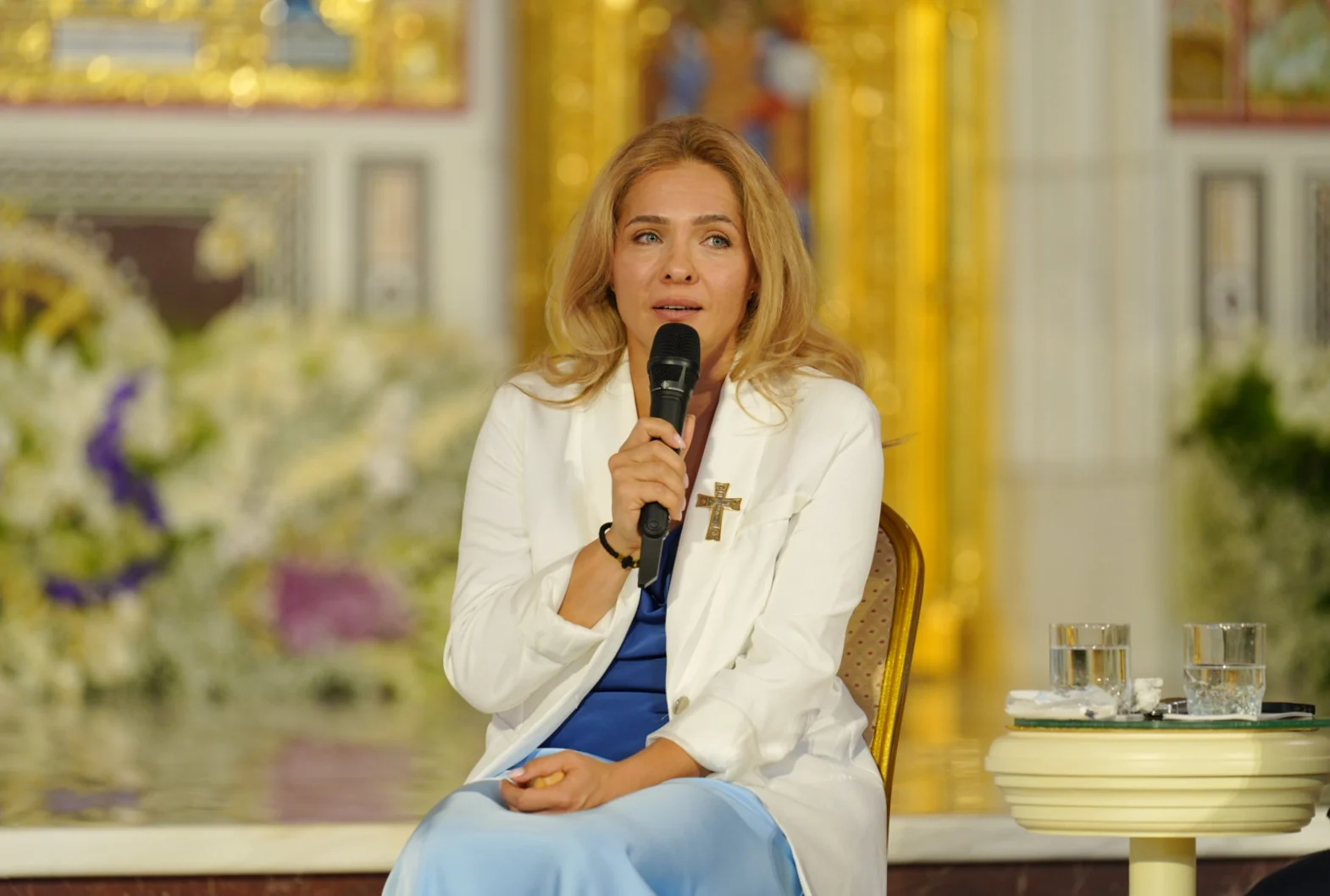
“For a family to have a chance of keeping its children close, it has to stay close to them. You have to hold your child for as long as they need it, day and night, until they feel safe.”
“You have to accompany your child, offer alternatives, do activities together, build something, cook together, plant something in the garden, have them dig — do all kinds of things. In other words, you have to devote your time naturally to your child because, I can tell you sincerely, no child will trade an hour of love with mum and dad — being tickled and hugged, making muffins and doing all those things — for 10 minutes of gaming,” she added.
On addiction
After Andreea Ogăraru noted that technology incorporates addictive algorithms, the discussion also addressed how people manage their technology use. Dr Radu Țincu referred to studies examining the effects of technology on the brains of children and young people.
“It has been observed that certain areas of the brain are particularly affected, especially those responsible for neurocognitive functions such as attention, memory and thinking. Excessive use of technology slows all of these. But by far the most important function affected is attention,” he said.
The power of faith
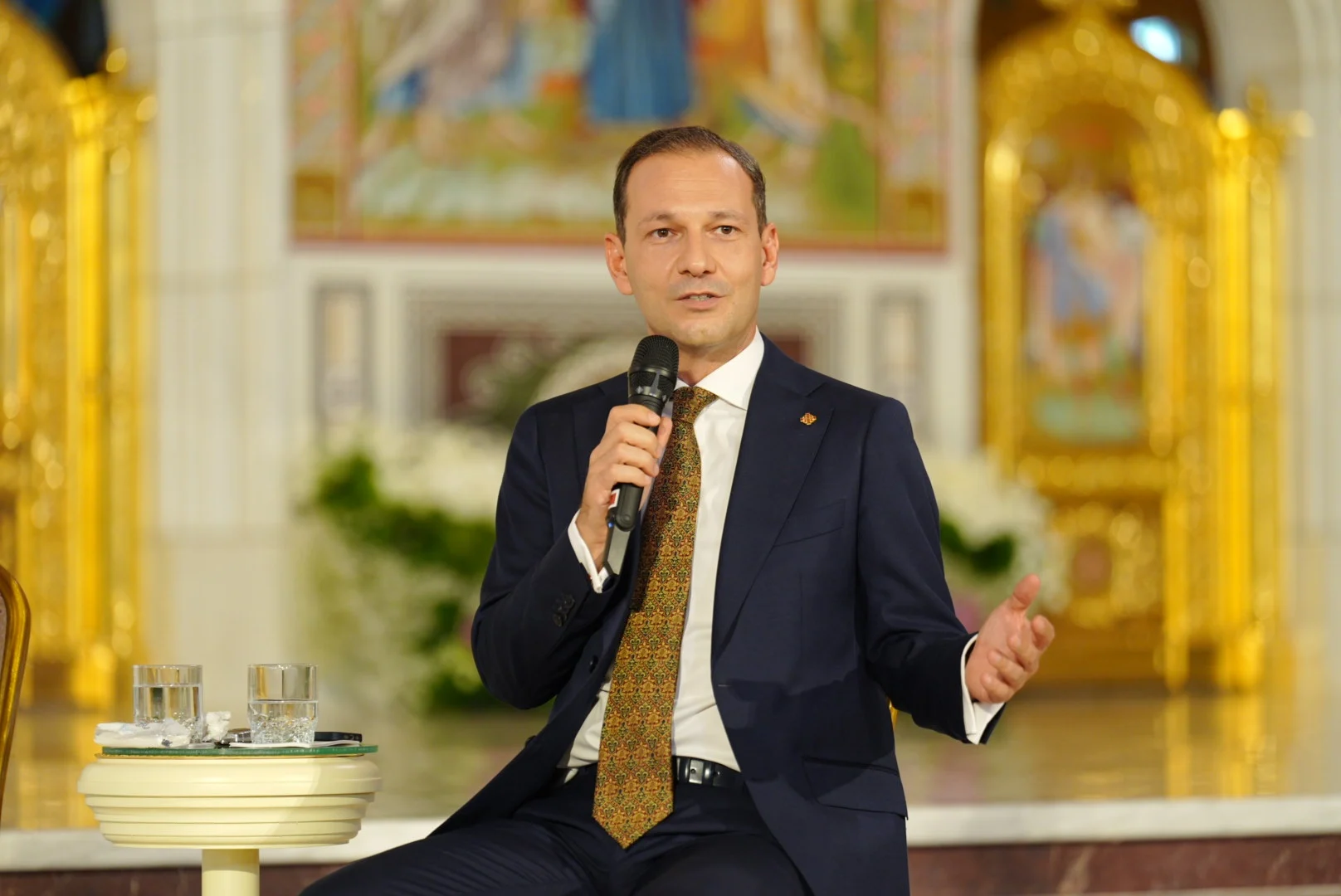
The physician also spoke about the points of reference and roots that faith provides through practising the virtues. He emphasised that family life should be built upon the strength of faith and also spoke about the healing power of prayer.
“We know very clearly that prayer is that form of communication between God and us in which protective neurotransmitters are released in the brain — neurotransmitters that normalise the transmission of electrical impulses,” Dr Radu Țincu said.
“It has been shown that, in patients who are in a coma, for example, in hospital intensive care units, when the service of Holy Unction is celebrated, changes occur in their brain waves during these prayers. This shows us that the power of our prayer, of those around them, is extraordinary.”
Questions from participants
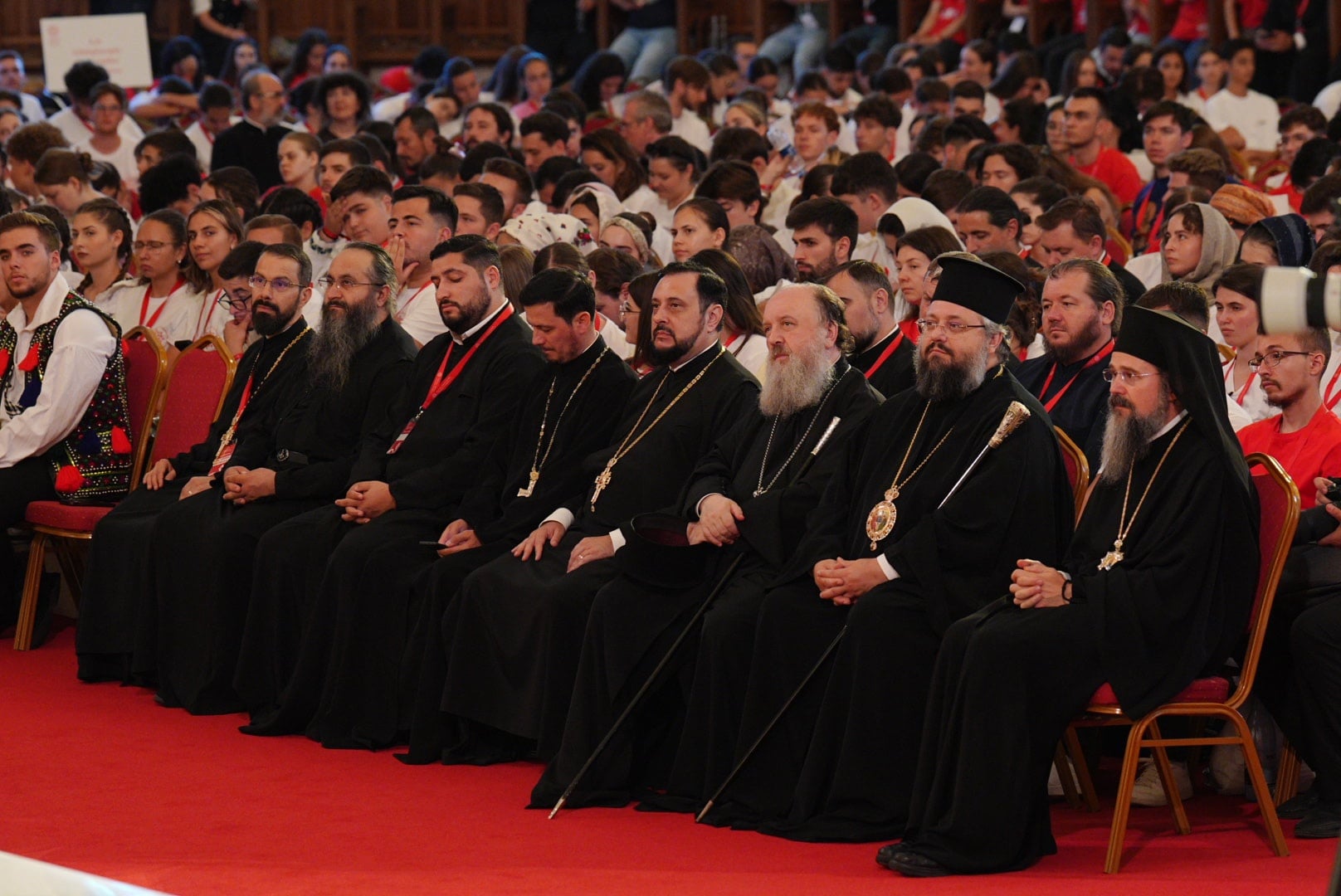
The discussion between the guests, moderated by Trinitas TV presenter Cosmin Iulian Cîrstea, was followed by a question-and-answer session, during which they responded to questions submitted by participants.
Also attending the event alongside the young ITO participants were Bishop Macarie of Northern Europe; Patriarchal Auxiliary Bishop Paisie of Sinaia; Assistant Bishop Timotei of Prahova of the Archdiocese of Bucharest; and clergy advisers from the Patriarchal Administration and the Archdiocese of Bucharest.
ITO 2026 continues in Bucharest
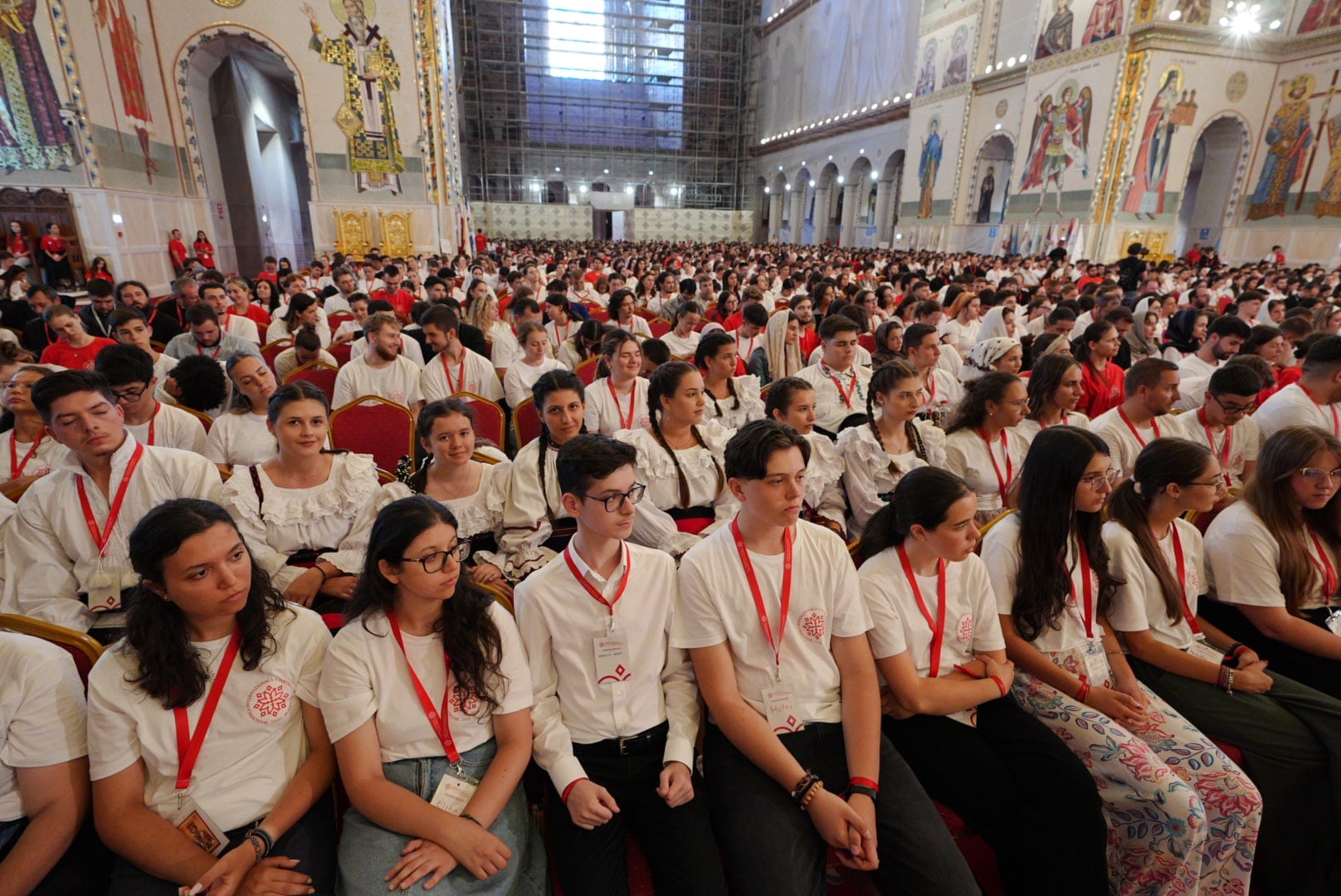
On Wednesday, participants in this year’s ITO will return to the National Cathedral for a discussion with Bishop Macarie of Northern Europe, who will deliver the spiritual conference Youth and the Church in the Orthodox Diaspora: Pastoral Experience in Northern Europe.
The evening will conclude with the Procession of Lights, beginning at the National Cathedral and ending at the historic Patriarchal Cathedral. The route will follow Izvor Street, Calea 13 Septembrie, Libertății Boulevard, Constitution Square, Unirii Boulevard, the western side of Unirii Square and the Hill of Joy.
Photo: Lumina Newspaper / Mircea Popa