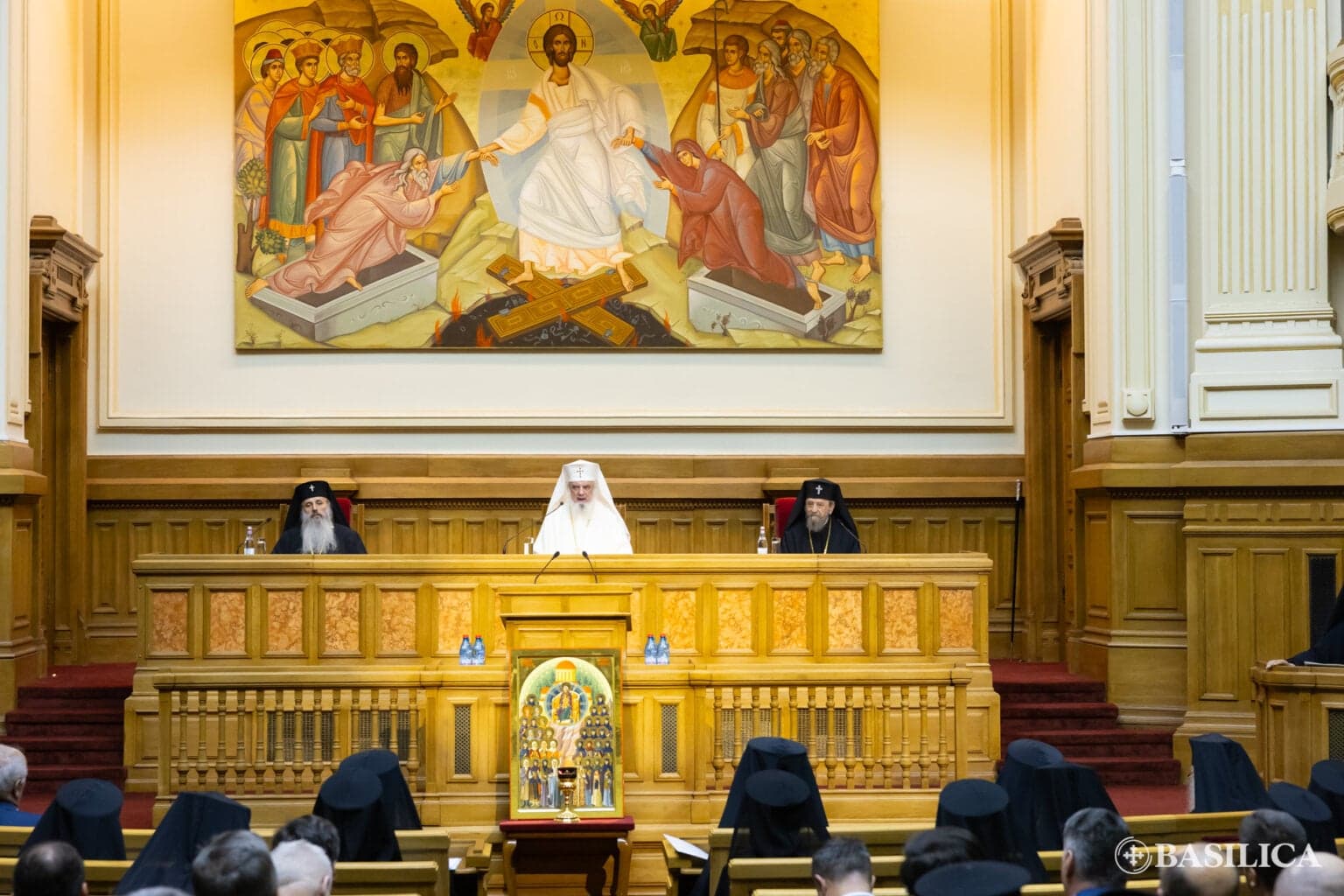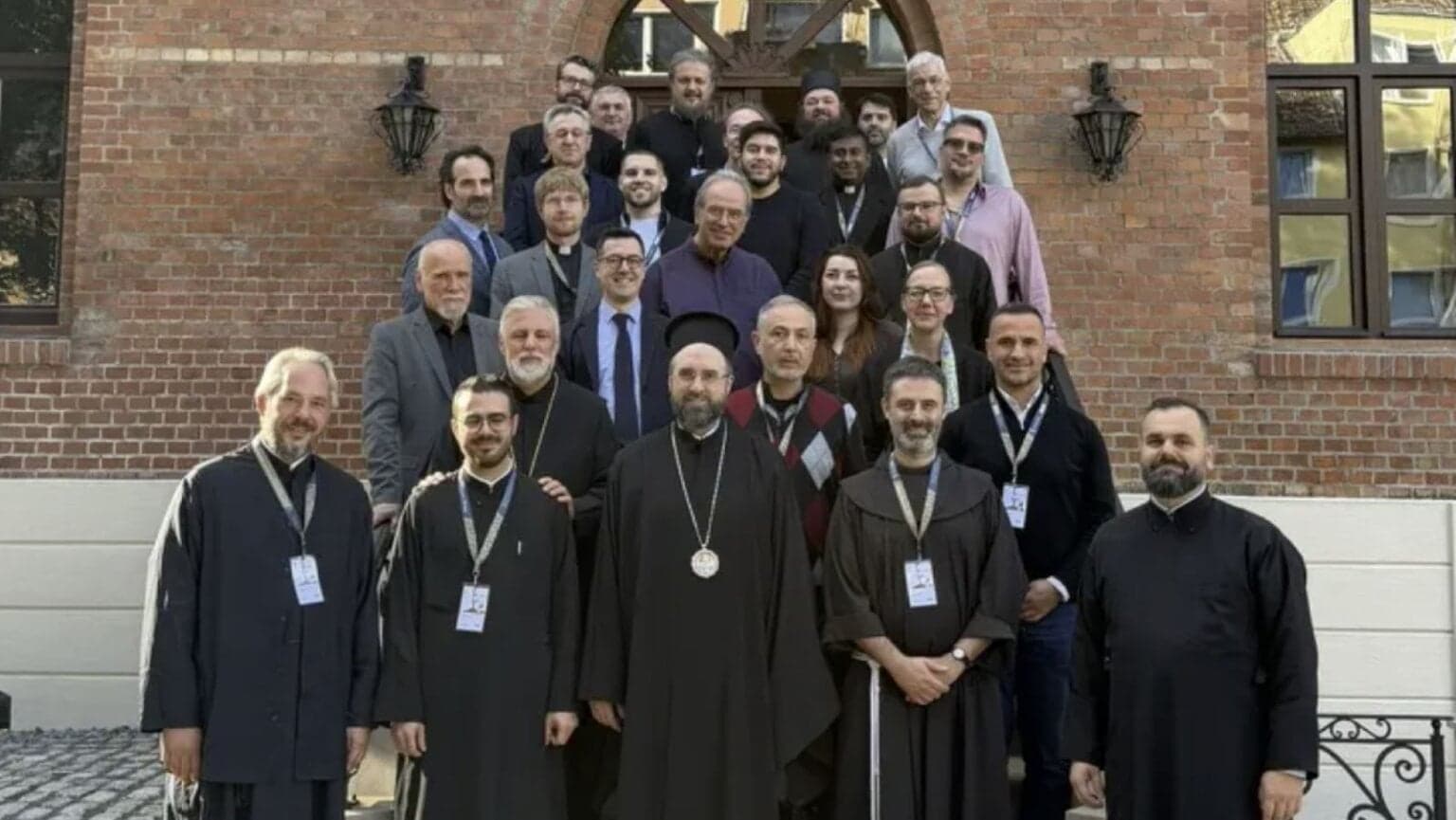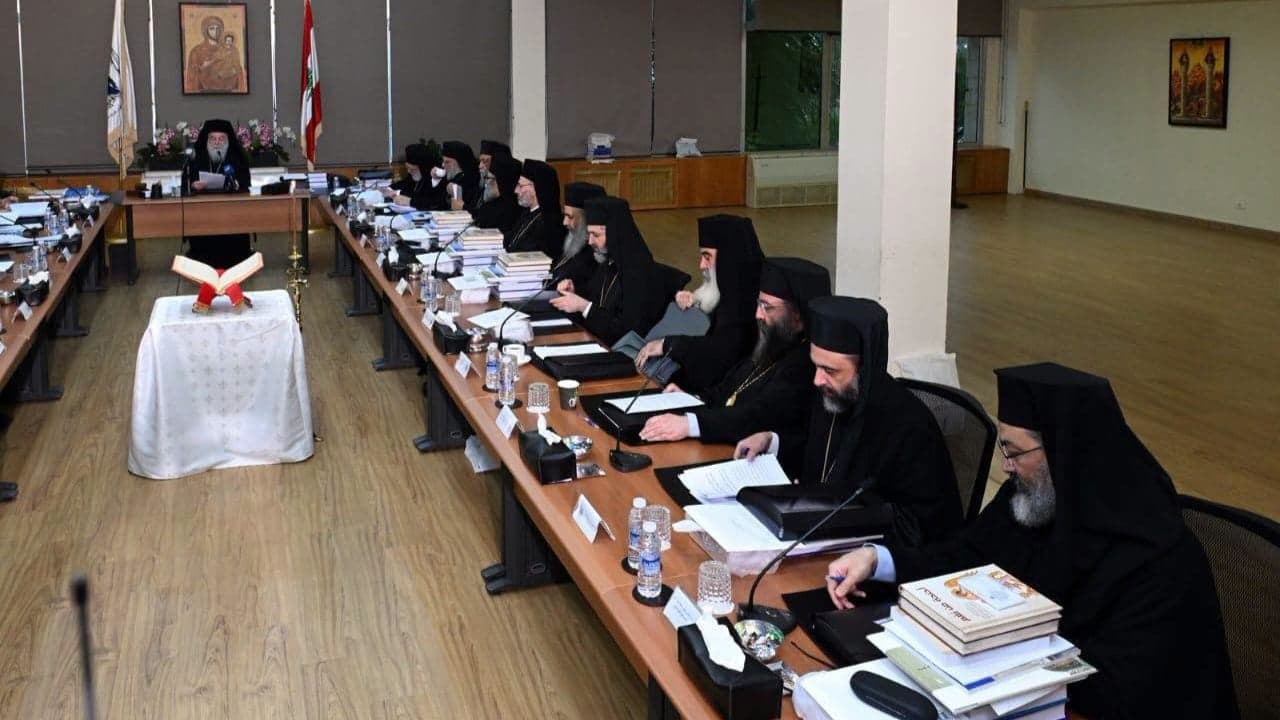
During its meeting at Balamand Monastery in Lebanon from 20 to 24 October 2026, the Holy Synod of the Patriarchate of Antioch examined social media’s role in the Church’s mission and reaffirmed the importance of lay participation in ecclesial life.
Meeting under the presidency of His Beatitude Patriarch John X of Antioch, the bishops reviewed the situation of dioceses in the Middle East and the diaspora, the challenges facing Christian communities and the pastoral needs of clergy and the faithful.
Digital media as an opportunity for evangelisation
During its session on 23 October, the Holy Synod discussed the impact of the media, digital transformation and social media on Church life and pastoral ministry.
Recognising the importance of these developments, the bishops decided to study the subject in greater depth, considering digital technologies as an opportunity for evangelisation, teaching and demonstrating the unity of Orthodox witness.
The Synod also emphasised the importance of laypeople’s active participation in Church life through ecclesiastical bodies and committees governed by parish council regulations.
The bishops examined political, social, economic, legal and liturgical challenges affecting dioceses in the Middle East and abroad.
They also discussed young people and vocations to the priesthood and monastic life, particularly in the diaspora.
Support for southern Lebanon
The Synod considered the situation in southern Lebanon, where recent events have severely affected communities.
After receiving a report from Metropolitan Elias Kfoury, the diocesan bishop, the hierarchs decided to contribute towards meeting local needs as far as possible.
The Holy Synod also approved an amendment to the Patriarchate of Antioch’s personal status law and rules of judicial procedure.
Call for dialogue and national unity
On the final day of the meeting, 24 October, Lebanese political representatives joined the discussions, including Deputy Speaker of Parliament Elias Bou Saab and several members of parliament.
Dr Elias Warrak, President of the University of Balamand, also participated.
The participants emphasised the need for dialogue and cooperation between religious authorities and political leaders to serve the national interest, strengthen national unity and promote peaceful coexistence.
They reaffirmed the Antiochian Orthodox Church’s role in maintaining bonds of fraternity and cooperation with Christians and Muslims in Lebanon.
The discussions also addressed the difficulties facing Christian communities in Lebanon, Syria, Palestine, Iraq, Jordan and the wider region.
Participants stressed that these challenges extend beyond military security to social, political and economic conditions, particularly the need to secure livelihoods and protect human dignity amid regional wars and crises.
They called for violence in all its forms to be confronted, for weapons to remain exclusively under state authority, and for an independent and impartial judiciary capable of protecting citizens’ rights and dignity.
Concern was also expressed about the continued emigration of families, young people and skilled professionals, declining birth rates and the need for a shared vision to preserve the presence and contribution of Christian communities in the region.
The participants emphasised the Church’s spiritual and national role in bringing communities together and fostering responsible citizenship.
Prayers for victims of attack in Jordan
At the conclusion of the 23 October session, the bishops prayed for the repose of those killed in a terrorist attack targeting St George’s Church in Karak Governorate, Jordan, earlier that day.
They expressed condolences to the families of the victims and prayed for the recovery of those injured.
At the conclusion of the Synod’s proceedings on 24 October, the bishops offered prayers for the faithful in the Middle East and throughout the diaspora, asking God to grant peace to the world and consolation to those experiencing grief and hardship.