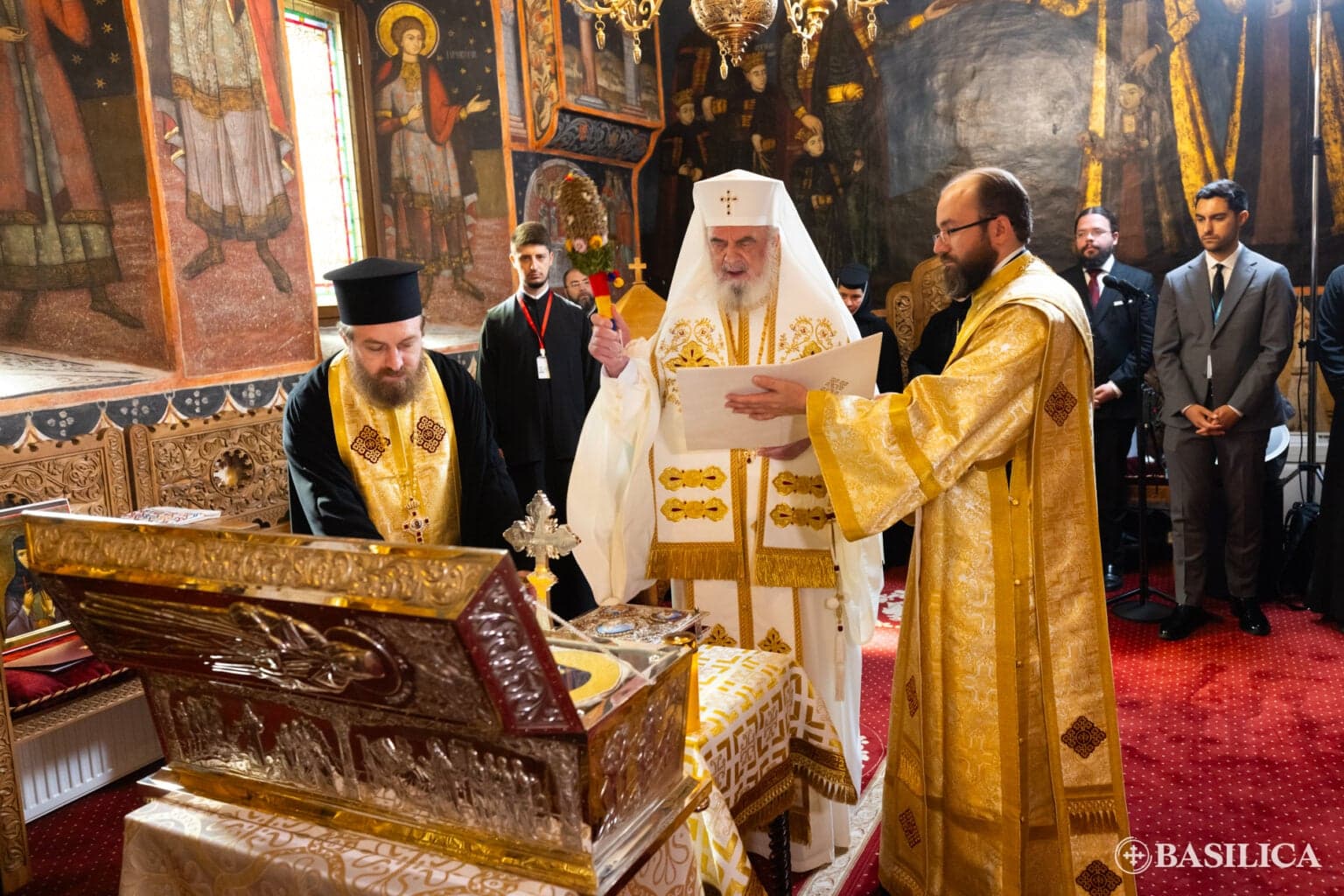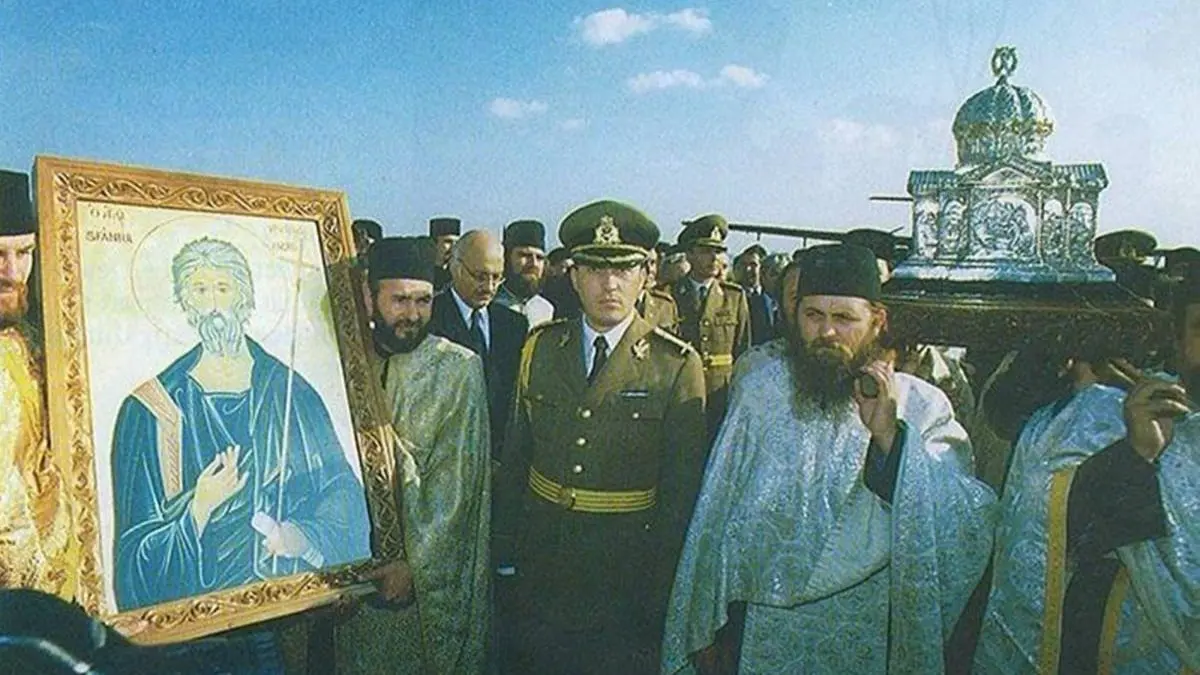
Monday marked 30 years since Iași received the relics of the Holy Apostle Andrew for the feast of St. Parascheva. The historic event drew more than one million faithful to the city, Moldavia’s traditional capital.
The reliquary containing the Honourable Skull of the Holy Apostle Andrew arrived on 12 October 1996, accompanied by a delegation from the Church of Greece led by Metropolitan Nikodimos of Patra. The pilgrimage continued until 19 October.
From the evening of 16 October until 17 October, the relics of St Andrew were also taken to the cathedral in Galați.
On 19 October 1996, the holy relics returned to Patra, accompanied by the Greek delegation.
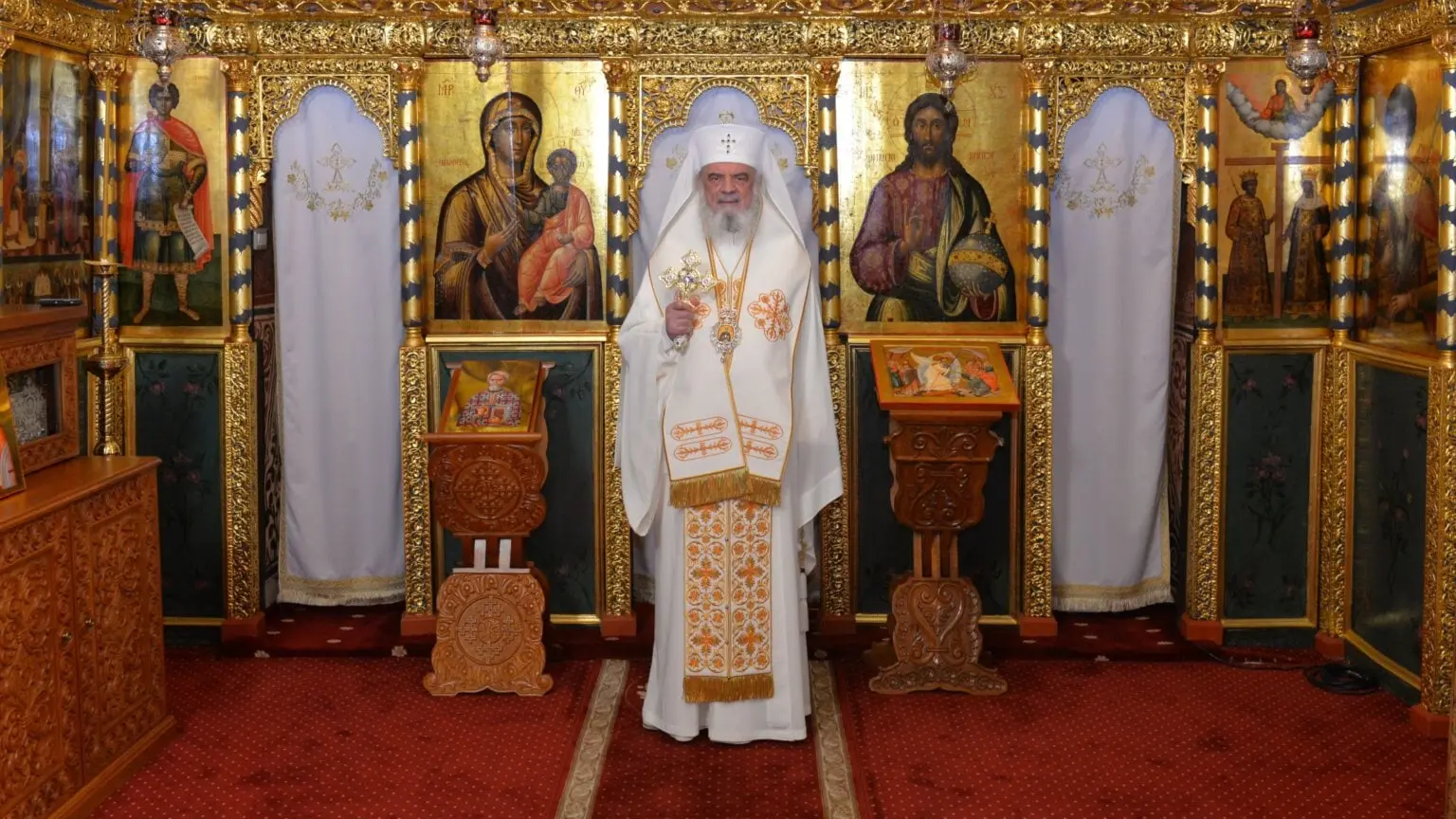
The initiative to bring the venerable head of the Holy Apostle Andrew to Iași belonged to His Beatitude Patriarch Daniel, who was then Metropolitan of Moldavia and Bukovina.
A new feast in the Church calendar
In 1997, at the proposal of Patriarch Daniel, then Metropolitan of Moldavia and Bukovina, the feast of the Bringing of the Relics of the Holy Apostle Andrew to Iași was added to the Romanian Orthodox calendar on 13 October.
In 1995, the Holy Synod decided to mark the feast of St Andrew with a red cross in the Church calendar, indicating its particular liturgical importance.
In February 1997, the Holy Apostle Andrew was proclaimed the Protector of Romania. In 2002, the Holy Synod decided that his feast should become a National Church Feast.
In 2012, the Romanian Parliament also designated 30 November, the feast day of the Holy Apostle Andrew, as a public holiday.
As an expression of the Romanian people’s honour and devotion to St Andrew, the National Cathedral has the Holy Apostle as one of its patron saints.
Its other patronal feast is the Ascension of the Lord, which is also observed as Romanian Heroes’ Day.
Photo: Lumina Newspaper