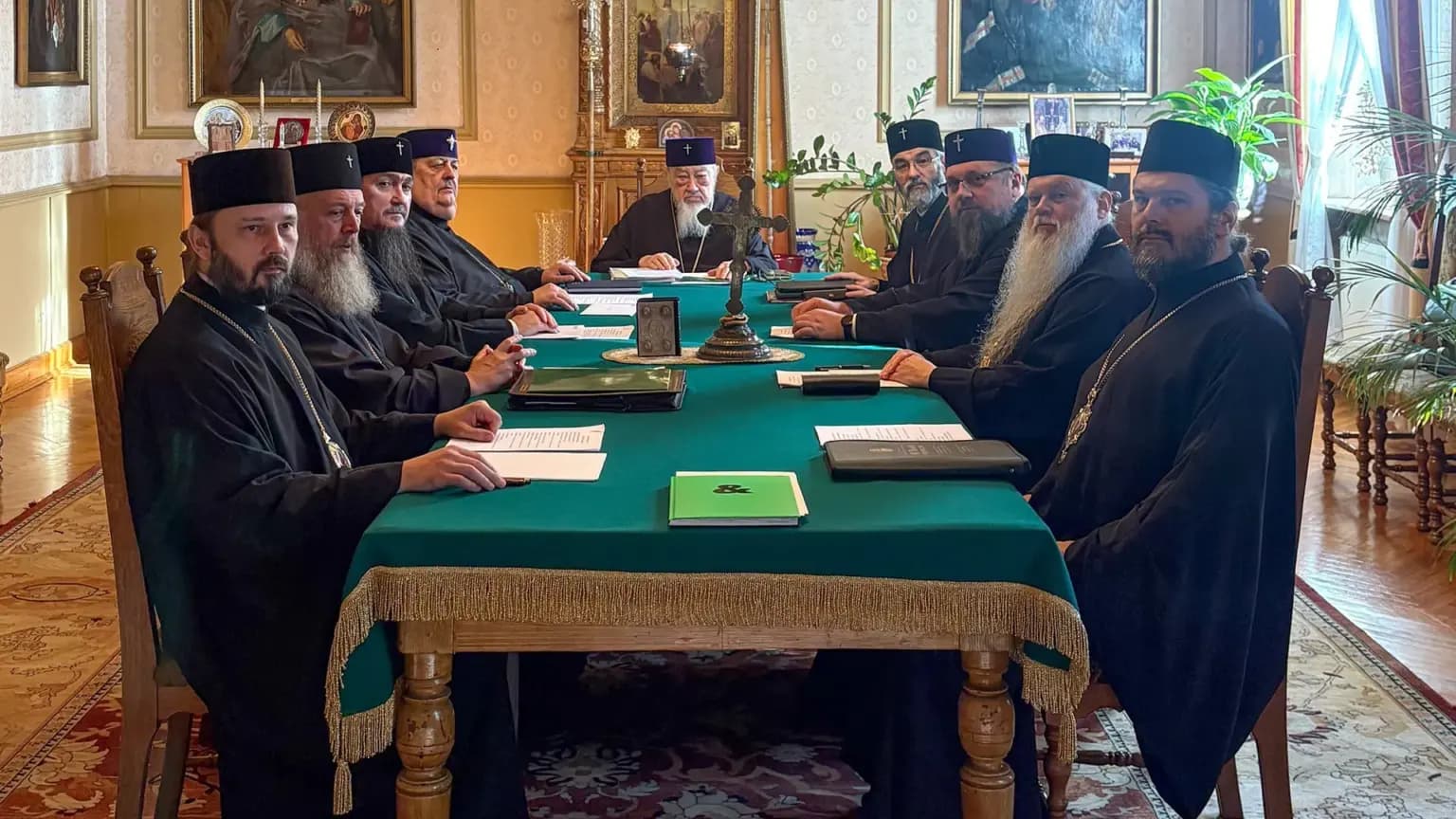
“Religious education supports the growth and development of the younger generation,” Polish Orthodox bishops said last week following the autumn session of the Holy Synod of the Polish Orthodox Church.
“Education authorities, school headteachers and parents should be aware of this and make every effort to eliminate anything that does not contribute to human development,” the members of the Polish Orthodox Synod added.
The appeal, accompanied by a report on religious education, came against the background of changes introduced in Poland since 2024.
Religious education in Poland
In Poland, the Constitution and education legislation guarantee religious education. The subject is optional.
Since 2024, grades in religious education have no longer been included in pupils’ annual grade averages. In 2025, the time allocated to the subject was reduced from two hours to one hour per week, with classes required to take place at the beginning or end of the school day.
Church representatives and parents have criticised what they regard as the marginalisation of religious education, arguing that the timetable discourages participation, particularly among pupils who commute to school.
Poland’s Constitutional Tribunal has also ruled that recent measures affecting religious education were unconstitutional because the government introduced them without consulting representatives of Churches and religious communities.
Studies indicate declining participation in religious education among Polish pupils, particularly in major cities and at lower secondary level, against a background of a marked decline in religiosity among young Poles.
The agenda of the autumn session of the Holy Synod of the Polish Orthodox Church also included matters concerning external relations, as well as administrative and liturgical decisions affecting Church life and its relationship with society.