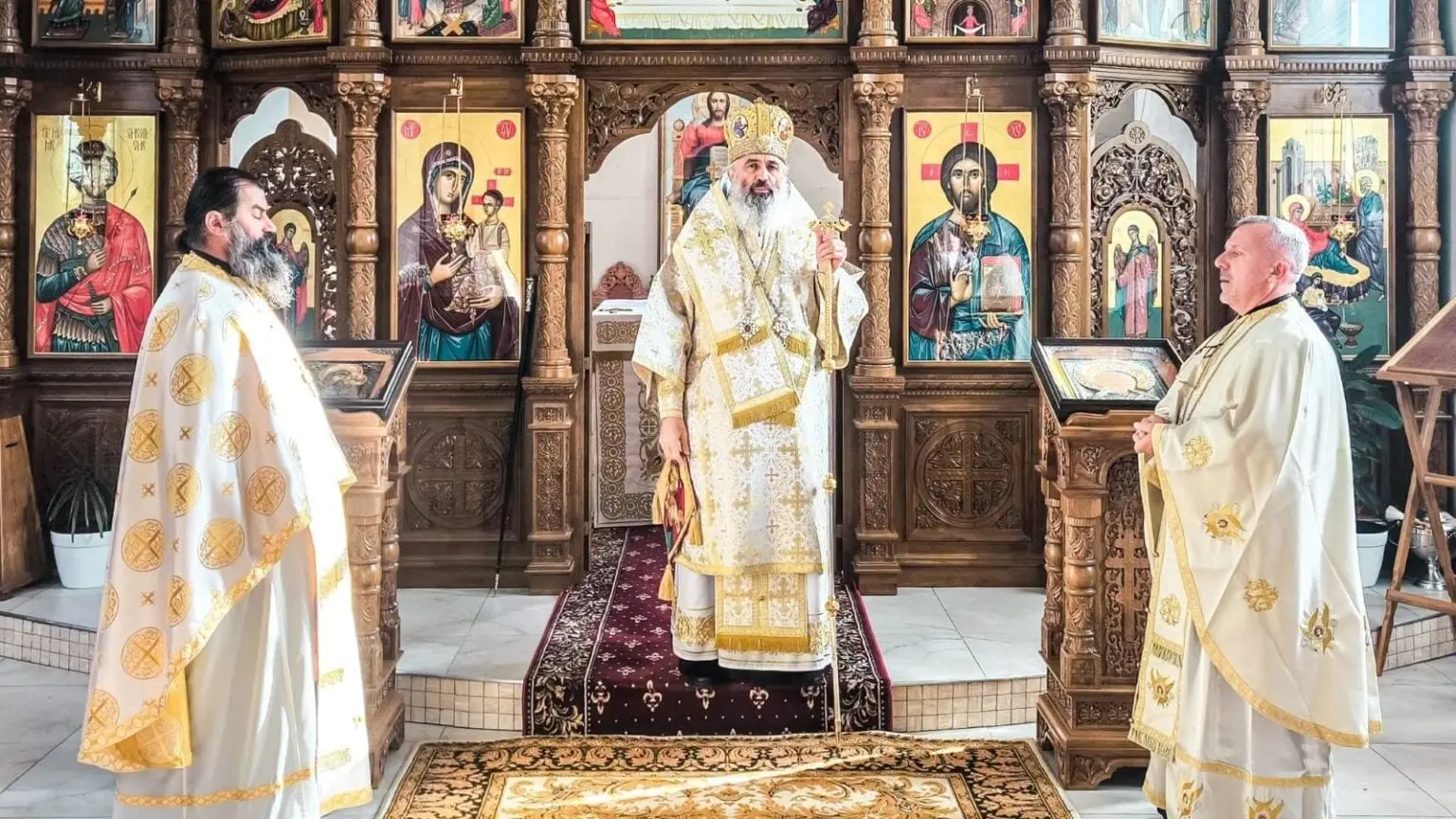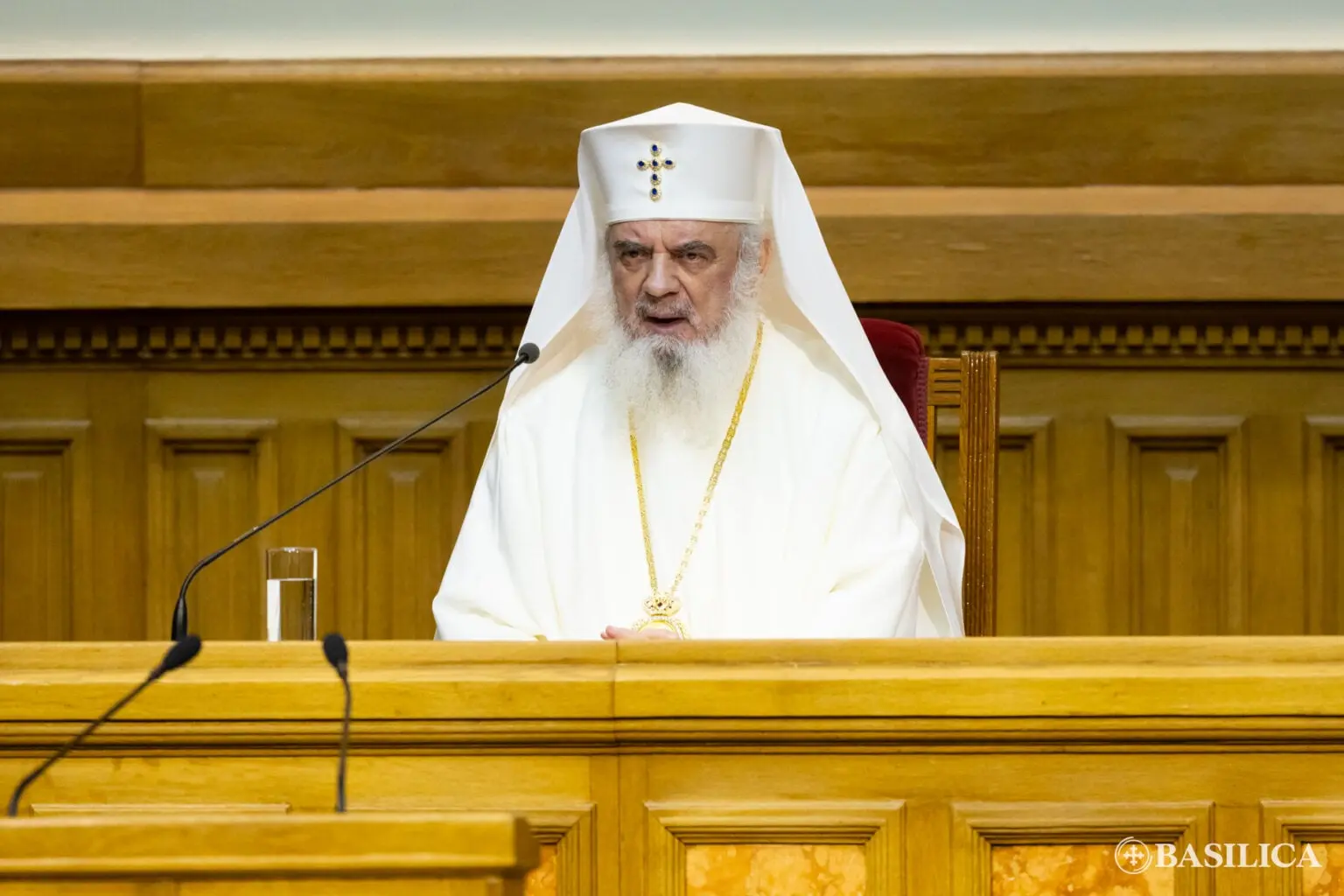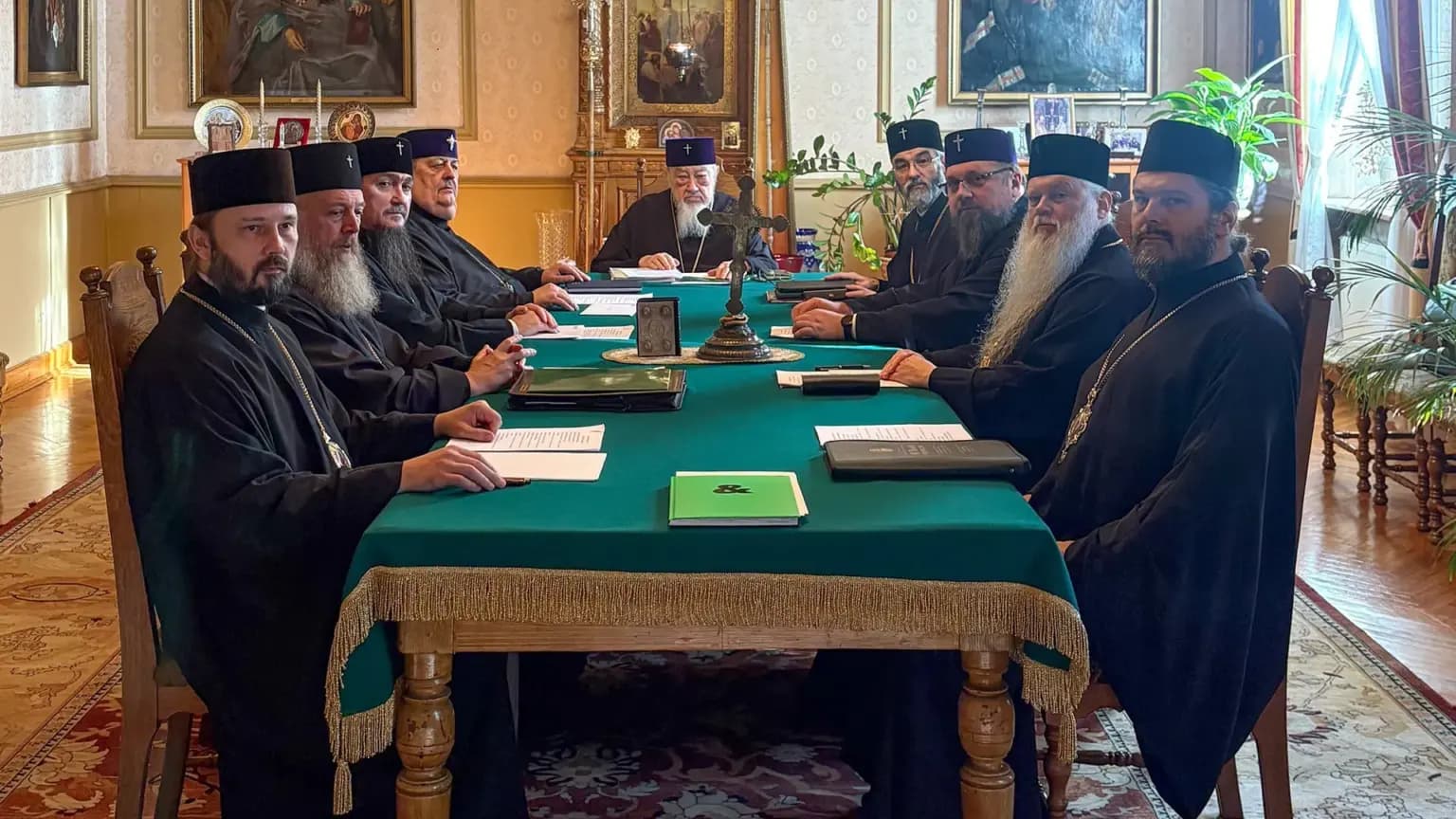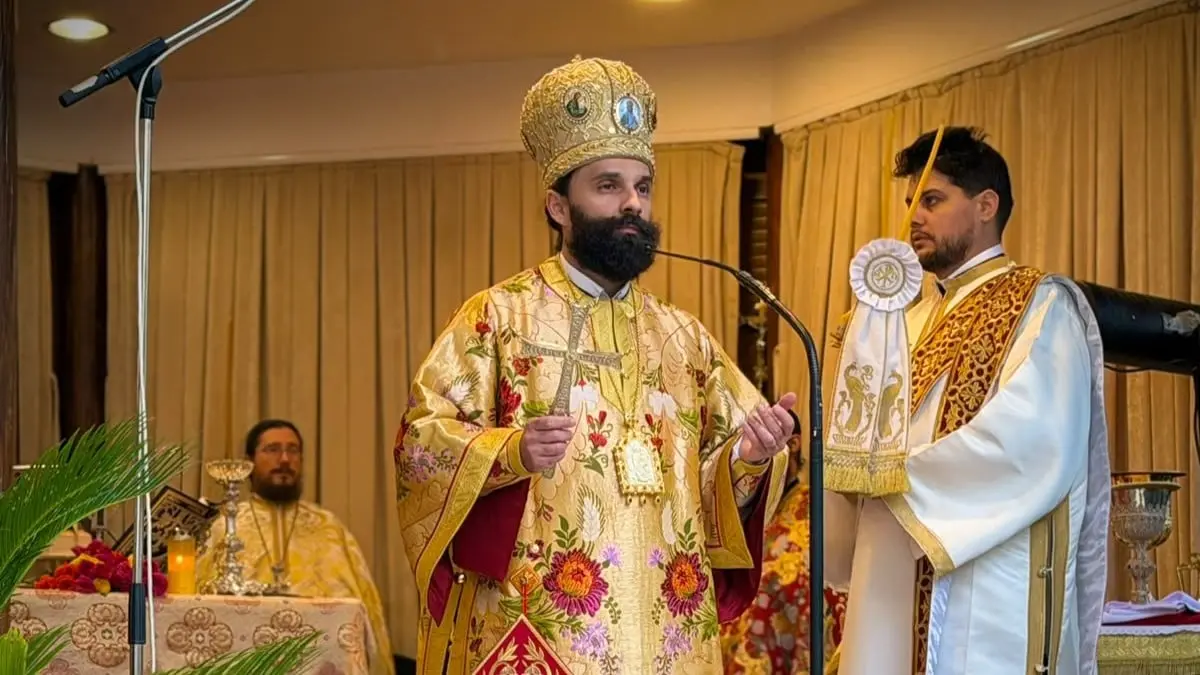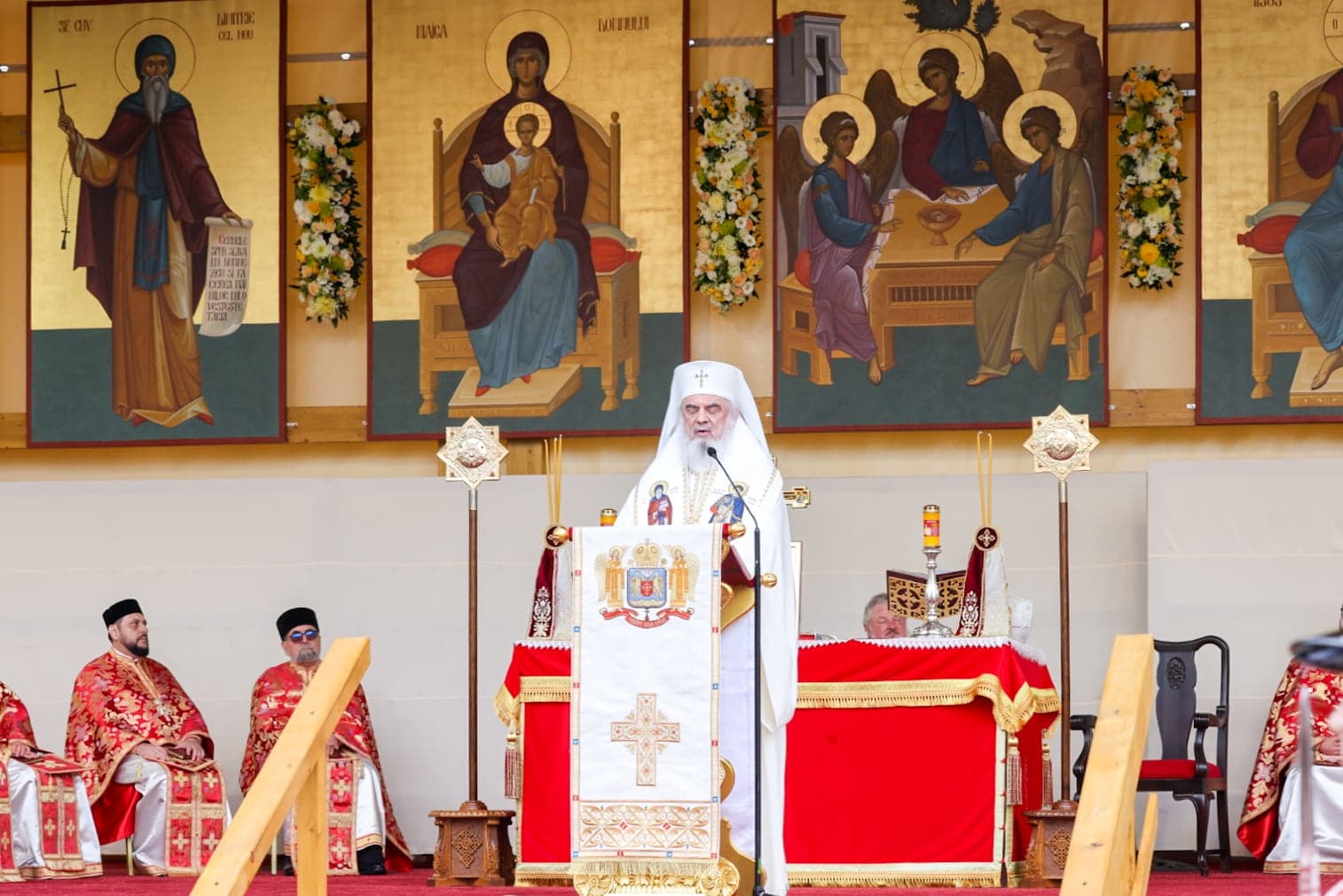
Members of the Holy Synod of the Polish Orthodox Church, meeting in Warsaw last week, established the burial rites for children who die at birth or before birth.
Responding to enquiries from Polish Orthodox Christians in the Kraków area concerning the burial of stillborn children, the Synod clarified that the mandatory practice established in the Orthodox Church is for these children to be laid to rest following a brief prayer for them and a prayer for their parents, invoking God’s mercy. The Divine Liturgy is not to be celebrated.
On this occasion, the Polish hierarchs also reaffirmed that the Church does not permit the cremation of the bodies of the departed.
Polish law recognises the humanity of unborn children
In Poland, the remains of children who are stillborn or die before birth are regarded under the law as human remains, regardless of the stage of pregnancy, and may not be treated as medical waste.
Consequently, the bodies of these children cannot be incinerated together with medical waste.
In many cases, hospitals notify social welfare institutions, which take responsibility for the children’s remains and arrange collective burials in public cemeteries, in the presence of a priest and with a simplified ceremony.
This takes place only when the parents have confirmed in writing that they do not wish to take responsibility for the remains.
Otherwise, parents have the right to collect their child’s body from the hospital and arrange a private funeral, whether the child died at birth or before birth, regardless of the stage of pregnancy.
A funeral allowance of 7,000 Polish złoty (approximately €1,600) is also available.
Legal provisions and Church rites in Romania
For parents in Romania, it is useful to highlight an option provided for under the country’s legal framework.
According to Romanian Ministry of Health Order No. 359/2012, a child completely expelled or extracted from the mother’s body after 24 weeks of pregnancy is registered as a live birth only if signs of life are present. In their absence, the case is classified as an abortion.
The same regulation provides that a child expelled or extracted without signs of life after 28 weeks of pregnancy is declared a stillborn foetus.
In this situation, parents have the right to choose between burial and cremation.
For pregnancy losses occurring between 24 and 28 weeks, although the legislation does not explicitly provide for parents’ right to collect their child’s body for burial, hospitals may in some circumstances accept such requests.
In practice, parents may be asked to provide a certificate confirming that a burial place has been secured for the child.
A farewell that can help parents psychologically
One of the demands of the March for Life in Romania and the Republic of Moldova is the introduction of a legal provision allowing families, at the mother’s request, to receive the body of a child lost at any stage before birth, so that the child may be given a burial appropriate to a human person.
In 2016, the Romanian Orthodox Church adopted a rite for unbaptised children lost through miscarriage or at birth.
The rite is included in the Church’s liturgical books, and parents may ask a priest for the prescribed service.
“These services bring comfort to grieving parents,” said Emanuel Buta, a programme director in the Youth Mission Department of the Mission Sector of the Archdiocese of Iași and author of the booklet Parents’ Testimonies and Church Rites Concerning the Loss of a Child through Miscarriage or at Birth.
During the 2020 March for Life, with the support of the Pro Vita Department of the Archdiocese of Iași, he launched the website fratelemeudincer.ro, where parents can share their experiences, find guidance and support, and connect with a community of people who have gone through similar experiences.