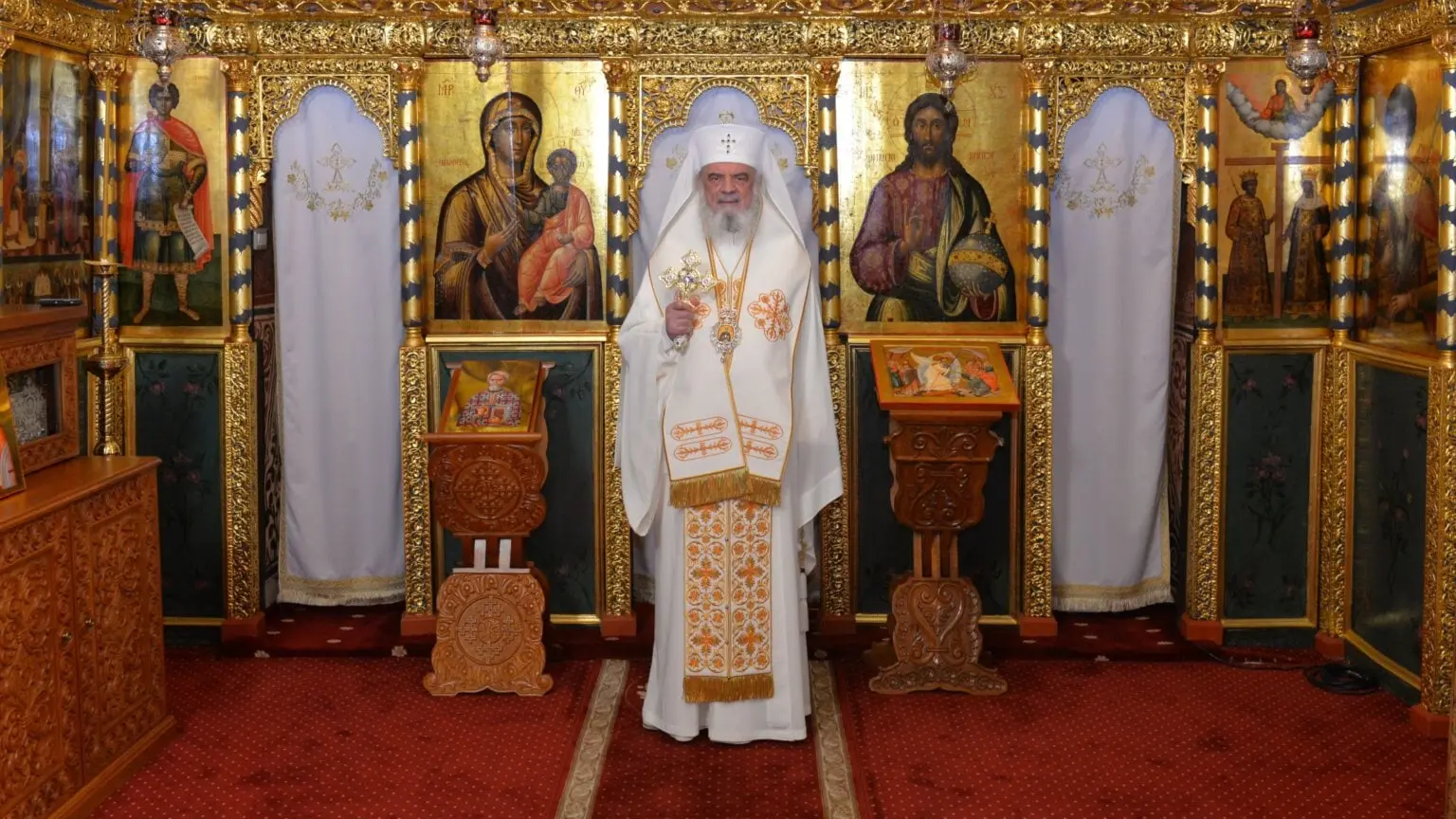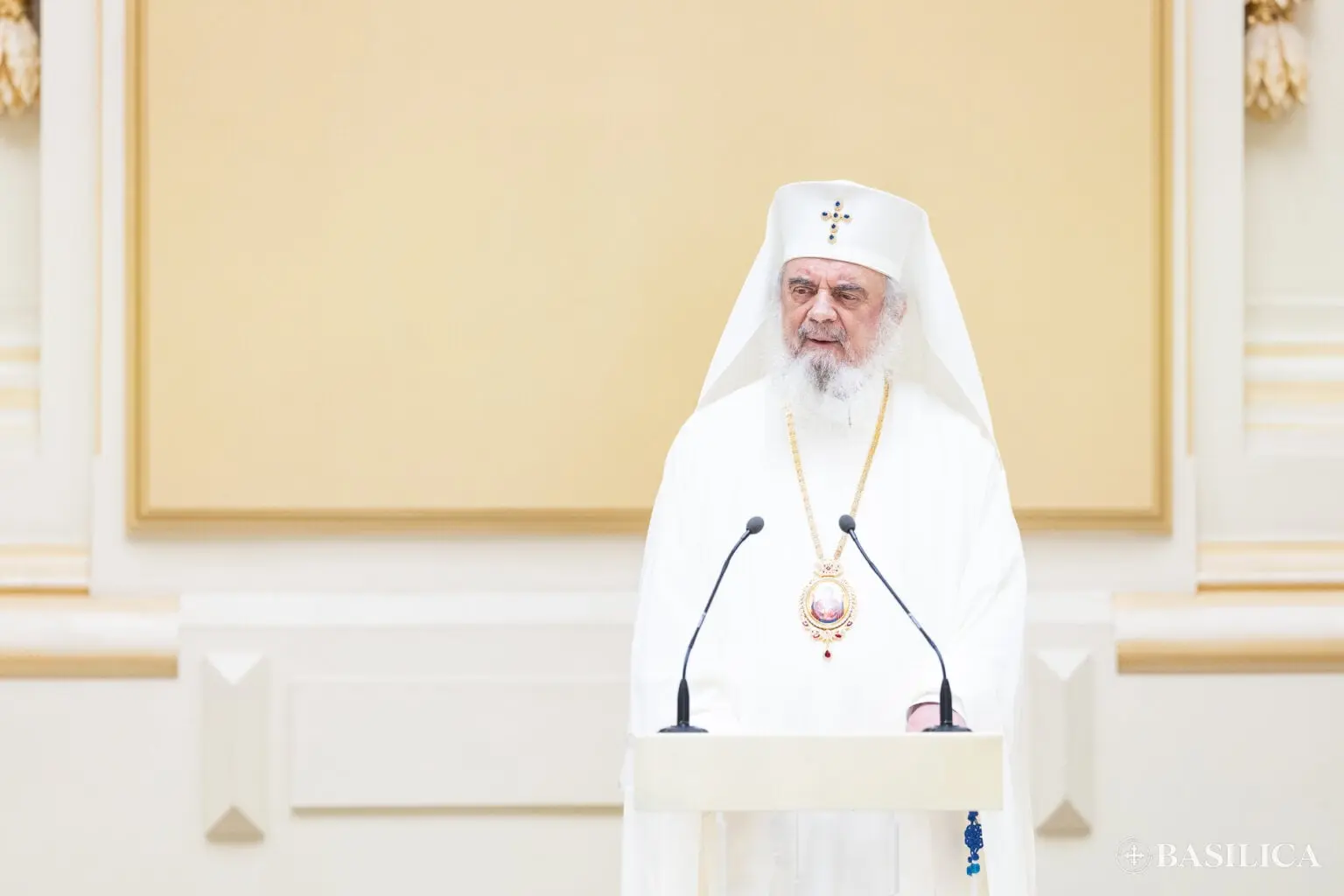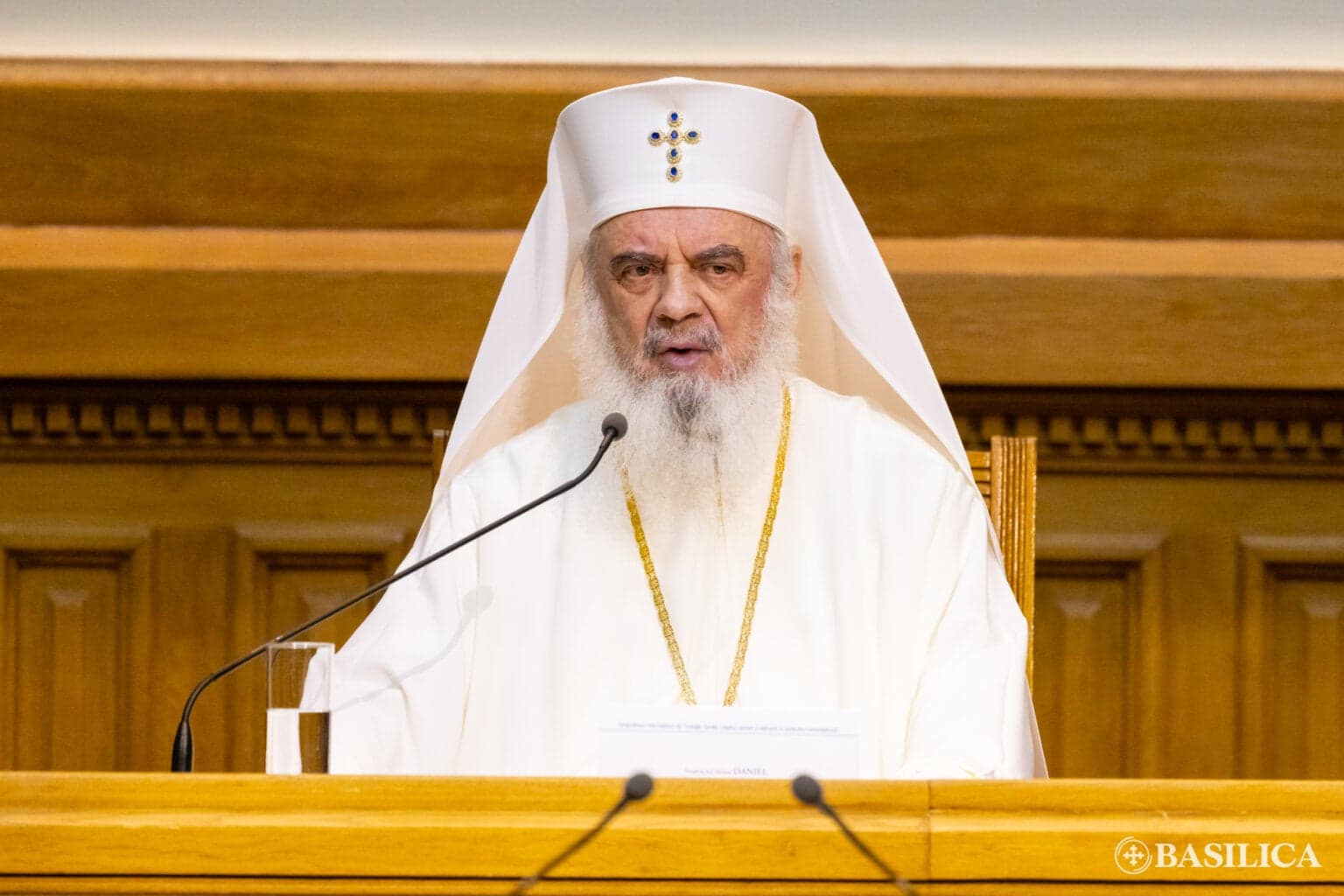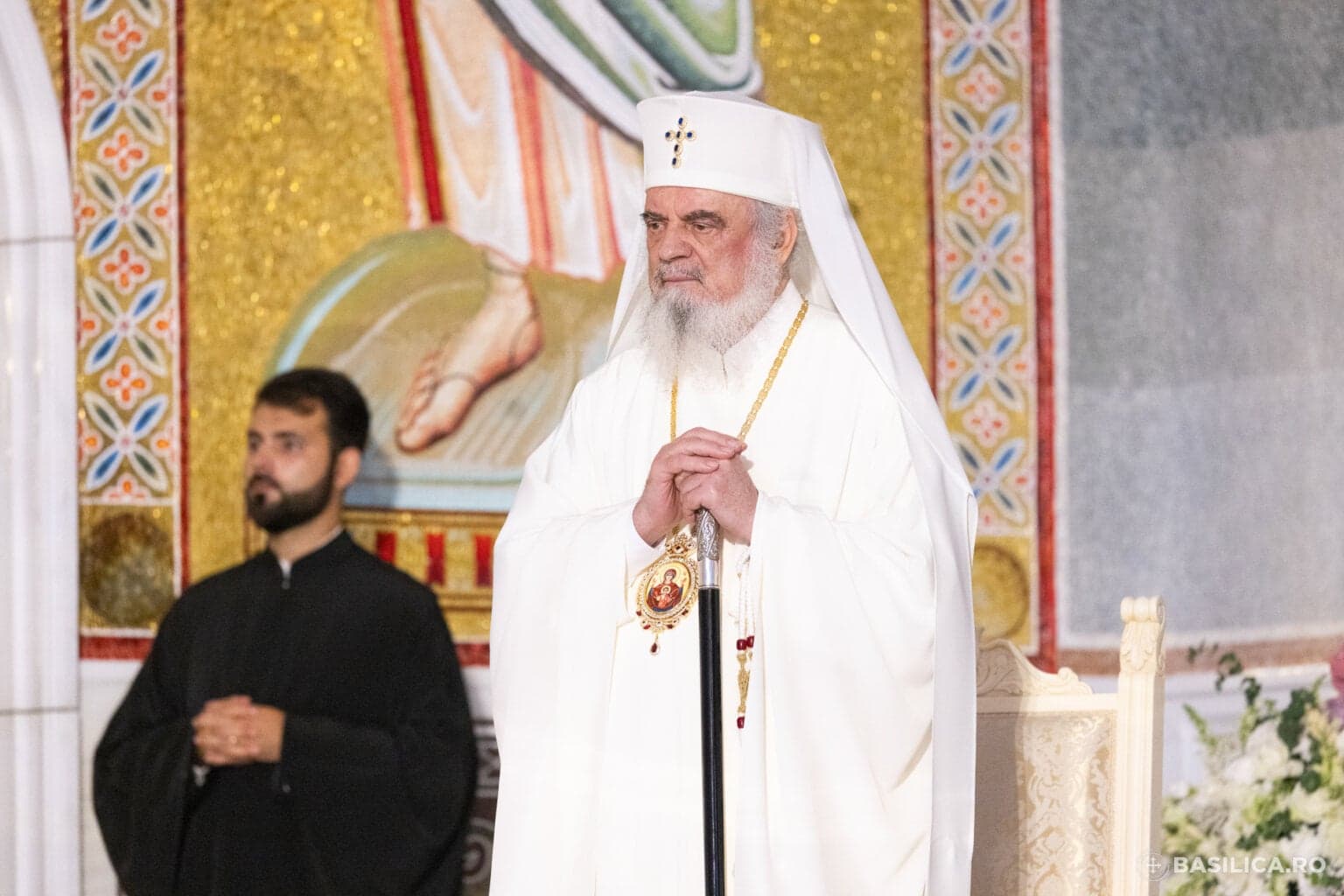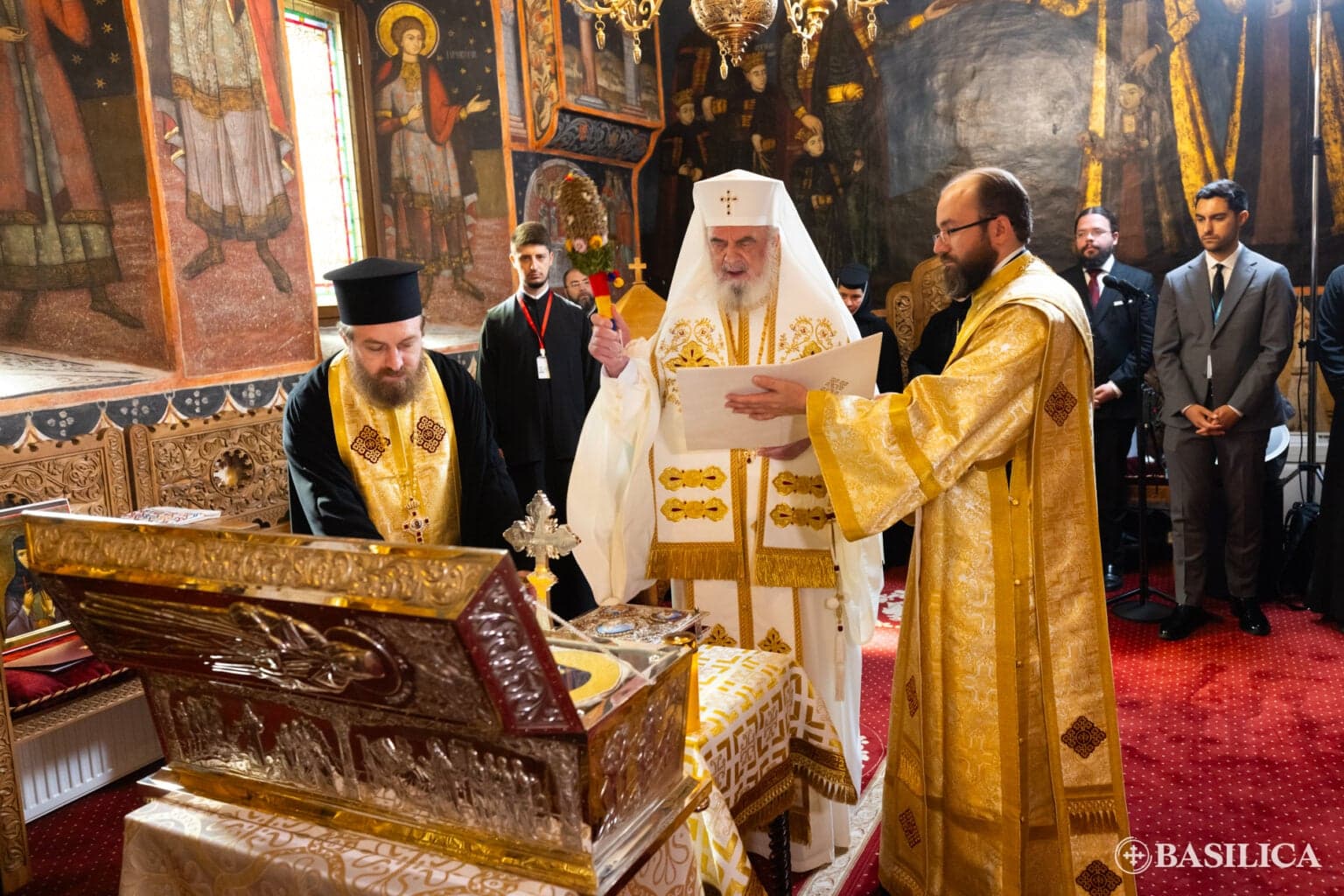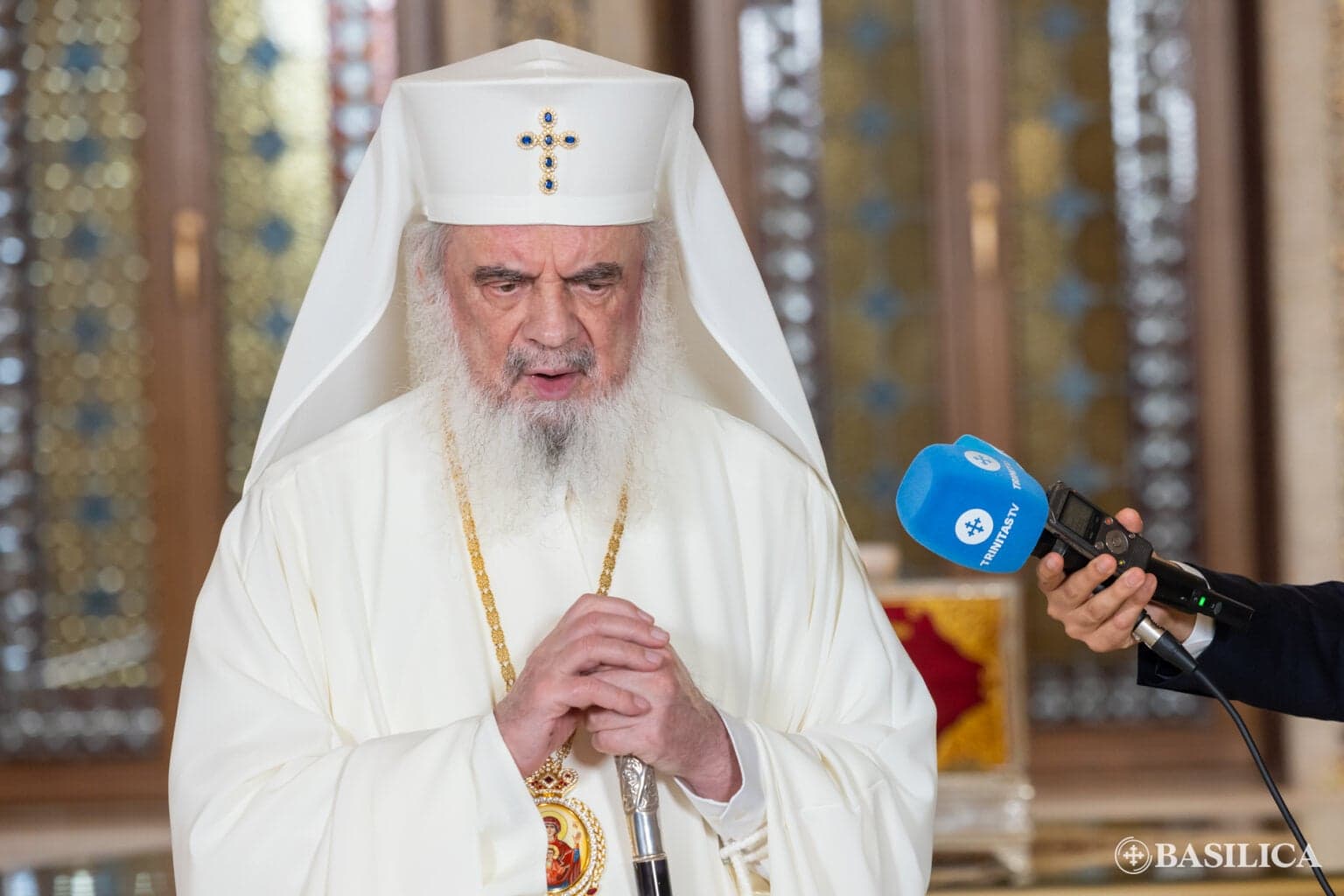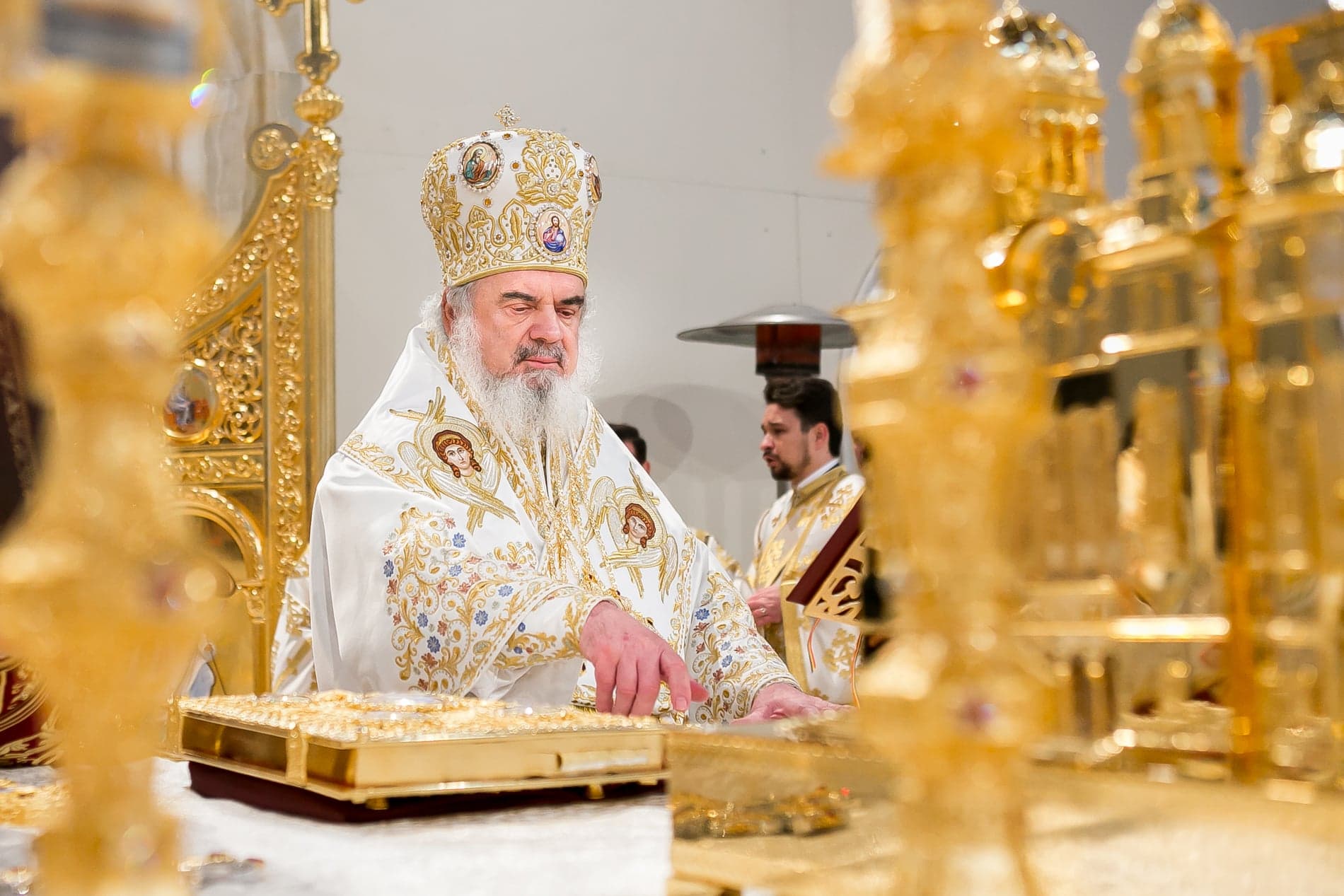
His Beatitude Patriarch Daniel has turned 75 on Wednesday, 22 July.
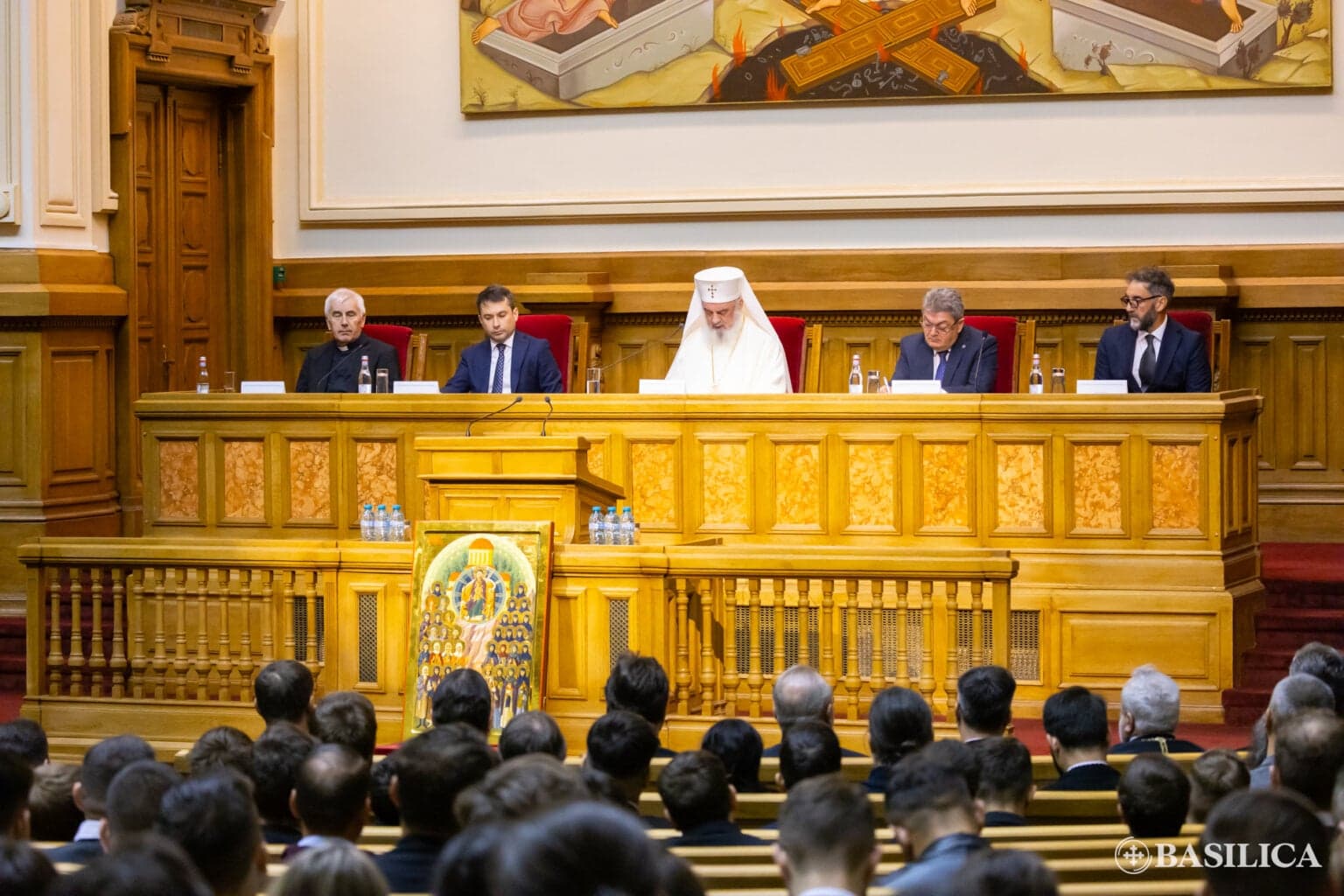
The Romanian Patriarchate announced that the Patriarch of Romania would mark his birthday through work, taking part in a meeting dedicated to preparations for the International Meeting of Orthodox Youth (31 August–3 September 2026), a recurring event initiated by His Beatitude.
Leading the Church through complex times
Much has rightly been written about the challenges faced by Patriarch Daniel’s predecessors in guiding the Romanian Orthodox Church during the atheist communist regime. Yet the contemporary era has brought its own trials, including growing secularisation, consumerism, and the large-scale emigration of Romanians abroad—reflecting not only the search for better economic opportunities but also a profound crisis of identity.
It was during this period that God called His Beatitude Patriarch Daniel to lead the Romanian Orthodox Church. He is a spiritual disciple of St Cleopas of Sihăstria and an outstanding student of St Dumitru Stăniloae the Confessor, one of the greatest Orthodox theologians of the twentieth century.
Early life and theological formation
Patriarch Daniel was born on 22 July 1951 in Dobrești, Timiș County, Romania, the third child of Alexe and Stela Ciobotea. Baptised Dan-Ilie, he grew up in an environment that nurtured his love for the Orthodox faith, learning and Romania’s traditional values.
In 1970, he entered the Orthodox Theological Institute in Sibiu, where he completed his foundational theological studies.
He later pursued doctoral studies in Bucharest under the renowned theologian Dumitru Stăniloae, whose intellectual and spiritual influence profoundly shaped his theological formation.
He continued his studies in France and Germany, attending the University of Strasbourg and Albert-Ludwigs-Universität Freiburg.
In 1979, he defended his doctoral dissertation in Strasbourg, and the following year, he presented an expanded version in Bucharest. Dedicated to the relationship between theology and Christian spirituality, the work became an important contribution to a new generation of Orthodox theologians.
Between 1980 and 1988, he served as lecturer at the Ecumenical Institute at Bossey in Switzerland, representing the Romanian Orthodox tradition in international theological dialogue.
Monastic vocation
In the summer of 1987, he embraced the monastic life, receiving the monastic tonsure at Sihăstria Monastery from St Cleopas, who gave him the name Daniel.
Soon afterwards, he was ordained hierodeacon and hieromonk. In 1988, he was called to Bucharest as patriarchal counsellor, where he was entrusted with responsibilities in contemporary theology and ecumenical dialogue while also serving as lecturer at the Orthodox Theological Institute in Bucharest.
Episcopal ministry
In February 1990, he was elected Assistant Bishop of the Archdiocese of Timișoara with the title Bishop of Lugoj. Only a few months later, on 7 June 1990, he was elected Archbishop of Iași and Metropolitan of Moldavia and Bukovina.
During seventeen years in Iași, he carried out an extensive pastoral, missionary, cultural and charitable ministry, strengthening theological education, revitalising monastic life and developing the Church’s institutions throughout Moldavia.
He also taught Dogmatic and Pastoral Theology at the Dumitru Stăniloae Faculty of Orthodox Theology in Iași, which he founded.
His episcopate was marked by significant institutional growth, particularly in theological education, culture and healthcare, including the establishment of what is today known as Providența Hospital in Iași.
While serving in Iași, he also founded Radio Trinitas (1998), Lumina Newspaper (2005) and Trinitas TV (2007), demonstrating an early recognition of the growing importance of media and communication in the Church’s mission.
Election as Patriarch
On 12 September 2007, the Holy Synod elected him Archbishop of Bucharest, Metropolitan of Muntenia and Dobruja, and Patriarch of the Romanian Orthodox Church.
He was enthroned on 30 September 2007 at the Patriarchal Cathedral in Bucharest. This anniversary remains his official institutional celebration.
His election came in the same year that Romania joined the European Union, marking the beginning of a period of institutional renewal and missionary expansion within the Romanian Orthodox Church.
Building institutions for future generations
Among his first initiatives as Patriarch was the establishment of the Basilica Media Centre, which brought together the Church’s media institutions, including Basilica News Agency, the Patriarchate’s Press Office, Radio Trinitas, Trinitas TV, Lumina Newspaper and the children’s magazine Chemarea credinței (The call of faith).
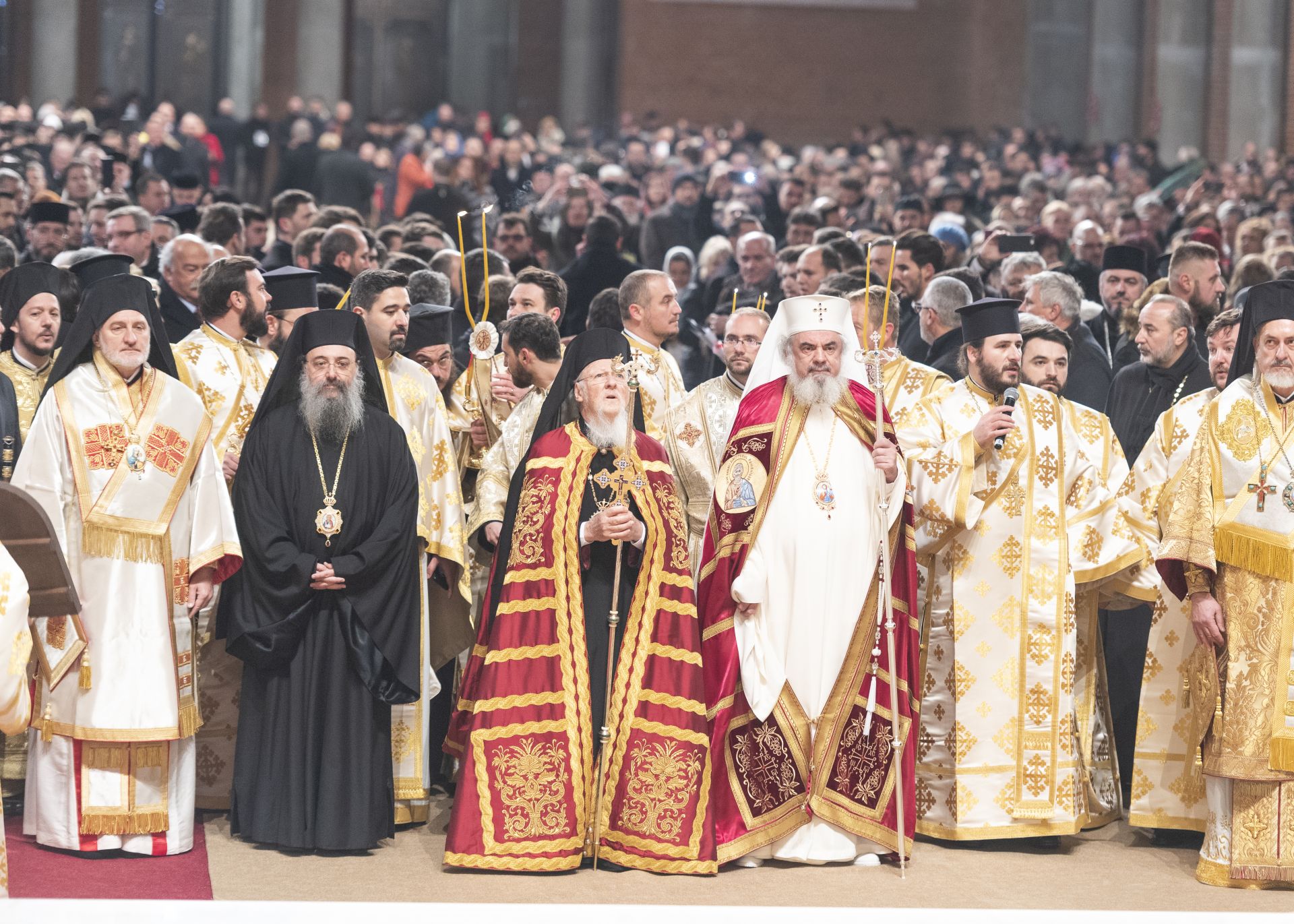
He also launched the project for Romania’s National Cathedral. Its foundation stone was laid in 2011, the altar was consecrated in 2018 during the Centennial Year of Greater Romania, and its interior painting was consecrated in 2025 during the Centennial of the Romanian Patriarchate. Both services were led jointly by Ecumenical Patriarch Bartholomew I and Patriarch Daniel.
In 2008, the Patriarchate also established Basilica Travel, the Basilica and Trinitas publishing houses, as well as the Cuvântul Vieții Publishing House of the Metropolis of Muntenia and Dobruja. In subsequent years, printing facilities, libraries and conference centres were modernised or expanded.
Strengthening the Romanian diaspora

Among Patriarch Daniel’s most significant achievements has been strengthening the Romanian Orthodox diaspora by creating new dioceses and consolidating existing communities abroad.
These ecclesiastical structures have enabled Romanian Orthodox faithful living overseas to preserve their faith, language and identity while remaining fully integrated into the life of the Romanian Orthodox Church.
He also initiated numerous educational and missionary programmes, including annual catechetical, church music and iconography competitions, the Rome extension of the Patriarch Justinian Faculty of Orthodox Theology in Bucharest, and the International Meetings of Orthodox Youth.
Mission, charity and spiritual life
Under Patriarch Daniel’s leadership, the Church’s charitable ministry has become increasingly institutionalised through diocesan philanthropic organisations coordinated by the Filantropia Federation.
The Church has strengthened cooperation with state institutions in healthcare, education, prisons, the armed forces and social services. Hospital chaplains, prison chaplains and military clergy now carry out structured pastoral work across Romania, offering spiritual care and hope to those in need.
Spiritually, his patriarchate has been marked by numerous canonisations, including several recently recognised contemporary Romanian spiritual fathers, four of whom—monks of Mount Athos—were recently canonised by the Ecumenical Patriarchate following a proposal from the Romanian Patriarchate.
Since 2008, the Romanian Orthodox Church has also observed annual thematic commemorative years, highlighting important aspects of the Church’s mission, history, and spiritual heritage while encouraging new pastoral initiatives throughout the country and the diaspora.
The year 2026 has been designated as the Solemn Year of the Pastoral Care of the Christian Family and the Commemorative Year of the Holy Women in the Church Calendar (myrrh-bearers, martyrs, nuns, wives and mothers).
Throughout his ministry, Patriarch Daniel has demonstrated that the Romanian Orthodox Church can faithfully preserve the spiritual treasure of Orthodoxy while making prudent use of modern technology, institutions and communication to respond to the needs of contemporary society.
His work reflects the conviction that, despite living in a rapidly changing world, modern people remain what humanity has always been: seekers of eternal life and lasting meaning.
Read the full biography.
Photo: Basilica.ro Files