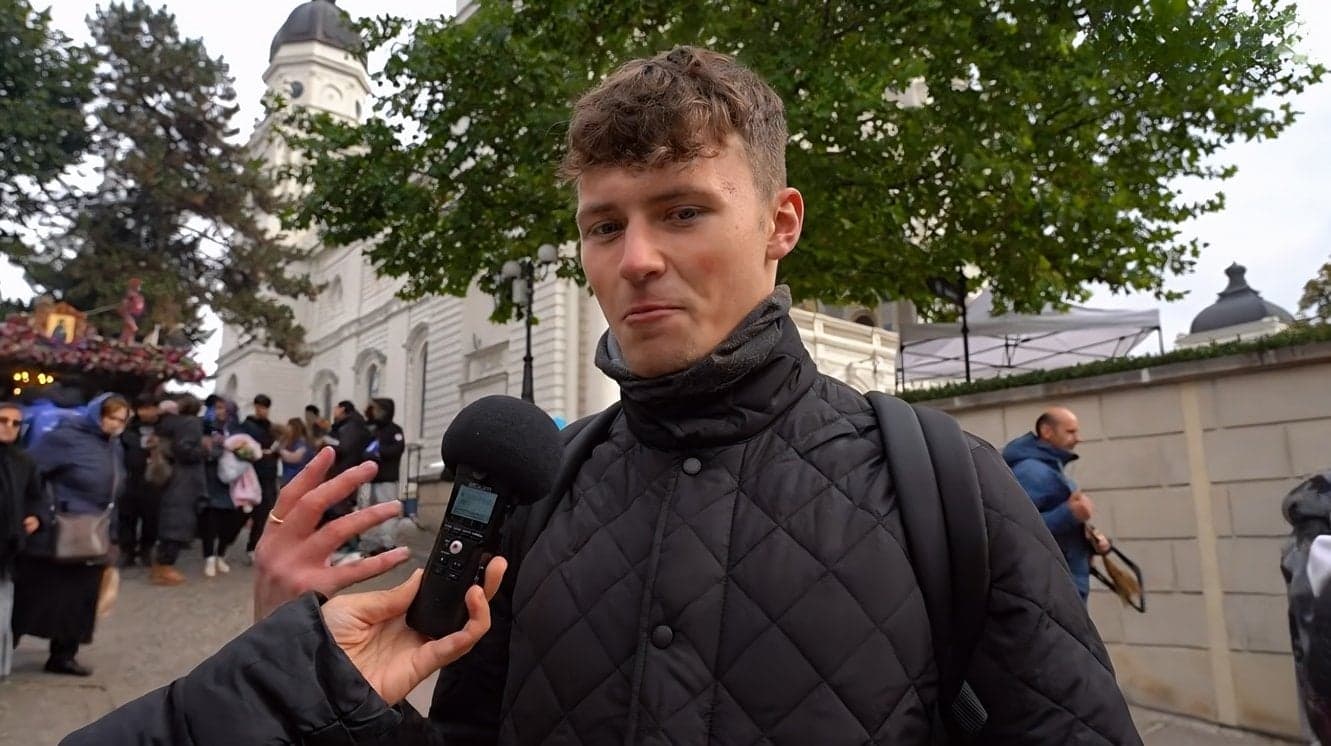
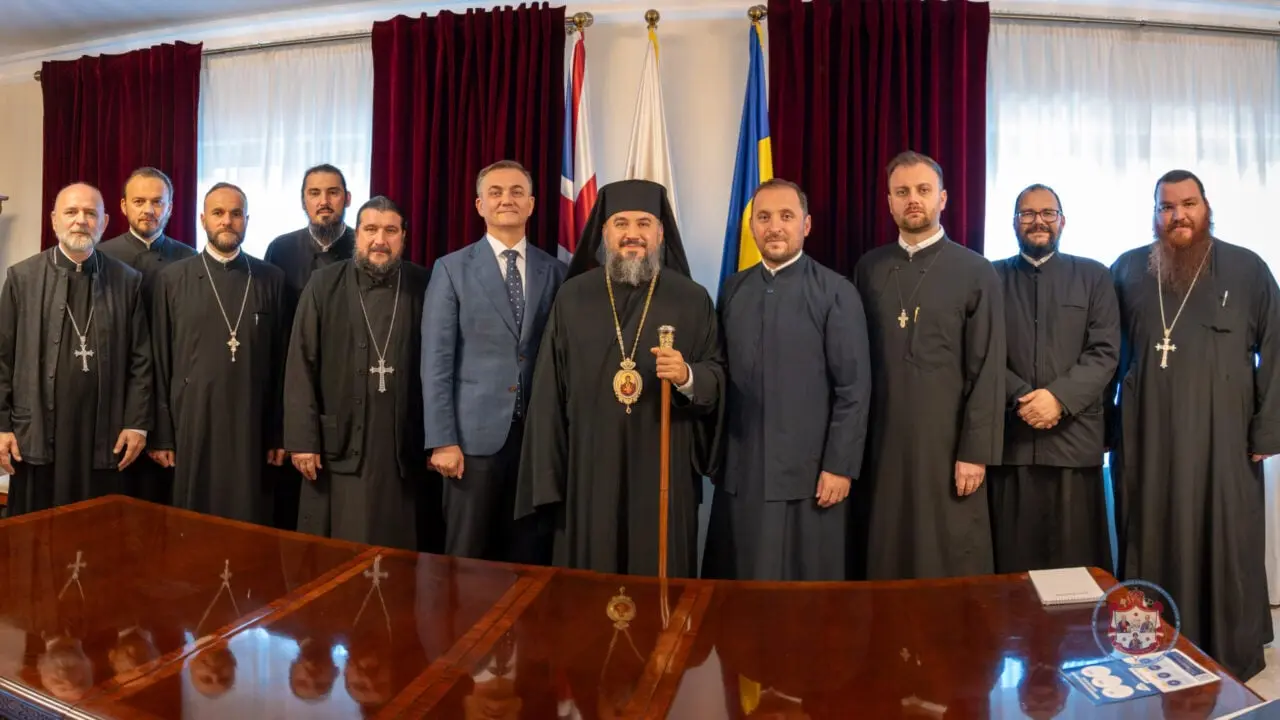
“Those of us who belong to the Metropolis of Bessarabia know the injustice that was done to our institution. It was deported just as so many of our fellow countrymen were deported,” Metropolitan Antonie of Bessarabia said in an interview with TVR Moldova.
Against this historical background, the official recognition of the re-established Metropolis of Bessarabia by the European Court of Human Rights was a moment of great joy because it restored justice, His Eminence said, recalling that he was personally involved in the legal proceedings alongside Vlad Cubreacov and lawyer Elisei Secrieru.
Speaking with TVR Moldova journalist Lilia Țurcanu, the metropolitan also addressed the concept of canonicity, a subject frequently discussed online and in the media in the Republic of Moldova.
“You do not need extensive preparation—only an interest in history and a careful look at what has happened in this region over the centuries,” he said. “Our historical roots run very deep, all the way back to the preaching of the Holy Apostle Andrew.”
Future priorities
Metropolitan Antonie also expressed his willingness to engage in dialogue with the ecclesiastical structure of the Moscow Patriarchate, building on the conclusions of a 1999 meeting between representatives of the Romanian and Moscow Patriarchates, when both sides agreed to “move from hatred and confrontation to understanding and cooperation.”
“I believe that, if there is goodwill and wisdom, we will at least be able to reach a mutual understanding,” he said, adding that he sees a pressing need to reduce the hatred spread through social media, from which no one benefits.
Looking ahead, the metropolitan said his priorities include strengthening the Romanian Orthodox Church’s pastoral, missionary, social, charitable and educational work in Bessarabia, compiling a register of those persecuted and martyred during the Soviet occupation, and pursuing the legal recovery of Romanian Orthodox Church property confiscated by the Soviet regime.
Priests in small parishes are self-sacrificing missionaries
The Metropolitan of Bessarabia also addressed priests serving small and economically disadvantaged communities.
“We receive support from the Romanian Government, and we are doing our best to assist them. But it is true that, especially in small parishes, these priests are genuine self-sacrificing missionaries,” he said.
“We hope to find additional ways to support, encourage and help them. I thank all those who faithfully fulfil their ministry in these small parishes despite the difficult circumstances.”
Post-Soviet secularisation and Christ’s call
Speaking about the Church’s pastoral mission, Metropolitan Antonie said he hopes the clergy will continue reaching out to those who remain distant from the Church, noting that, in many cases, this is “a consequence of the Soviet regime, because we know that those who attended church were persecuted, and some have inherited that mindset.”
“God works with every individual soul. It depends on whether that person is open enough to allow God to work within them. But I believe that everyone experiences a moment in life when they feel that calling, when they hear Christ’s quiet knock at the door of their heart, open it, and their life is transformed,” he added.
Ideally, this openness to God should come during youth, the metropolitan said.
“It is far better, because it is a great blessing for a young person to grow up and build their life upon faith.”
Photo: Metropolis of Bessarabia