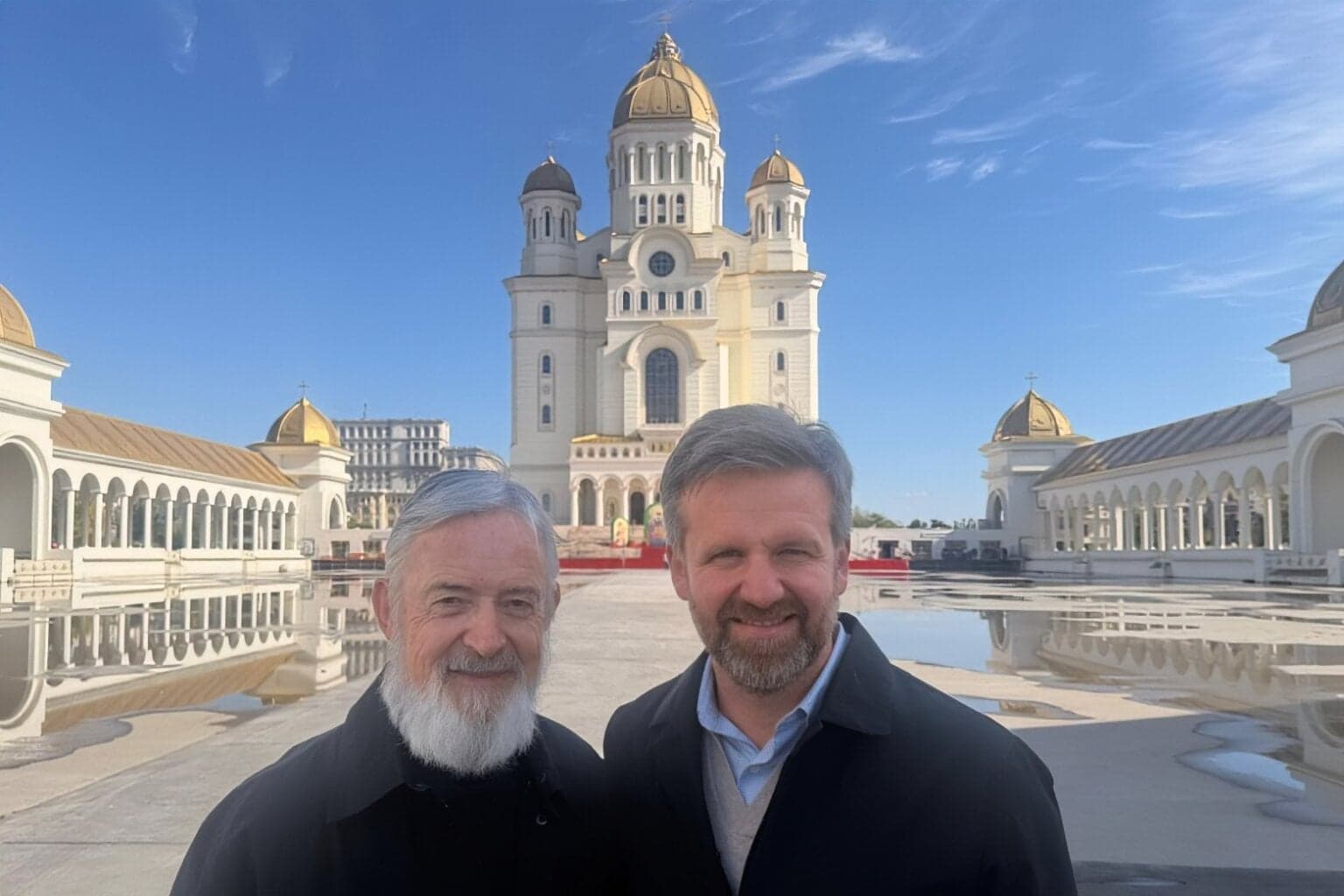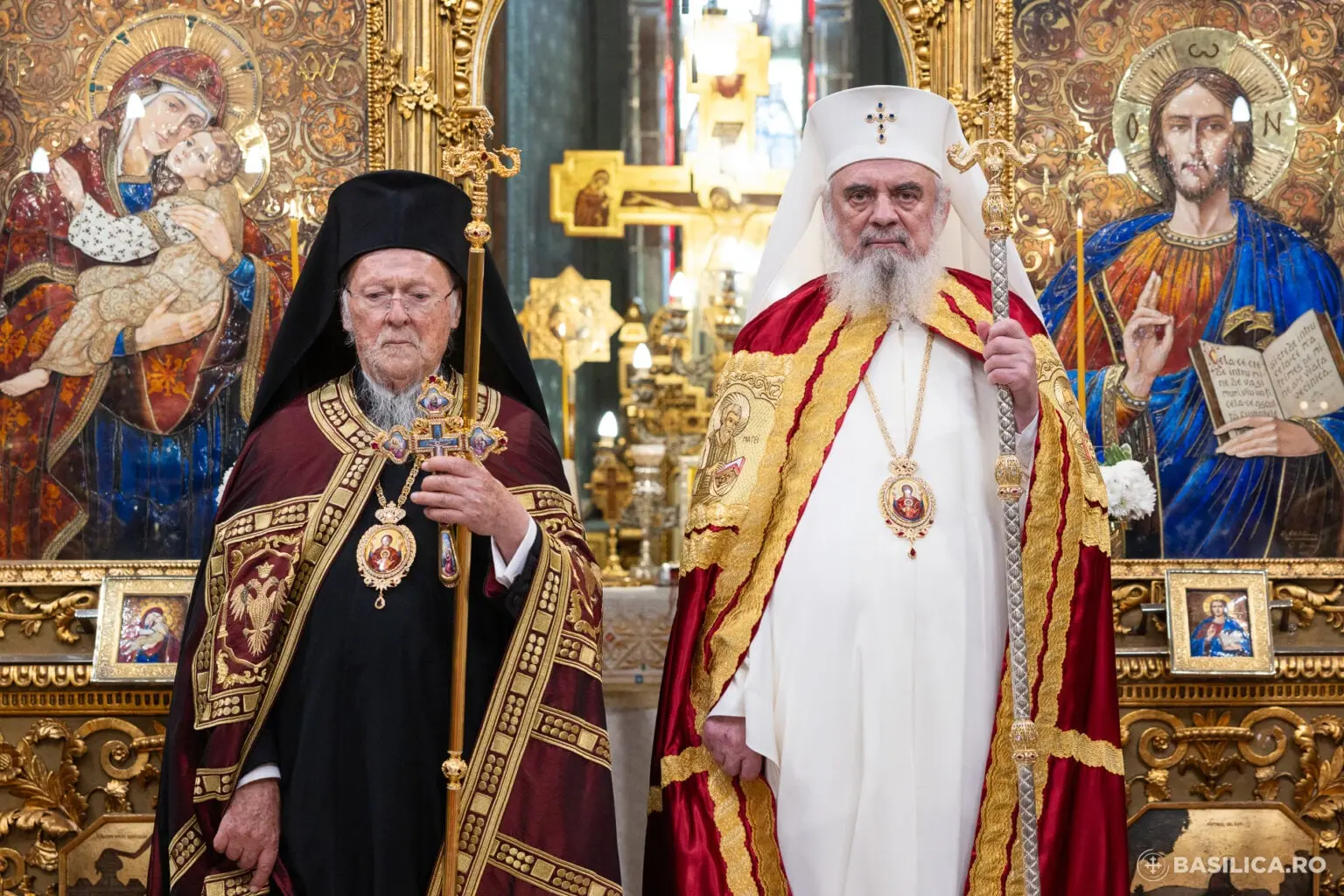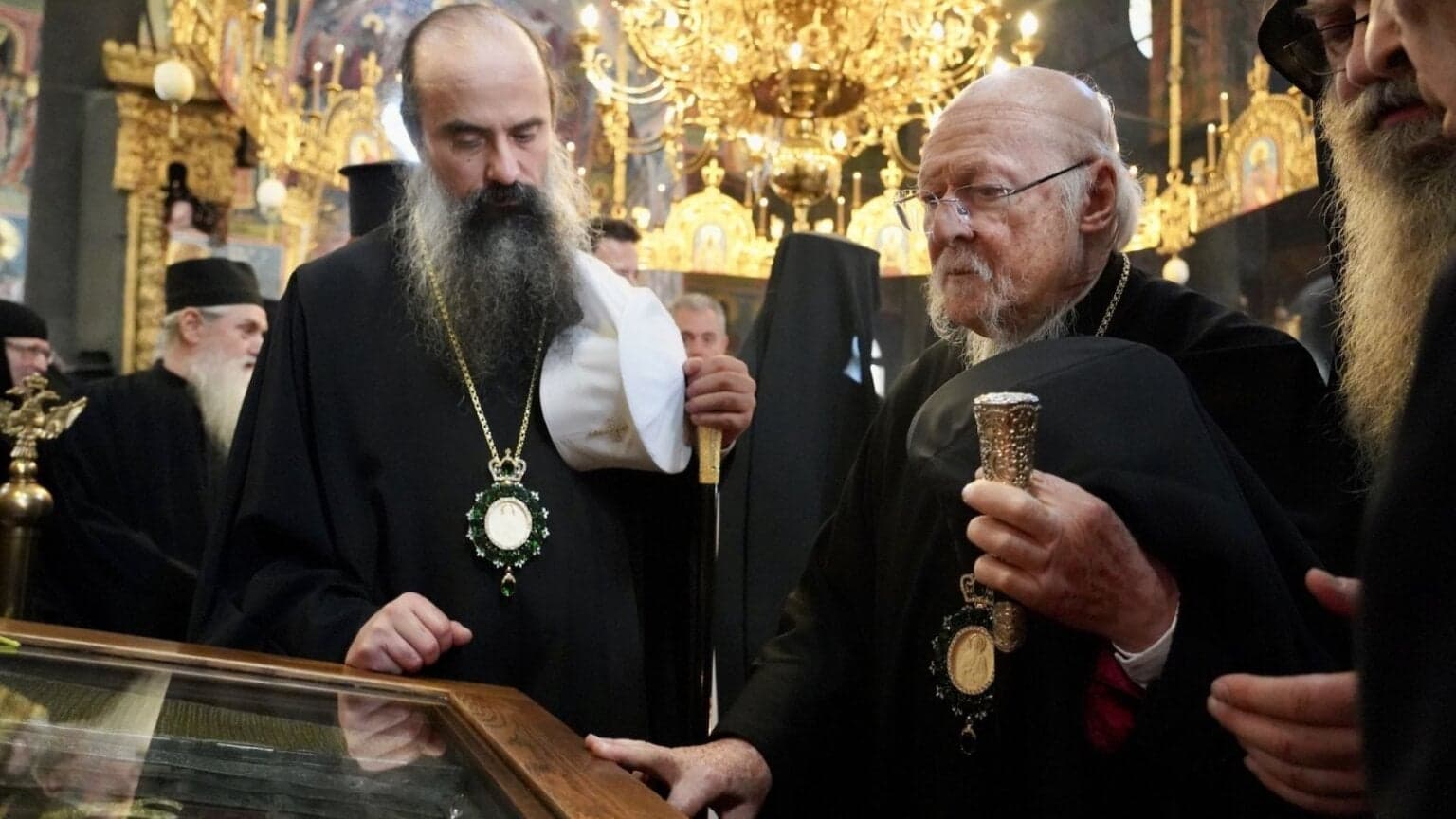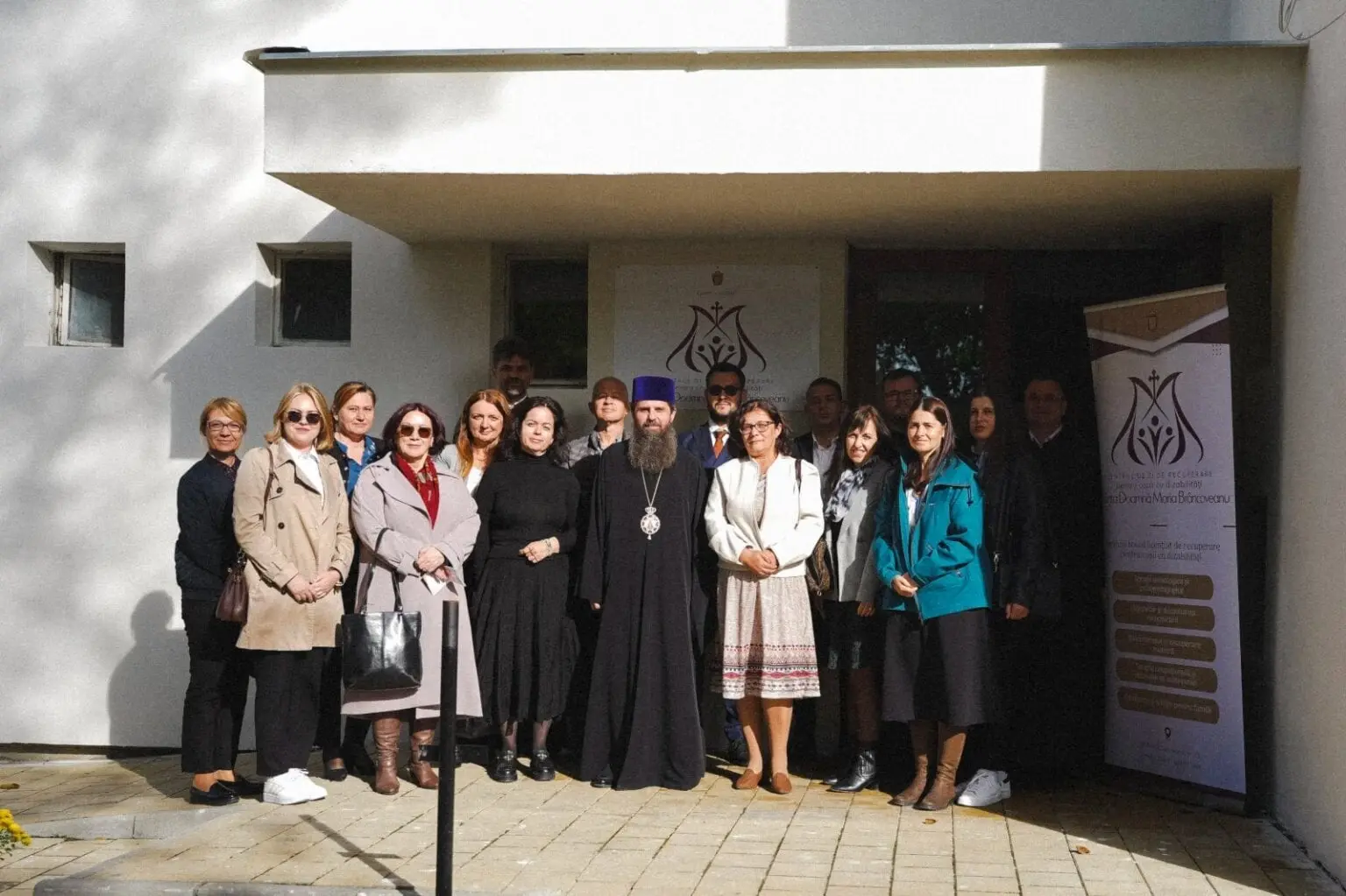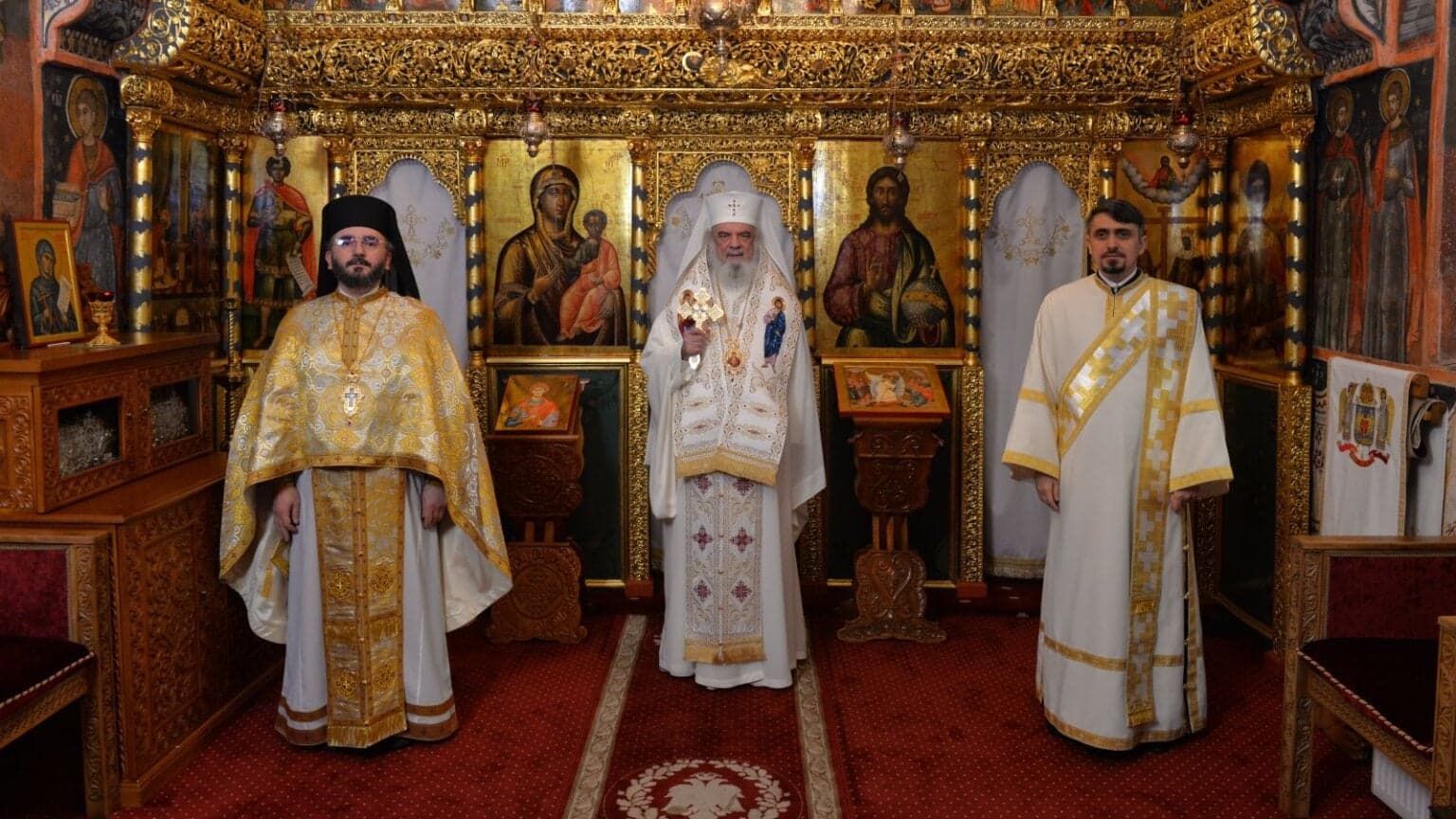
Monday marked 34 years since the Diocesan Assembly in Chișinău decided, on 14 September 1992, to reactivate the Metropolis of Bessarabia.
The Holy Synod of the Romanian Orthodox Church noted the decision on 19 December 1992 through a Patriarchal and Synodal Act, recognising it as an autonomous metropolis following the unrevised calendar, an integral part of the Romanian Orthodox Church, with its see in Chișinău.
How the Metropolis of Bessarabia was reactivated
The Republic of Moldova had declared its independence in 1991, but Soviet-era attitudes remained deeply rooted in society east of the Prut River. As a result, the path towards recognition of the re-established metropolis by the Moldovan authorities was protracted and marked by obstacles and delays.
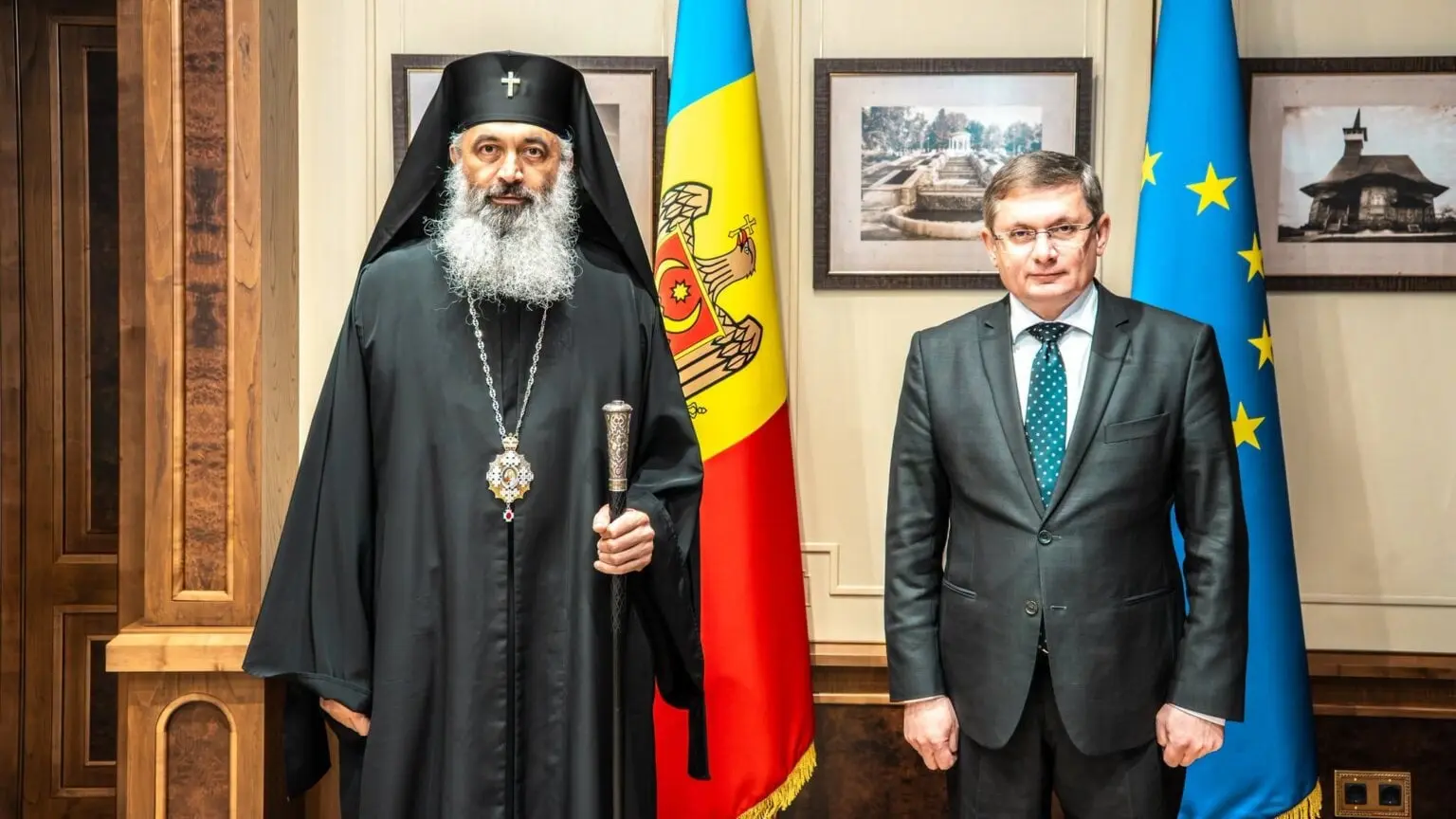
Alongside Bessarabian MP Vlad Cubreacov, Anatol Telembici, now Metropolitan Antonie of Bessarabia, also took part in the legal campaign to have the re-established metropolis recognised, serving as its representative.
The case eventually reached the European Court of Human Rights (ECHR) in Strasbourg. In its 13 December 2001 decision, the European Court ruled in favour of the Metropolis of Bessarabia and required the Republic of Moldova to recognise the religious body.
Official recognition of the Metropolis of Bessarabia by the Moldovan authorities therefore came only on 30 July 2002, a decade after its reactivation.
Canonical territory
Under its statute, the present territory of the Metropolis of Bessarabia is that of the Republic of Moldova. As Exarch of the Territories, the Metropolitan of Bessarabia has canonical jurisdiction over the Romanian Orthodox diaspora in the East—the former Soviet Union—and over the diaspora of the Republic of Moldova.
The Metropolis of Bessarabia comprises four historic suffragan dioceses: the Archdiocese of Chișinău, the Diocese of Bălți (formerly the Diocese of Hotin), the Diocese of Southern Bessarabia (formerly the Diocese of Cetatea Albă and Ismail), and the Orthodox Diocese of Dubăsari and All Transnistria (formerly the Romanian Orthodox Mission in Transnistria).
A turbulent history
1401: Ancient Romanian canonical territory
For centuries, Bessarabia formed part of Romanian canonical territory, included within the Metropolis of Moldavia, which the Ecumenical Patriarchate recognised as early as 26 July 1401, during the reign of Prince Alexander the Good.
Its canonical territory coincided with that of the Principality of Moldavia at the time: from the Eastern Carpathians to the Dniester River, including its left bank, and from Northern Bucovina to the Danube and the Black Sea.
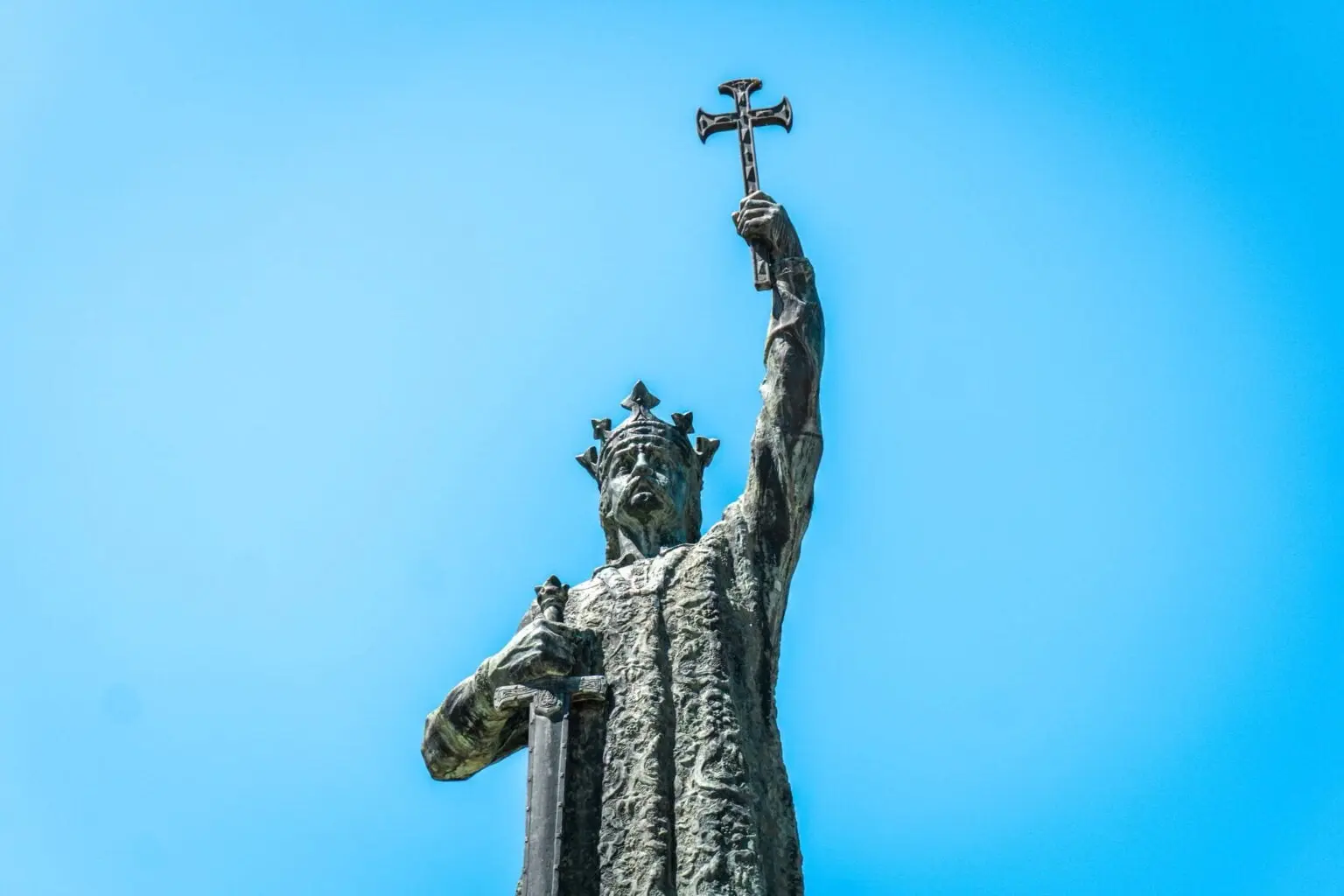
This was the territory of the Metropolis and Principality of Moldavia that St Stephen the Great defended with faith, determination and skill.
1812: First Russian occupation
In 1812, Tsarist Russia occupied the eastern part of the Principality of Moldavia — the territory between the Prut and Dniester rivers — thereby separating part of the canonical territory of the historic Metropolis of Moldavia.
The Russian authorities subsequently established the Diocese of Chișinău and Hotin, later elevated to an archdiocese and placed canonically under Moscow.
The new diocese underwent Russification following the death of its first hierarch, Metropolitan Gavriil Bănulescu-Bodoni.
The enforced canonical subordination to Moscow lasted until the Great Union of 1918, when representatives of Bessarabia, a historic Romanian province, sought reunification with the mother country in the favourable historical circumstances that emerged following the First World War.
1925: Establishment of the Metropolis of Bessarabia
The present Metropolis of Bessarabia is the spiritual, canonical and historical successor of the Metropolis of Bessarabia established by the Holy Synod of the Romanian Orthodox Church on 15 November 1923.
The Romanian state recognised the new metropolis, established after the Great Union in response to the new historical circumstances, through Royal Decree No. 1942 of 4 May 1925.
1940: Deportations and Soviet persecution
During the Soviet occupation of 1940–1941 and subsequently under the atheist Soviet regime, which lasted for almost five decades, from 1944 to 1992, the Metropolis of Bessarabia ceased its activity.
Priests were killed by the Soviet occupying authorities or deported to Siberia and Kazakhstan. Their “offence” was that the new Soviet empire did not tolerate faith in God.
For Romanian priests, the additional “offence” was being symbols of Romanian identity. One example is the fate of the Hieromartyr St Alexander Baltaga of Bessarabia, commemorated on 8 August.
Photo: Metropolis of Bessarabia