Orthodox Calendar, April 10 Great and Holy Friday On Great and Holy Friday, Christ died on the Cross. He gave up His spirit with the words: “It is finished” (John 19:30). These words are better understood when rendered: “It is consummated.” He had accomplished the work for which His heavenly Father had sent Him into…
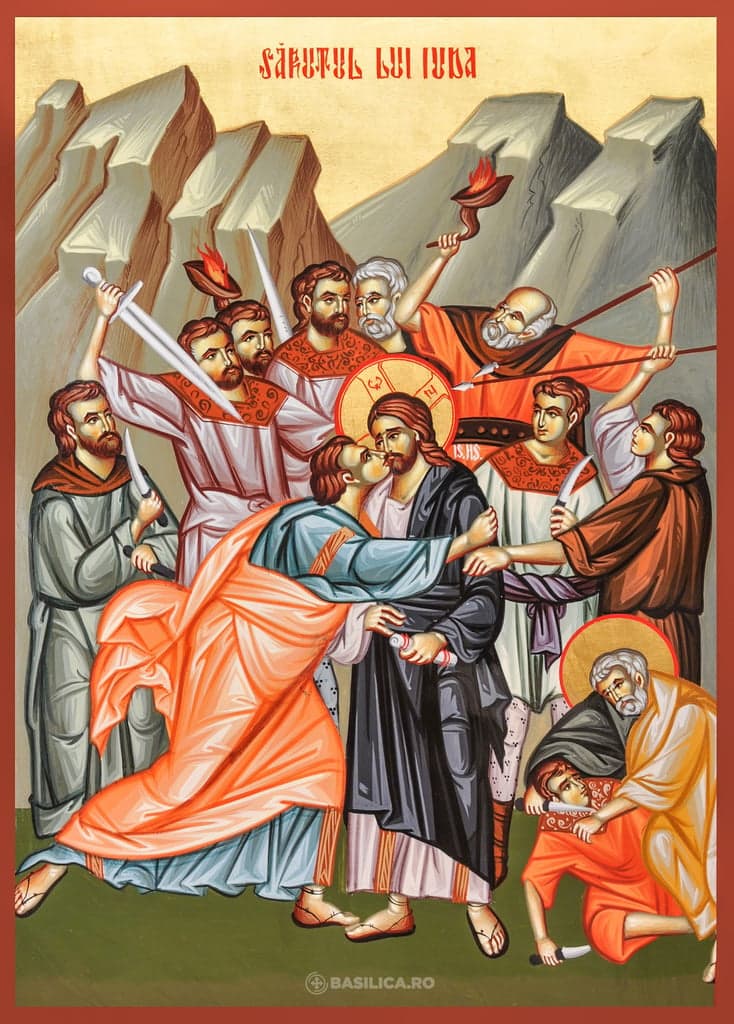
Orthodox Calendar, April 9 Great and Holy Thursday Two events shape the liturgy of Great and Holy Thursday: the Last Supper of Christ with His disciples, and the betrayal of Judas. The meaning of both is in love. The Last Supper is the ultimate revelation of God’s redeeming love for man, of love as the…
Orthodox Calendar, April 8 Great and Holy Wednesday On Great and Holy Wednesday, the hymns of the Bridegroom Service remind us of the sinful woman who poured precious ointment on Christ’s head at Simon the leper’s house (Mt. 26:7). The disciples complained about the wasteful extravagance, for the myrrh could have been sold and the…
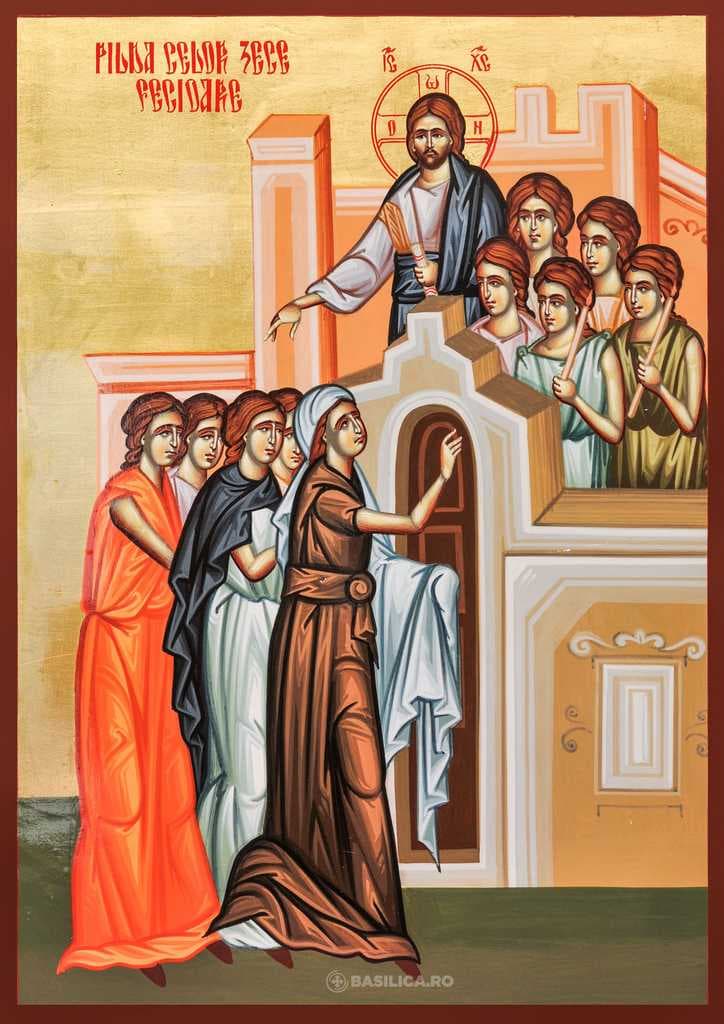
Orthodox Calendar, April 7 Great and Holy Tuesday Great and Holy Tuesday Monday, Tuesday, Wednesday – these three days, which the Church calls Great and Holy have within the liturgical development of the Holy Week a very definite purpose. They place all its celebrations in the perspective of End Times; they remind us of the…
Orthodox Calendar, April 6 Great and Holy Monday Monday, Tuesday, Wednesday – these three days, which the Church calls Great and Holy have within the liturgical development of the Holy Week a very definite purpose. They place all its celebrations in the perspective of End Times; they remind us of the eschatological meaning of Pascha.…
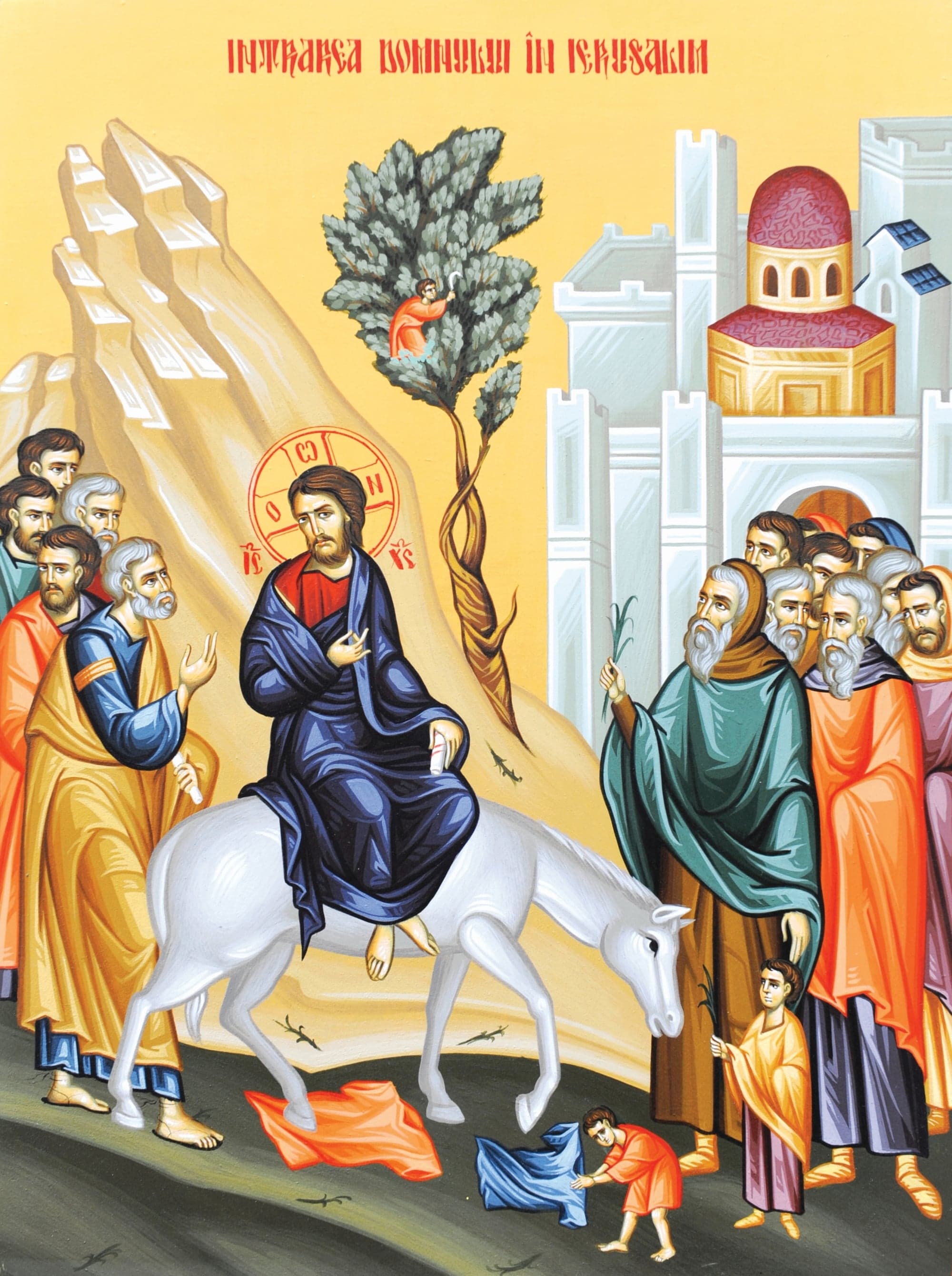
Palm Sunday is the celebration of the triumphant entrance of Christ into the royal city of Jerusalem. He rode on a colt for which He Himself had sent, and He permitted the people to hail Him publicly as a king. A large crowd met Him in a manner befitting royalty, waving palm branches and placing…
Orthodox Calendar, April 4 Saint Joseph the Hymnographer The sweet-voiced nightingale of the Church was born in Sicily in 816 into a pious Christian family. His parents, Plotinos and Agatha, moved to the Peloponnesos to save themselves from barbarian invasions. When he was fifteen, Saint Joseph went to Thessalonica and entered the monastery of Latomos. He…
Orthodox Calendar, April 3 Venerable Nicetas the Confessor and Illyricus Saint Nicetas the Confessor was born in Bithynian Caesarea (northwest Asia Minor) of a pious family. His mother died eight days after his birth, and his father Philaretos became a monk. The child remained in the care of his grandmother, who raised him in a…
Orthodox Calendar, April 2 Saint Titus the Wonderworker He displayed zeal for the monastic life from his youth. He pursued asceticism in the ninth century at the Studion monastery near Constantinople. By his deeds of fasting, purity of life and mild disposition, Saint Titus gained the love of the brethren, and at their request he…
Orthodox Calendar, April 1 St Mary of Egypt Saint Zosimas was a monk at a certain Palestinian monastery on the outskirts of Caesarea. Having dwelt at the monastery since his childhood, he lived there in asceticism until he reached the age of fifty-three. Then he was disturbed by the thought that he had attained perfection,…
Orthodox Calendar, March 31 St. Hypatius the Wonderworker and Bishop of Gangra Hieromartyr Hypatius, Bishop of Gangra, was bishop of the city of Gangra in Paphlagonia (Asia Minor). In the year 325 he participated in the First Ecumenical Council at Nicea, at which the heresy of Arius was anathematized. When Saint Hypatius was returning in…