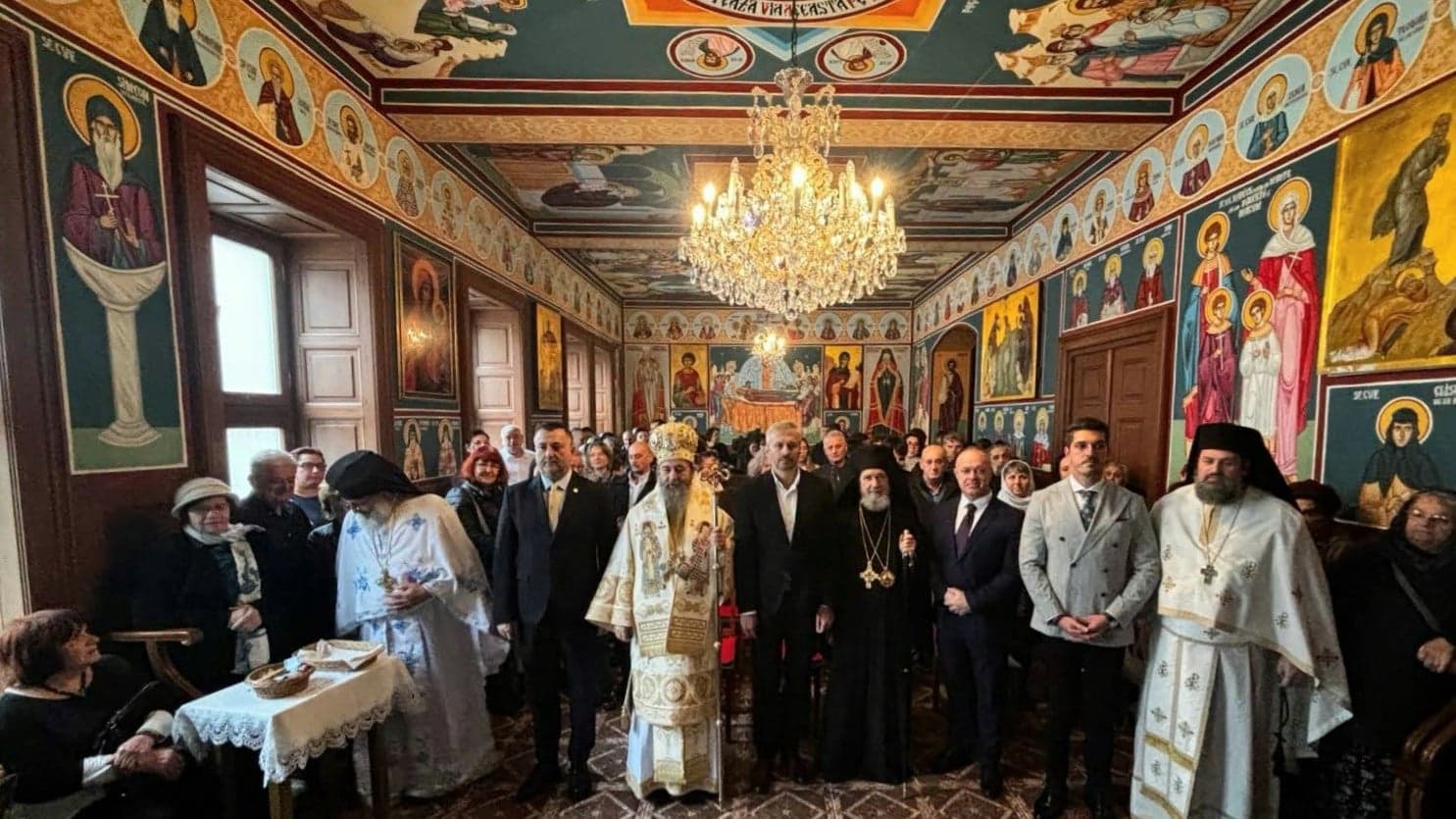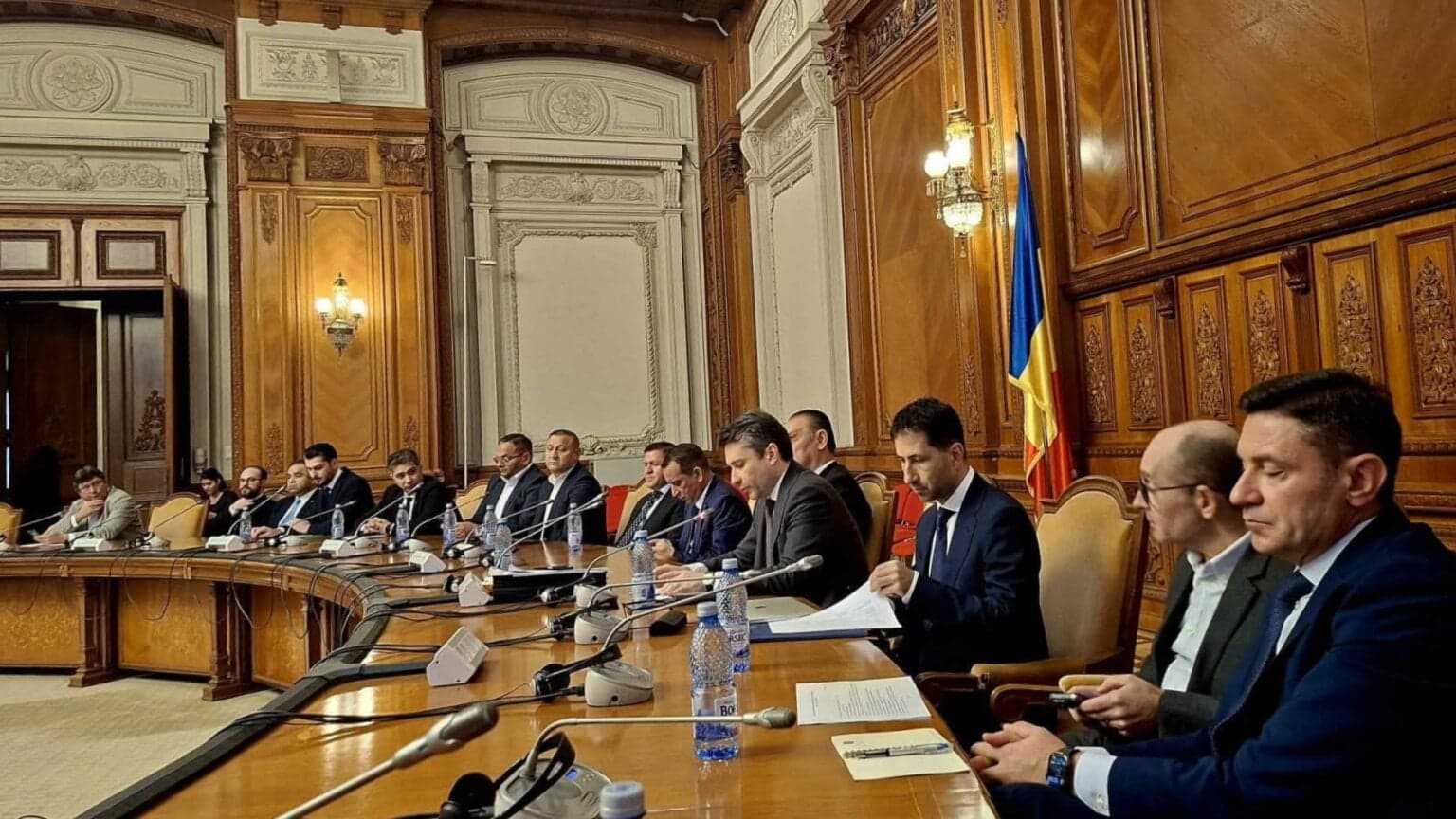
Representatives of religious denominations and Roma communities across Romania gathered at the Palace of Parliament on Monday for a conference entitled “Faith, Family and the Involvement of Religious Denominations in Strengthening Public Policies”.
Participants examined the social challenges facing these communities and highlighted the contribution of religious denominations to implementing public policies that benefit them.
“We wanted this meeting to bring together the experience and projects of religious denominations working with the Roma ethnic community, alongside representatives of civil society and, above all, the political sphere, with both the Romanian Parliament and the Romanian Government represented here,” Ciprian Olinici, State Secretary for Religious Affairs, told Trinitas TV.
“As the Romanian state institution responsible for relations with religious denominations, we wanted this meeting to emphasise that their primary concern is to uphold human dignity, the dignity of every individual, as well as the centrality of the family, its protection and its role in society, faith communities and local communities.”
Pastoral care and social support
Projects presented at the conference for the benefit of Roma faithful included social reintegration programmes, initiatives to prevent school dropout, after-school education programmes, camps and trips for children and young people, and counselling and support initiatives for vulnerable families.
“This meeting gave us insight into the various practices and activities of religious denominations working with vulnerable communities. At the same time, we heard about many positive experiences in pastoral care and how communities have been transformed through the Church’s pastoral ministry,” Ciprian Olinici added.
“I would particularly emphasise the role of the Romanian Orthodox Church in strengthening these faith communities, developing projects to prevent school dropout, supporting vulnerable families and fostering social cohesion.”
The need for religious values
The conference facilitated an exchange of experience between public authorities, religious denominations and civil society.
“The theme of this meeting is extremely important: faith, nothing without God. We have often grown accustomed to using formulaic and overly institutional language, but we forget what is essential. We forget God’s love for us and how we ought to return that love to Him,” said Nicolae Păun, Chair of the Committee for Human Rights, Religious Affairs and National Minority Issues.
“We forget what is happening to our children. Yet the first places where we encounter affection, education and love are the Church and the family,” the MP added.
Roma people as children of the Romanian Orthodox Church
The Romanian Orthodox Church was represented at the meeting by Fr Marius Căldăraru, who serves at Glina Parish in Ilfov County, home to a Roma community.
“The Romanian Orthodox Church is actively involved in bringing Roma people into the liturgical life of the Church,” the priest said.
“The Romanian Orthodox Church has taken significant steps in this direction by ordaining Roma clergy. There are Roma priests and Roma people who help others from their community become integrated into the Church, and through their integration into the Church, they also contribute to society.”
“The Church is actively involved and regards Roma people, in my view, as her own children. They are important, and their salvation is just as important as that of everyone else,” Fr Marius Căldăraru added.
Sustained work behind the scenes
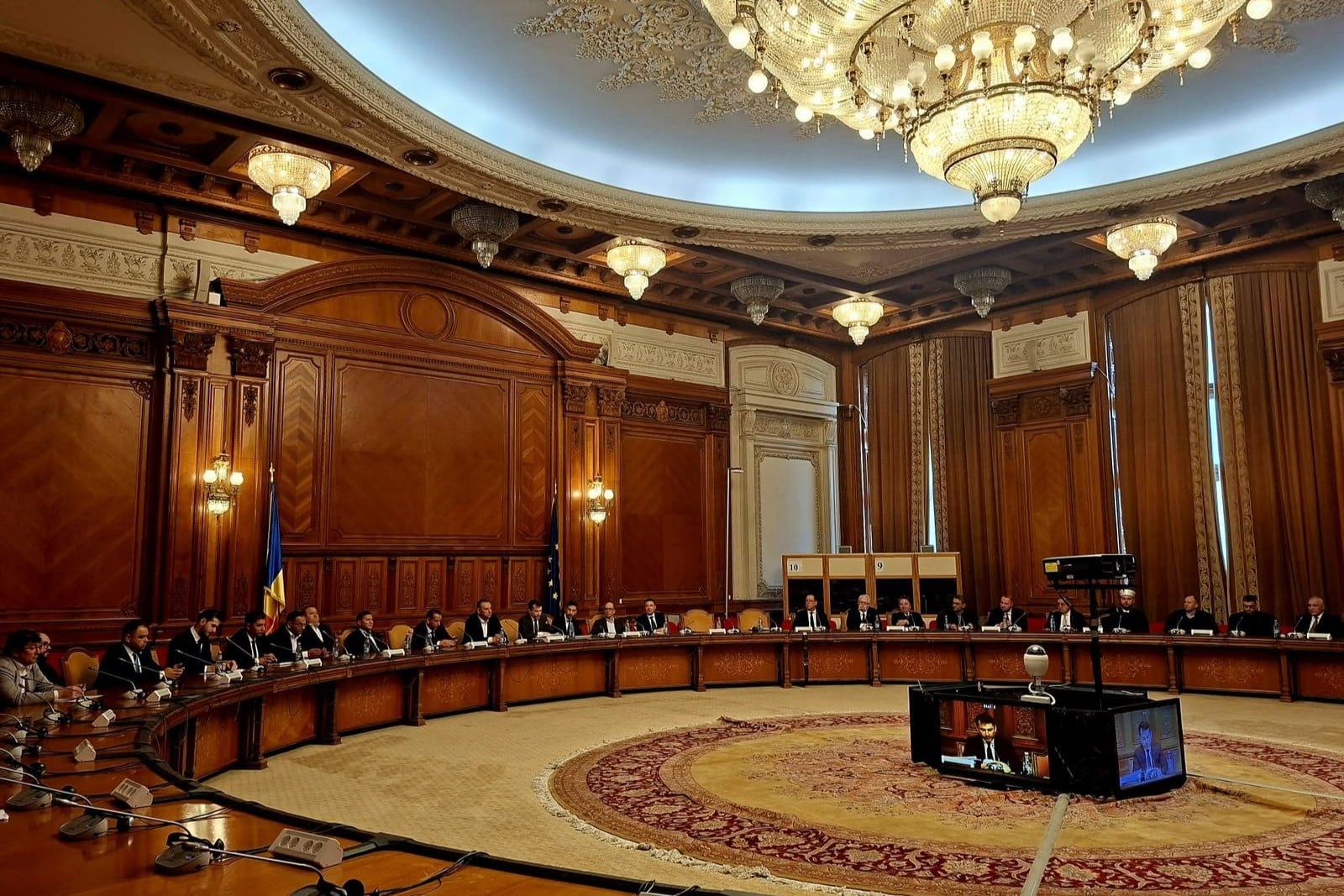
Participants concluded that there was a need to strengthen the mechanisms through which the state can support the work of religious denominations. Such support would help ease pressure on social and educational services.
“I was pleasantly impressed to hear the perspectives of the different religious denominations. I am surprised that, despite their relatively low public profile, representatives of religious denominations are taking action and doing extraordinary things in vulnerable communities, for families and for children,” said Cătălin Zamfir Manea, First Vice-President of the Pro-Europe Roma Party.
The event was organised by the Chamber of Deputies’ Committee for Human Rights, Religious Affairs and National Minority Issues in cooperation with the State Secretariat for Religious Affairs.
Romania has 19 recognised religious denominations, which are regarded as the state’s most important and consistent partners within civil society. According to the 2021 census, more than 550,000 people in Romania identify as Roma.