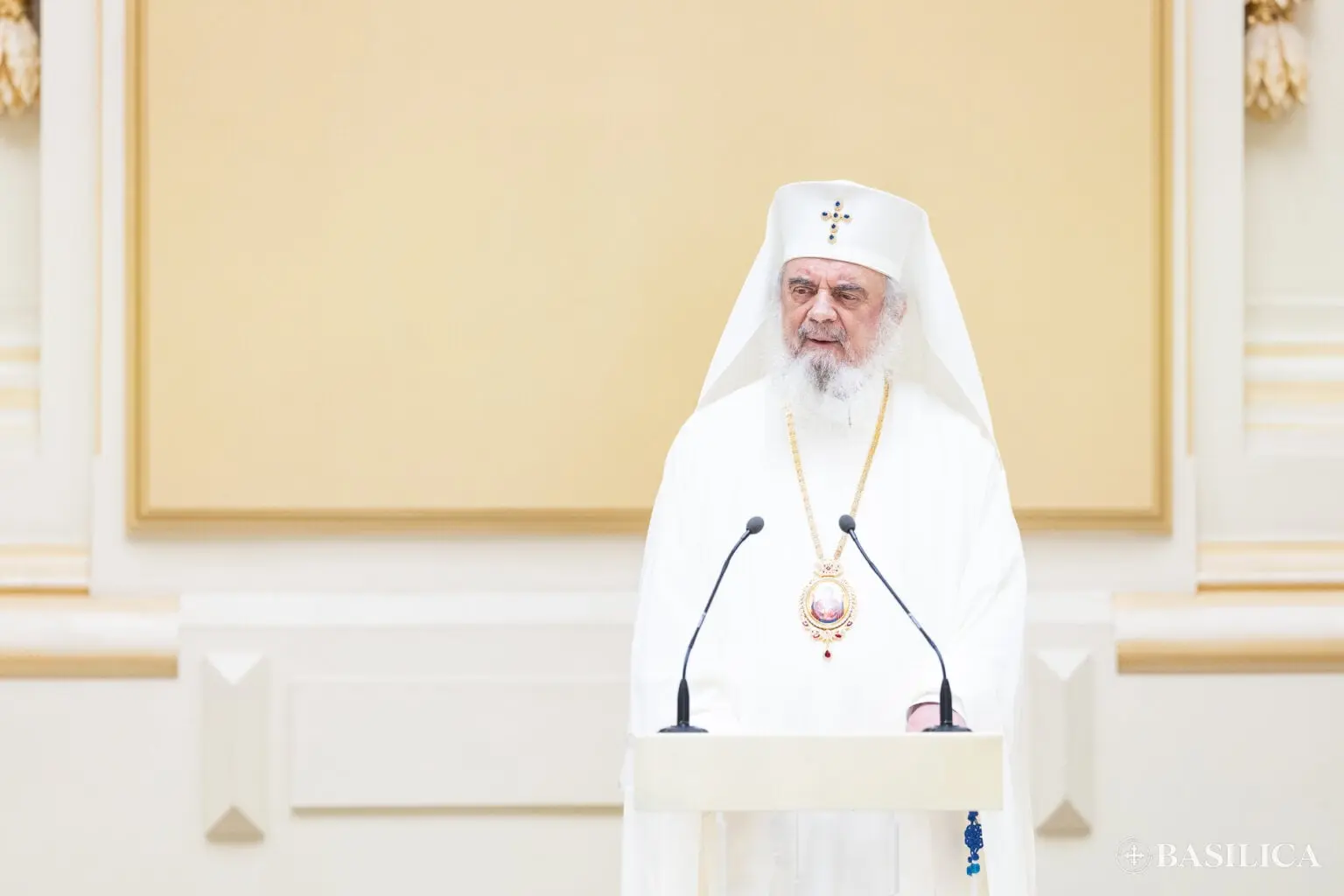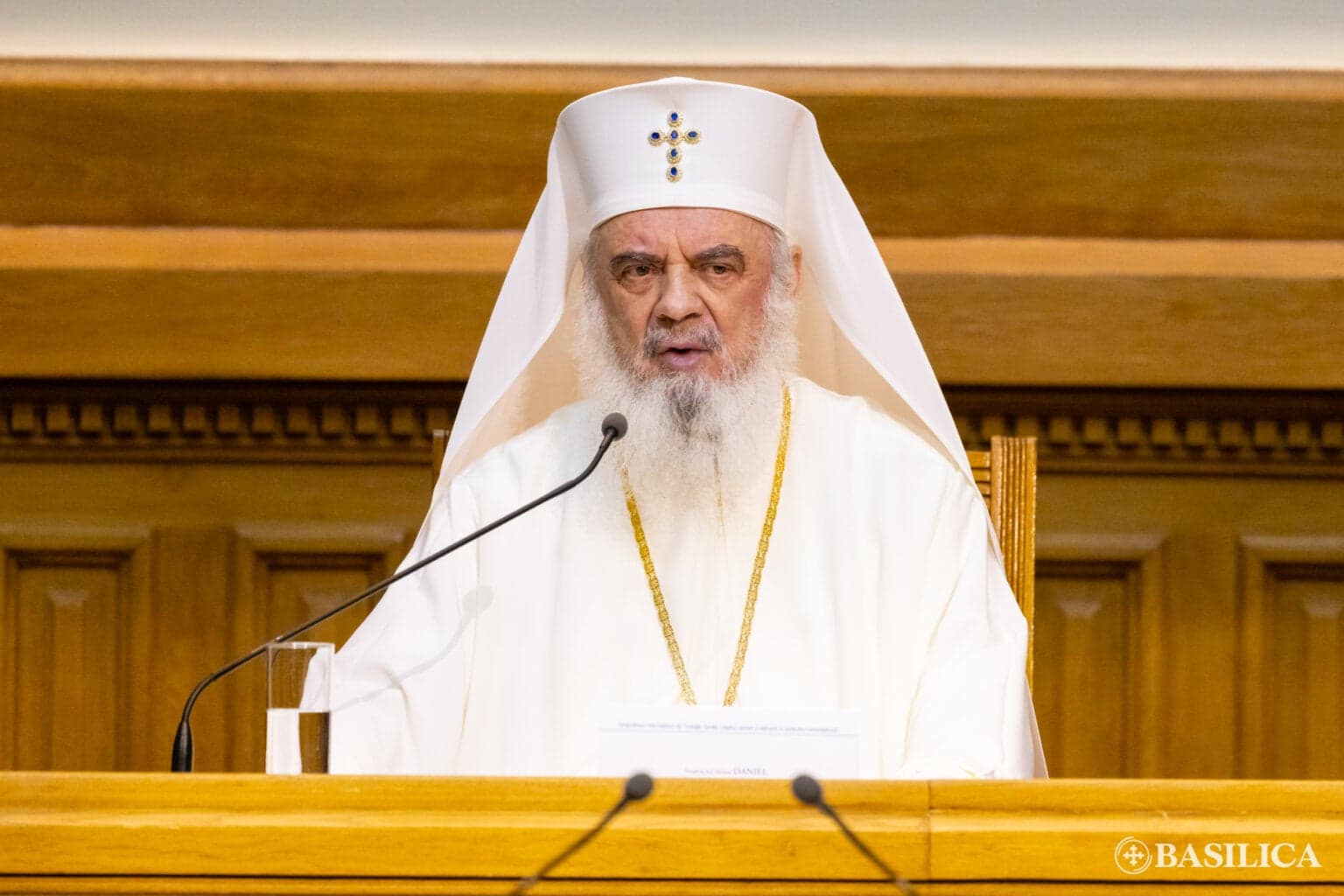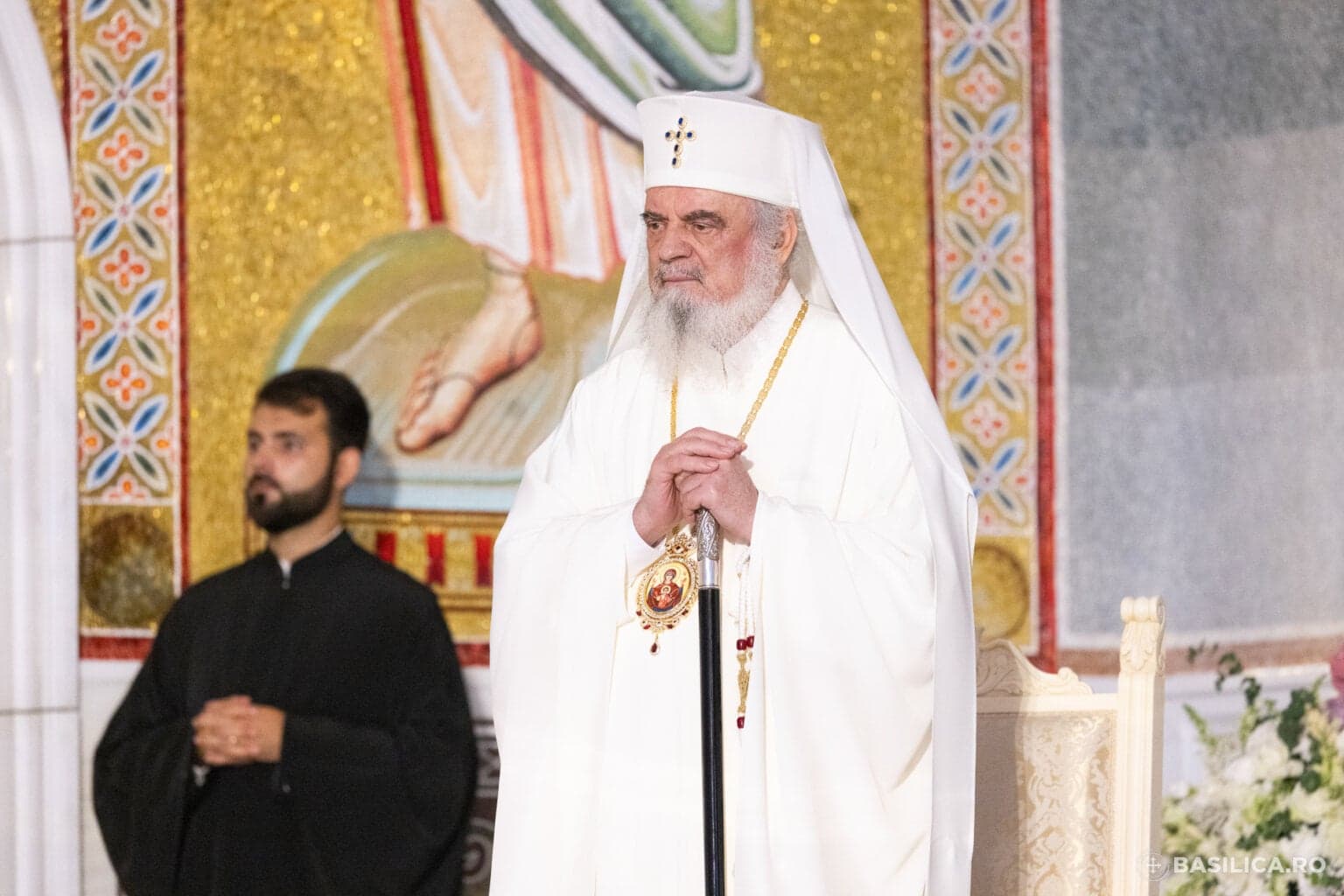
“Self-denial, taking up or accepting the cross and following Christ are the three conditions for being Christians and attaining salvation or eternal life through the union of man with God, the source of eternal life,” said Patriarch Daniel of Romania on Sunday.
The head of the Romanian Orthodox Church explained that Christian life cannot be separated from accepting one’s personal cross.
“Each person has his own cross. This means that every person experiences trials, sufferings or limitations in a unique and personal way,” he said.
Christ at the Centre of Our Lives
The patriarch stressed that self-denial is the first condition for following Christ and involves renouncing the selfishness that closes a person in upon himself.
“The term ‘self-denial’ is difficult to understand today in languages other than Romanian. It is translated as self-negation, especially in an individualistic world where the self is constantly affirmed and selfishness is cultivated as greed for wealth, power and pleasure.”
Patriarch Daniel explained that this spiritual effort does not mean cancelling one’s personality but transforming an egoistic way of life into one open to God and to others.
“Self-denial means giving up the selfish and narcissistic way of living only for oneself, forgetting God and those in need.”
“Very often we are so concerned only with ourselves, with our own image in society, that we no longer have time to contemplate with reverence the icon of Christ in the church, nor to respect the image of God in our neighbours.”
“The Lord Jesus Christ shows us that we can follow Him only when we are no longer the centre of our lives, but He is—the God-Man,” the patriarch added.
Bearing the Cross of Life
“Taking up the cross can mean recognising and accepting our weaknesses, sufferings and unfulfilled hopes, as well as struggling with selfish passions in order to live a holy life. In many cases, the cross is a suffering or a burden in life,” Patriarch Daniel said.
The cross does not refer only to the symbol of Christ’s sacrifice but also to the concrete realities of each person’s life. These trials can become opportunities for spiritual growth.
“When the cross of suffering is carried with faith in God and humble love for Him, suffering becomes united with the hope of healing or salvation.”
The patriarch emphasised that suffering should not remain unshared but must be brought before Christ so that life’s difficulties may become a path of drawing closer to God.
“When the Lord Jesus Christ urges each of us to take up our cross and follow Him, He is in fact saying: bring to Me your pain, your weakness, your illness, your struggle with yourself and with the difficulties of life. Christ wishes to carry our suffering together with us so that He may fill our burdens with His loving, saving and sanctifying presence.”
Quoting St Dumitru Stăniloae, the patriarch added: “Spiritually speaking, the cross is a strong desire or determination to reject temptations, to fight sin, and to remain steadfast in faith and good deeds. In other words, the cross is suffering directed toward victory—a struggle to grow in humble love for God and in merciful love for our neighbours.”

Following Christ
Patriarch Daniel stressed that self-denial and bearing the cross find their full meaning in following Christ, which leads to salvation.
“The Gospel links the mystery of the Cross with the mystery of the Resurrection. Whoever carries his personal cross while following Christ moves toward the Resurrection. The light of the grace of the Kingdom of God mysteriously enters the soul of the faithful person and his life, and he experiences the joy of Christ’s call and the presence of Christ crucified and risen,” he said.
“The Synaxarion and the hymns of the Third Sunday of Great Lent show that the Sunday of the Holy Cross is an encouragement and strengthening for our ascent toward the Resurrection or toward Holy Pascha.”
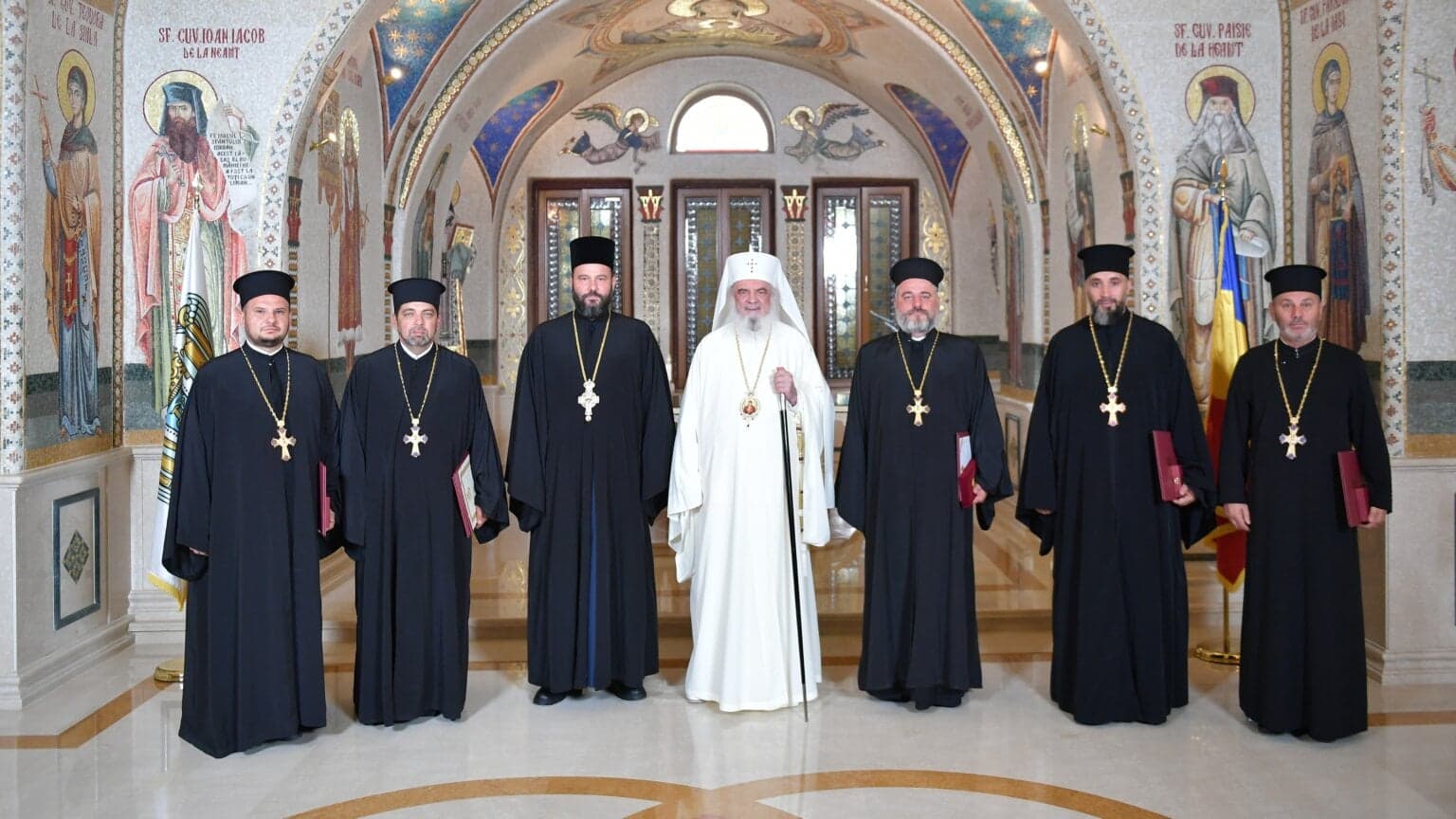
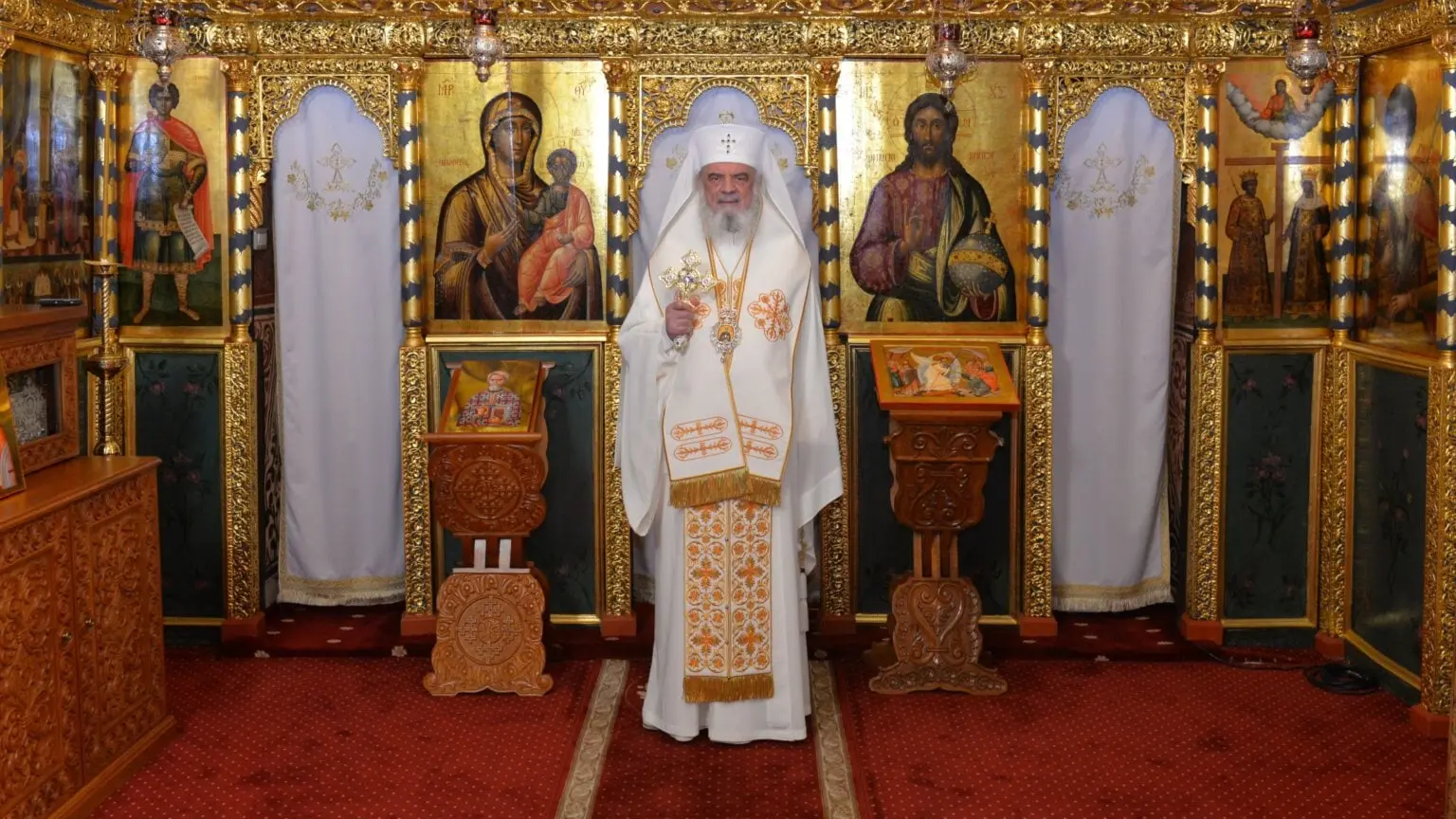
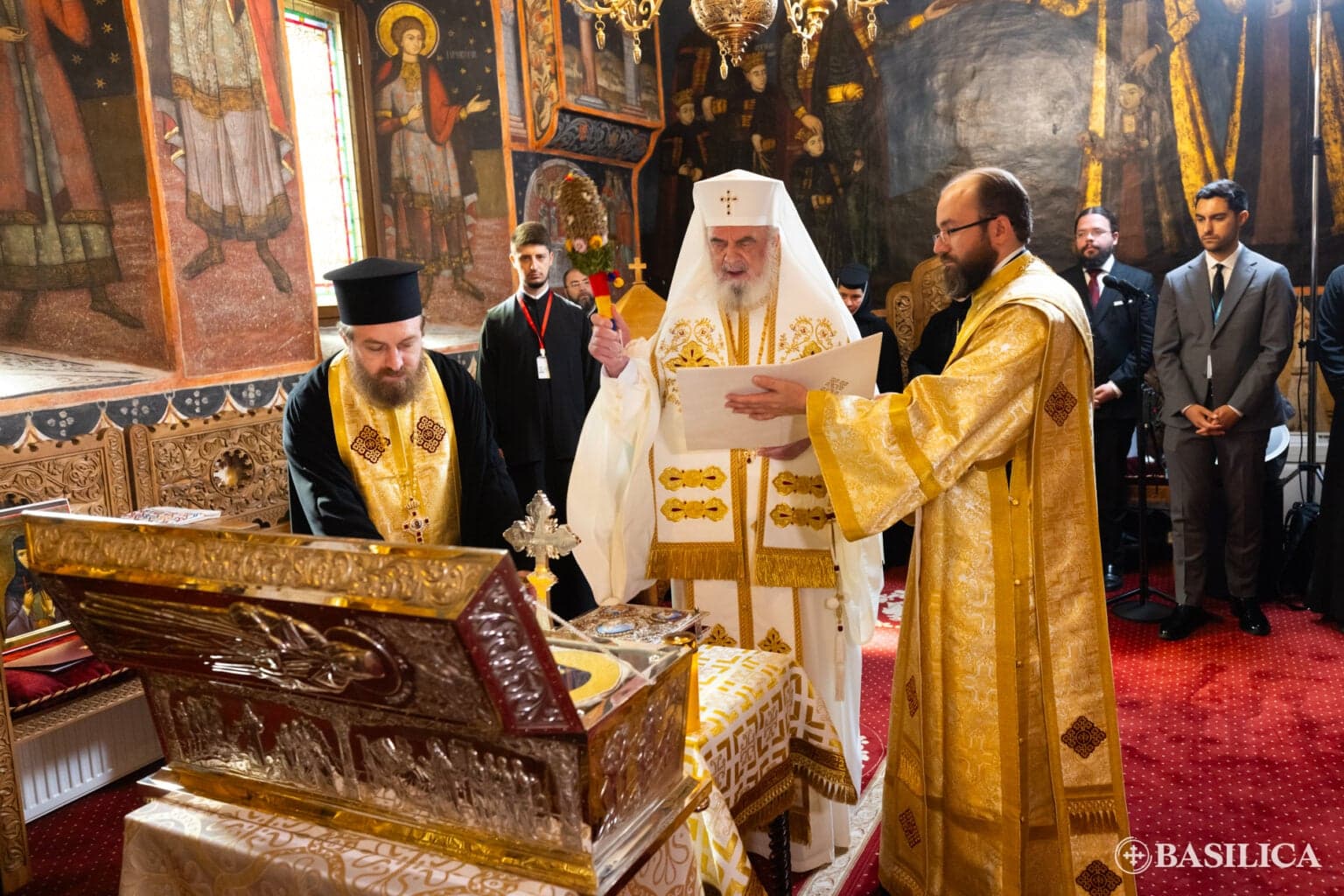
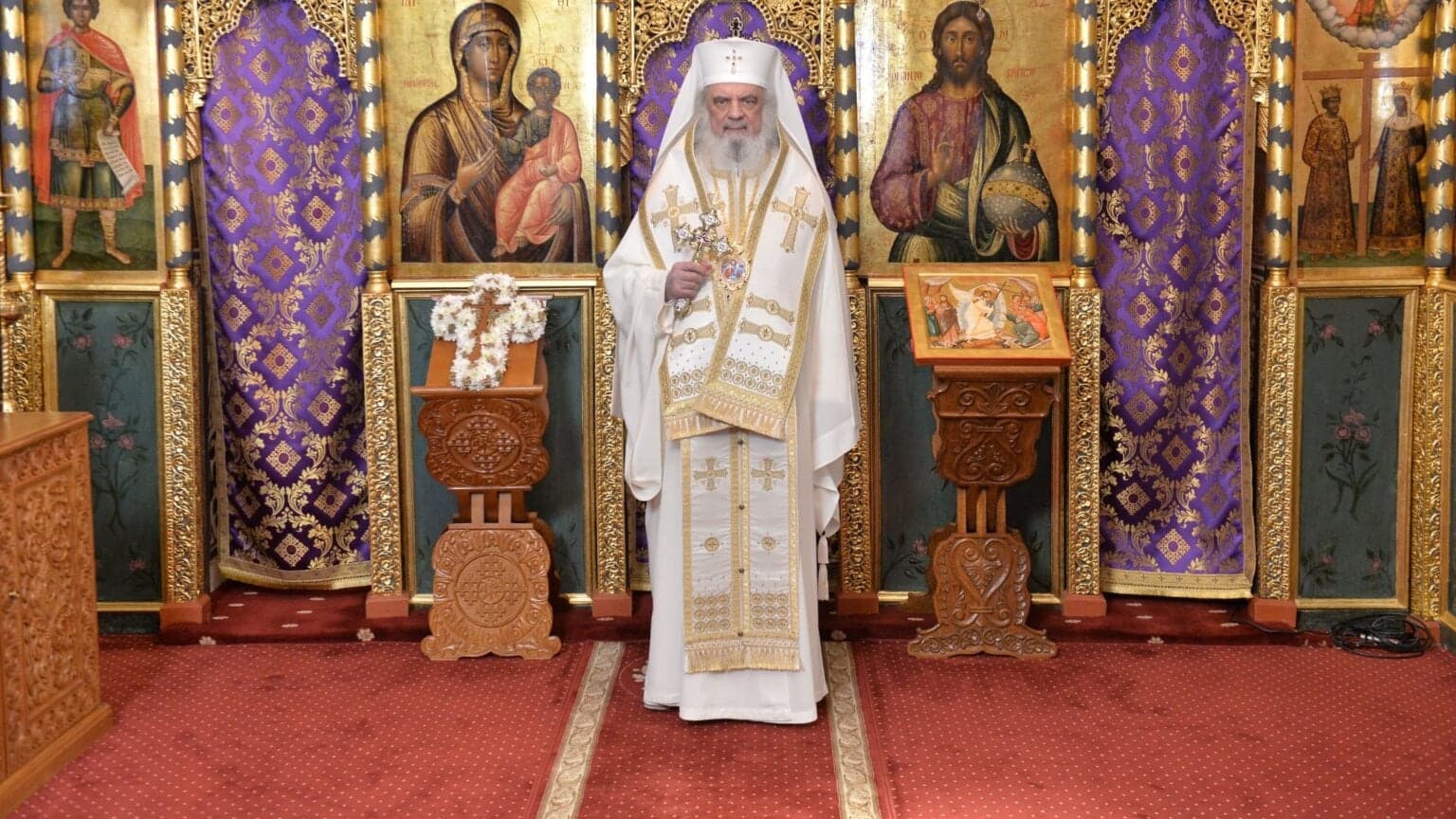
Patriarch Daniel attended the Divine Liturgy on Sunday at the historic chapel of St George the Great Martyr at the Patriarchal Residence in Bucharest.
Photo: Lumina Newspaper