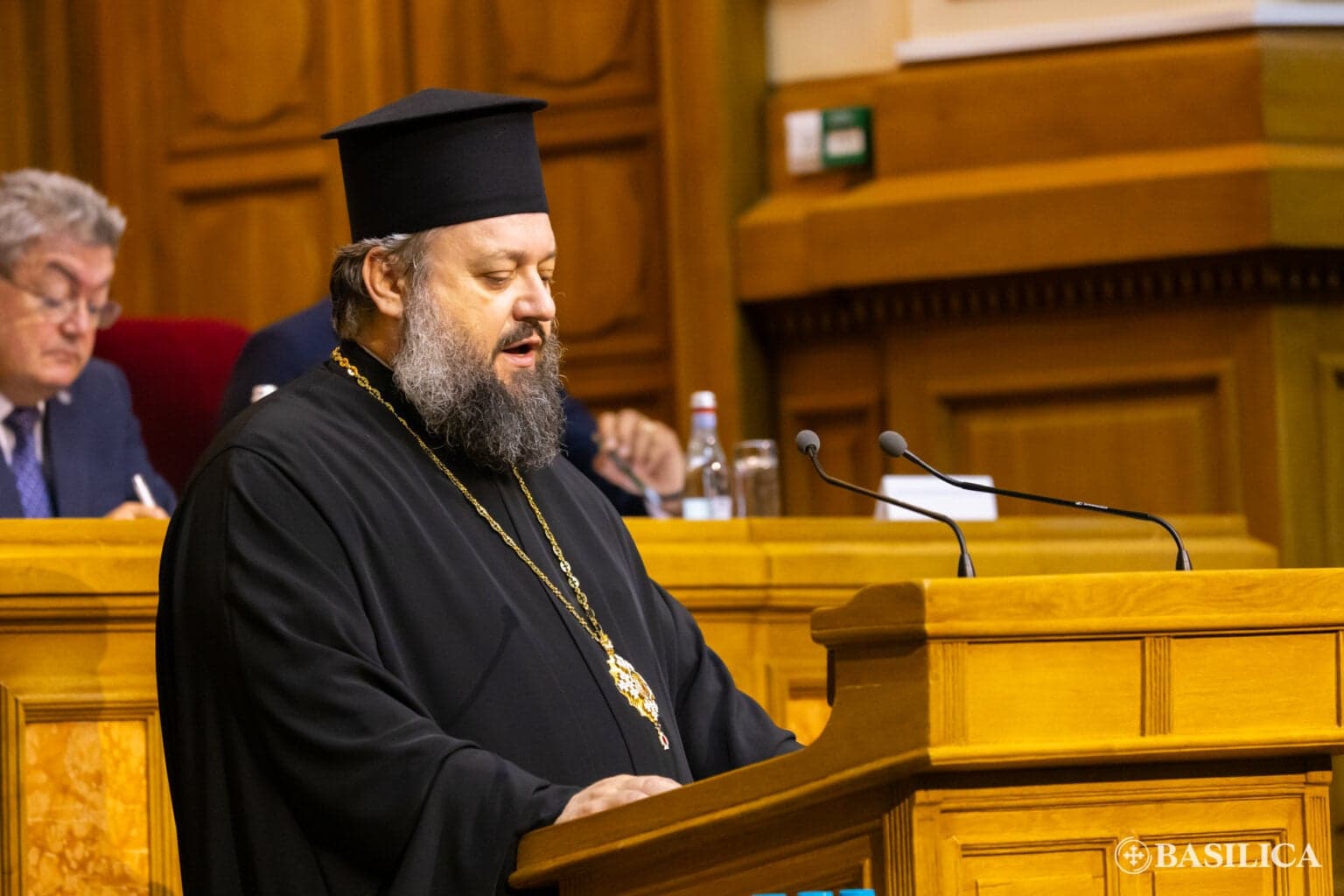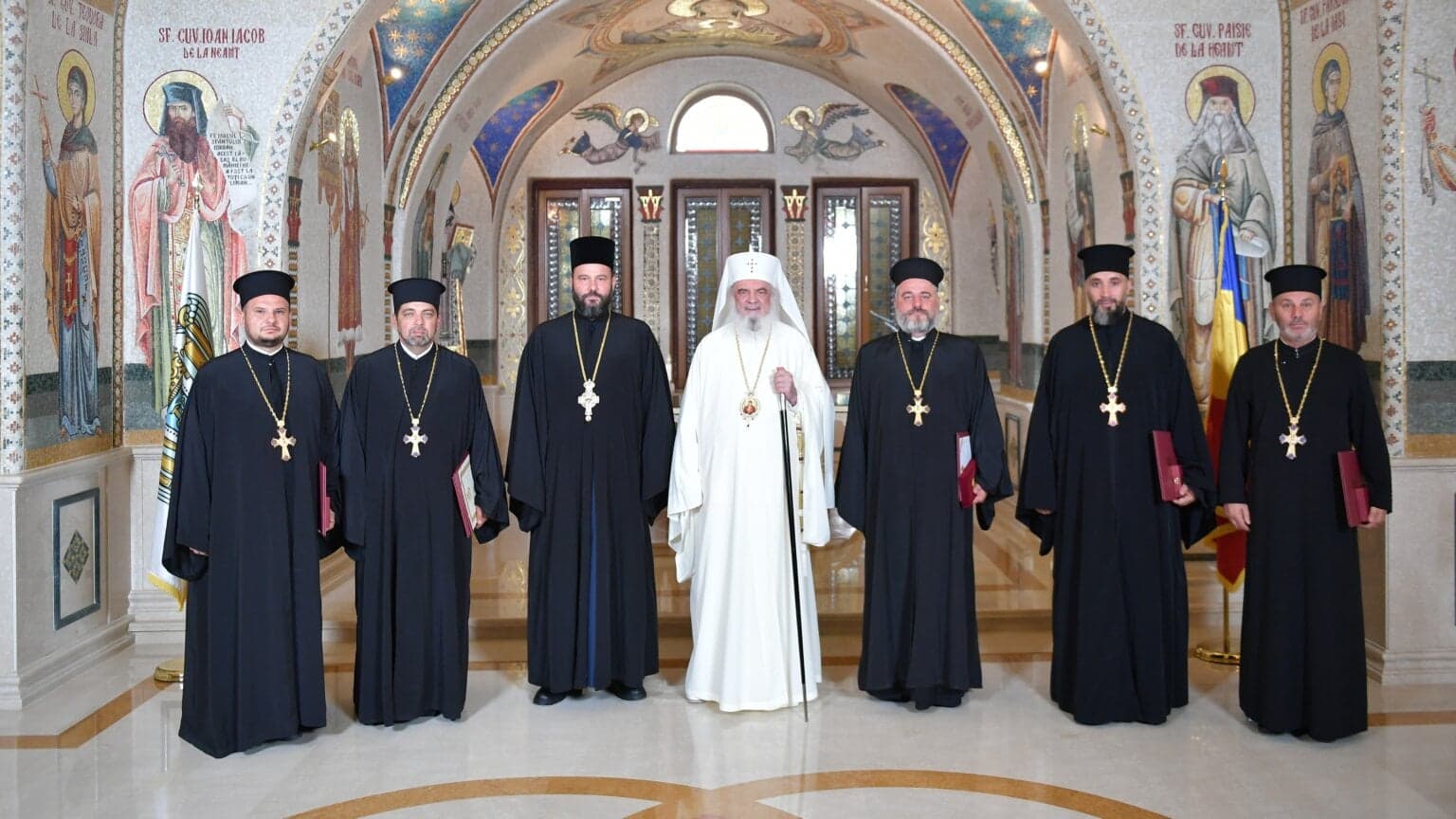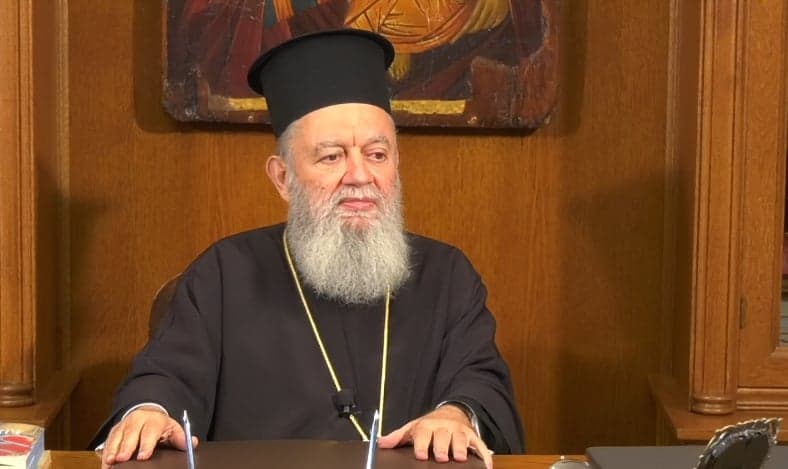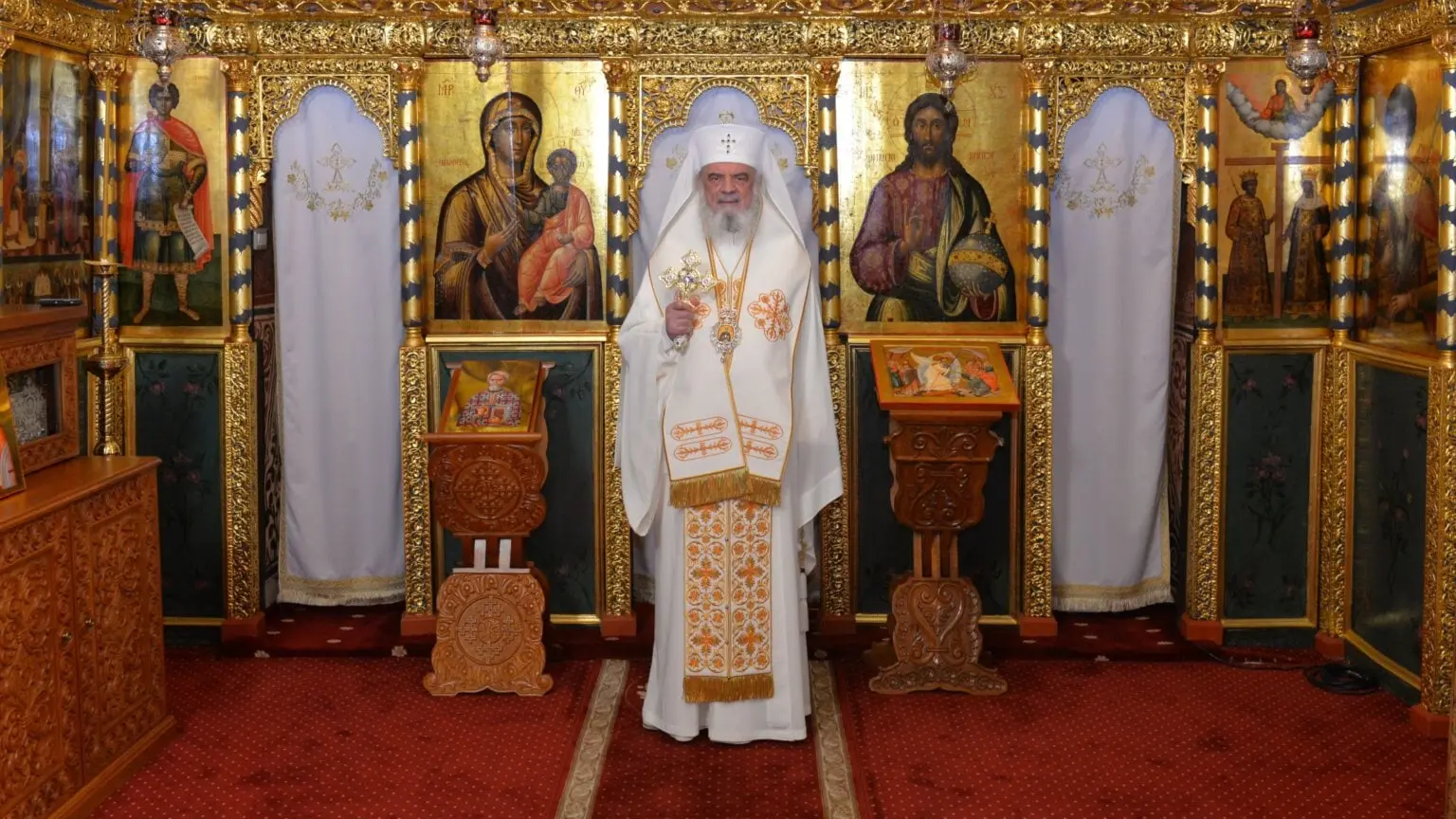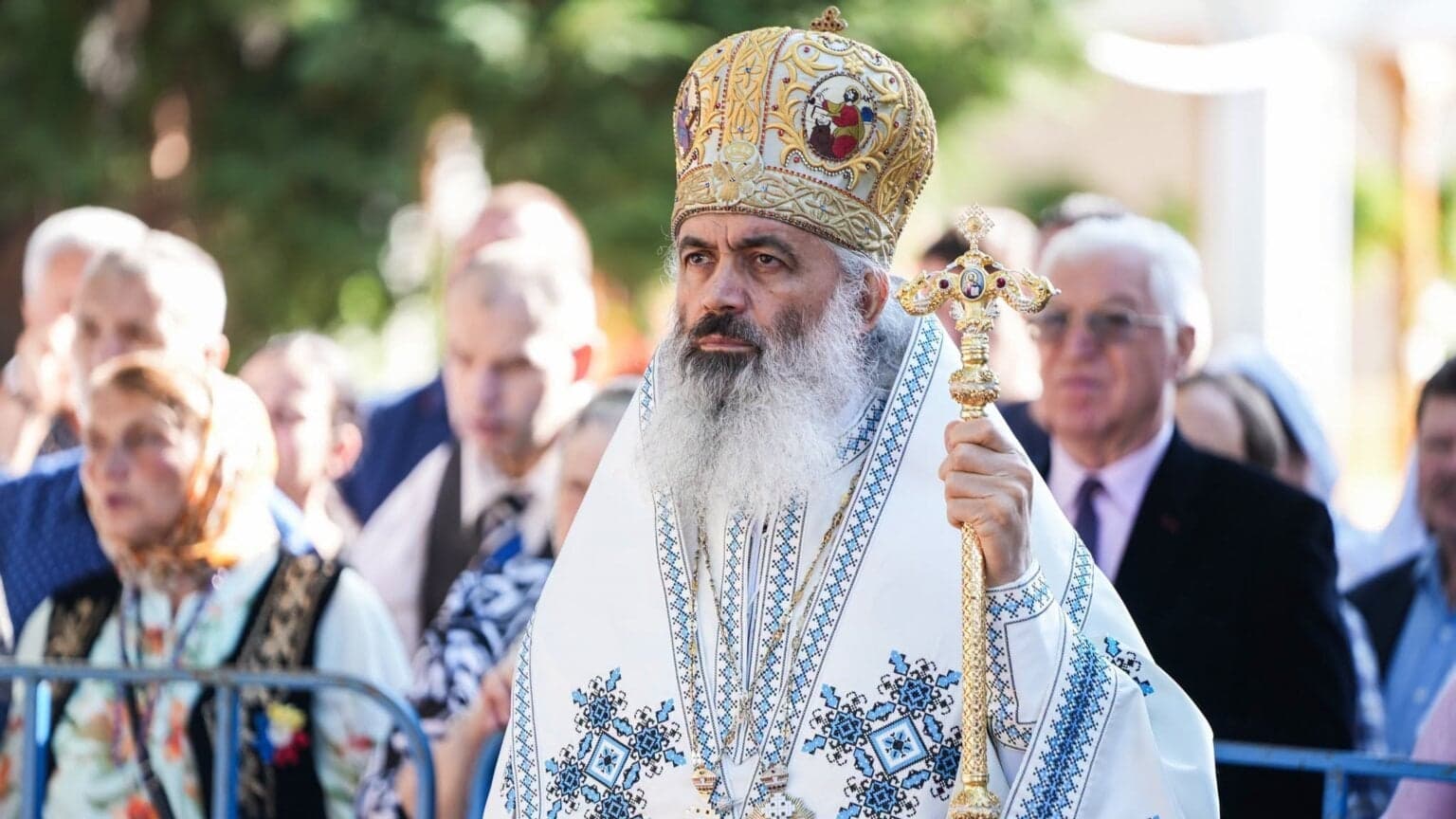
Metropolitan Antonie of Bessarabia issued a message on Monday for Romanian Language Day, saying the occasion “calls us to honour one of the deepest expressions of our continuity”.
“Language is the spiritual matrix of a people, the archive of its sensibility, the memory of its sufferings and victories, as well as the most faithful expression of the way in which it has understood the world, time, life and the encounter with God,” Metropolitan Antonie emphasised.
The Metropolitan of Bessarabia highlighted the challenges faced by the Romanian language east of the Prut.
“In this region, the Romanian language was subjected for a long time to systematic identity engineering. Its alphabet was changed, its name falsified, its origins disputed, while its speakers were marginalised, deported or forced to conceal their identity.”
“Nevertheless, the Romanian language survived in the prayers of mothers and grandmothers, in Church chant, in old liturgical books, in folk songs, Christmas carols, family prayer lists and in the longing of those who were deported. It survived like a vigil lamp sheltered from the storms of history,” Metropolitan Antonie added.
The role of the Romanian Orthodox Church
Metropolitan Antonie said that the Romanian Orthodox Church played an essential role in shaping and preserving the Romanian language.
“Through liturgical books, the sermons of priests and the prayers of communities, it preserved the unity of faith and language among Romanians in all the historical provinces. Even when political borders separated us, the same Divine Liturgy brought us together in the same sacred language.”
Metropolitan Antonie recalled that following the annexation of Bessarabia in 1812 and during the Soviet occupation, imperial administrations sought to uproot the people by falsifying their language.
“Priests, teachers, writers and ordinary faithful were marginalised, deported or killed for the offence of knowing their origins. The kindness and enduring patience of Bessarabian Romanians were often mistaken for acceptance of alienation, and this was — and still remains — the burden of our kindness.”
“The Romanian Orthodox Church perhaps played the most important role in preserving this continuity. Around the Holy Altar, through the Liturgy, the Cazania, the Psalter and Church chant, the Church preserved the unity of consciousness of Romanians living in provinces divided by temporary borders,” Metropolitan Antonie emphasised.
The Metropolitan of Bessarabia concluded his message by urging Romanians to preserve their language with gratitude:
“Let us speak it with dignity and call it by its name without fear, for within it is gathered the longing of so many generations of Romanians.”
Photo: Metropolis of Bessarabia