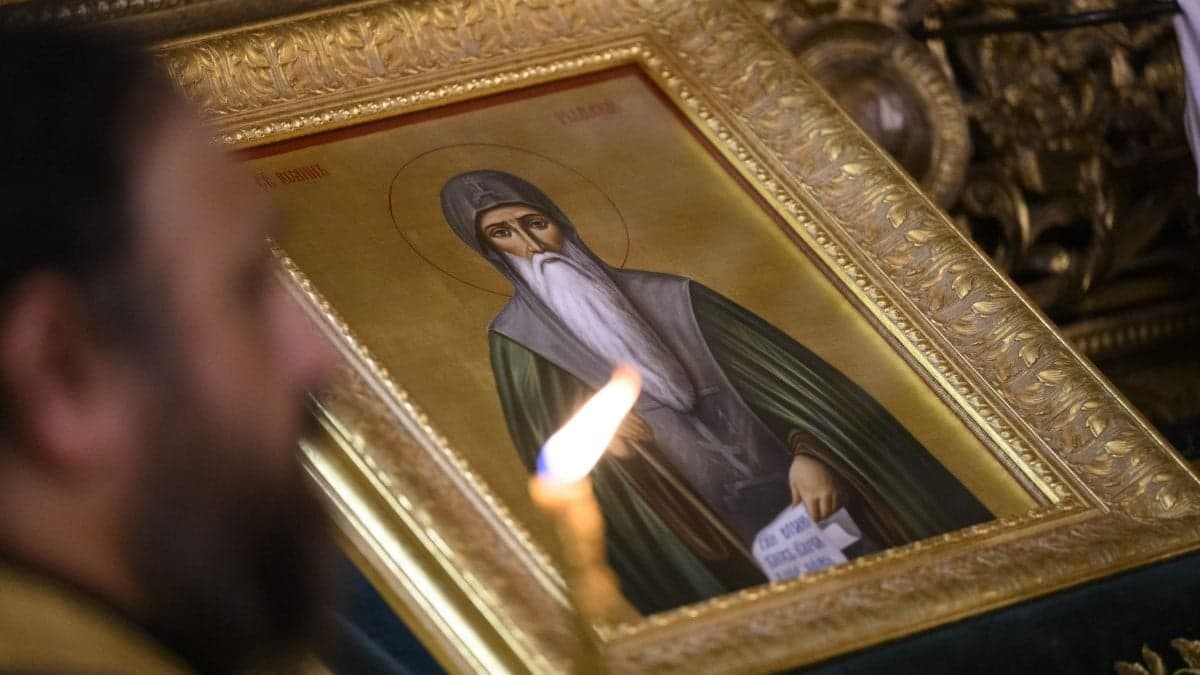
Today, the 8th Sunday after Pentecost, the evangelical parable of Saint Matthew 14:14-22, on the multiplication of the loaves of bread by Jesus Christ, our Lord, was read in all churches:
When Jesus landed and saw a large crowd, he had compassion on them and healed their sick. As evening approached, the disciples came to him and said, “This is a remote place, and it’s already getting late. Send the crowds away, so they can go to the villages and buy themselves some food.” Jesus replied, “They do not need to go away. You give them something to eat.” “We have here only five loaves of bread and two fish,” they answered. “Bring them here to me,” he said. And he directed the people to sit down on the grass. Taking the five loaves and the two fish and looking up to heaven, he gave thanks and broke the loaves. Then he gave them to the disciples, and the disciples gave them to the people. They all ate and were satisfied, and the disciples picked up twelve basketfuls of broken pieces that were left over. The number of those who ate was about five thousand men, besides women and children. Immediately Jesus made the disciples get into the boat and go on ahead of him to the other side, while he dismissed the crowd.
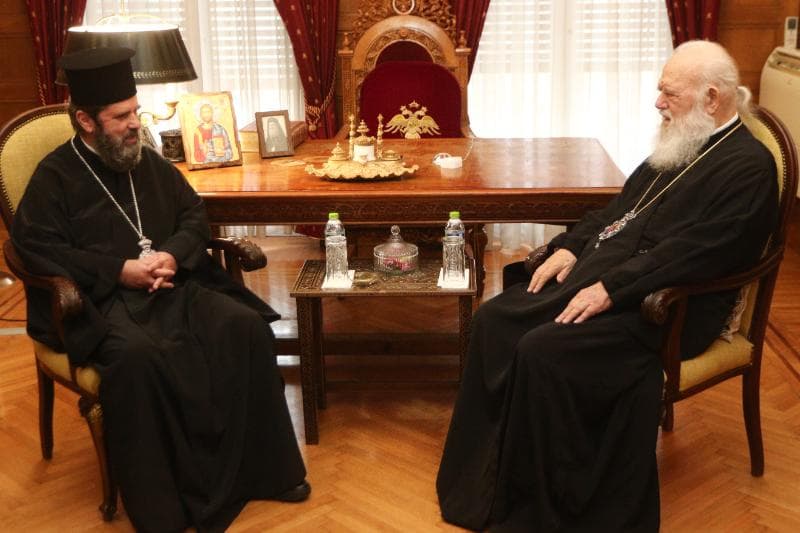
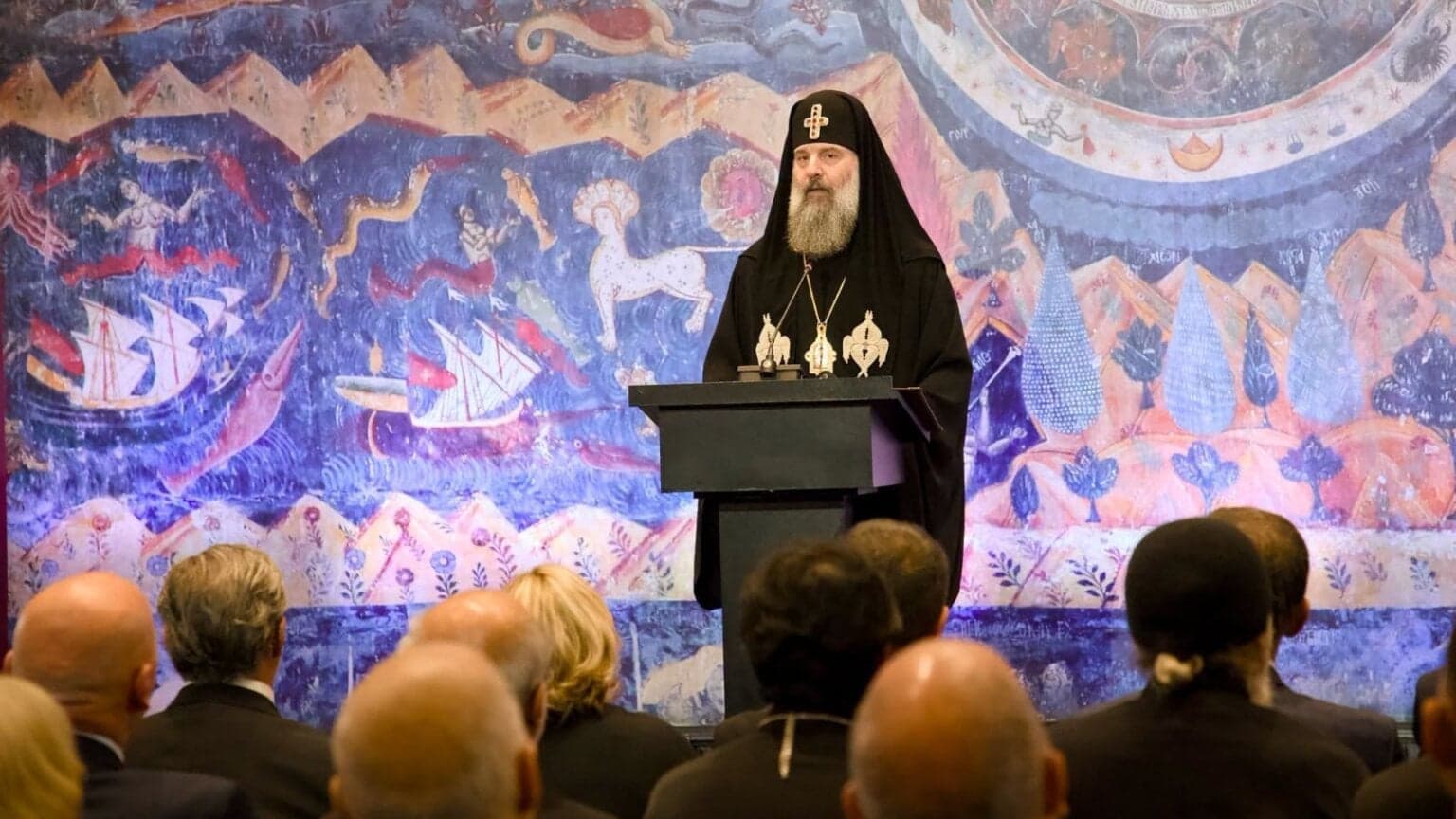
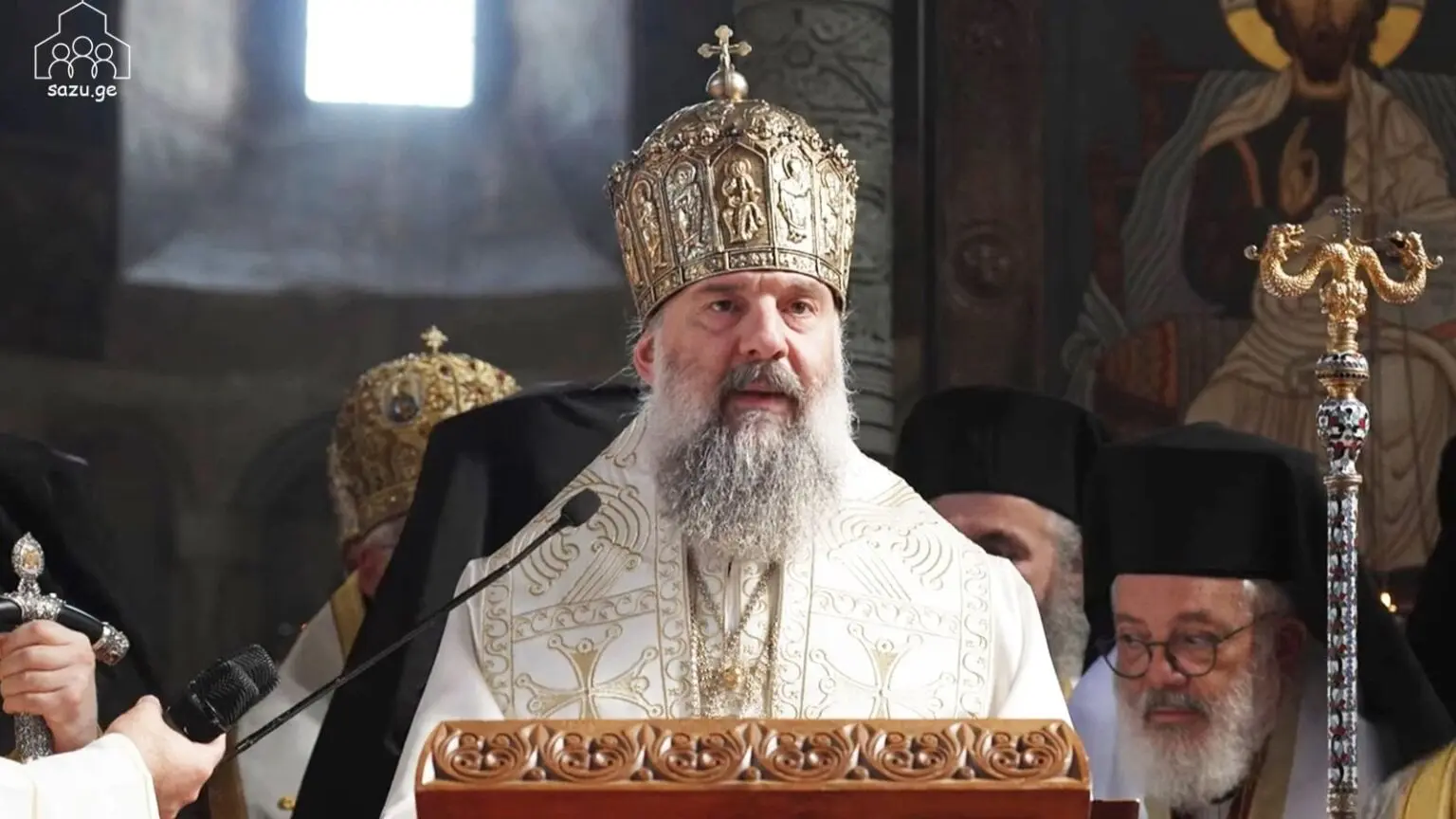
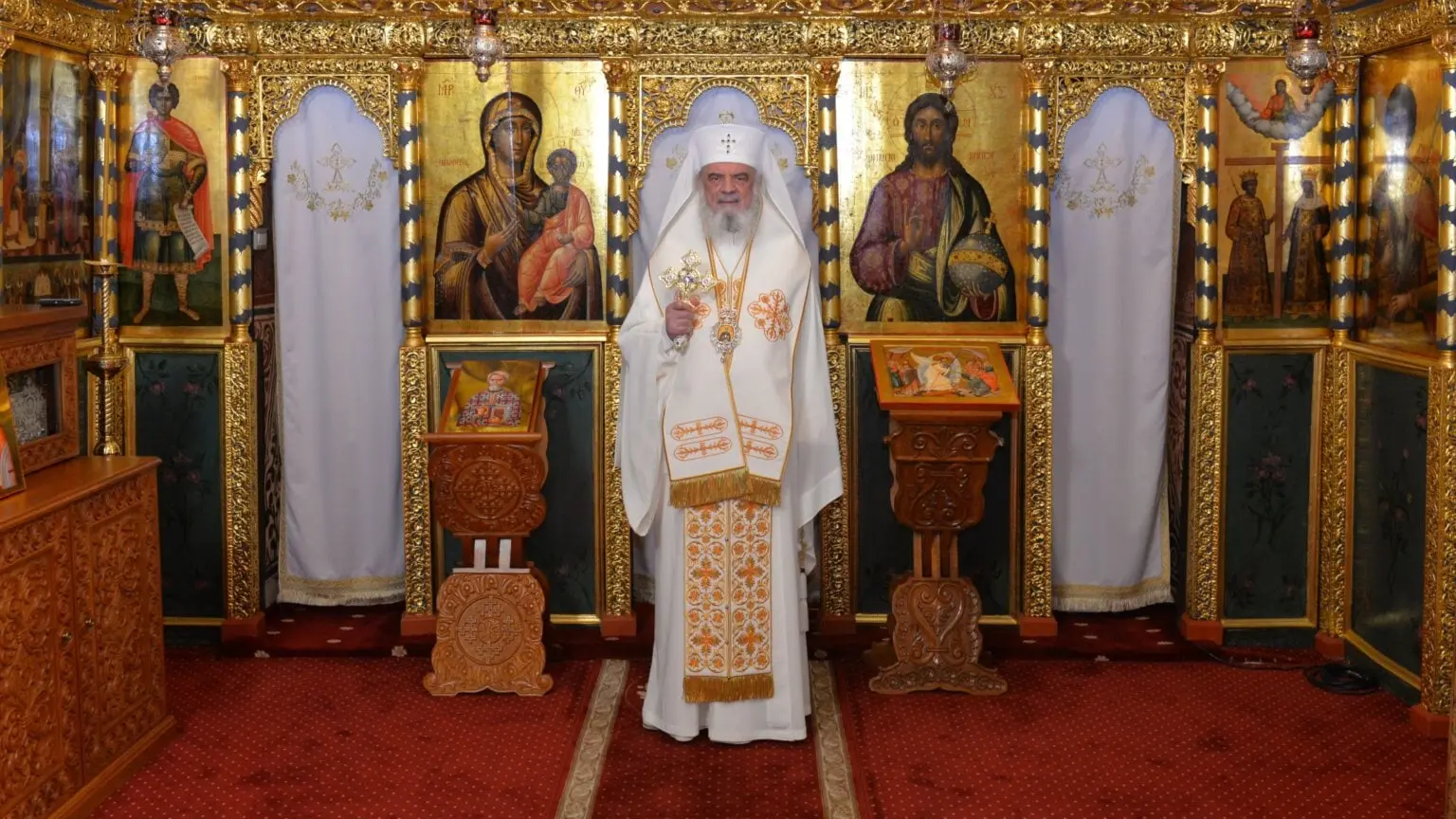
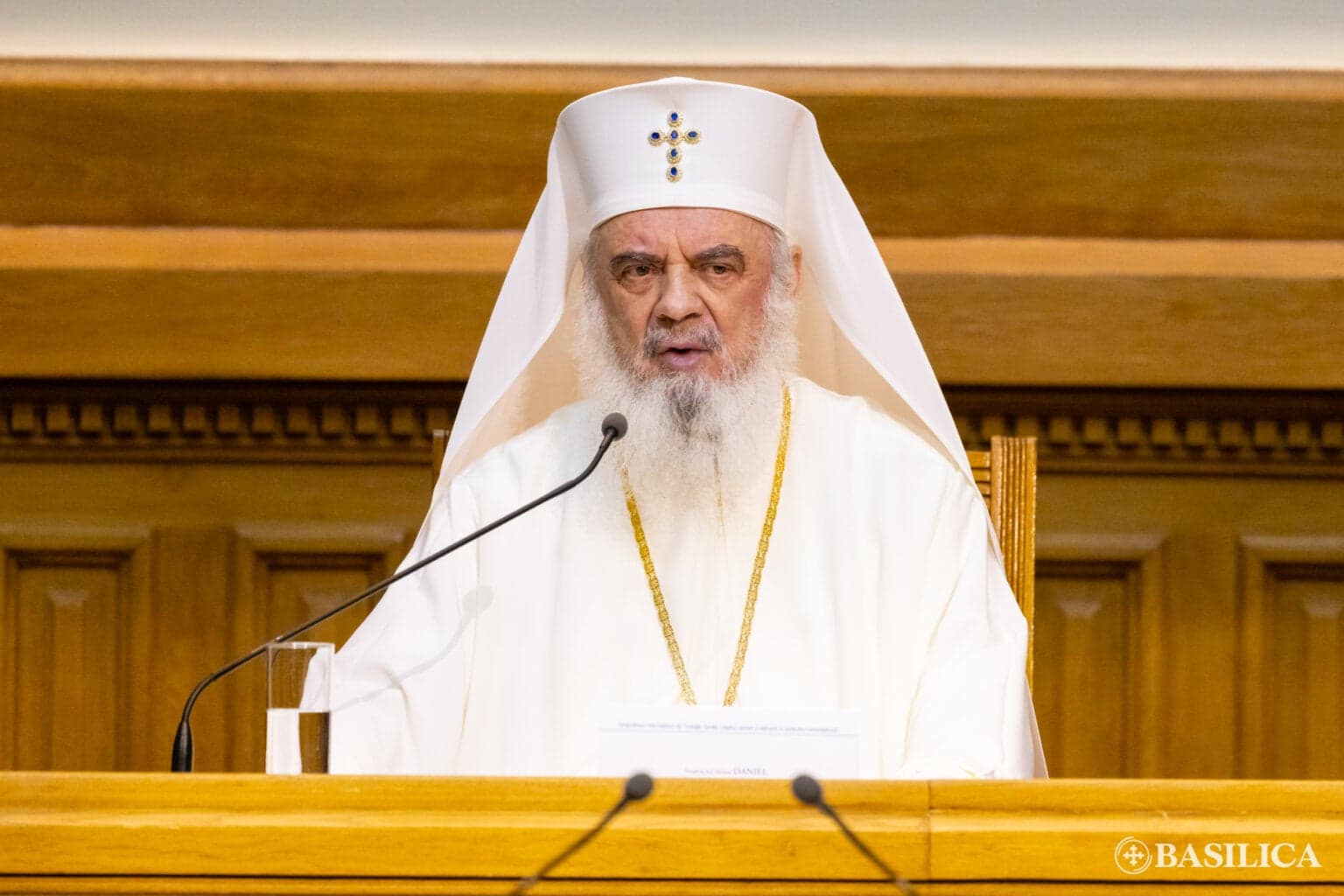
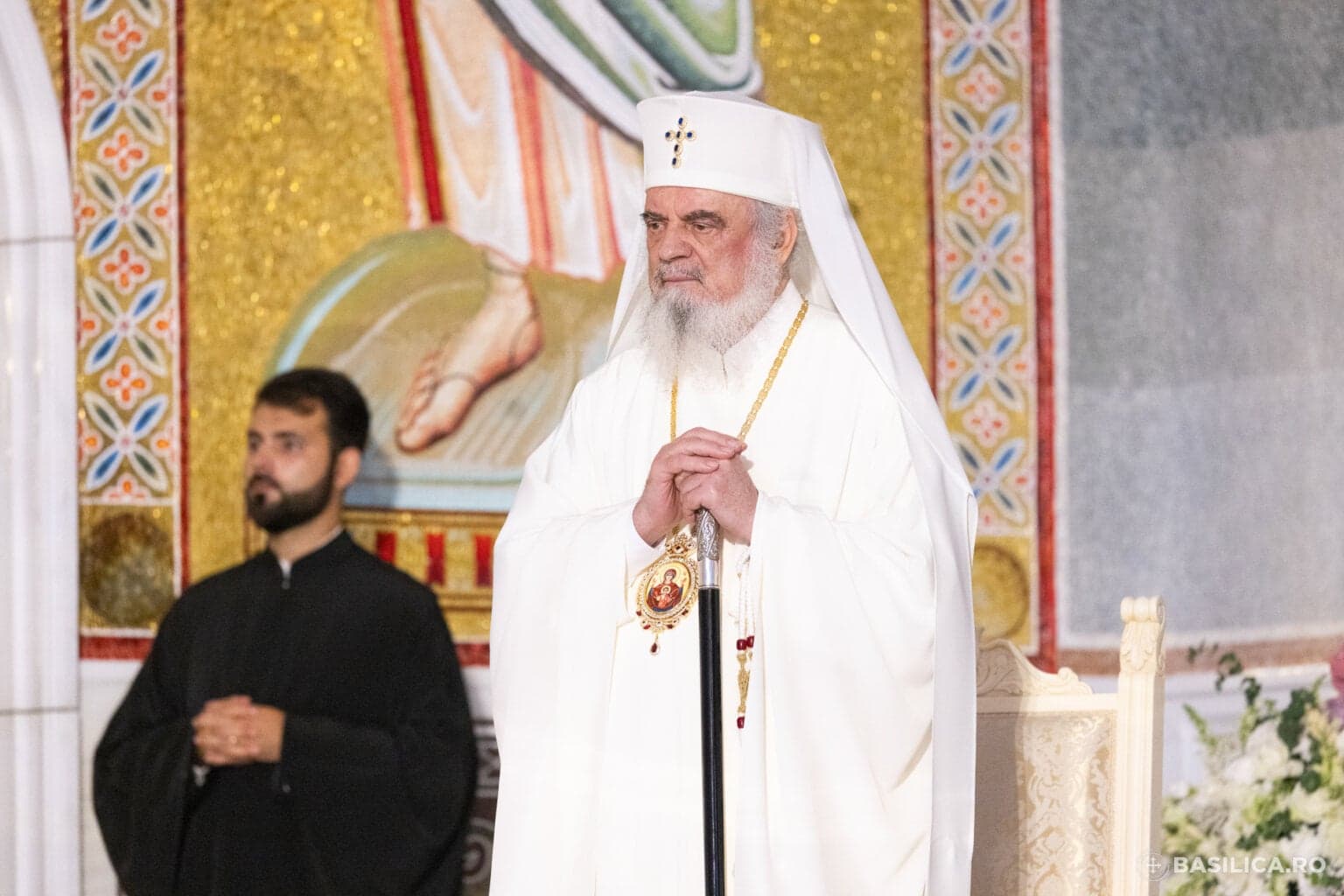
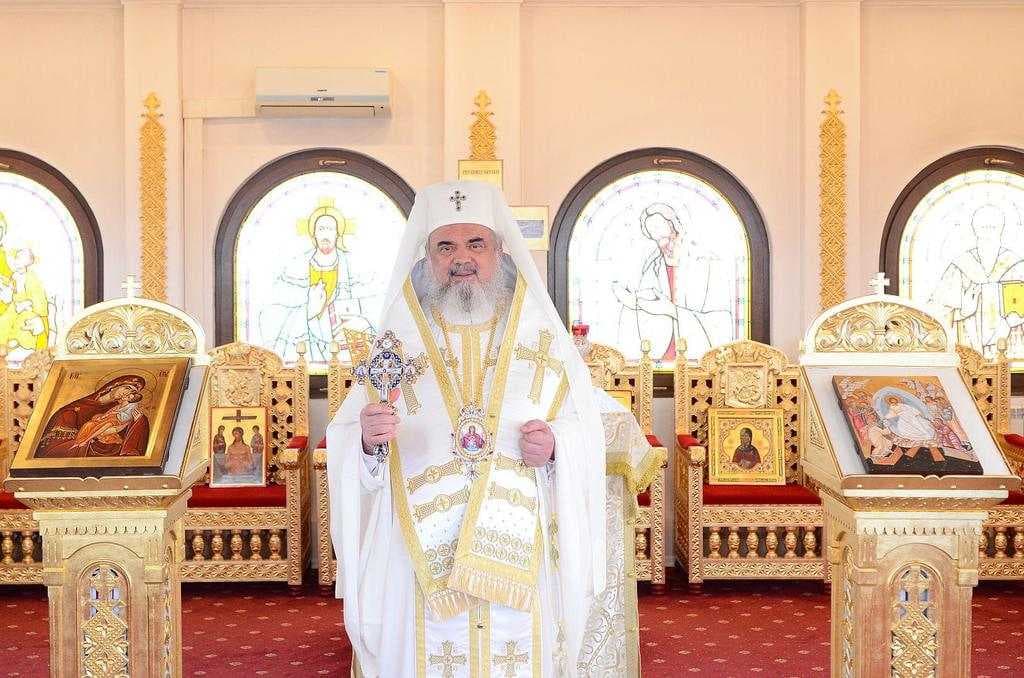
After the Divine Liturgy celebrated in the chapel of the Patriarchal Residence dedicated to Saint Gregory the Enlightener, His Beatitude Patriarch Daniel delivered a sermon in which he explained the teaching of the Gospel of the day.
The Gospel shows us that we must feed ourselves on the word of God first
The first urge of the Gospel read today is the following: we must feed our soul first on the word of God and pray Christ for the healing of our souls and bodies, the Primate of the Romanian Orthodox Church emphasised: “Thus, we show that man is a spiritual being first of all, with eternal soul called to eternal heavenly life, although having a material body living temporary on the earth. The Gospel fragment also shows us that the social work of the Church stemmed from the Holy Gospel and Divine Liturgy. We learn from the Holy Gospel read today that Jesus Christ, our Lord, distinguishes, but does not separate the spiritual food from the body’s food. He gives priority to the spiritual food, but does not forget that man is body too. Therefore, when His disciples asked Him to let the crowd go to buy something to eat, He told them: “you give them something to eat”. Thus, we learn that the disciples of Christ, and so, the entire Church, must take better care of the hungry human”.
The gift that we bring to the church becomes joy for all the people who feed on the gifts of God
The Patriarch of Romania has also shown that the gift brought by the people to the church gets the blessing of God.
“The five loaves that somebody brought to the meeting of the crowds of people with Jesus Christ have become the symbol of the loaves or holy bread brought to the church for Anaphora, namely for preparing the Divine Liturgy. They also symbolise the five loaves that the priest blesses together with the wheat, oil and wine at the religious service called “litany” celebrated within the Great Vesper, to pray God to multiply them in the respective parish, monastery, or eparchy, as well as all over the world. We learn from this Gospel that the gift we bring to the church becomes joy for all the humans who feed on the gifts of God. The purpose of this little gift of gratitude or thanksgiving brought to the church is to teach us all how precious the gift of life is as well as the many gifts that God gives us when the crop and the fruits of the earth are rich. In this sense, we must bring God gifts of the gifts He created, but cultivated by us, to thank Him for them and pray Him to multiply them. Sometimes, when we do no longer thank God and are no longer grateful, God gives drought or floods, stopping or diminishing the bearing of fruits for a time. Thus, we better understand that the gifts that maintain our life on the earth come from God, the Creator of the heaven and earth”, His Beatitude said.
We come to resemble God through generosity
God does not multiply the gifts for us to accumulate them in great supplies, as a false safety based on material things, but the true wonder occurs in order to cultivate the communion of love between God and humans, as well as the humans’ generosity one to another, His Beatitude Daniel, Patriarch of the Romanian Orthodox Church underlined: “While giving you will get”, father Nicolae Steinhardt from Rohia Monastery said so nicely. Thus, when we give one to another food, clothes or money, with merciful love and devotion, our heart is filled with the spiritual joy given to us by the grace of the Merciful God present in the soul of the merciful ones, although our pantry or purse is partially emptied. Thus, we come to resemble God through generosity, according to the command of Jesus Christ, our Lord: “Be merciful, just as your Father is merciful.”
The multiplication of the loaves in the desert was an anticipation of the Holy Eucharist too
The Patriarch of Romania also shows us that the multiplication of the loaves by Jesus Christ, our Saviour, was an anticipation of the Holy Eucharist too.
“Certainly, there is a deeper spiritual meaning of this Gospel too, namely the multiplication of the loaves by Jesus Christ, our Lord makes us think of the Holy Eucharist, by which the eternal unlimited love of Christ for the world is manifested. At the Orthodox Eucharistic Liturgy the priest raises the Holy Particle of Holy Bread and says soon after the sanctification of the Eucharistic Gifts: “The lamb of God is smashed and shared, the One who is smashed and not separated, the One always eaten and never finished, and sanctifies those communicated”. Therefore, we understand that although we communicate ourselves with only a particle of the Body of Christ, we receive the entire Christ. In other words, Christ is not divided as Person when He mysteriously or eucharistically offers Himself to every faithful who is communicated with His Body and Blood. The entire Christ is present in every particle of His Holy Body, through the grace of the Holy Spirit. The Holy Gospel according to John shows this truth when Christ, the Lord, says: “Whoever eats my flesh and drinks my blood has eternal life, and I will raise them up at the last day.”. When we are communicated, we receive Something, namely the Holy Body and Holy Blood of Christ, but we unite with Somebody too, with Christ himself. Thus, through the Holy Eucharist we receive not something temporary, but the eternal life or love of Jesus Christ, our Saviour”, the Primate of the Romanian Orthodox Church also said.
His Beatitude has also urged the clergy and faithful to say prayers for rain at the right time
“Today, we also remember the urge of the Church to say prayers, in all the parish churches and church monasteries, so that God should bestow His mercy over us, and send us good rains that bring fruit useful both for the humans and for animals. Thus, we show that we directly admit that all the gifts of existence, all the gifts that maintain the life of the human’s on the earth are gifts of God. Neither should we forget the Giver, but pray Him to forgive our sins when we trespass His will and forgive our oblivion or lack of gratitude. This drought must be understood as an urge to more faith, prayer and mercy towards the poor, lonely, helpless, and so we become the hands of the merciful hands of Jesus Christ for our fellow beings”, His Beatitude Daniel, Patriarch of Romania said.
Next Sunday, 2 August 2015, the 9th after the Pentecost, the evangelical parable of Matthew 14:22-34 will be read at the Divine Liturgy (Walking on water – calming the storm).