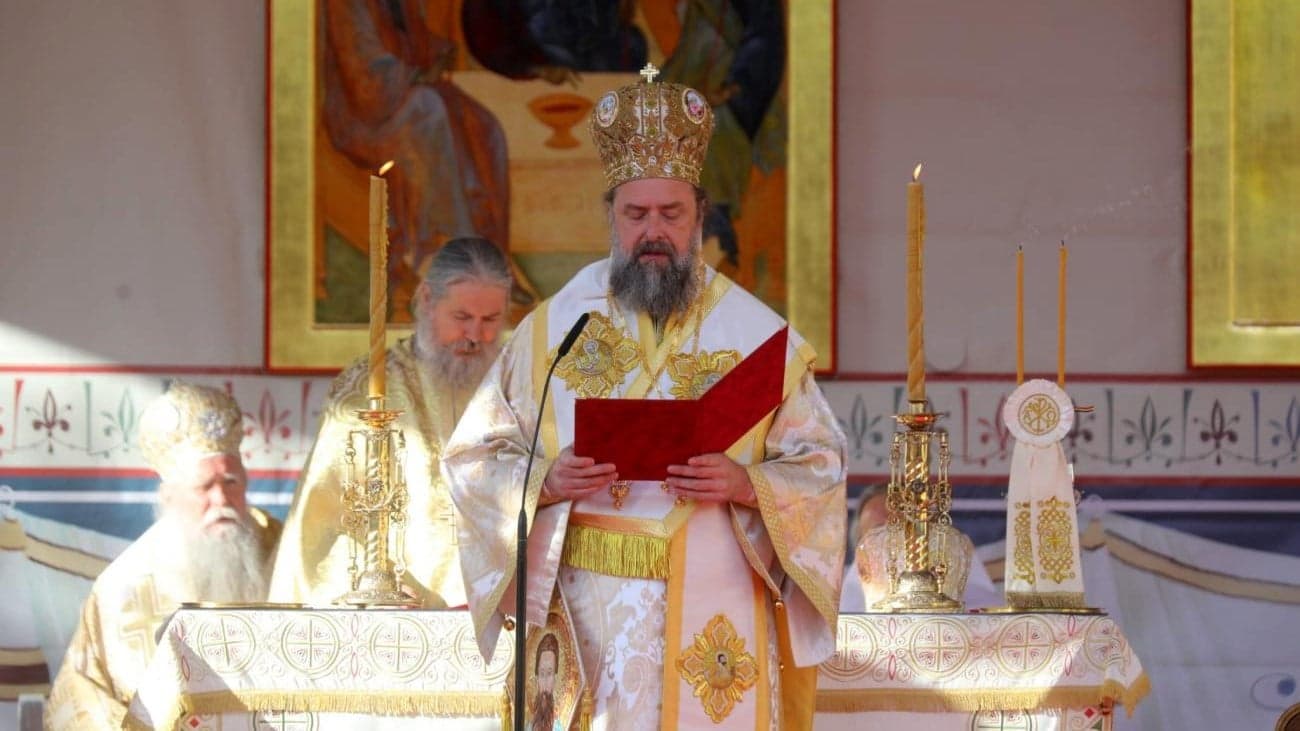
“Saint Parascheva, celebrated today, is a radiant example of what it means to take up one’s Cross and follow Christ,” said Metropolitan Filotheos of Thessaloniki during the local celebrations on Tuesday in Iași.
His Eminence reflected on the Gospel passage read during the Divine Liturgy, in which the Saviour calls His disciples to self-denial and to take up the Cross.
“If anyone desires to come after Me, let him deny himself, take up his cross, and follow Me” (Mark 8:34). “To deny oneself,” explained the Metropolitan, “means to renounce the old man, to reject autonomy and egoism, and to subject our entire existence to the will of God. It is not an external act, but an inner transformation — a path of repentance that leads to true freedom.”
Saint Parascheva, a model of bearing the Cross
Metropolitan Filotheos described Saint Parascheva as a living model of this teaching.
“She lived in difficult times, when faith and devotion were tested by worldly indifference. Yet she renounced the vanity of passing life, dedicating herself entirely to prayer, ascetic struggle, and love for her neighbour.”
“Her self-denial was complete: she gave her body to fasting and toil and her will to the love of God. Saint Parascheva is a beacon and a comfort for the faithful. Her presence, accompanied by many miracles, has always been a living testimony that Christ does not abandon those who bear their cross with patience and faith.”
The journey with Christ
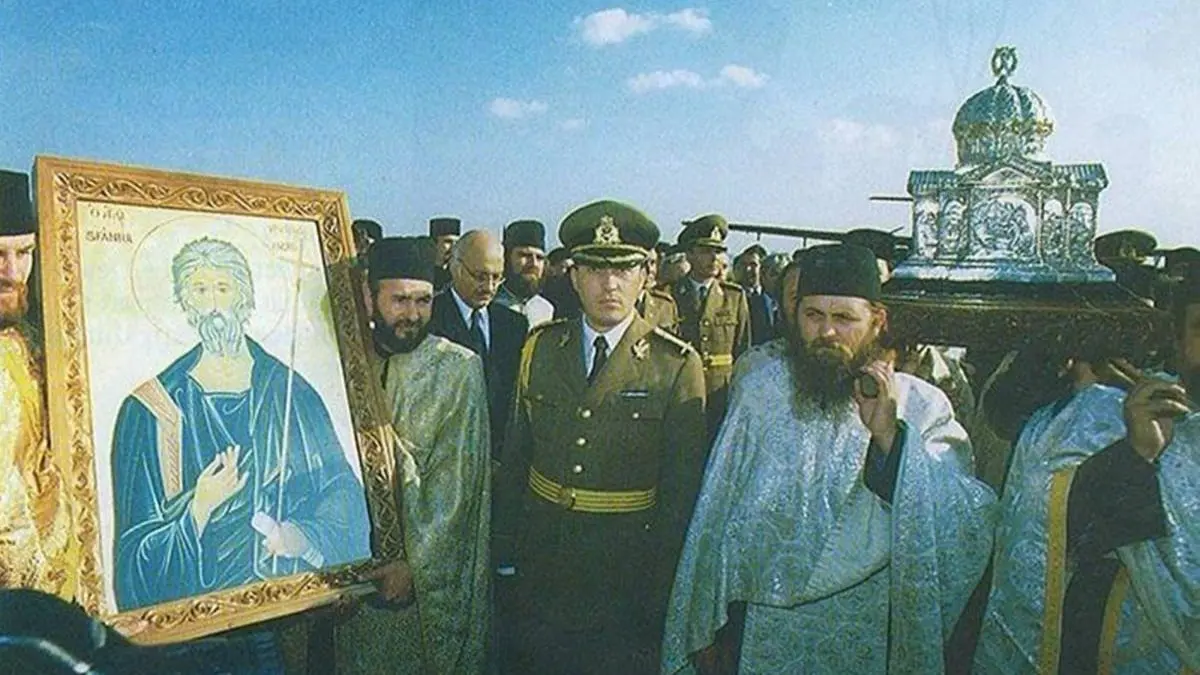
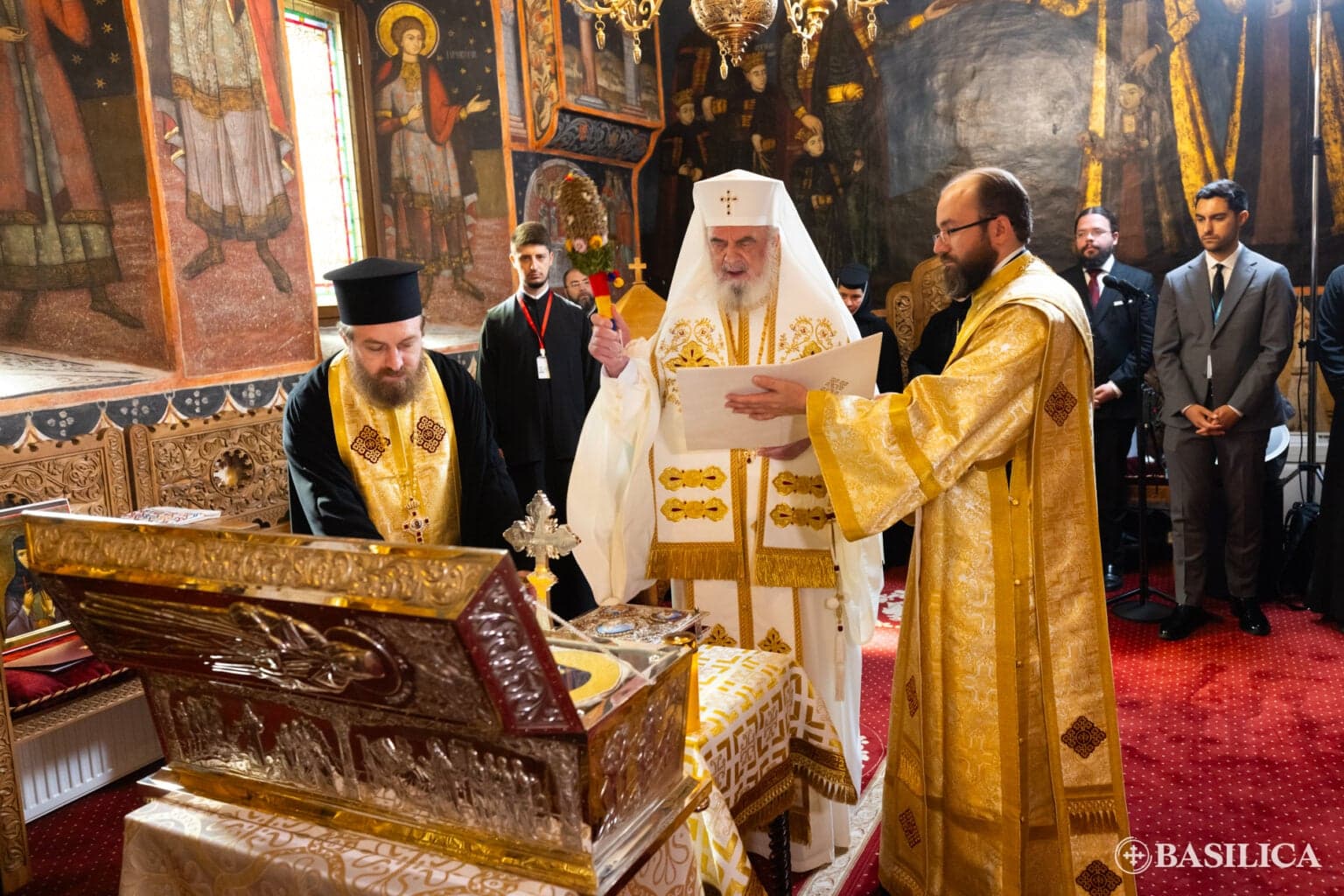
His Eminence also recalled the teaching of Saint Gregory Palamas, Archbishop of Thessaloniki and one of the great theologians of the 14th century, whose relics were brought to Iași for veneration during the feast.
“Saint Gregory Palamas teaches that the grace of God is uncreated and divine, shared with hearts purified of sin. When a person denies himself, purifies his passions, and turns his mind toward God, he is illuminated by the uncreated energy of the Holy Spirit and by the light of the Transfiguration.”
“On this path of the Cross and holiness, we find Saint Parascheva — whom we celebrate today — and Saint Gregory Palamas, whose relics are among us. They meet in profound spiritual unity.”
Saint Parascheva, the Metropolitan said, was sanctified through ascetic struggle, humility, and prayer, while Saint Gregory Palamas was sanctified through the contemplation of divine light.
The Cross as the way to Resurrection
“When one bears his cross with faith,” Metropolitan Filotheos explained, “the uncreated divine grace acts within him, transforming pain into joy, weakness into strength, and darkness into light.”
He added that Saint Parascheva and Saint Gregory Palamas reveal two dimensions of the same mystery: that following Christ is the true way to life, and that this life is not a moral achievement, but a gift of divine grace.
“As we celebrate Saint Parascheva today,” he said, “let us ask her to teach us patience, perseverance, and the joy of the Resurrection. And let us ask Saint Gregory Palamas to enlighten our minds, that we may understand God’s grace as living and active in the Church.”
Metropolitan Filotheos concluded his message with an exhortation:
“Let each of us take up our Cross with hope, knowing that Christ Himself walks before us. And when we follow Him, though it is a Cross, it becomes light; and as Saint Gregory Palamas says, man becomes god by grace.”
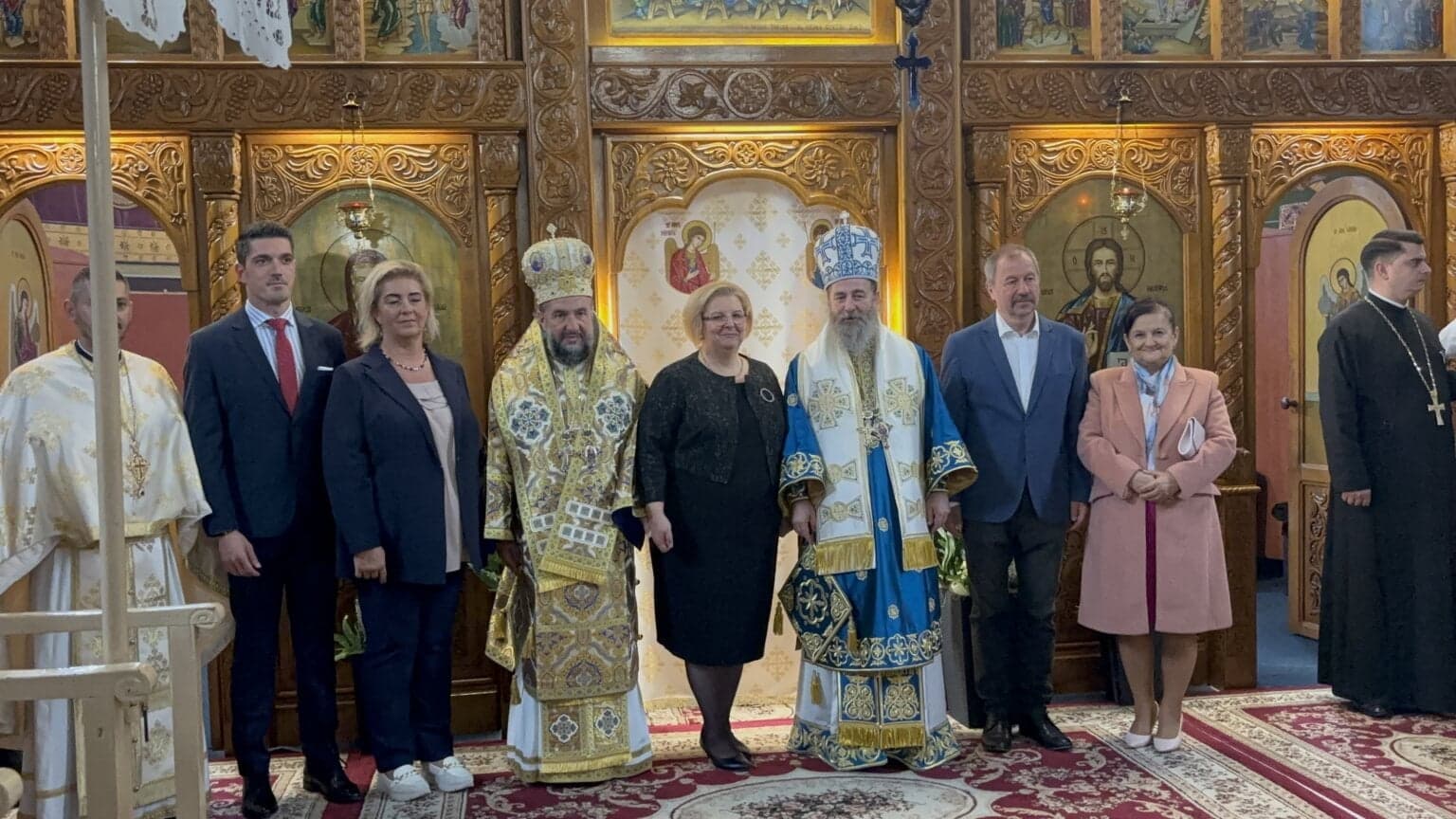
His Eminence Metropolitan Filotheos of Thessaloniki (Orthodox Church of Greece) brought the relics of Saint Gregory Palamas to Iași for the feast of Saint Parascheva.
Photo: Doxologia