More than two-thirds of the world’s population lives in countries where religious freedom is restricted or violated, according to a 2025 report published by Aid to the Church in Need (ACN International).
The document notes that interreligious dialogue and cooperation between communities can help reduce discrimination and promote social peace.
Analysing the situation in 196 countries, the report finds that 62 states face serious violations of religious freedom.
Of these, 24 countries are classified under “persecution”, where violence, arrests and systematic repression occur, while 38 states are considered areas of “discrimination”, where freedom of belief is limited through legislation, social pressure or administrative restrictions.
Among the main causes identified are authoritarian regimes, religious extremism, ethno-religious nationalism and armed conflict—phenomena that affect followers of all religions.
Nearly 400 million Christians persecuted
At the same time, another international report published by Open Doors shows that nearly 400 million Christians were persecuted or discriminated against in 2025, a significant increase compared with previous years, particularly in Africa and Asia.
The ACN International report also signals a rise in violence against Christians in Europe and North America, citing concrete examples in Greece, Belgium, France and Canada.
“The absence of systematic reporting of anti-Christian incidents leads to ineffective policies, the normalisation of hostility, unequal treatment between religious groups, and the increased vulnerability of Christian communities,” the authors of the report state.
Read more: Over 100 million people live where Bible access remains restricted — new report
Signs of hope
Despite these alarming realities, the Aid to the Church in Need report also highlights signs of hope. In Mozambique, although the situation remains dramatic, the Roman Catholic Church is supporting affected communities through humanitarian and pastoral missions and has launched dialogue programmes with Muslim communities to mediate peace and reduce violence.
A similar example is cited in Burkina Faso, where a charity football match involving Christians, Muslims and followers of traditional religions was organised as a symbolic gesture of cooperation and mutual understanding between communities.
“The defence and promotion of religious freedom cannot rest solely on the shoulders of religious
leaders or civil society actors—it must involve governments, institutions, educators, and individuals alike,” the report’s authors conclude.
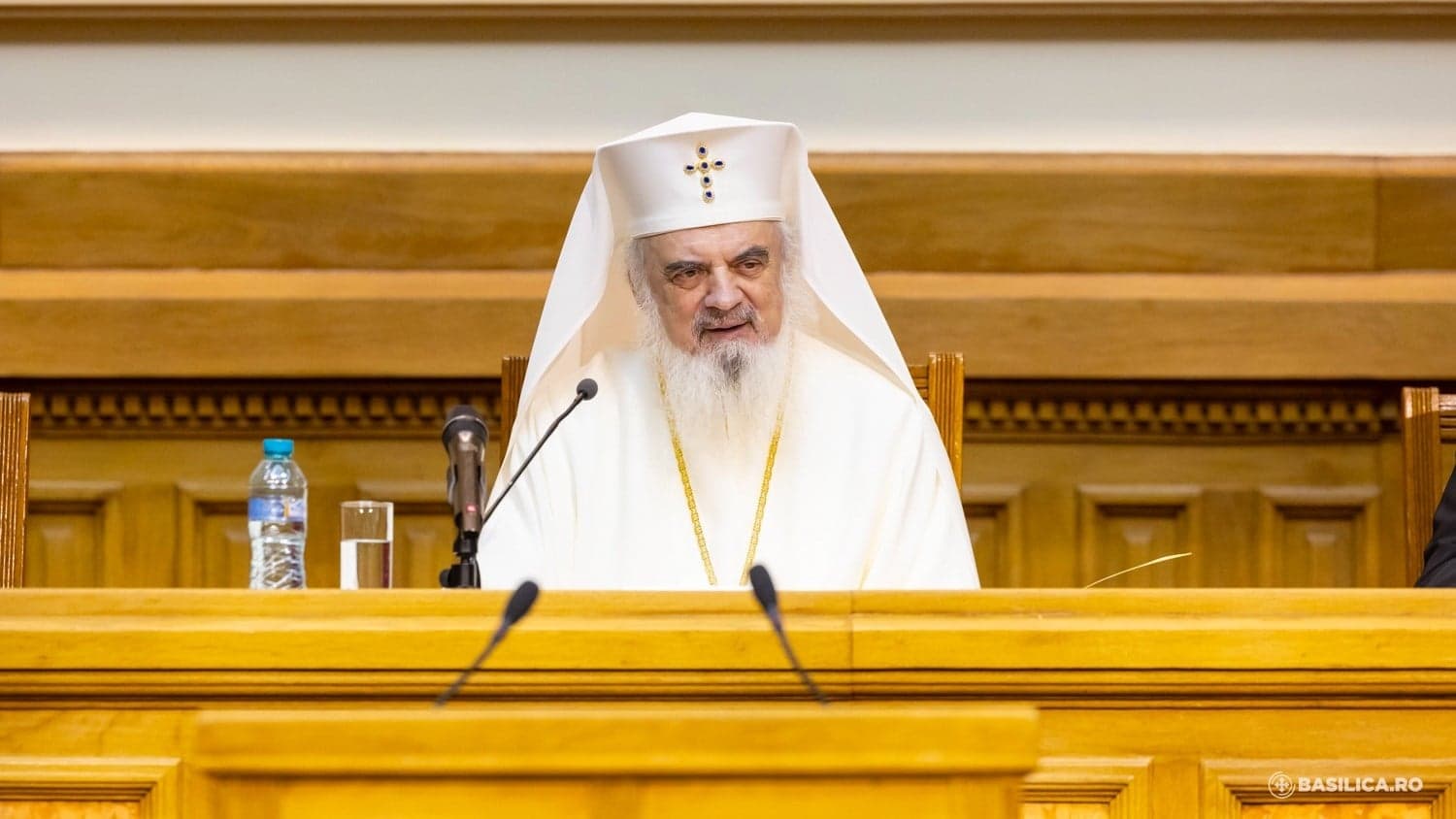
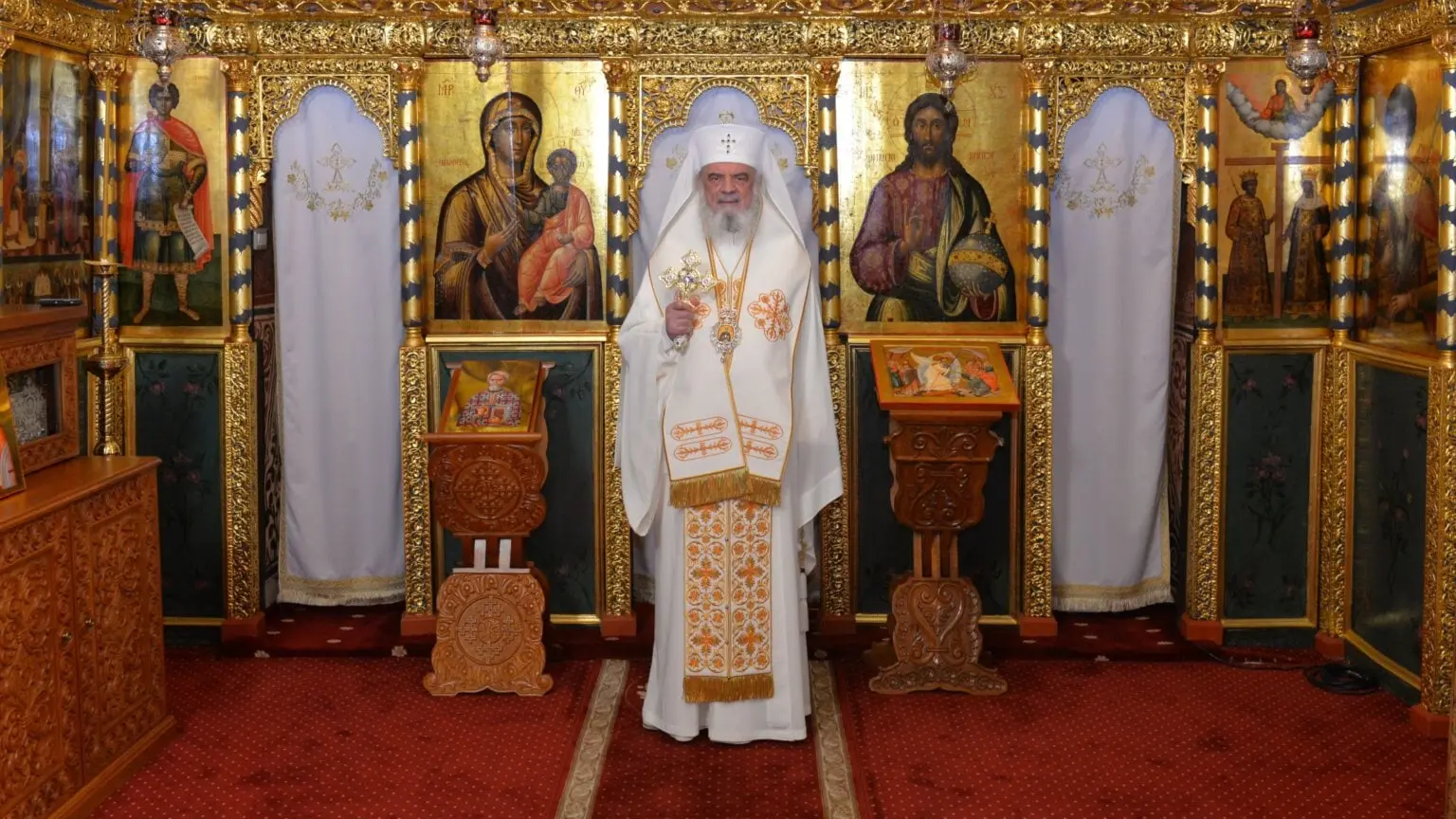
Photo: Basilica.ro / Mircea Florescu