A new international report finds that more than 100 million people live in countries where access to the Bible is limited or risky. Yet the analysis also signals hope: needs are now more clearly identified than ever, allowing global support to reach those seeking Scripture more effectively.
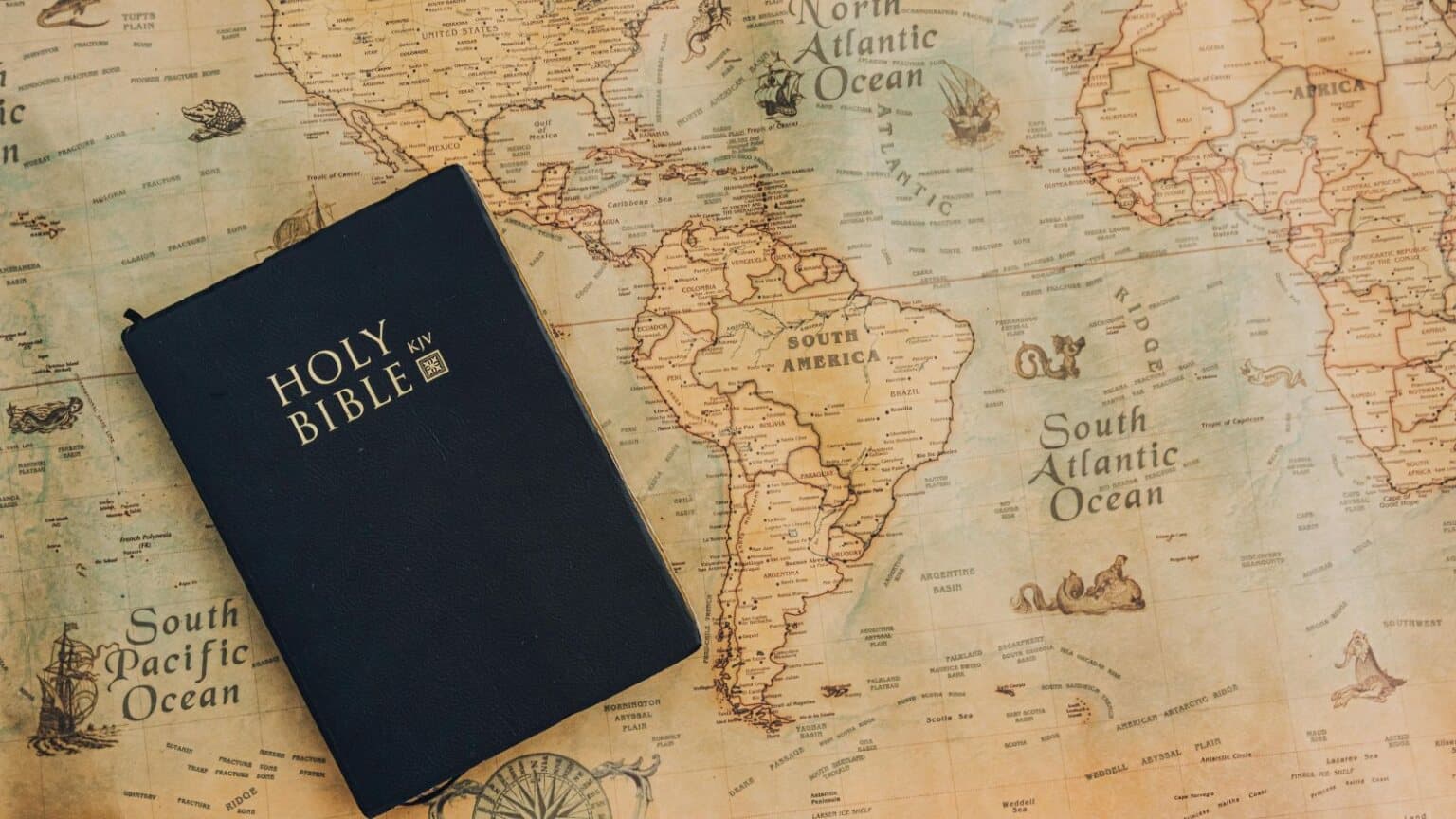
The report, published on the Bible Access List platform, shows that in nearly 100 countries, access to the Bible is difficult, restricted or even dangerous.
Scripture distribution remains hindered in many parts of Asia, the Middle East and Sub-Saharan Africa, where official bans, community pressure or armed conflict make printed Bibles hard to obtain.
The research categorises restrictions into four main areas: legal, social, digital and economic. The report highlights how each of these factors limits people’s ability to engage with the biblical text.
Believers often rely on clandestine copies, hidden digital editions or memorised passages to continue practising their faith.

Growing Interest in Scripture
However, the report also offers a positive outlook: for the first time, the needs of these communities have been clearly mapped, allowing Christian organisations worldwide to coordinate support programmes more efficiently.
Increased data transparency enables the prioritisation of regions where believers urgently need Bibles, new translations, or secure digital access.
The research indicates that interest in Scripture is not declining — it is increasing. Digital access has become, for many, the alternative that overcomes geographical or political barriers, while translations into new languages continue to multiply each year.
People are finding creative ways to read the Bible — from online platforms to mobile apps and discreet reading groups.
Project representatives note that where restrictions are most rigid, the desire for Scripture is even stronger — and international support grows year by year.
Photo: Pexels