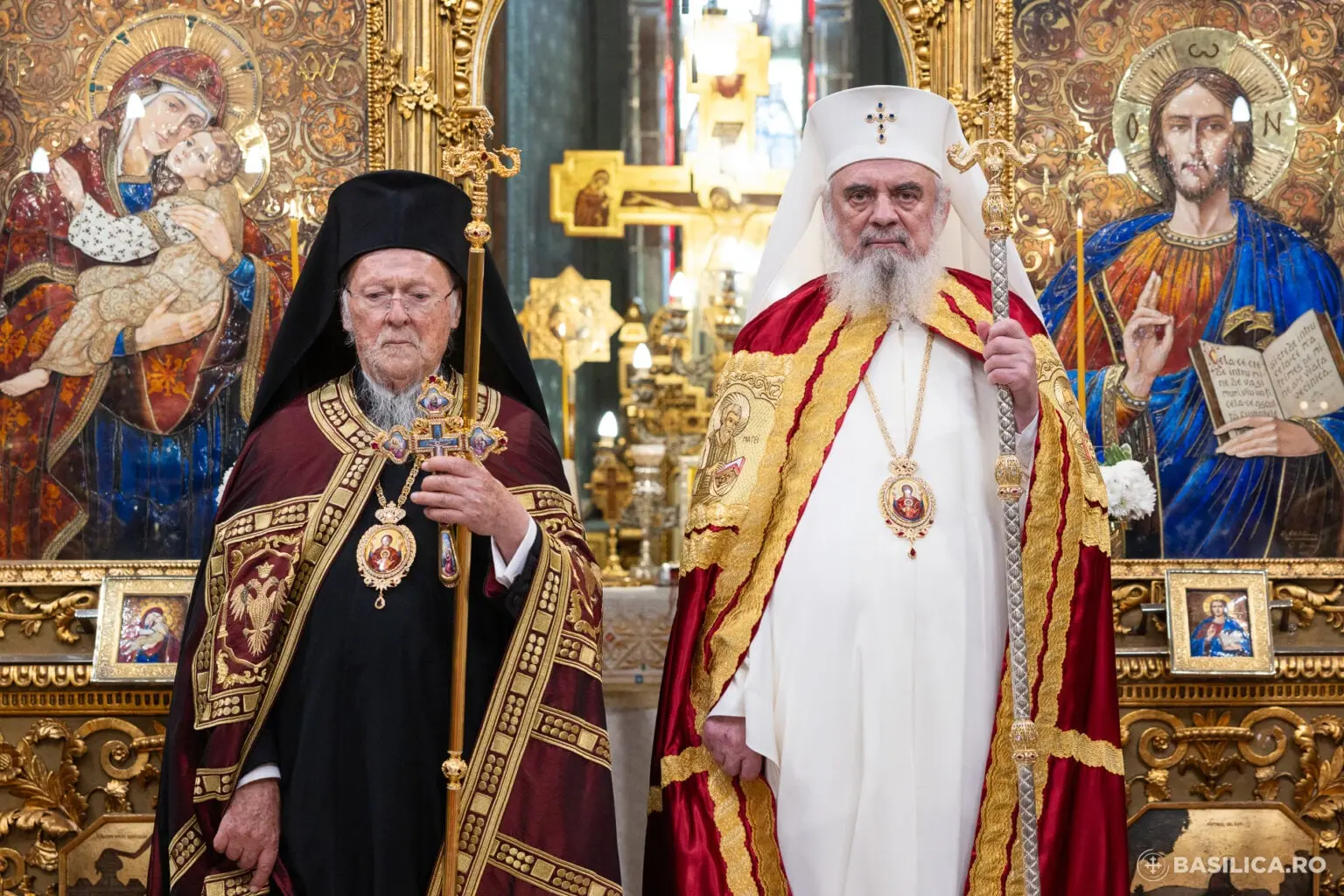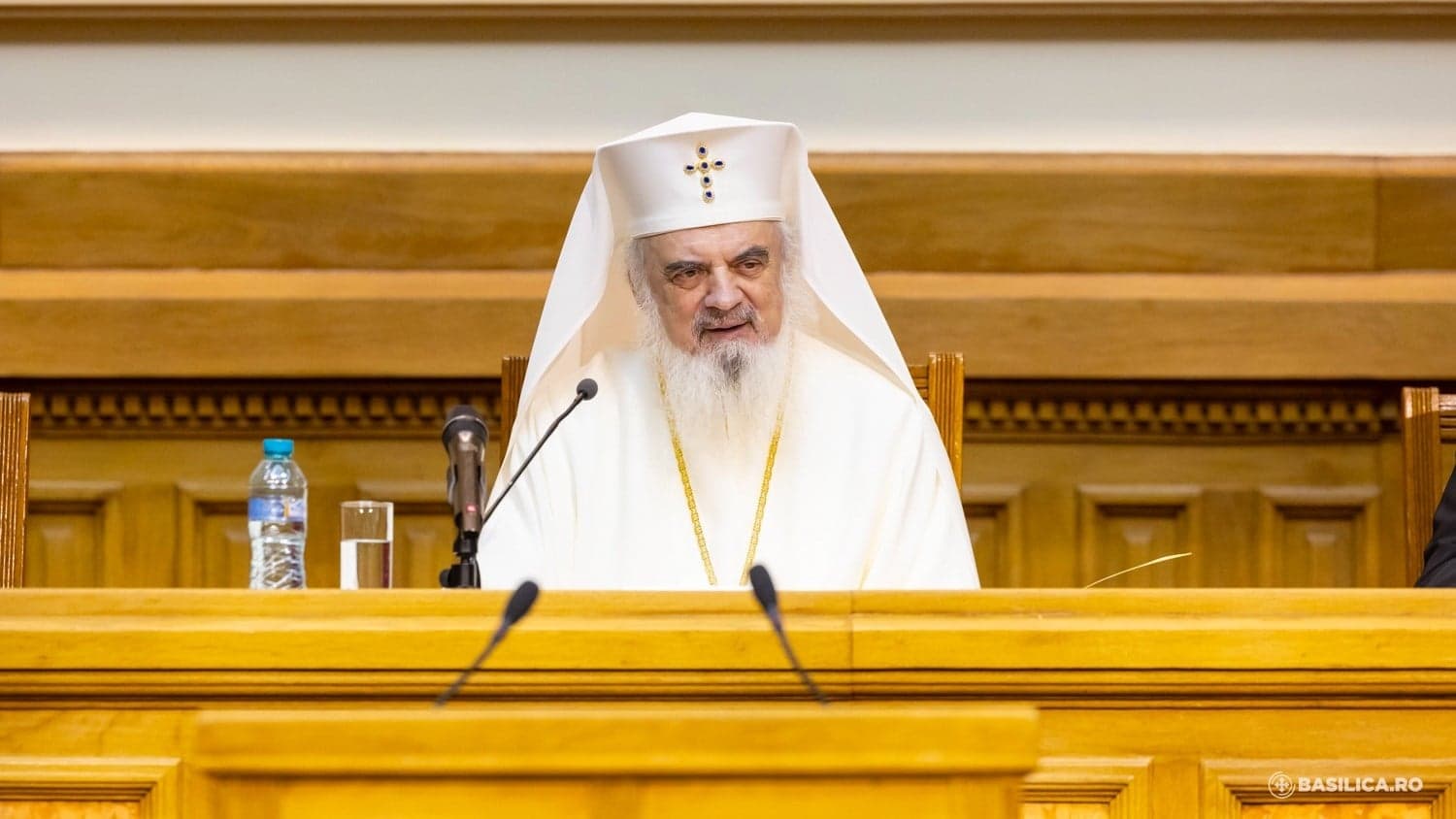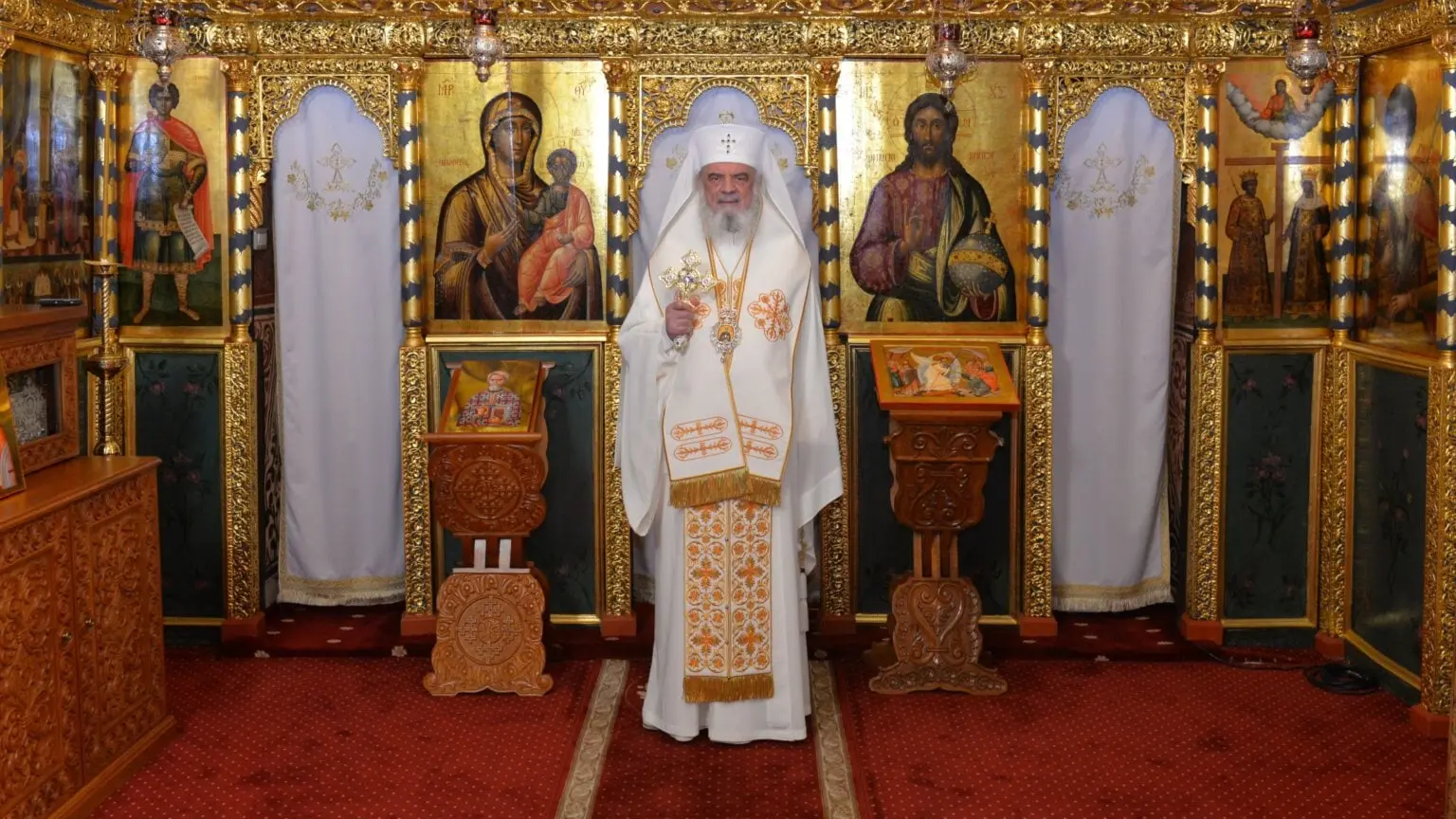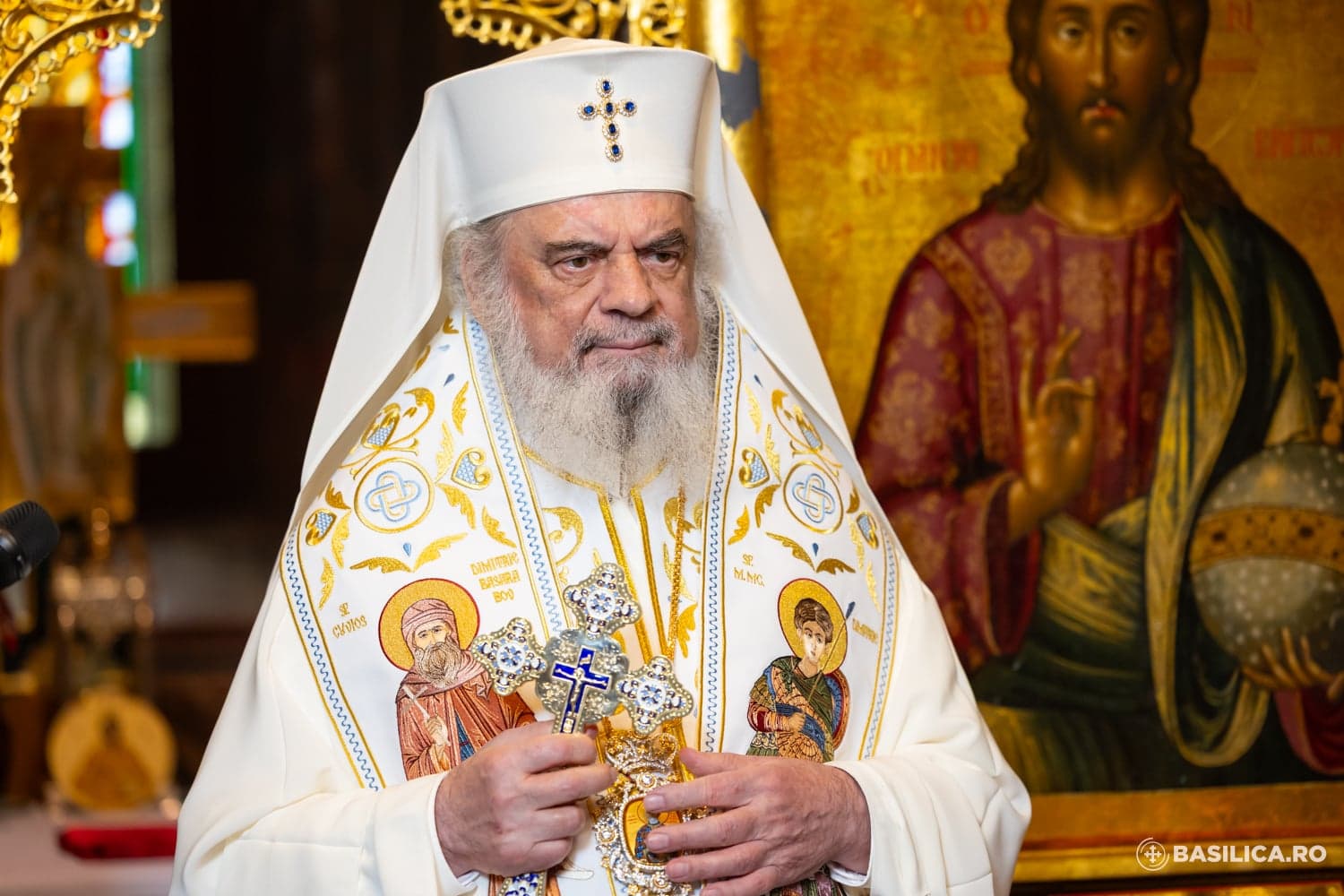
His Beatitude Patriarch Daniel of the Romanian Orthodox Church said on Wednesday that the Mother of God holds a central place in the history of humanity’s salvation, describing her as “a living icon of the Church, obedient to God in humility”.
He underlined that the Feast of the Annunciation marks “the beginning of our salvation and the revelation of the mystery hidden from the ages”.
“Salvation means the union of man with God, the union of mortal humanity with the eternally living God. Here begins the union of human nature, assumed by God the Son, through the work of the Holy Spirit, from the human nature of the Mother of God.”
Veneration of the Mother of God
The Patriarch of Romania explained that the exceptional veneration of the Mother of God begins at the very moment of the Annunciation, initiated by God Himself through the Archangel Gabriel.
“The veneration of the Virgin Mary, the Mother of God, was begun by the Archangel Gabriel, who greeted her with humble reverence, saying: ‘Rejoice, full of grace’.”
This veneration is continued and confirmed by Elizabeth: “She is called by her kinswoman Elizabeth ‘blessed among women’ and ‘the Mother of my Lord’. Thus, the title Mother of God comes from the New Testament, given by Elizabeth. She did not say ‘my cousin has come to visit me’, but ‘why is this granted to me, that the Mother of my Lord should come to me?’”
Patriarch Daniel highlighted how the Church has continued this veneration, noting that the Mother of God holds a unique place in the economy of salvation as “the created person closest to the Holy Trinity”.
The Akathist Hymn
“The Church has learned to honour her together with the angels and has multiplied hymns and feasts dedicated to her. In this sense, the most beautiful hymn and prayer composed by the Church is the Akathist of the Annunciation, or Akathist Hymn,” Patriarch Daniel said.
He noted that the hymn was first solemnly chanted 1,400 years ago in a dramatic historical context, when the city of Constantinople was under threat.
“In the year 626, this hymn was solemnly chanted in Constantinople during the time of Patriarch Sergius, in the Church of Blachernae, as thanksgiving to the Mother of God for defending the city against the invasion of the Avars, Slavs and Persians.”
The Akathist Hymn is not merely religious poetry, but “a true theological synthesis of the mystery of the Incarnation”, in which each phrase expresses a profound spiritual reality. Thus, the hymn proclaims: “Rejoice, through whom joy shines forth; rejoice, through whom the curse is destroyed”.
Patriarch Daniel emphasised that the obedience of the Virgin Mary heals the disobedience of the first humans: “Because they were proud and disobedient, Adam and Eve were deceived by the serpent, believing they could become like God without obeying Him. But through humility, the new Eve, the Virgin Mary, and her Son, the new Adam, Jesus Christ, showed perfect obedience.”
Human Response to God’s Call
The Patriarch stressed that this mystery is not only a truth of faith, but also a personal calling for every human being: “God desires that all people be saved, but only those who respond with humble obedience and firm faith to His call will be saved”.
The model of this response is the Mother of God herself, who says: “Behold the handmaid of the Lord; be it unto me according to your word”.
The work of divine grace is experienced concretely “when we obey God, love Him through prayer and good deeds, glorify Him by confessing the Orthodox faith, by participating in the holy services and the Holy Mysteries of the Church, and by fulfilling the commandments of love towards God and neighbour as taught by Christ in the Holy Gospel”.
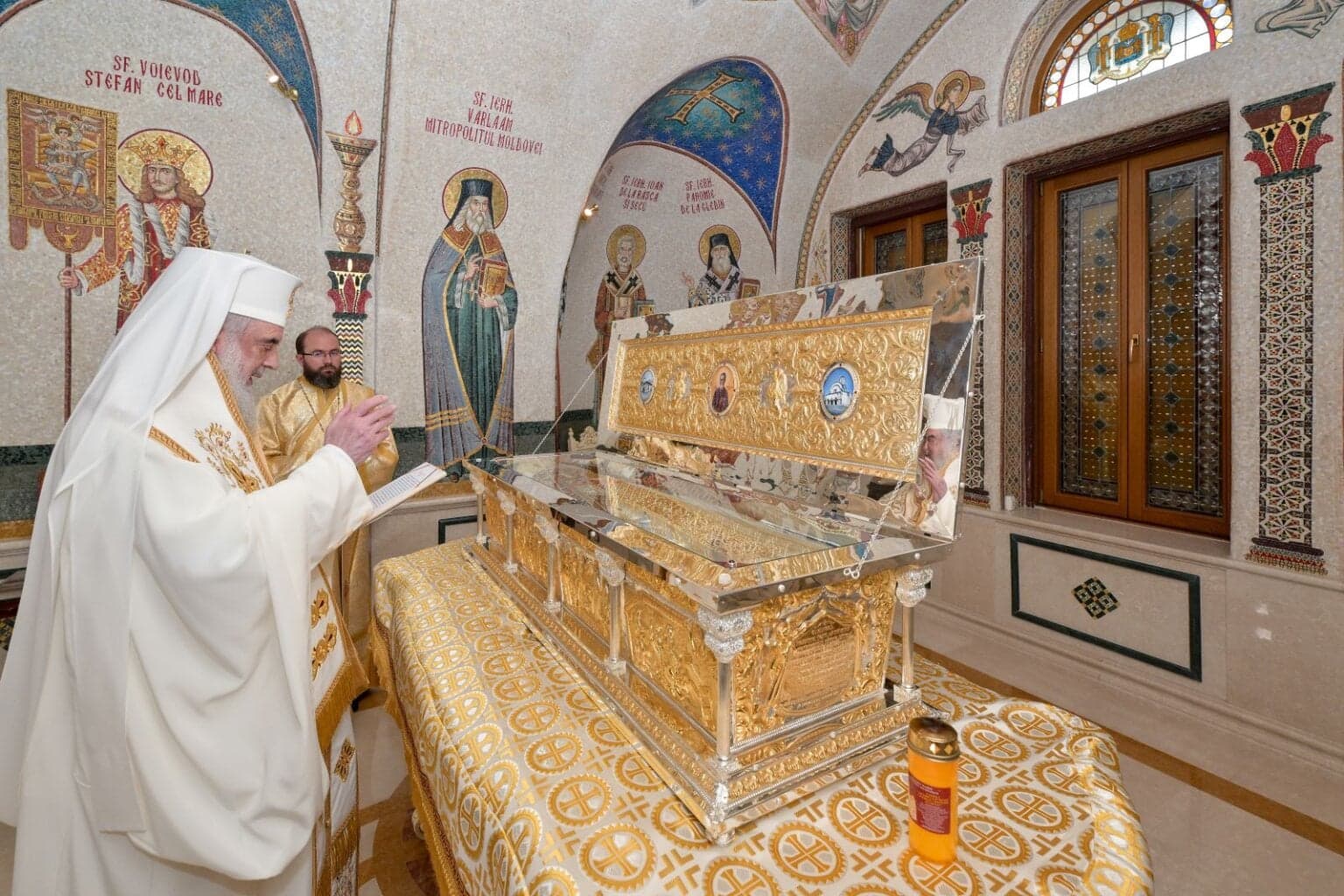
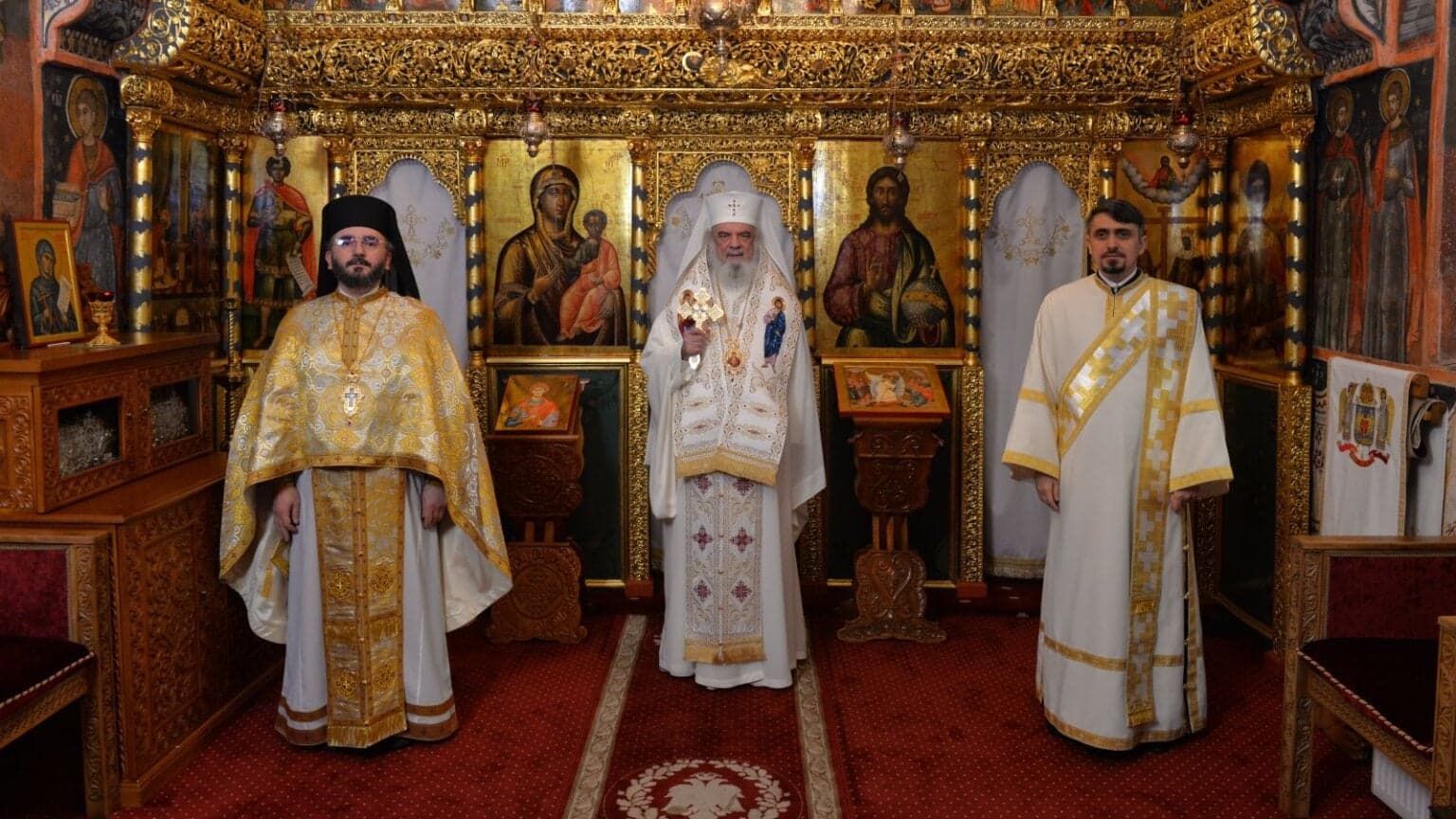
On March 25, Patriarch Daniel attended the Divine Liturgy celebrated at the historic Chapel of the Holy Great Martyr George at the Patriarchal Residence.
Photo: Basilica.ro Files / Mircea Florescu