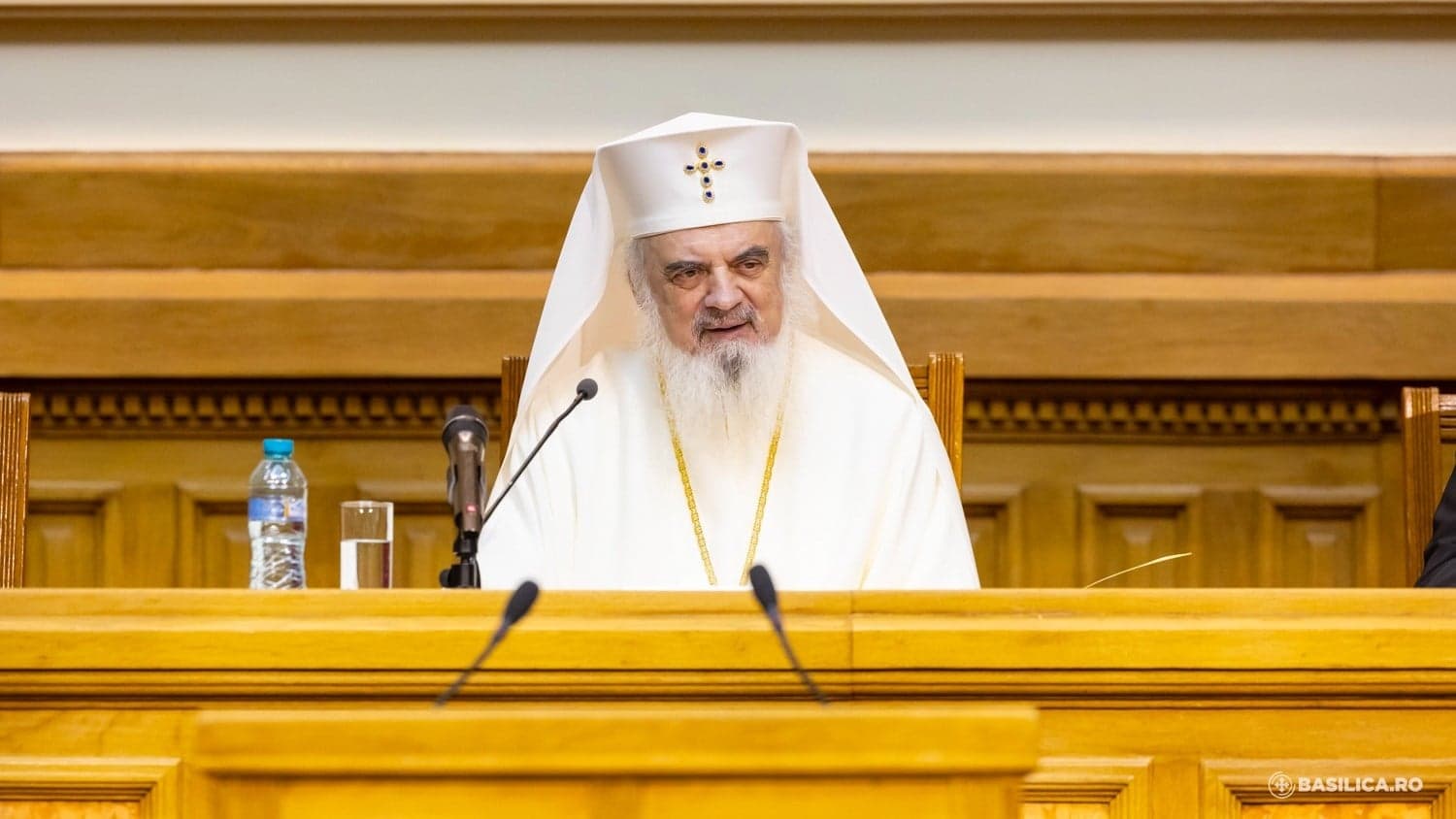
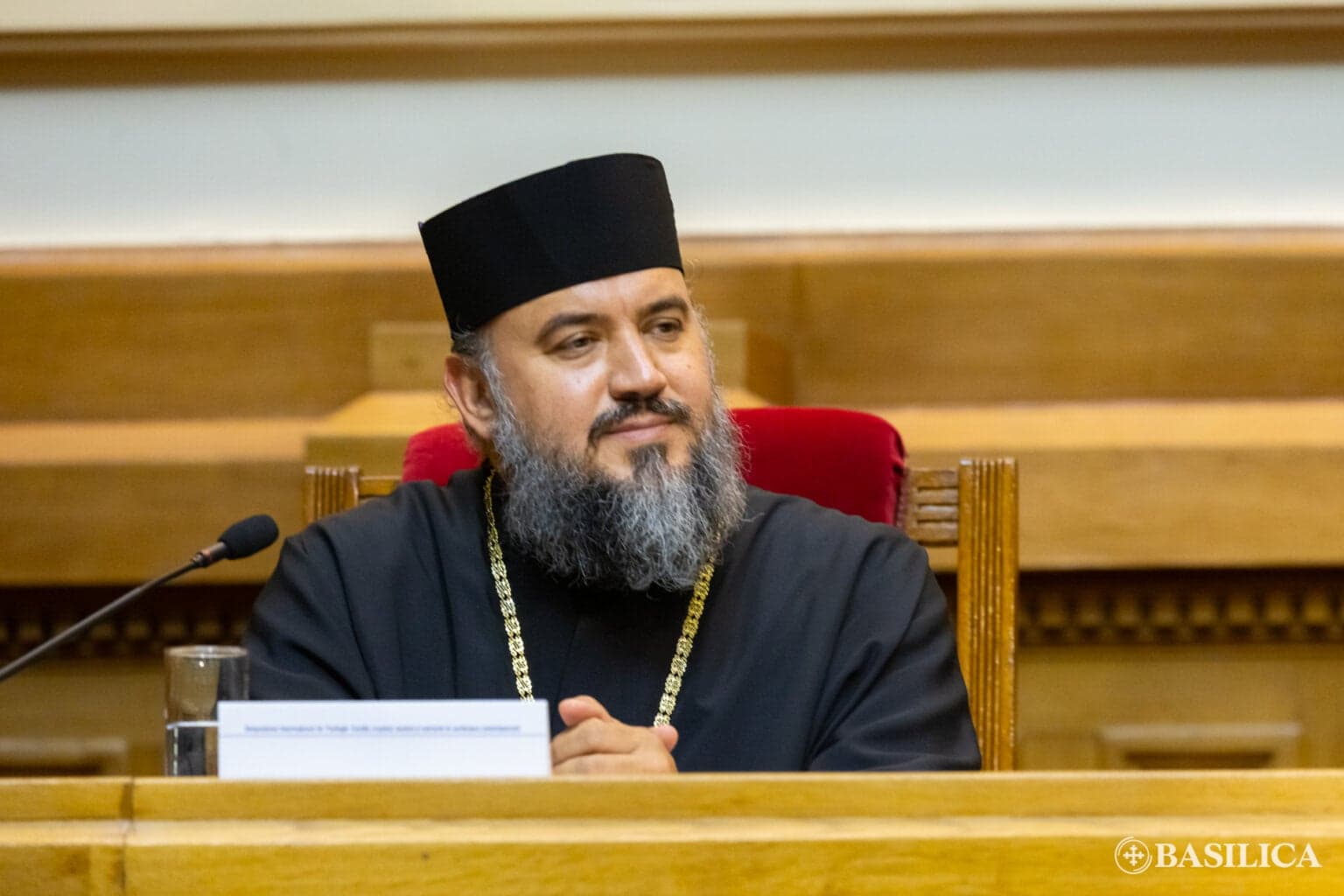
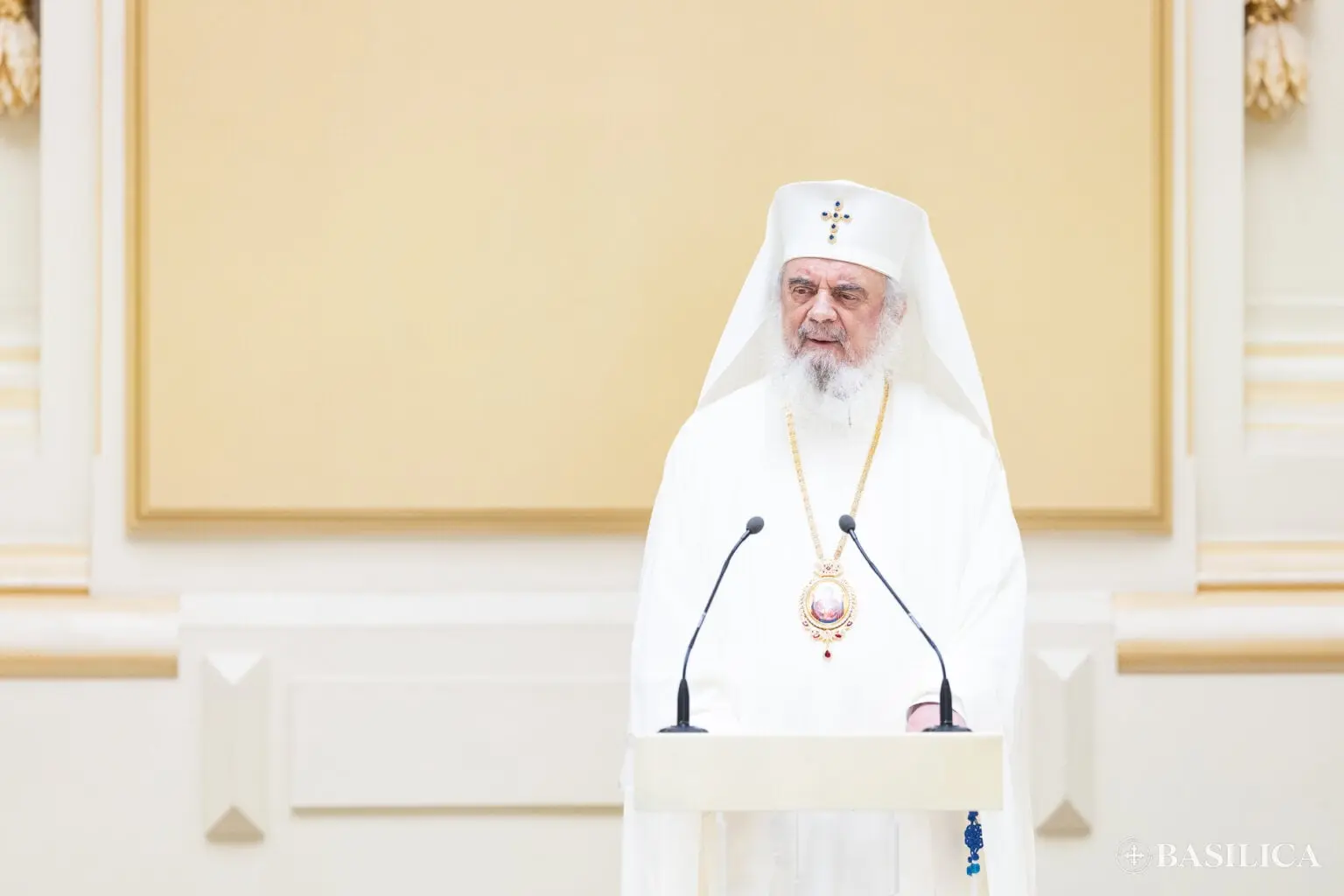
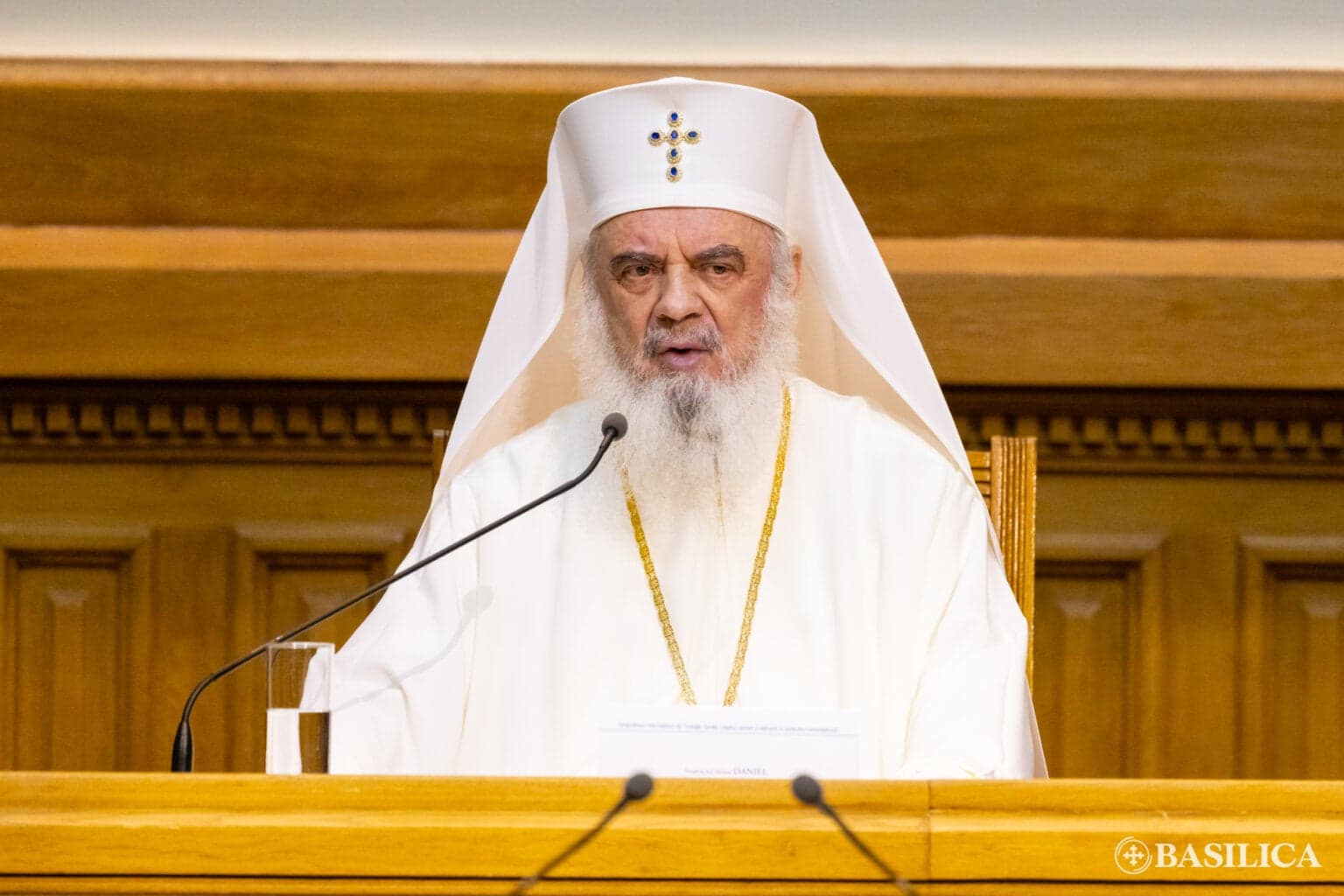
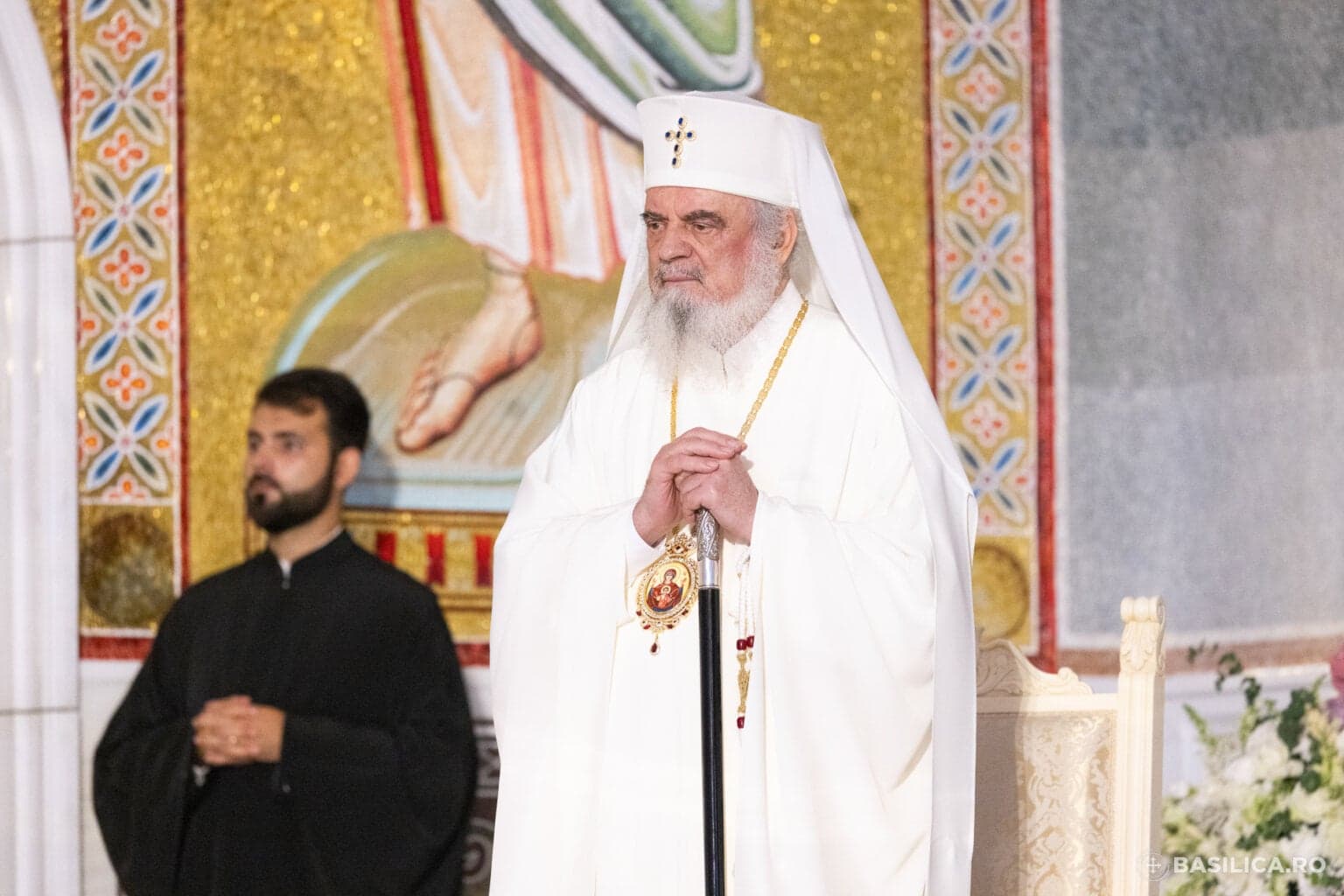
His Beatitude Patriarch Daniel delivered a meditation at the Patriarchal Cathedral on New Year’s Eve, focusing on the relationship between time and eternity in the theological thought of Saint Dumitru Stăniloae.
The first major teaching, he said, is that “time has been and remains humanity’s constant and principal concern, and this sense of time flowing irreversibly toward the Kingdom of Heaven, or the Kingdom of God, calls us to reflection, especially at the end of the year.”
Time, the Mode of Existence of Creation
“Time is the mode of existence of the creature, while eternity is the mode of existence of God,” the Romanian Patriarch said.
“Blessed Augustine stated that God did not create the world in time, but together with time. Therefore, the world was not created in time, but simultaneously with time, time being the measure of the becoming of created things. Thus, time is specific to all that has been created by God.”
Patriarch Daniel explained that, “for God, eternity does not mean infinite time, because God is atemporal and aspatial—beyond time and space. Time belongs only to what is created and historical.”
In this context, he cited Saint Dumitru Stăniloae, who wrote: Eternity is neither before nor after time. It is that dimension toward which time can open itself. The true fulfillment of time is not its final end, but the pleroma—that is, the Kingdom of Heaven or the Kingdom of God. God’s eternity transcends the human mode of existence and thinking.
“Time arises from the loving and merciful initiative of God, who creates the world and continually calls humanity to respond to His merciful love. Thus, Father Dumitru Stăniloae affirms that time represents the interval between God’s call of love to humanity and humanity’s free response to God. In other words, we are granted time for reflection in order to answer His call,” the Patriarch said.
Prayer as the Sanctification of Time
The second key teaching underlined that prayer, the Holy Eucharistic Liturgy, and the feasts of the Church are means through which time is sanctified.
“The Akathist to our Lord Jesus Christ, which we have just chanted during the service celebrated on the night marking the passage between years, shows us the importance of sanctifying the time of our lives through the prayerful invocation of the saving name of our Lord Jesus Christ,” Patriarch Daniel said.
He again quoted Saint Dumitru Stăniloae, who wrote that a mystery is accomplished whenever a person prays with concentration. Those who reach unceasing prayer live this mystery continuously. Through prayer, a person penetrates, like a diver, into the boundless depths of God.
In this context, the Patriarch stressed that “within the Church, the Holy Mysteries and all other sacred services sanctify human life at every stage.”
“In a special way, Saint Dumitru Stăniloae assures us that the Holy Eucharistic Liturgy is the essence of the Church’s work of acquiring eternal life. The Divine Liturgy is the Gospel put into action; it is the laboratory of the Resurrection and the school of learning communion among people. It is the manifestation of our shared joy that we shall rise and be together forever with our parents, siblings, and children, communicating through our luminous bodies,” he said.
A Perpetual Personal Liturgy in Communion With Others
The third teaching of the meditation addressed humanity’s effort to attain holiness, or union with God, which Saint Dumitru Stăniloae described as a perpetual personal liturgy—one that the faithful do not perform in isolation. A person does not reach eternal life through an egocentric relationship with God, but by fulfilling the commandment of love toward others and through a pure engagement with creation. At the heart of this relationship between humanity and creation stands the family.
In this regard, the theologian wrote that every person has the duty to make even their home a dwelling place of God, advancing toward union with Christ through a service or liturgy that draws them ever closer to God. Family members are called, above all, to offer one another mutual support in this endeavor.
“This is, therefore, the way in which faith is manifested within the family,” Patriarch Daniel explained.
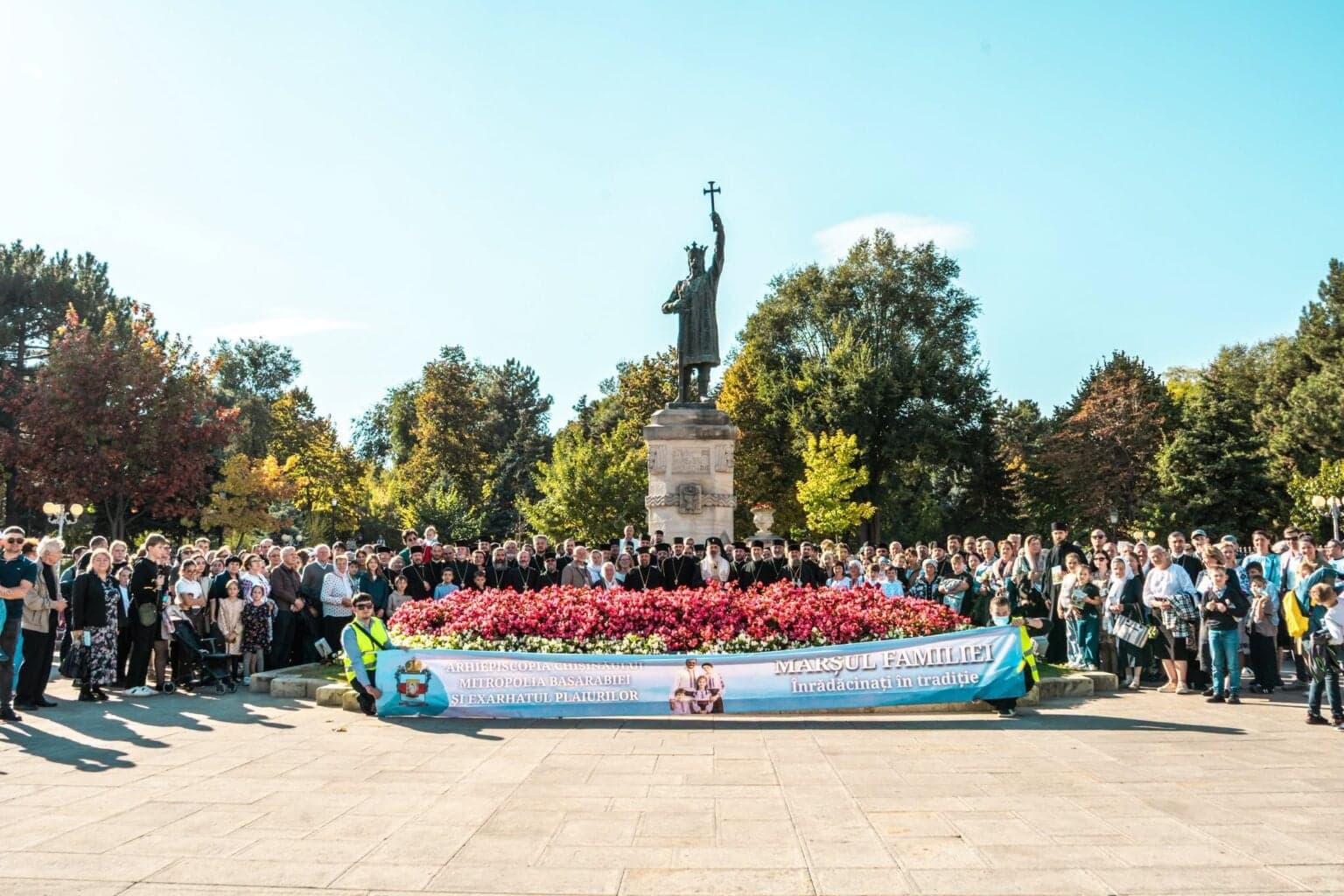
“The year 2026, which we are now entering, has been declared by the Holy Synod of the Romanian Orthodox Church as the Solemn Year of the Pastoral Care of the Christian Family and the Commemorative Year of the Holy Women in the Church calendar—myrrh-bearing women, martyrs, monastics, wives, and mothers—precisely to highlight the essential role that the family and women play in forming and preserving Christian identity, as well as in transmitting the Christian faith from one generation to another.”
Photo: Basilica.ro / Raluca Ene