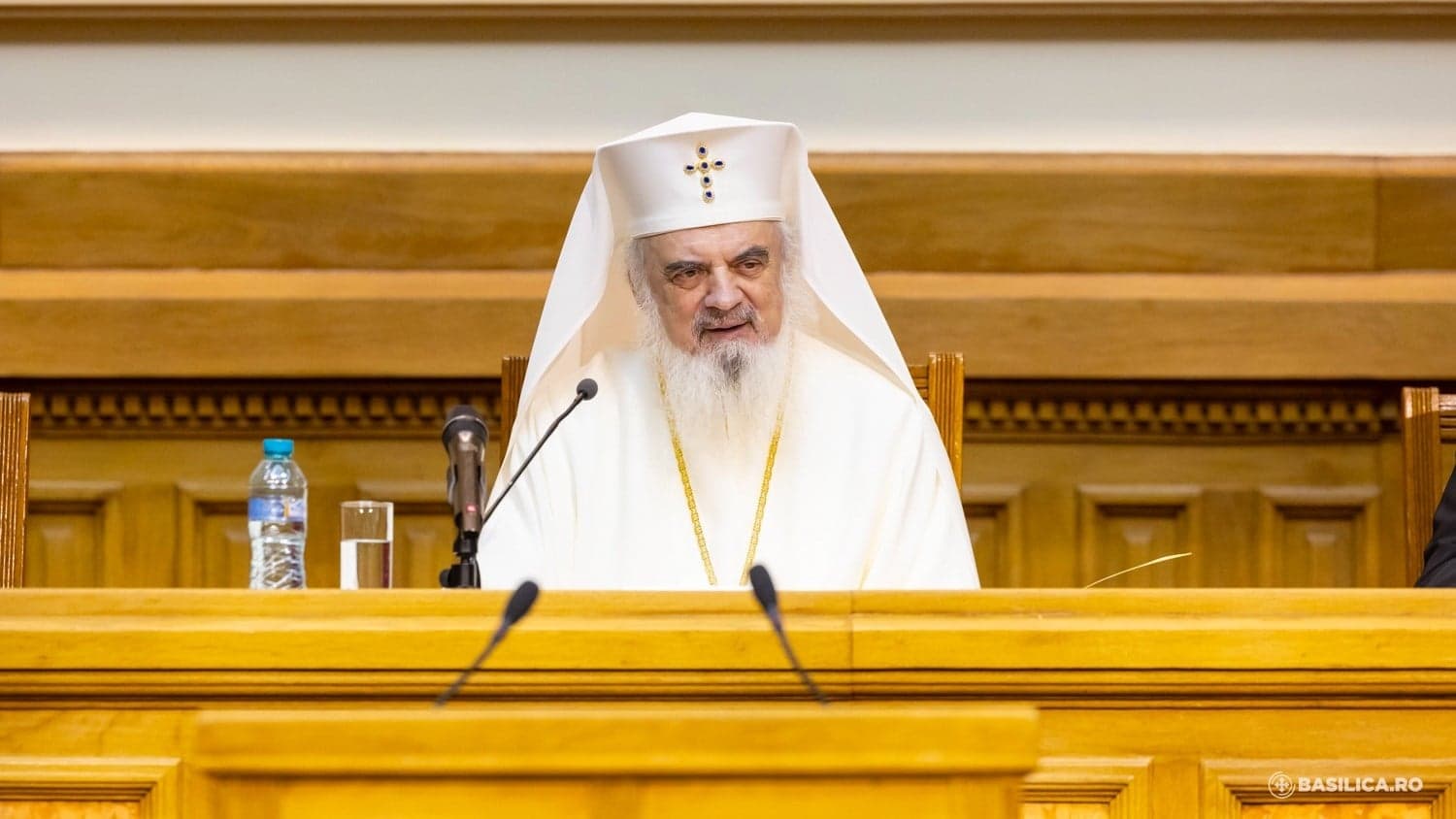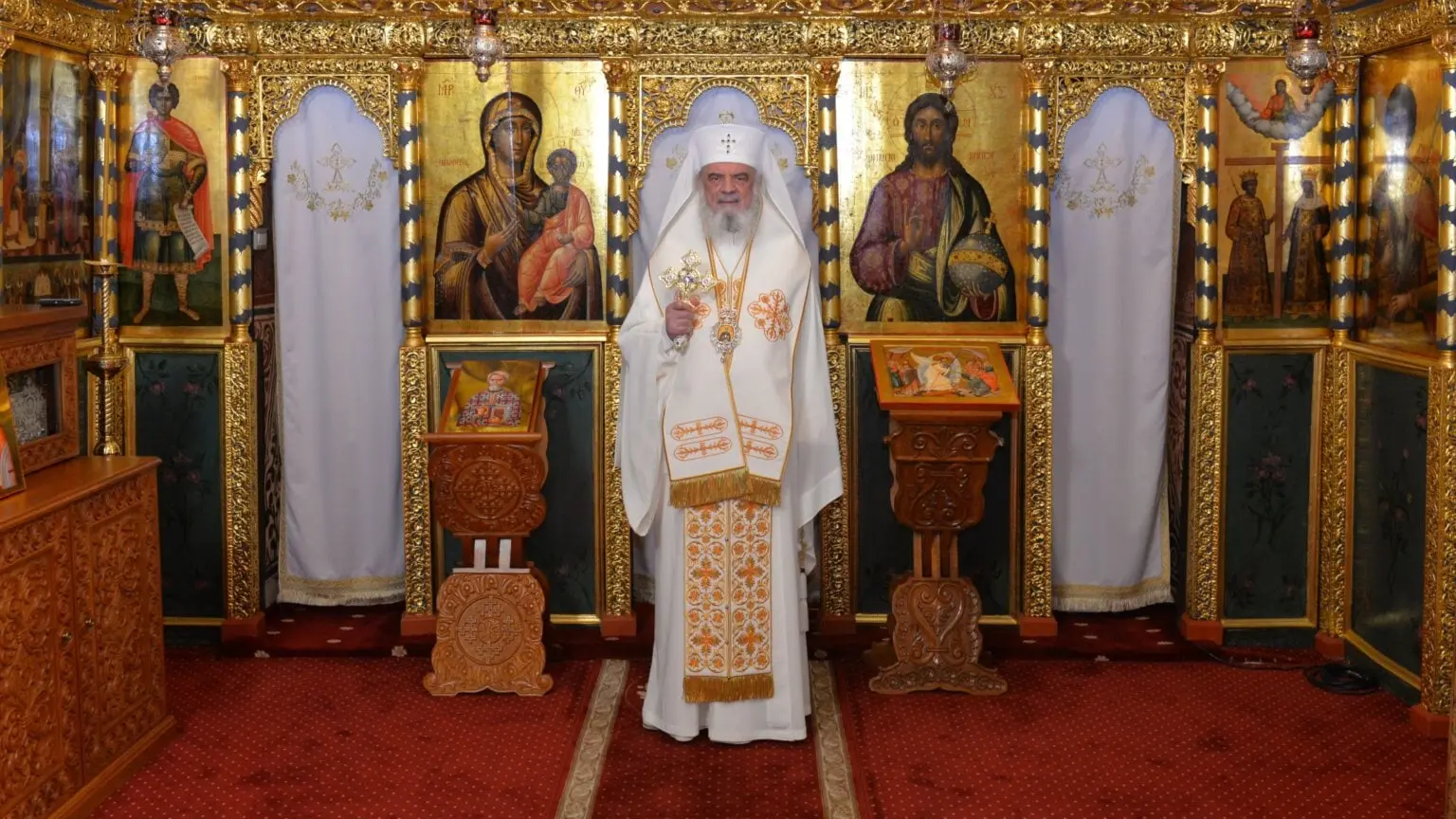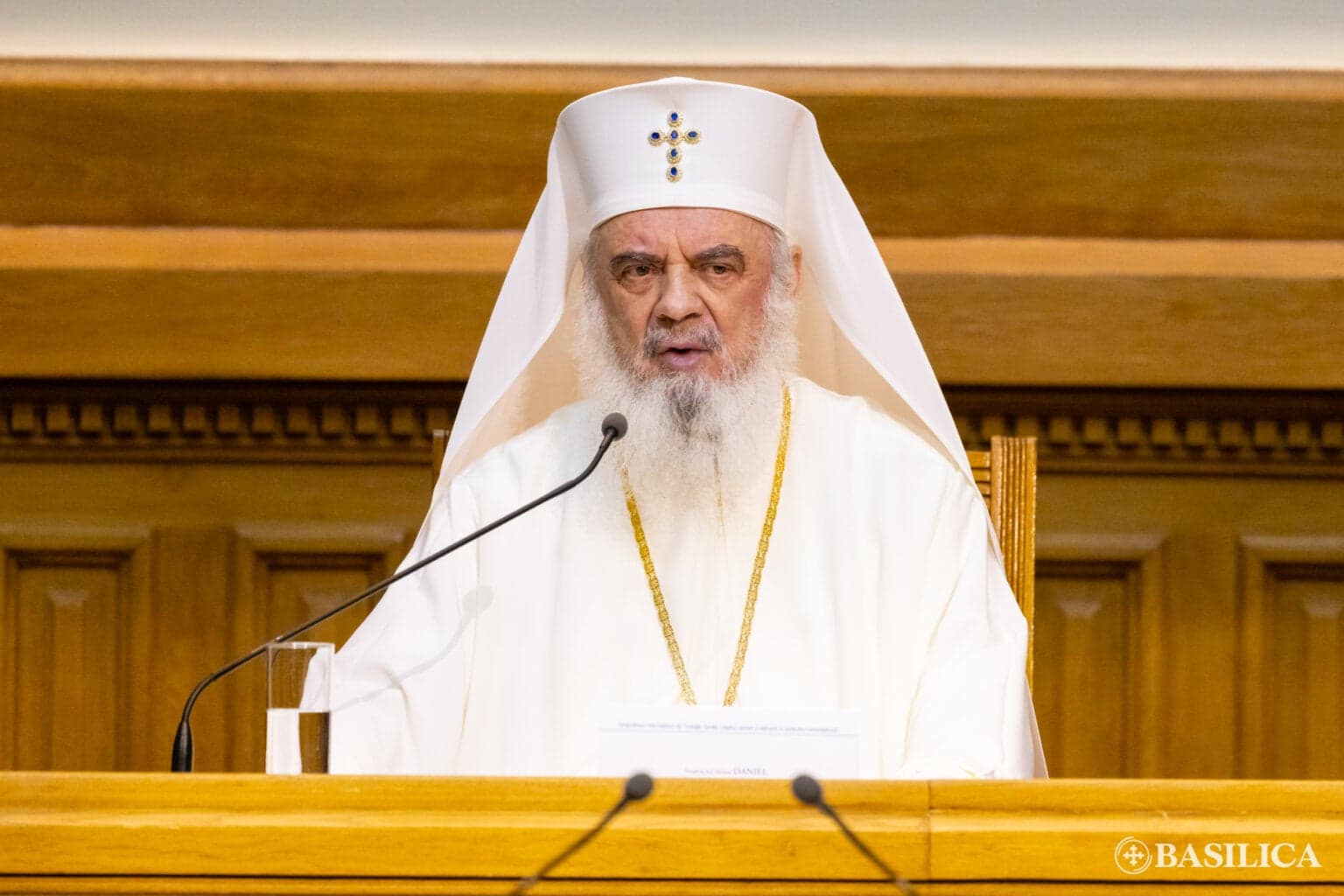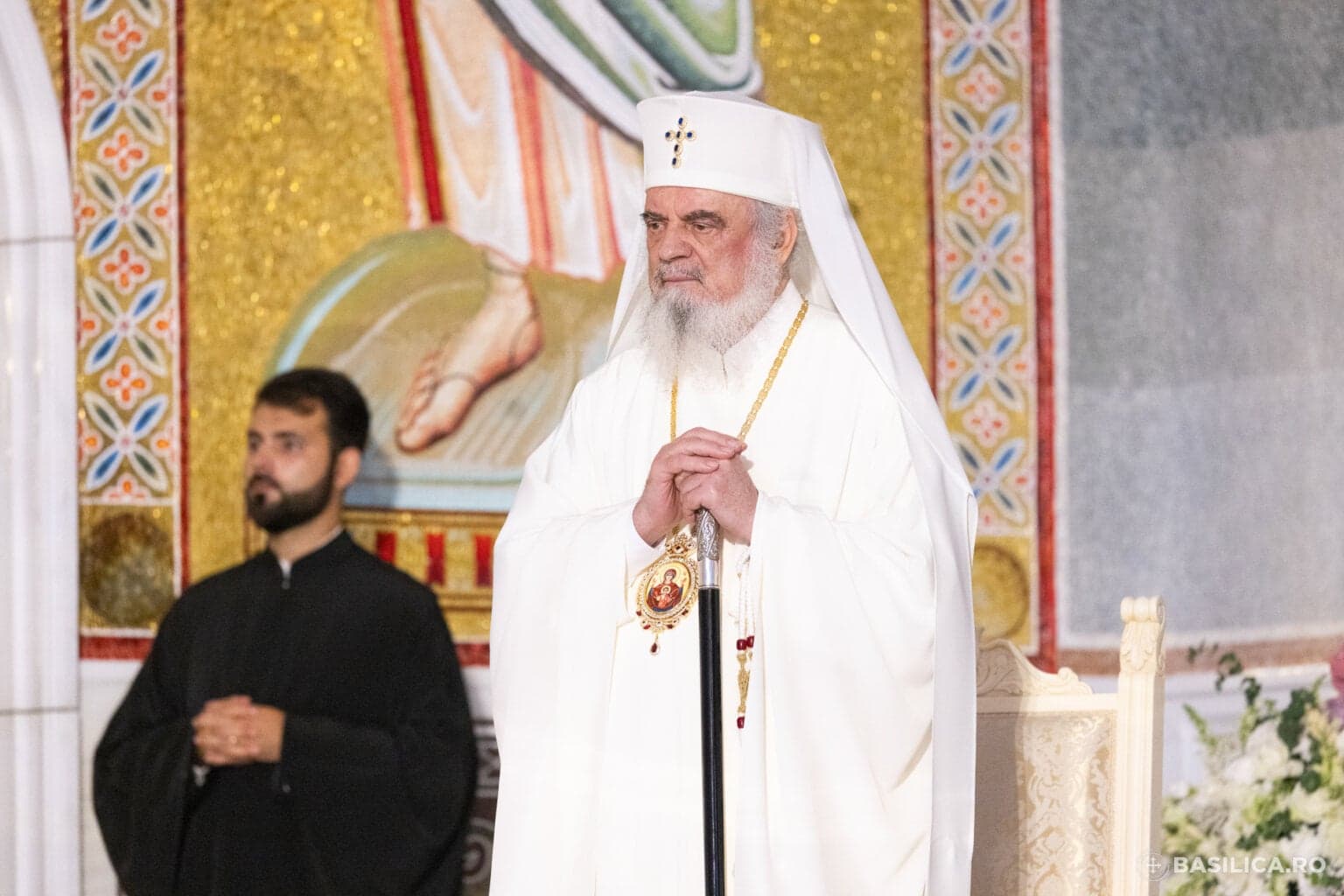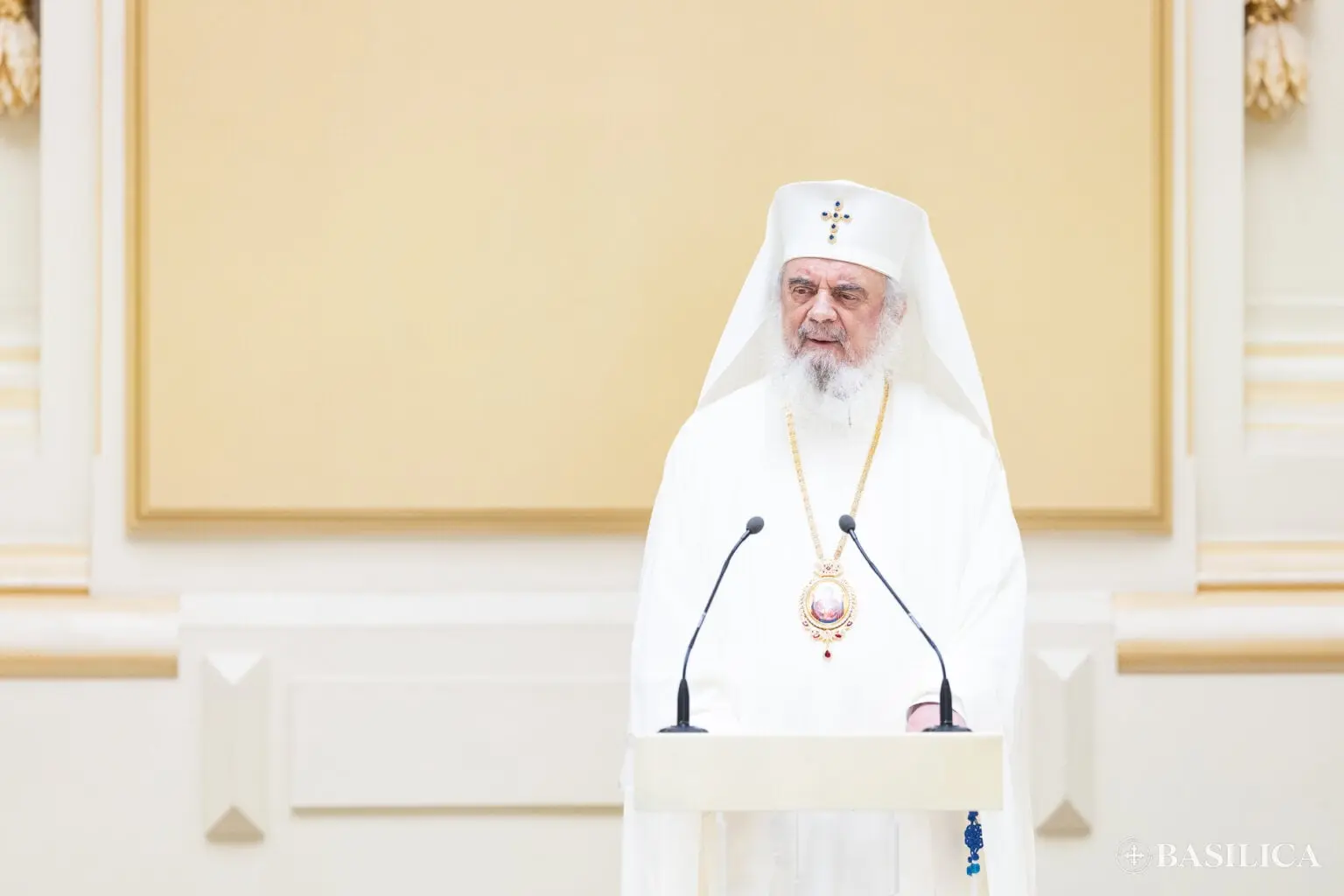
Patriarch Daniel of the Romanian Orthodox Church has called for a missionary theology rooted in both academic study and spiritual life, saying the Church’s fundamental mission remains to proclaim the Gospel of Christ and transmit Christian faith and life to the world.
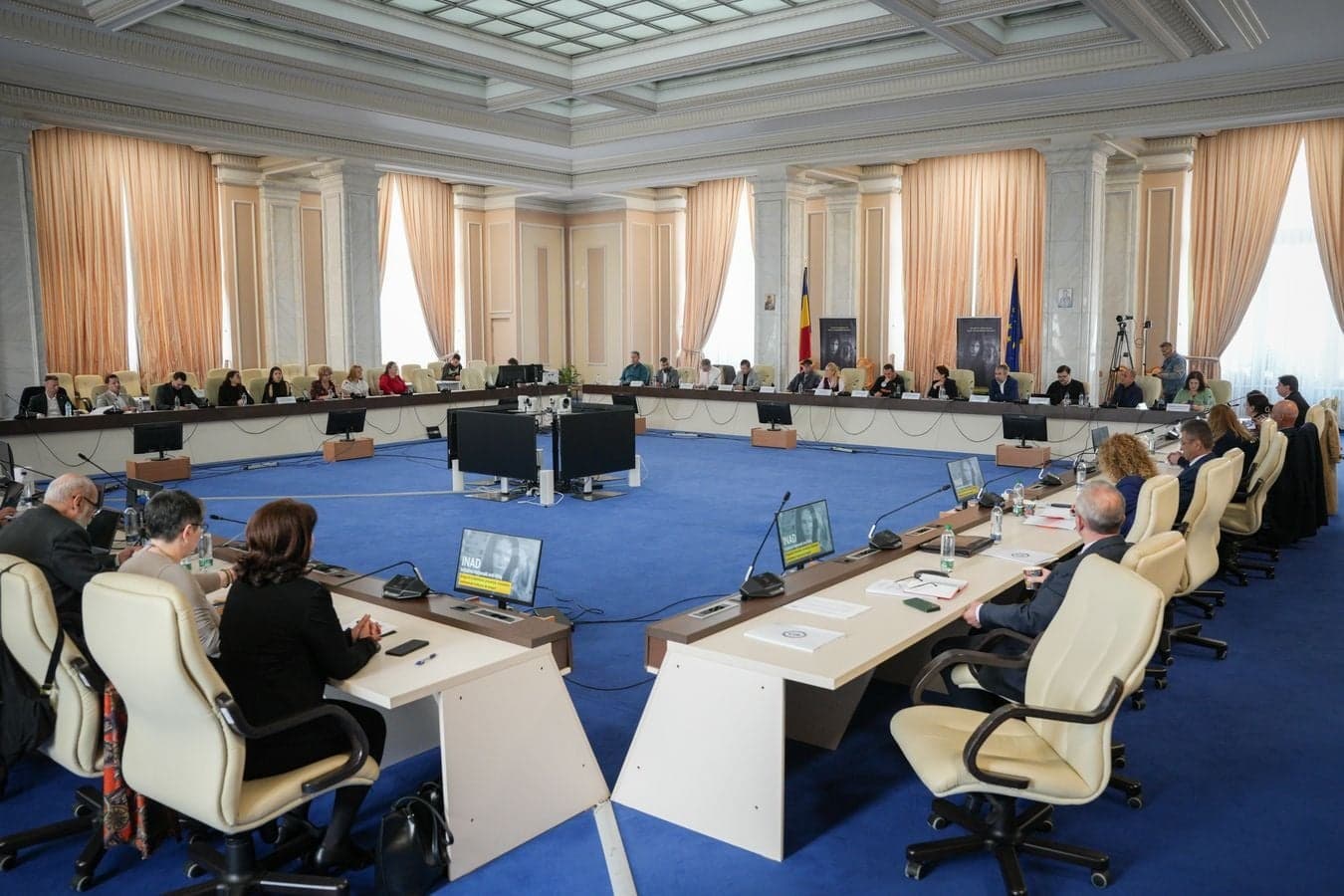
In a message to an international symposium on the mission of the Church, held at the “Patriarch Justinian” Faculty of Orthodox Theology in Bucharest as it marks 100 years since the establishment of Missiology studies, the Romanian Patriarch stressed that theological education must combine intellectual research with liturgical experience, prayer and practical Christian service.
“The truth of the true faith does not adapt to the times; it remains permanently the same,” Patriarch Daniel said, noting that the means the Church uses in its mission can vary with the cultural and social context.
Please find Patriarch Daniel’s full message below.
The mission of the Church is to preach the Gospel of Christ and transmit Christian faith and life to the world
In 2008, the Holy Synod of the Romanian Orthodox Church decided that each year should be dedicated to a commemorative theme of a theological or pastoral nature. It later added a memorial component devoted to personalities or events in the Church’s history. This initiative sought to intensify spiritual, social and cultural life in parishes, providing an opportunity for a deeper exploration of a subject of interest to the faithful.
In this context, organising an international symposium at the “Patriarch Justinian” Faculty of Orthodox Theology in Bucharest on the mission of the Church is a natural initiative for research, debate, and dialogue on the current challenges of Christian life.
The missionary dimension is one of the Church’s principal concerns. The mission carried out by the Church is founded upon the words of the Lord Christ addressed to the Apostles: “Go into all the world and preach the Gospel to every creature” (Mark 16:15). The Saviour’s disciples fulfilled this commandment and handed down this missionary work to their successors as a primary duty.
The Church perpetuates and makes present the message of the Gospel, confessing the true faith, knowing well that the very salvation of humanity depends upon preserving and confessing it.
The Church Fathers understood the necessity of such a mission and expressed it clearly. St Gregory of Nyssa, for example, stated in the prologue to his Great Catechetical Oration:
“The presiding ministers of the ‘mystery of godliness’ have need of a system in their instructions, in order that the Church may be replenished by the accession of such as should be saved, through the teaching of the word of Faith being brought home to the hearing of unbelievers.”¹
Thus, the most important aspect of the Church’s mission concerns confessing and proclaiming the Truth of the Gospel of the Lord Jesus Christ, who is “the Way, the Truth, and the Life” (John 14:6).
The truth of the true faith does not adapt to the times; it remains permanently the same because it confesses the same Christ, who “is the same yesterday, today, and for ever” (Hebrews 13:8). However, the means through which the Church carries out her mission in the world may be diverse and appropriate to the cultural and social context in which we live.
The Church understands that the power of her mission does not lie in autonomous reason, but in reason enlightened by divine grace. Without this experience of divine-human communion, the exercise of reason does not lead to theoria, that is, to a theology of knowledge through communion.
A confessional and missionary theology is possible only through an experience of spiritual and ecclesial life in which the human person encounters God in prayer and through participation in the Church’s sanctifying life.
Academic theology is called to take this into account and to cultivate discernment, or the ability to distinguish between the Spirit of Christ and the spirit of the world.
Without being rooted in the life of the Church, academic theology risks becoming secularised and losing sight of its principal purpose: to form servants of the Church who must not only know the teaching of the faith, but also live it and put it into practice in their lives, thereby calling others to conversion through word and deed.
In a society undergoing a visible process of secularisation, in which individualism, self-sufficiency and self-assertion are increasingly evident, academic theology is called to unite intellectual research with liturgical and spiritual experience.
Only in this way can theology be not merely a theology for the classroom, but a theology for life and salvation, understood as the union of mortal humanity with the eternally living Christ (cf. John 11:25).
The establishment of Missiology studies at the Faculty of Orthodox Theology 100 years ago had precisely this purpose: to make academic theology applied theology, not separated from the life of the Church but integrated into it—a living and confessional theology.
Theological education is called today, as it was 100 years ago, to find new and dynamic forms of expression to support its mission of intellectually and spiritually forming new generations.
The need to reaffirm the connection between theology and spirituality, between faith and confession, and between Christian life and mission is therefore increasingly evident.
In this regard, students in the faculties of Theology are encouraged to combine academic research harmoniously with the practical dimension of their future ministry, which involves participation in spiritual formation projects, educational and catechetical initiatives, social-philanthropic projects, and volunteering.
This was also the vision of Professor Vasile Gh. Ispir, who, as Professor of Missiology at the Faculty of Orthodox Theology in Bucharest, initiated an extensive catechetical project for its time: the “Sunday School”.
Carried out during the interwar period through the Missionary Association of Orthodox Christian Students, the project succeeded over its ten years of activity in strengthening the relationship between the Church and schools and contributing to the spiritual formation of younger generations.
It was a well-structured catechetical programme in which theology students from Bucharest were recruited to teach pupils in schools every Sunday morning, then accompanied them to the Divine Liturgy in neighbouring parishes.
Launched in 1926 with seven teams of theology students, the project continued to expand and eventually developed into a network of 32 catechetical teams.
The students’ activities continued during the holidays, centred at Neamț Monastery, where the Missionary Association of Orthodox Christian Students gathered for conferences organised by the Solidarity Circle for Christian Social Studies.
On these occasions, students also became involved in local parish communities, while female students provided assistance in hospitals and care centres.²
The Church is therefore called constantly to affirm an attitude of moral responsibility in defending and promoting the dignity of the human person, regardless of the circumstances in which that person may find himself or herself.
From this perspective, true theology, which expresses the Church’s missionary consciousness, has the duty to teach students to combine knowledge with solidarity, thought with prayer, and faith with works of merciful love.
In conclusion, we pray that God will bless all the organisers and participants in this symposium dedicated to Christian mission.
† Daniel
Patriarch of the Romanian Orthodox Church
¹ St Gregory of Nyssa, The Great Catechetical Oration. On the Godly Ordering of Life and True Asceticism, Publishing House of the Biblical and Orthodox Mission Institute, Bucharest, 2011, p. 11.
² The Missionary Association of Orthodox Christian Students: Ten Years of Activity (1926–1936), with an introductory word by Dr Vasile Ispir, Bucharest, 1936, pp. 20, 56.