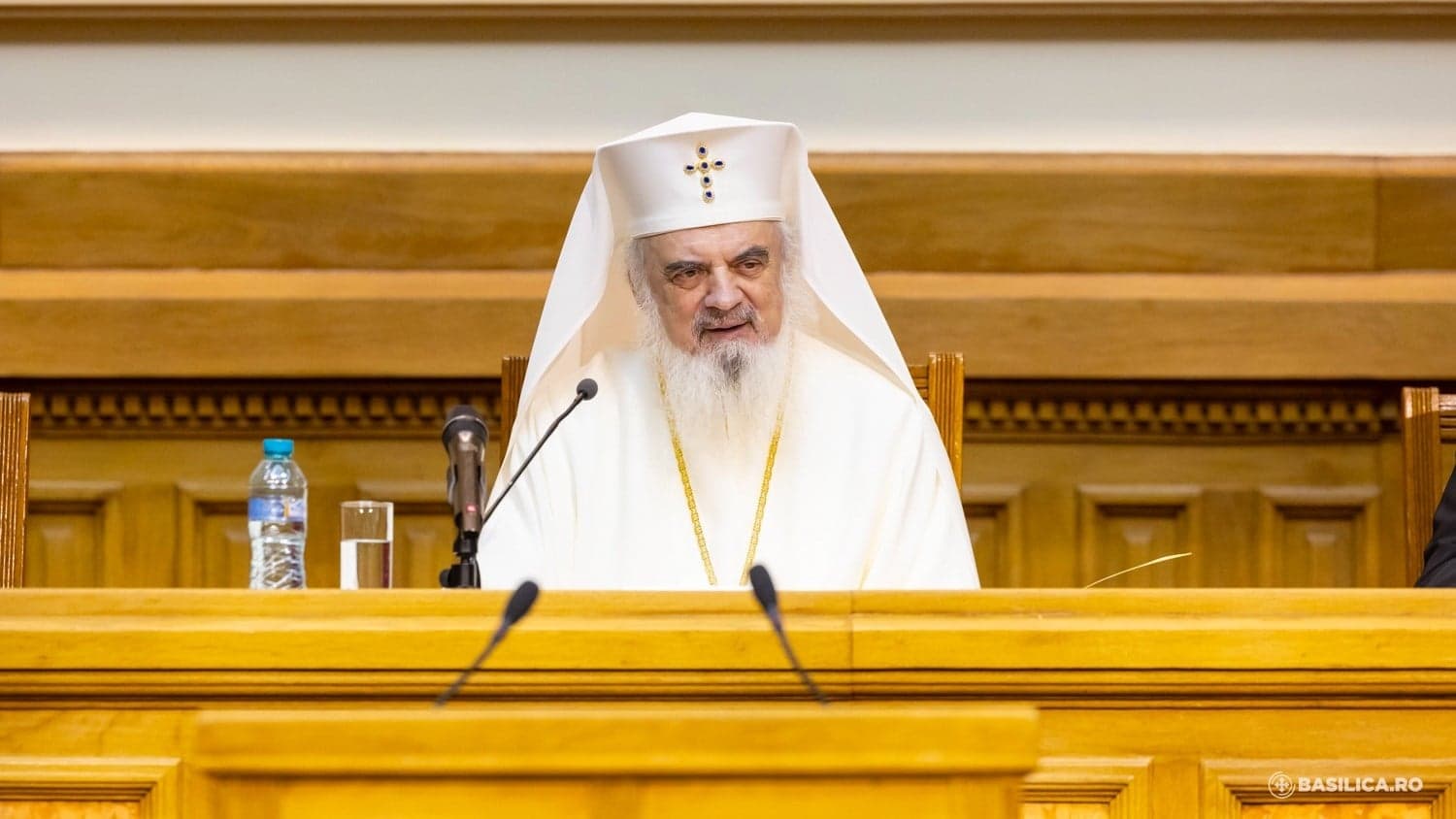
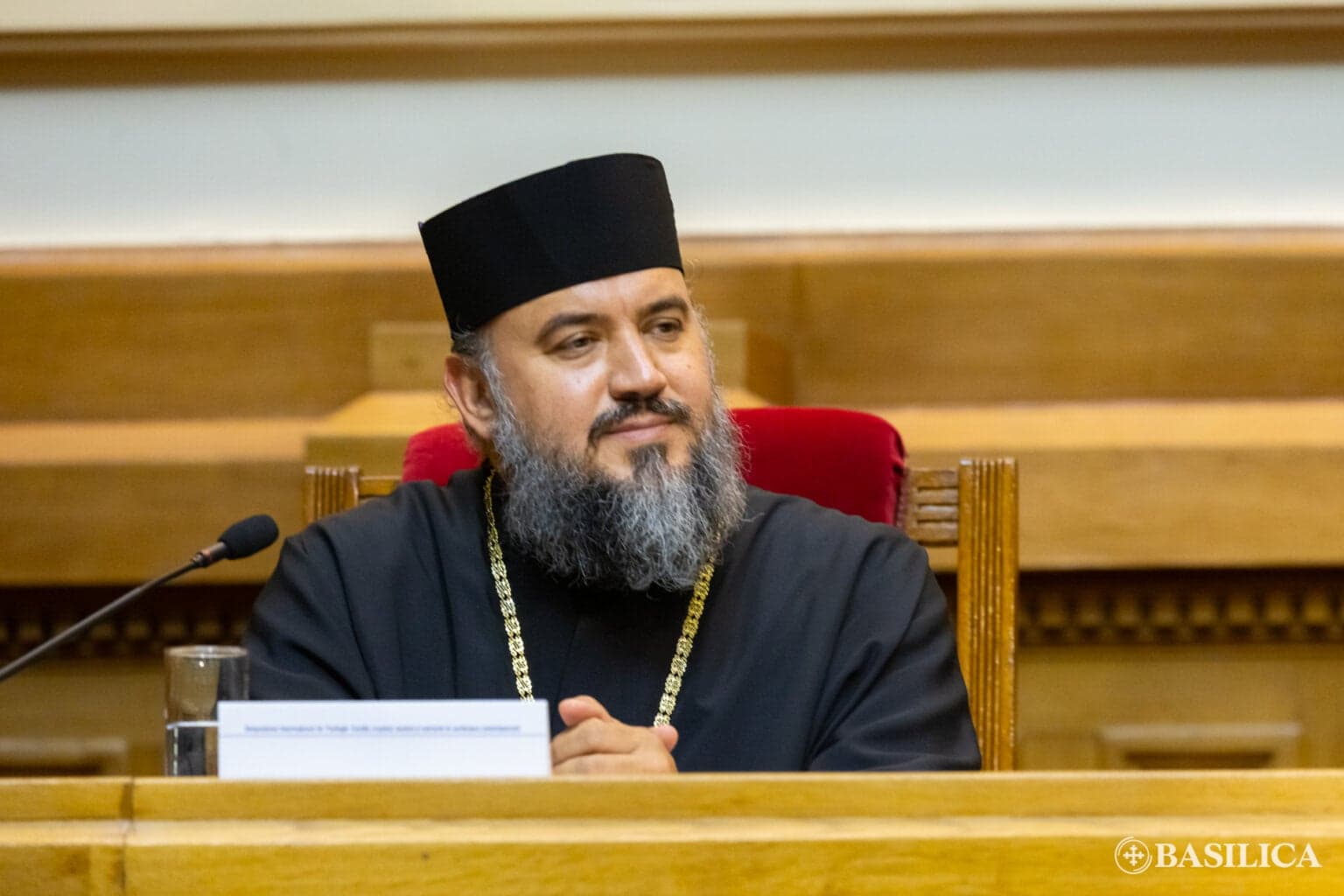
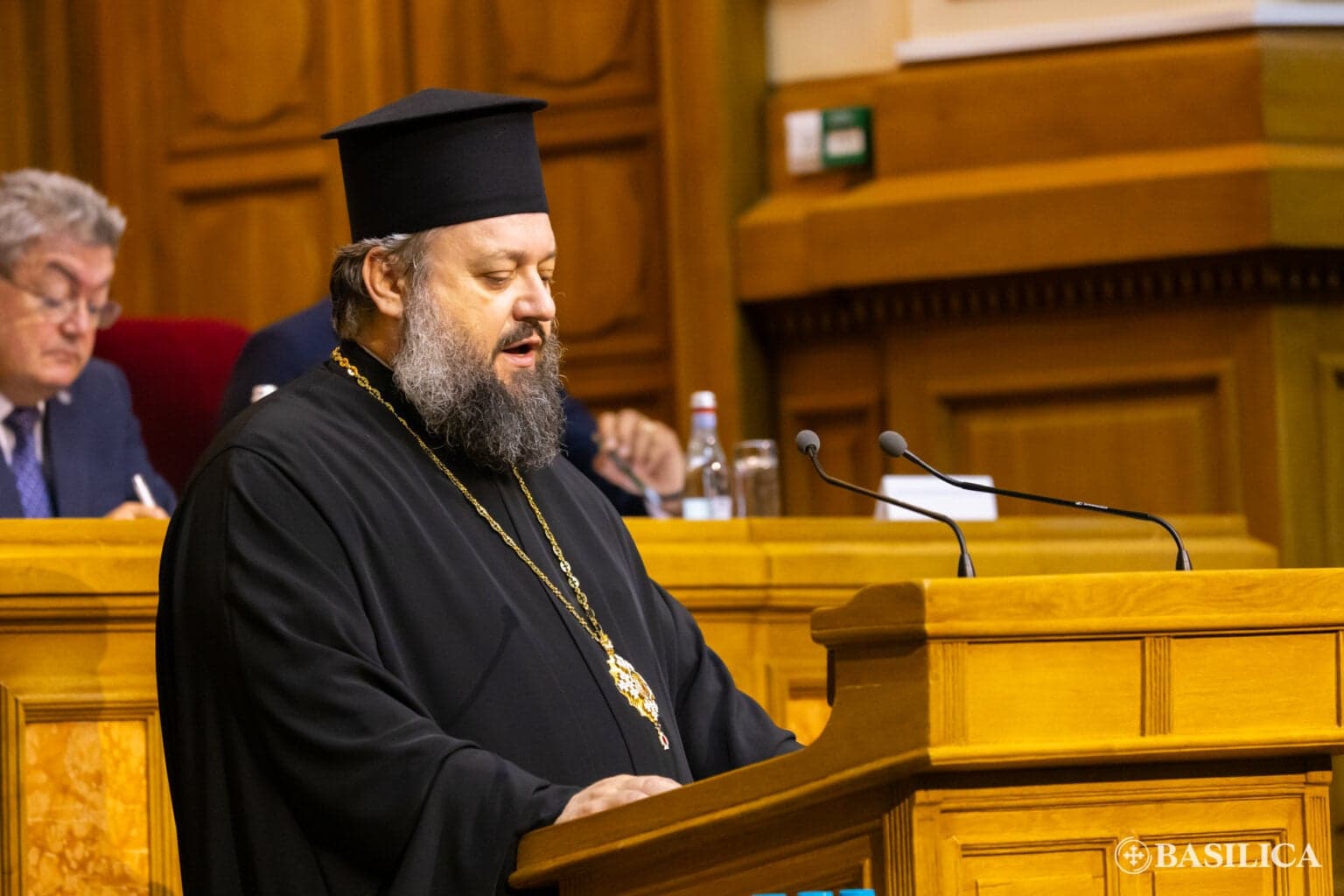
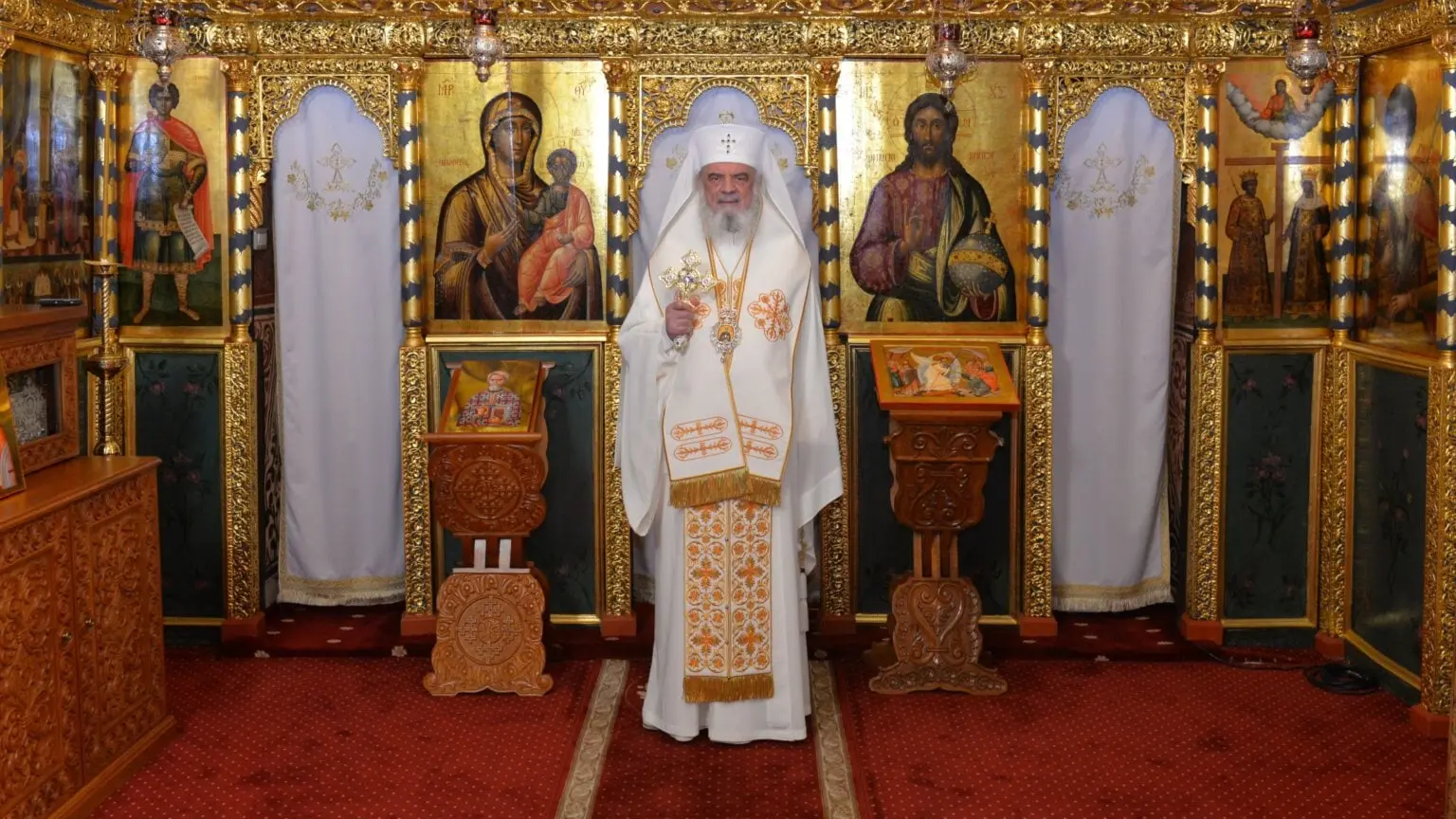
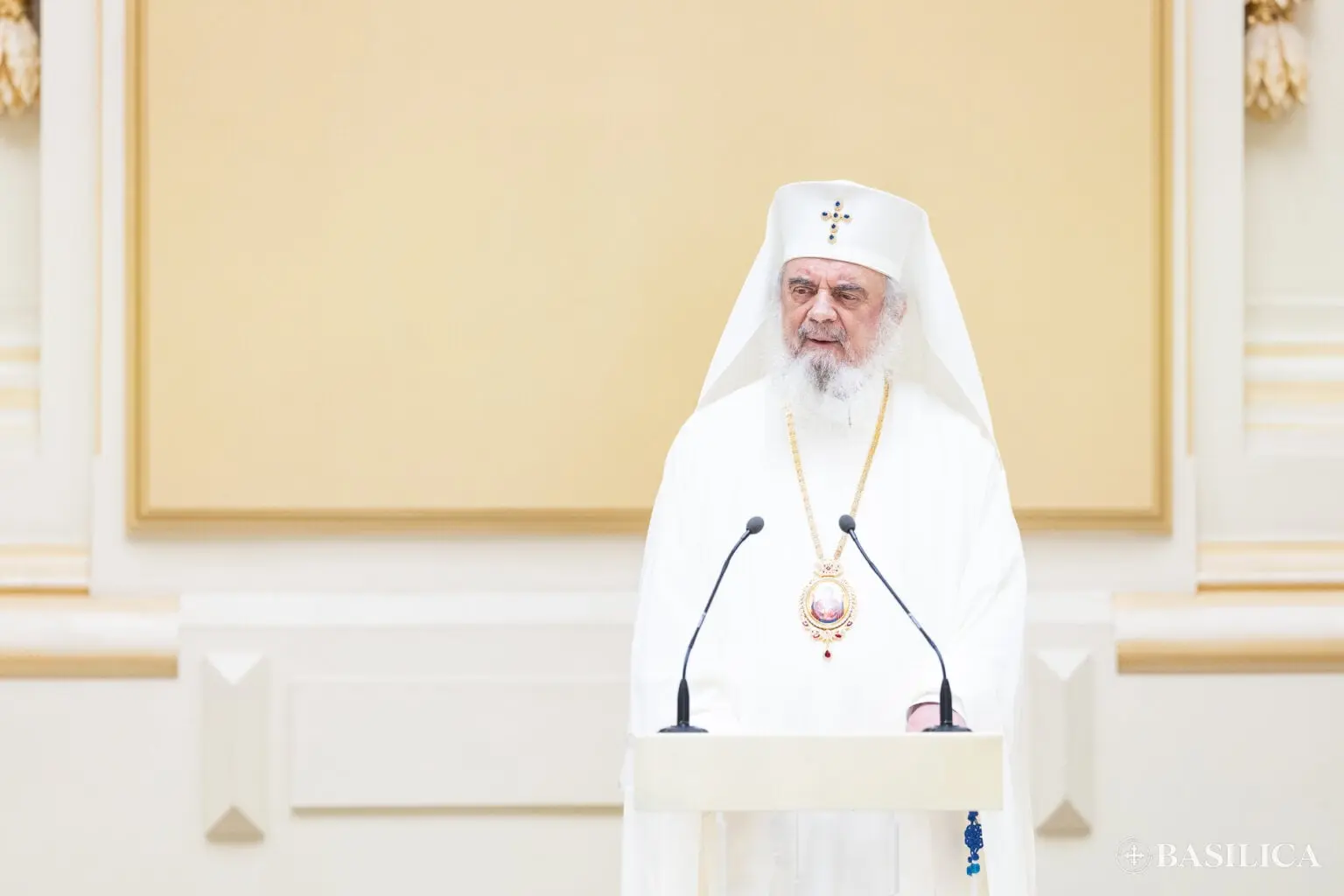
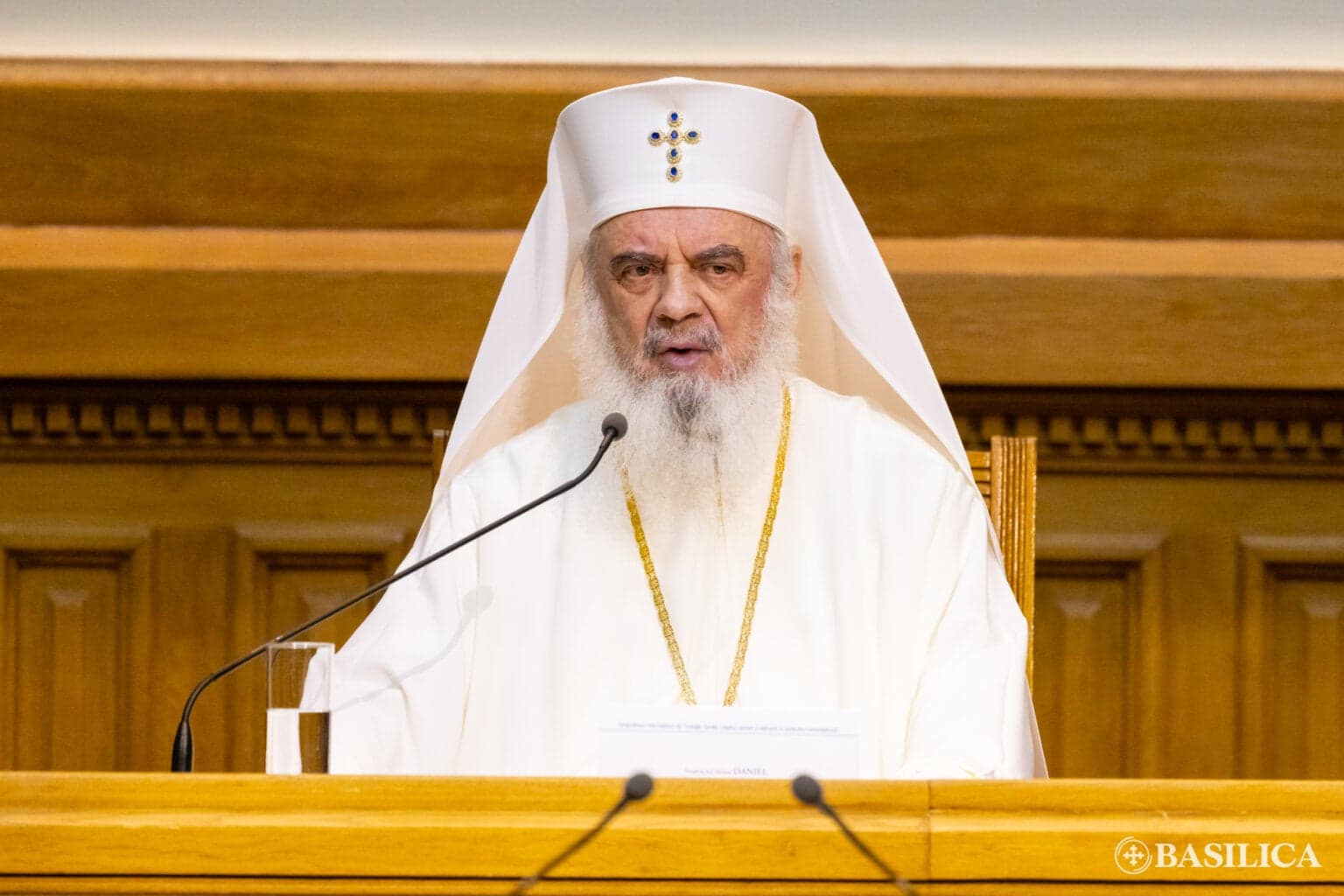
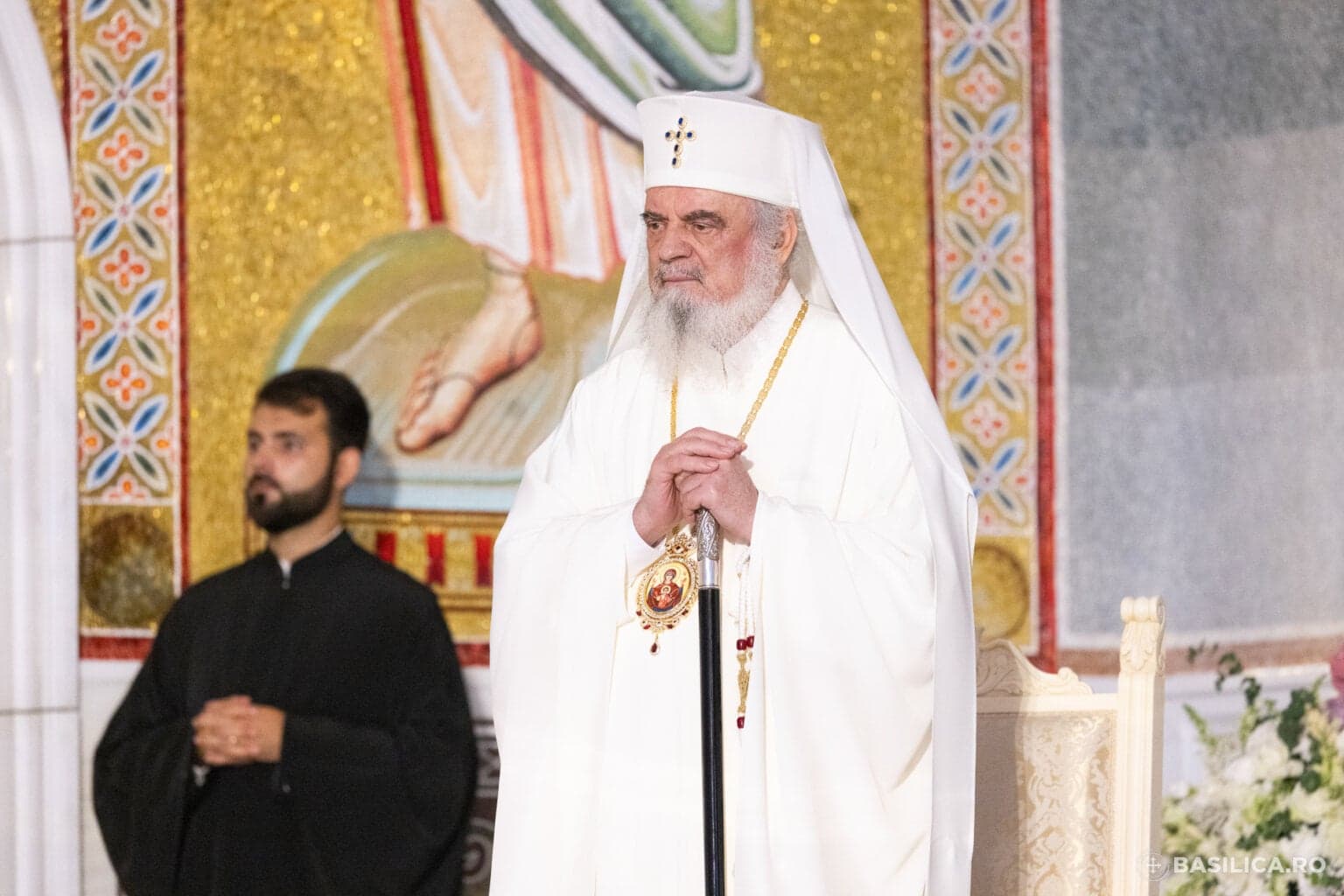
His Beatitude Patriarch Daniel offered a New Year’s message on January 1, following the Divine Liturgy at the Patriarchal Cathedral in Bucharest, during a solemn ceremony marking the proclamation of 2026 as the Solemn Year of the Pastoral Care of the Christian Family and the Commemorative Year of the Holy Women of the Church calendar in the Romanian Patriarchate.
In his address, Patriarch Daniel emphasised that the decision reflects “the essential role that both the family and women play in cultivating and promoting Christian identity, as well as in transmitting the Christian faith from one generation to another”, especially at a time when the family institution faces “multiple challenges” and requires renewed pastoral care and spiritual support.
Highlighting the theological vision underpinning the proclamation, the Patriarch of Romania recalled that the Christian family is not merely a social unit, but “a ‘small church’” or “the domestic church (ecclesia domestica)”, where faith is lived and handed on in a natural and living way.
He also underlined the exemplary witness of holy women—myrrh-bearers, martyrs, monastics, wives and mothers—who, throughout the history of the Church, have shown that holiness is born from faithful cooperation with divine grace and self-giving love in family, Church and society.
Please find below Patriarch Daniel’s message proclaiming 2026 as the Solemn Year of the Pastoral Care of the Christian Family and the Commemorative Year of the Holy Women in the Church calendar.
Proclamation of the Solemn and Commemorative Year 2026
The Holy Synod of the Romanian Orthodox Church has proclaimed the year 2026 as the Solemn Year of the Pastoral Care of the Christian Family and the Commemorative Year of the Holy Women of the Church calendar (myrrh-bearing women, martyrs, monastics, wives and mothers), thereby recognising the essential role that both the family and women play in cultivating and promoting Christian identity, as well as in transmitting the Christian faith from one generation to another.
In the present age, when the institution of the family faces multiple challenges, and when the role of women in the Church and in society calls for deeper appreciation, it is necessary to emphasise that the family is the fundamental nucleus of the Christian community, and that the Christian woman—wife and mother—is a principal bearer of faith, self-giving love and steadfast piety.
The Church has the mission of supporting and strengthening the Christian family by offering pastoral guidance and spiritual assistance at every stage of family life: the preparation of young people for marriage, the Christian education of children, the resolution of internal difficulties, and the deepening of bonds of love among family members.
The Christian family is not merely a social cell or unit, but also a “small church” (“the home itself is a small church”), according to Saint John Chrysostom. Blessed Augustine likewise calls the family the “domestic church” (ecclesia domestica), in which the Orthodox faith is lived and transmitted in a living and natural manner. Holy Scripture describes God’s relationship with the world as one of intimacy, as a marriage and a family (cf. Ephesians 5:21–33).
The Church is the place where, through the purifying and sanctifying work of the Holy Spirit upon the soul of the humble person, fraternal love is lived in God the Son made Man, and parental love in God the Father, whom our Lord Jesus Christ taught us to invoke as “Our Father, who art in heaven”. Filled with the grace of the Most Holy Trinity, the Church is therefore the Family of the love for humankind of the Most Holy Trinity, and the Christian family has rightly been called the “domestic church” (Ecclesia domestica).
Holy Scripture and Holy Tradition reveal the exceptional value of the faithful woman in the life and mission of the Church in transmitting faith in God. The Church has promoted the dignity of women especially by venerating the Mother of our Lord Jesus Christ as the ideal of femininity and of Christian life—Bearer of God and bearer of holiness—calling her the Most Holy (Panaghia). She is at the same time Virgin and Mother, an icon of the Church sanctified by the grace of the Most Holy Trinity, of Christ-bearing humanity, and of humble, merciful and generous love.
Alongside the Mother of God, the holy myrrh-bearing women demonstrated steadfast faith and exemplary devotion to the Lord Jesus Christ; they were the first human persons to receive the great news of Christ’s Resurrection and the first to proclaim the truth of His Resurrection to the disciples.
Throughout Christian history, holy women have shown that the path to holiness does not depend on belonging to a particular social category, but on the cooperation of the human person with divine grace. Thus, the holy women martyrs who confessed their faith at the cost of their lives; the holy female monastics who chose the path of repentance, fasting and unceasing prayer; and the holy Christian wives and mothers who enriched the Orthodox tradition of holiness through the example of a Christian life lived within the family, the ecclesial community and society.
The Christian family finds models of holy life in the many holy families throughout the history of the Orthodox Church. For example, in the fourth century, the family of Saint Basil the Great offers a remarkable example of cultivating holiness within the family: his parents Basil and Emmelia, his grandmother Macrina the Elder, and five of their children—Saint Basil the Great, Saint Gregory of Nyssa, Saint Peter of Sebaste, Saint Naucratius, and Saint Macrina the Younger—were all eight included as saints in the calendar of the Orthodox Church.
They show us that Christian education and the practice of evangelical virtues within the family can form spiritual lights for all generations. For this reason, the icon of the saints of the family of Saint Basil the Great, painted by Mrs Cosmina Miu of Bucharest, is the icon of the Solemn Year 2026 in the Romanian Patriarchate.
In such concrete models of Christian life, the family is the environment in which Christian virtues are learned and practised: fervent prayer, humble and merciful love, patience, forgiveness, and assistance to those in need.
With regard to the Commemorative Year 2026, we joyfully note that in 2025 the Holy Synod of the Romanian Orthodox Church canonised sixteen Romanian women of holy life, whose general proclamation of canonisation will take place at the beginning of 2026, while the local proclamations of their canonisation will occur throughout 2026, according to their respective feast days in the Church calendar.
Together with the other Romanian holy women already in the calendar, they form the Synaxis of the Holy Romanian Women, commemorated on the Sunday of the Myrrh-Bearing Women. The icon of the Synaxis of the Holy Romanian Women was painted by the family of Răzvan and Mihaela Bădescu of Buftea.
These newly canonised Romanian holy women show us that the Romanian Orthodox Church has always been blessed with faithful and devout women who have fought the good fight of faith and completed their earthly journey in holiness (cf. 2 Timothy 4:7), in many forms of service: mothers whose children became saints; women martyrs who defended the Christian faith with their blood; female monastics who prayed and laboured in monasteries; women confessors who endured persecution for the name of Christ; and the wives of princes or rulers who supported the Church and the Romanian people.
These Romanian holy women are for us both models of Christian life and intercessors in heaven for the Christian family—especially today, when we observe that the family faces many difficulties, manifested in the rising number of divorces, the weakening of bonds between grandparents, parents and children, the diminishing role of the family in the religious education of children, and other challenges.
The young people of many families struggle with new addictions or dependencies such as drugs, alcoholism, gambling (which has become a social scourge, especially through the excessive promotion of online gambling), excessive use of the internet (in all its forms of dependency), and others.
For this reason, it is necessary for the Church to intensify its pastoral efforts to support the Christian family, to develop counselling and assistance programmes for families in difficulty, to offer appropriate religious education for children, and to promote the values of the confessing Christian family.
Through family counselling centres, marriage preparation programmes, social assistance initiatives and the work of women’s organisations, the Romanian Orthodox Church will continue to provide concrete support for strengthening Christian families and for deepening awareness of the importance of the family in the life of the Church and of society.
By proclaiming this Solemn and Commemorative Year (2026), the Romanian Orthodox Church seeks to intensify the cultivation of Christian life within the family, the love between husband and wife, between children and parents, and love for the Church and for the nation, to the glory of the Most Holy Trinity and for the good of the Romanian people.
† Daniel
Patriarch of the Romanian Orthodox Church
Photo: Basilica.ro / Raluca Ene