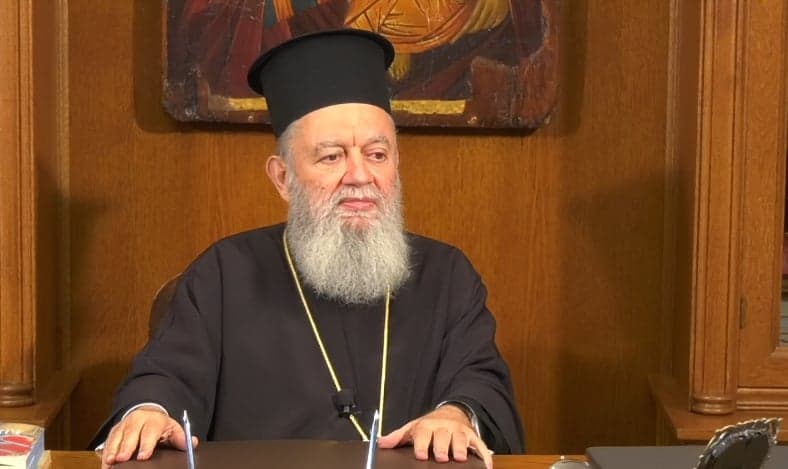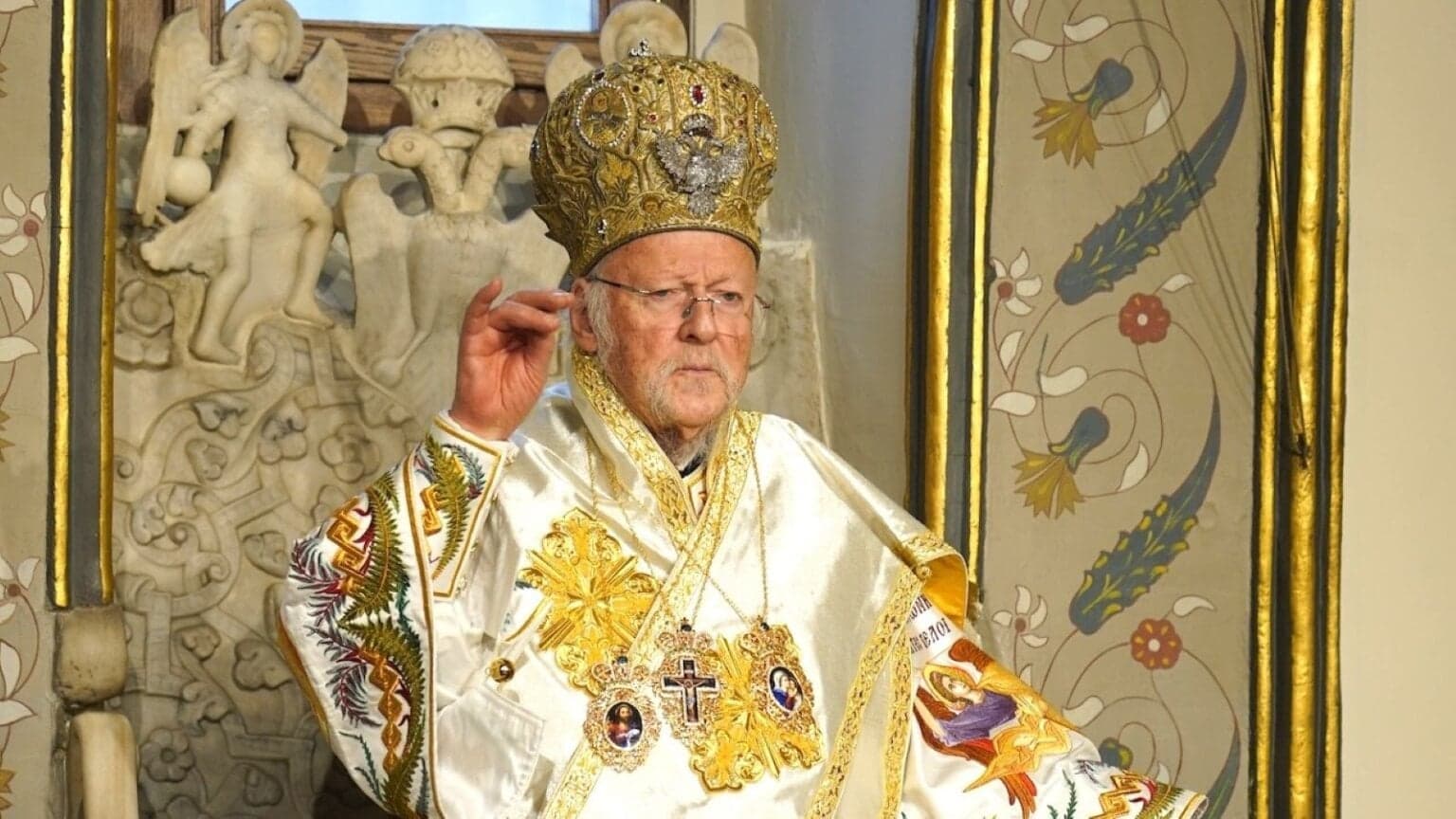
“The message of the Cross and the Resurrection resounds today as a Gospel of peace, reconciliation, and justice,” Ecumenical Patriarch Bartholomew I said in his Easter pastoral message.
His All-Holiness stressed the profound significance of the Resurrection, describing it as “the manifest victory of life over death, renews all creation, and opens to humanity the way of deification by grace.”
Patriarch Bartholomew noted that the Paschal experience is lived in the life of the Church in many forms: “in her liturgical life, in the labours of the Saints and Martyrs of the faith, in the eschatological impulse of monasticism, in the proclamation of the Gospel “to the ends of the earth,” in theology and the ecclesial arts, in the good witness of the faithful in the world, in the culture of love and solidarity, and in the immovable certainty that evil does not have the final word in history.”
“The Resurrection of the Lord is lived as a Christ-bestowed freedom, which inspires, nourishes, and strengthens the creative powers of the human person and the good struggle for ‘whatever is true, whatever is honourable, whatever is just, whatever is pure, whatever is lovely, whatever is commendable’ (cf. Philippians 4:8).”
Ethos of sacrificial love
Patriarch Bartholomew rejected the idea that the Christian ethos is one of weakness: “Nothing could be further from the truth than this reading of the ethos of Christianity — of sacrificial love that ‘does not seek its own,’ a love interwoven with courage, boldness, and existential authenticity.”
In the current context, he called for peace and solidarity: “War, hatred, and injustice stand opposed to the fundamental Christian principles for whose realisation and establishment the people of God pray and labour each day.”
“’Christ is risen’ is a denial and condemnation of violence and fear and an invitation to a life of peace,” he added.
The sacredness of the human person
Before the daily images of the cruelty of war, the Ecumenical Patriarch noted that “the Church raises her voice and proclaims the sacredness of the human person — of every concrete human being anywhere on earth — and the duty of absolute respect for that dignity.”
“The Resurrection of the Lord is the restoration of the human being to his pre-eternal calling. As the “beginning of another eternal life,” it heals alienating relationships and establishes the peace “which surpasses all understanding” — a peace that encompasses worldly reconciliation and pacification,” Patriarch Bartholomew said.
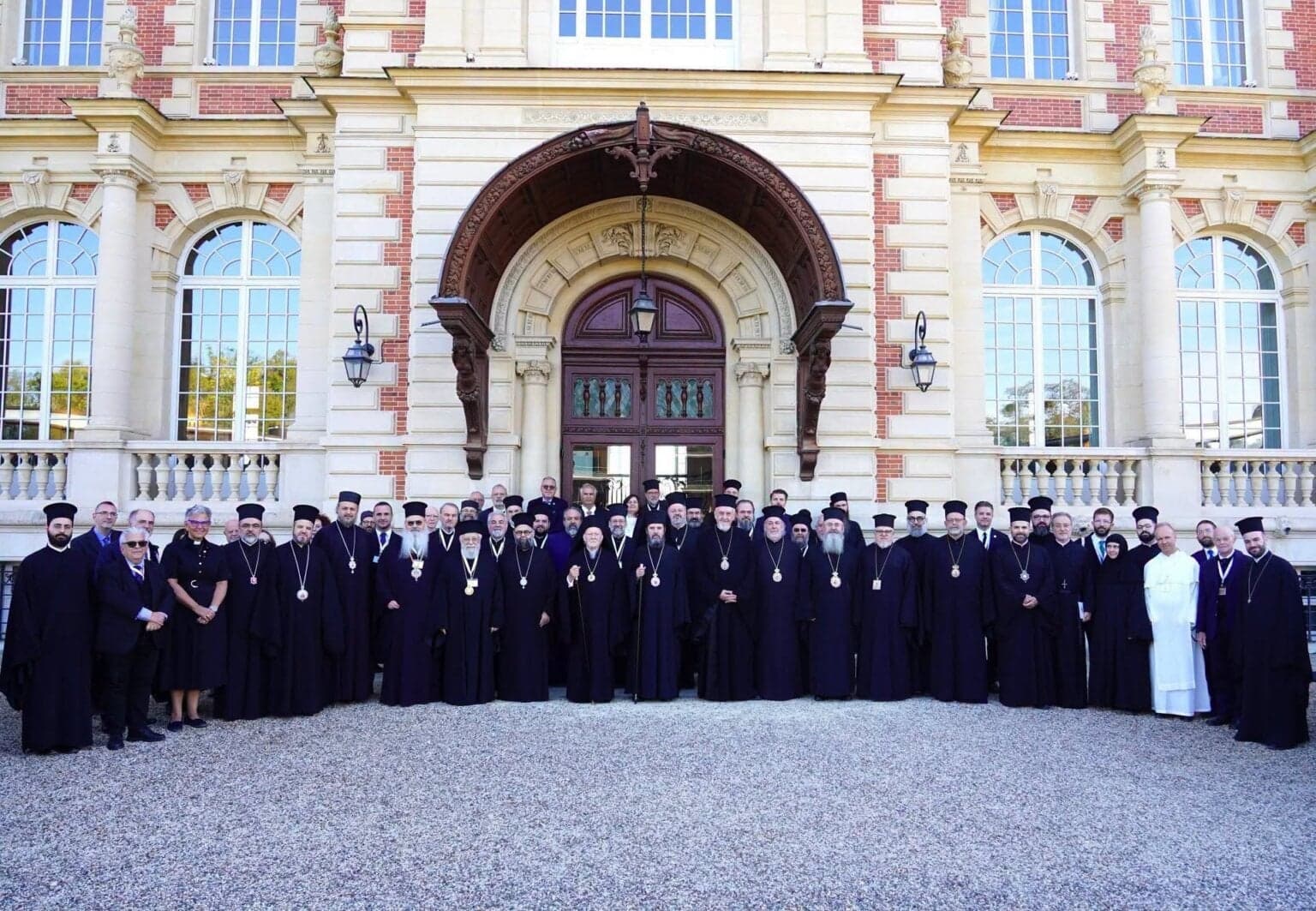
Photo: Ecumenical Patriarchate / Nikos Papachristou