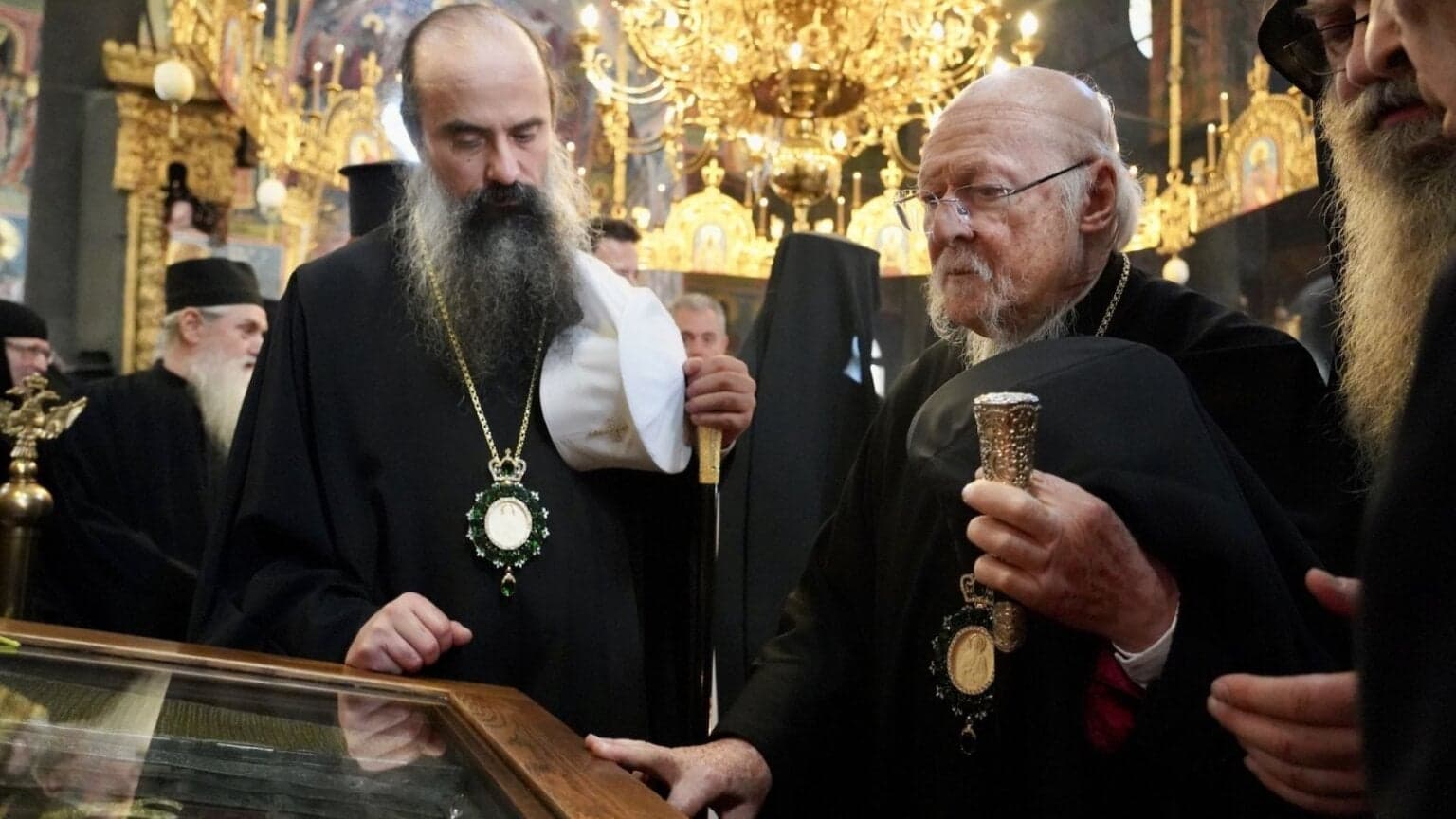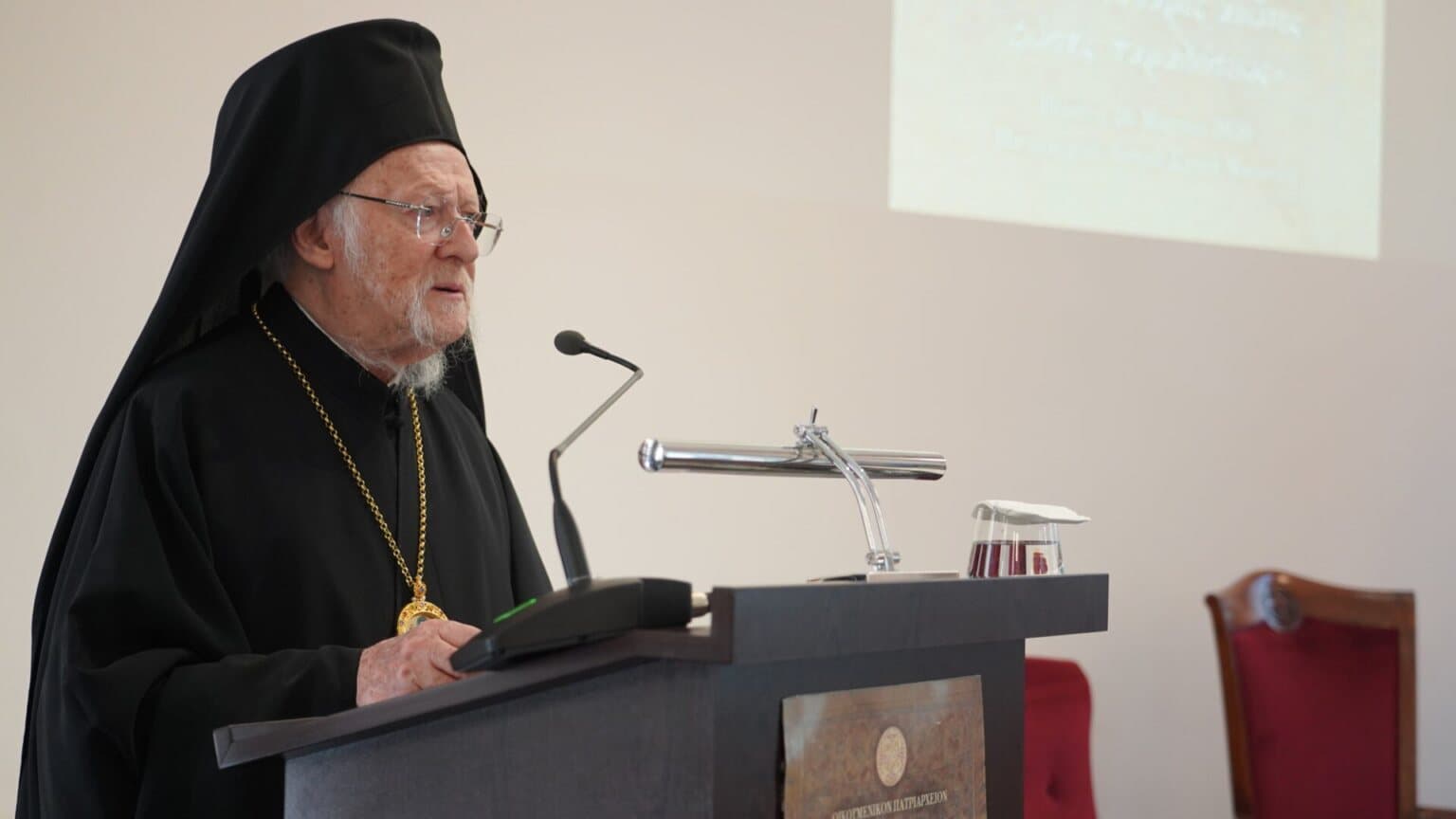
Ecumenical Patriarch Bartholomew I said the Akathist Hymn is “a magnificent ode to freedom” at the opening of a conference marking 1,400 years since its first chanting.
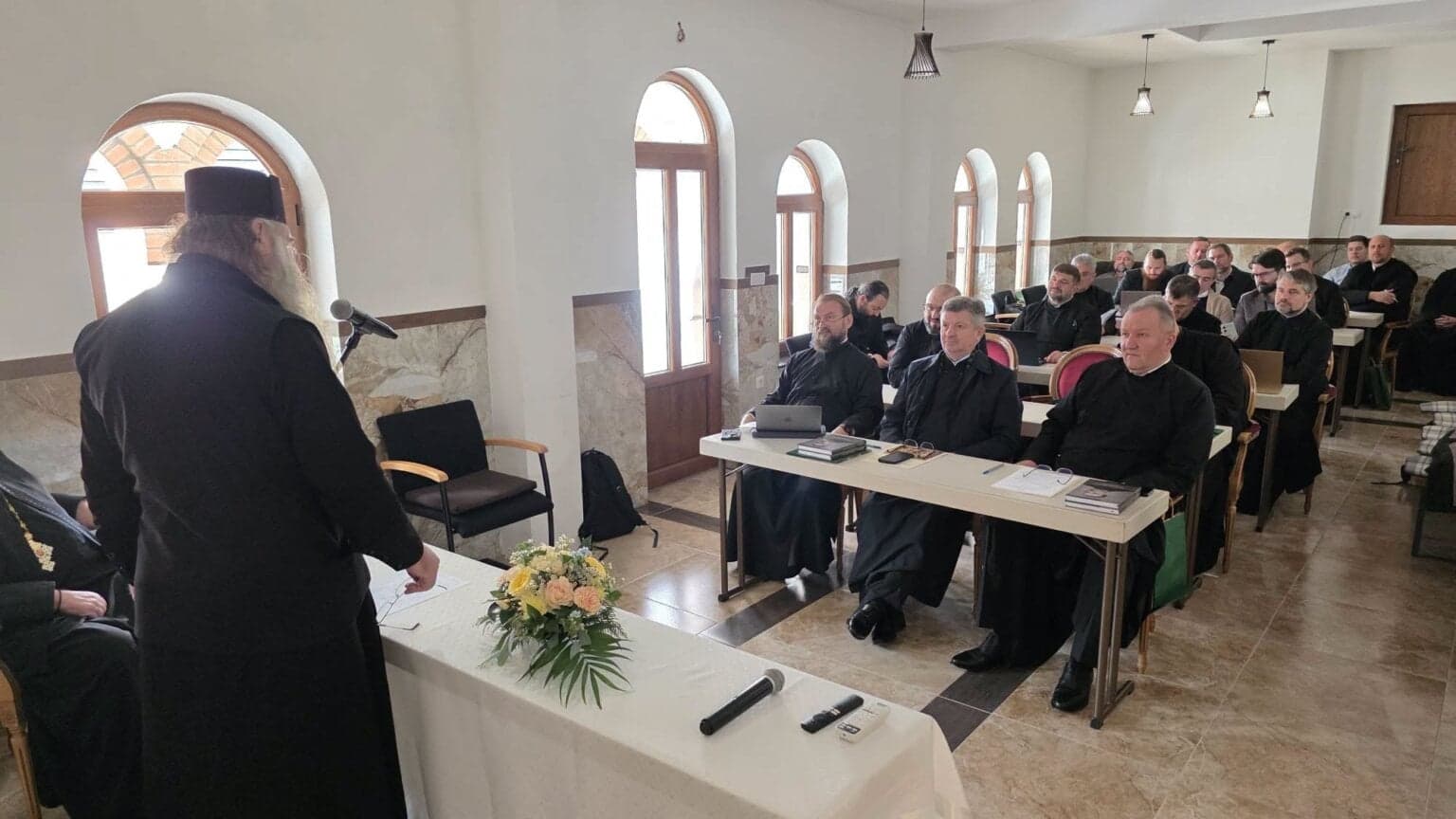
The event took place on Thursday, March 26, at the Marasli Patriarchal Urban School in Istanbul, Turkey, and was attended by hierarchs of the Ecumenical Patriarchate, clergy, diplomatic representatives—including the Greek Consul General in Constantinople—along with university professors and researchers.
His All-Holiness highlighted the profound link between freedom and the mystery of the Incarnation: “As we venerate the holy icon of the Virgin Mary, we stand before the great miracle of freedom. God has honoured humanity with the gift of freedom—an inviolable freedom, even by God Himself.”
“The Incarnation could not have taken place if man, in the person of the Virgin Mary, had not freely accepted the call from above. The ‘Yes’ of the Mother of God is the definitive revelation that freedom, in all its greatness, is voluntary obedience to God’s call.”
In this context, Patriarch Bartholomew stressed that the Akathist Hymn expresses this theological truth: “The Virgin Mary says ‘Yes’ to God’s plan for our salvation, as the representative of all humanity.”
His All-Holiness also underlined the historical connection between the Akathist Hymn and Constantinople, describing it as “an unsurpassed monument of faith, theology, poetic inspiration, linguistic style and expressive art”.
25 March marked 1,400 years since the first chanting of the Akathist Hymn to the Mother of God, likely composed by Saint Romanos the Melodist, at the Church of Blachernae in Constantinople, during the city’s deliverance from the Avar and Persian siege.
Photo: Ecumenical Patriarchate