This year marks 14 centuries since the city of Constantinople was saved from a siege by a coalition of Avars and Persians, an event commemorated by the first chanting of the Akathist Hymn to the Mother of God.
The Akathist Hymn to the Theotokos, traditionally attributed to Saint Romanos the Melodist, was first chanted in the Church of Blachernae in Constantinople, as the faithful stood in prayer in a sign of reverence and thanksgiving to the Mother of God. The term akathistos means “not seated” in Greek.
On Tuesday, on the eve of the Feast of the Annunciation, the Ecumenical Patriarchate issued an encyclical dedicated to this jubilee.
“Receiving the heartfelt, unceasing, and fervent supplication of clergy and people, the Mother of God not only strengthened the morale of the few defenders, but also wrought a great miracle: by the sudden turning of violent winds, she brought about the total destruction of the fleet of the besiegers, after which they fled in disorder, and thus the City was saved,” the Constantinopolitan hierarchs recalled.
The Holy Synod of the Ecumenical Patriarchate described the Akathist Hymn to the Annunciation as “a resplendent masterpiece of ecclesiastical poetry”, “a most finely wrought creation of God-inspired theology,” and “the most beloved hymn of our liturgical life, the sweetest delight of Christians”.
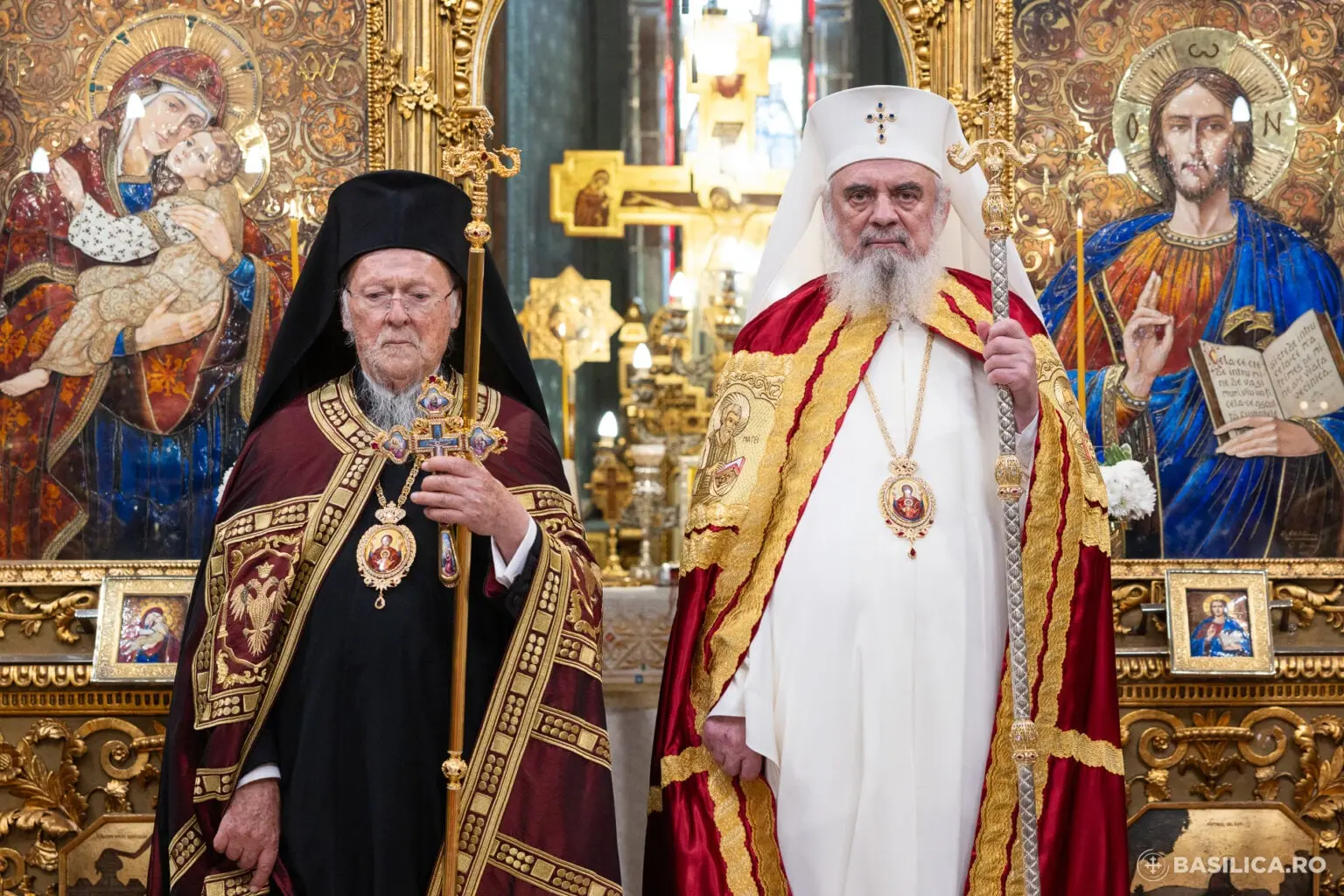
“The Akathist Hymn calls every faithful person to vigilance, to stand upright and steadfast, in humility and prayer, before the great challenges of our age, in these grievous days of many upheavals and wars through which humanity is now passing,” wrote Ecumenical Patriarch Bartholomew I together with the hierarchs of the Holy and Sacred Synod.

The Ecumenical Patriarchate has designated 2026 as the jubilee year of the Akathist Hymn to the Annunciation.
Photo: Pexels / Feyza Nur (Genealogy of the Virgin Mary, mosaic from the Chora Church, Constantinople)