Orthodox and Catholic bishops in Canada discussed the challenges posed by artificial intelligence during the annual meeting of the Orthodox–Catholic Dialogue Commission.
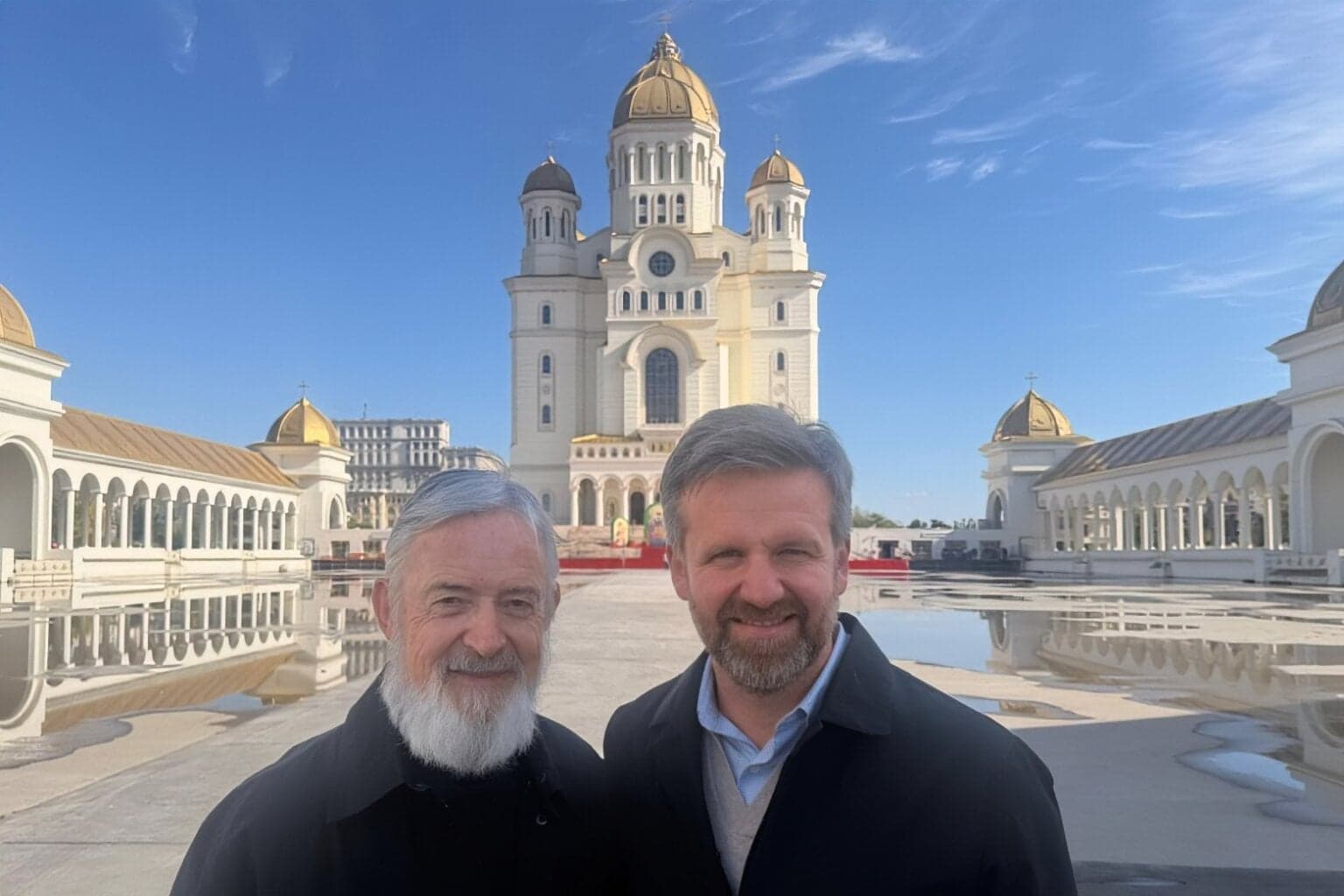
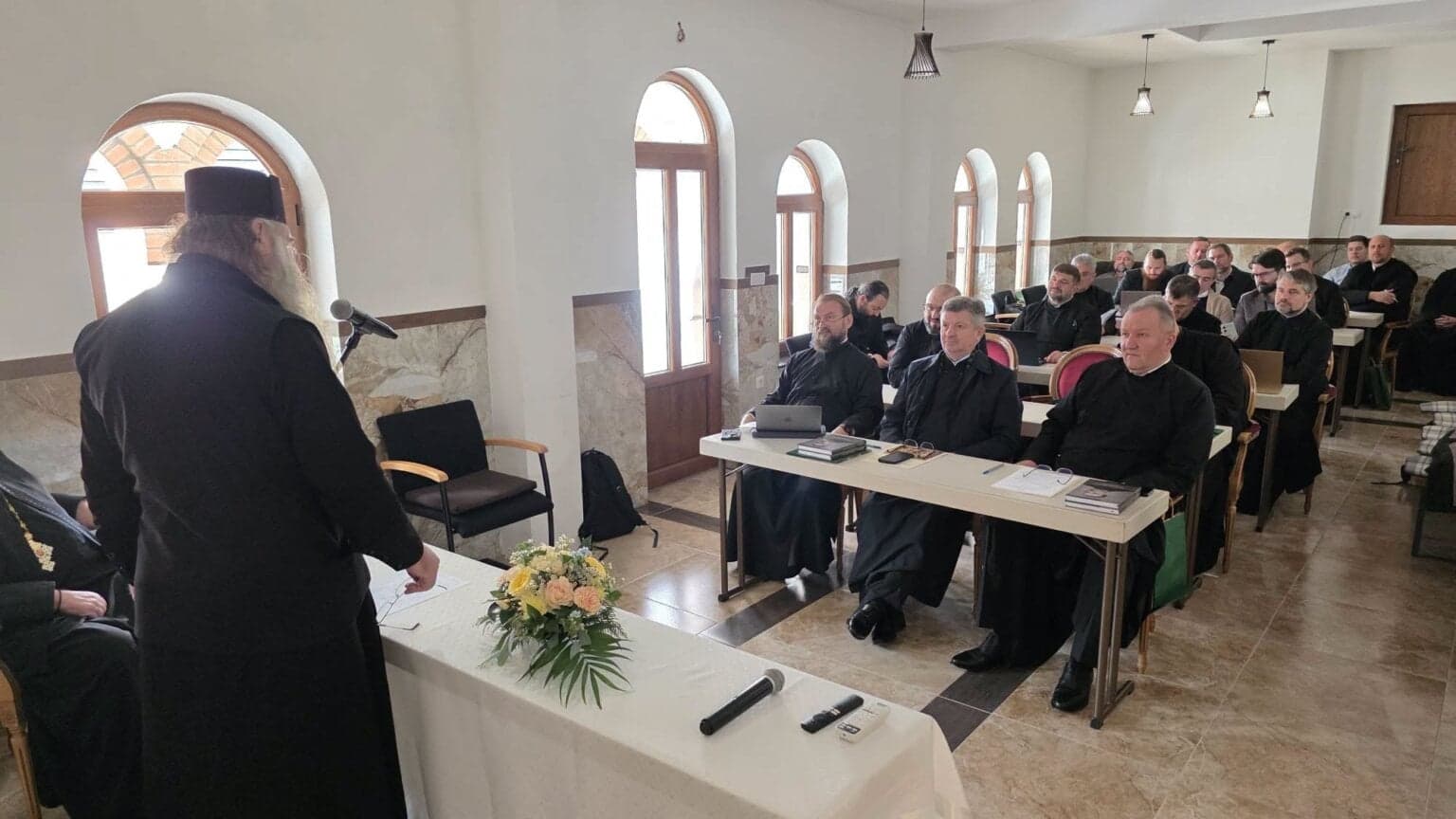
The meeting took place on 18–19 June at St Augustine’s Seminary in Toronto. Representing the Canadian Conference of Orthodox Bishops were His Eminence Metropolitan Ilarion Rudnyk of the Ukrainian Orthodox Church of Canada (Ecumenical Patriarchate) and His Grace Bishop Ioan Casian of the Romanian Orthodox Diocese of Canada.
The principal theme of the meeting was “Artificial Intelligence and Its Impact on Contemporary Life”. Participants examined Magnifica Humanitas, the recent encyclical of Pope Leo XIV on safeguarding the human person in the age of artificial intelligence, together with several Orthodox responses to the document.
During the discussions, participants reaffirmed the Christian understanding of the human person as created in the image of God and called to communion with others. They stressed that technological innovation should be directed towards the common good, solidarity and social justice, rather than solely towards efficiency and profit.
AI and Human Health
Particular attention was given to the risks associated with the excessive use of artificial intelligence. The bishops and invited experts emphasised that AI systems cannot replace authentic human relationships, moral discernment, or the spiritual life, and warned of the danger of social isolation resulting from technological dependence.
A significant contribution to the meeting was Dr Lucas Vivas’s presentation on the impact of artificial intelligence on medicine and healthcare. He explained that AI technologies are already being used in diagnosis, risk assessment and the administration of healthcare services, while stressing that medical care cannot be reduced to technical efficiency alone.
Participants also discussed moral responsibility in decision-making influenced by artificial intelligence, emphasising that accountability must always remain in human hands, particularly in sensitive fields such as healthcare.
The Importance of Humanity’s Relationship with God
The meeting also expressed concern about the concentration of technological power and resources in the hands of a limited number of corporations and institutions, a trend that could create new forms of dependency and social inequality.
In the concluding session, participants examined transhumanist and posthumanist currents of thought, reaffirming the Christian vision of the human person and the inherent dignity of every individual. They stressed that true human fulfilment is found not in technological enhancement but in a living relationship with God and with one’s neighbour.
At the close of the meeting, the commission’s members reaffirmed that artificial intelligence can be a valuable tool when placed at the service of the human person and the common good, and encouraged continued theological and ethical reflection on the responsible use of emerging technologies in an increasingly digital society.
Photo: Magnific