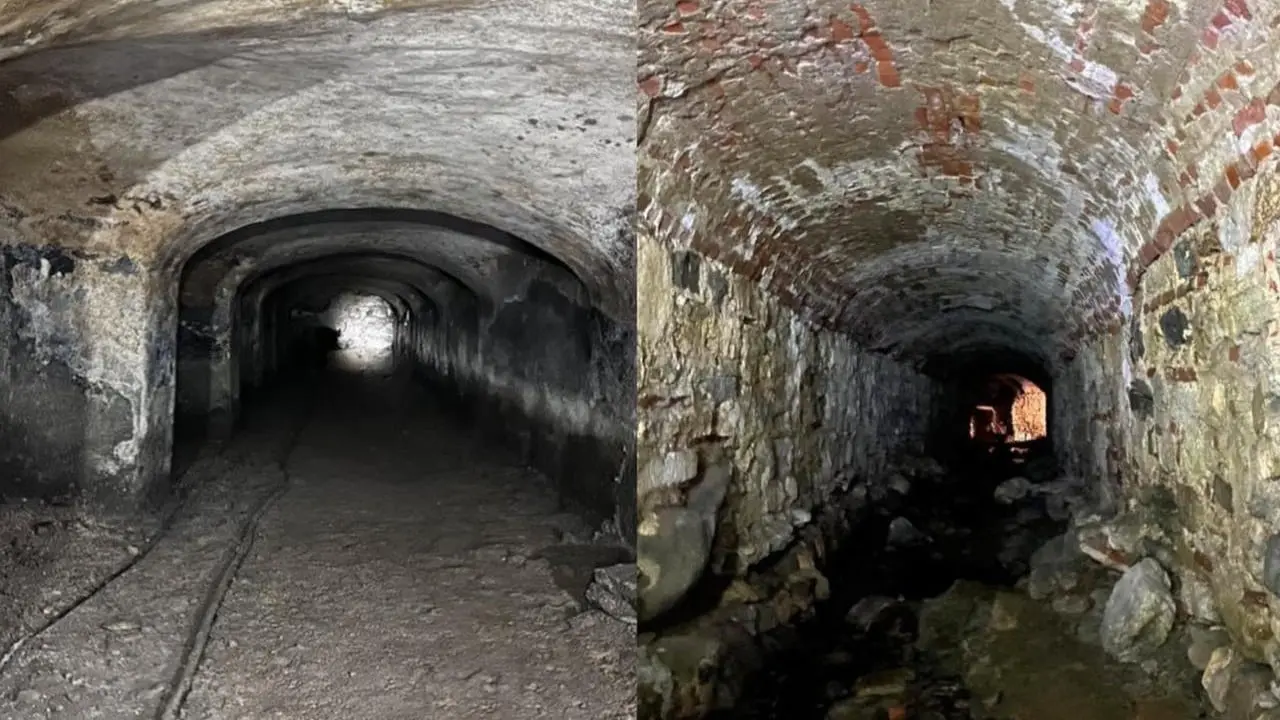
Restoration and research work continues at Hagia Sophia in Constantinople, where approximately 3,000 tonnes of silt and rubble have been removed from underground structures.
Turkey’s Minister of Culture and Tourism, Mehmet Nuri Ersoy, provided local media with new details about the restoration and research underway at the former Byzantine church, according to the publication Turizm Güncel.
The minister explained that the underground work had enabled researchers to access areas that could not previously be investigated.
Infrastructure of ancient Constantinople
The research aims to identify the functions of the underground structures and establish how they relate to different historical phases of the monument.
According to the minister, the systems under investigation are providing information about the water supply and drainage infrastructure of ancient Constantinople.
“These structures also provide important information about Istanbul’s historical water management and infrastructure. We are investigating underground systems that served functions such as rainwater drainage and water distribution,” Mehmet Nuri Ersoy explained.
Researchers are paying particular attention to investigations in a four-chamber hypogeum on the north-eastern side of the monument.
Research into this underground burial structure is helping specialists understand archaeological remains that may date from periods preceding the construction of the present Hagia Sophia.
Protecting historical features
Alongside the archaeological investigations, work continues to strengthen and conserve the monument.
Minister Mehmet Nuri Ersoy said the project represents one of the most extensive interventions undertaken at Hagia Sophia in modern times.
In addition to work on the main dome, specialists have begun preparations to reinforce the eastern semi-dome, situated above the area containing the mihrab and minbar.
The project includes measures to protect mosaics, marble surfaces and decorative features, with the aim of preserving the monument’s original architectural character.
Opening underground areas to visitors
The Turkish authorities intend to first present the findings of the underground investigations to the media and then allow public access to certain areas.
However, opening these spaces will depend on meeting the necessary safety requirements.
“Once the necessary conservation, safety and visitor infrastructure work has been completed, we aim to open suitable sections to the public. Scientific research and safety conditions will determine which areas can be visited,” Mehmet Nuri Ersoy said.
In 2027, 1,490 years will have passed since the completion of Hagia Sophia in Constantinople, built between 532 and 537 during the reign of Emperor Justinian I.