Amid the rush of daily life, you may have missed an interesting piece of information: Did you know that the first five Orthodox saints who lived in the 21st century and have since been canonised are all Romanian?
The list includes Saint Sofian of Antim, Saint Dionysius of Colciu, Saint Petronius the Prodromite, Saint Antonina of Tismana, and Saint Elizabeth of Pasărea.
The two Athonite Saints Dionysius and Petronius were canonised by the Ecumenical Patriarchate, while Saints Sofian, Antonina of Tismana, and Elizabeth of Pasărea were glorified by the Romanian Orthodox Church.
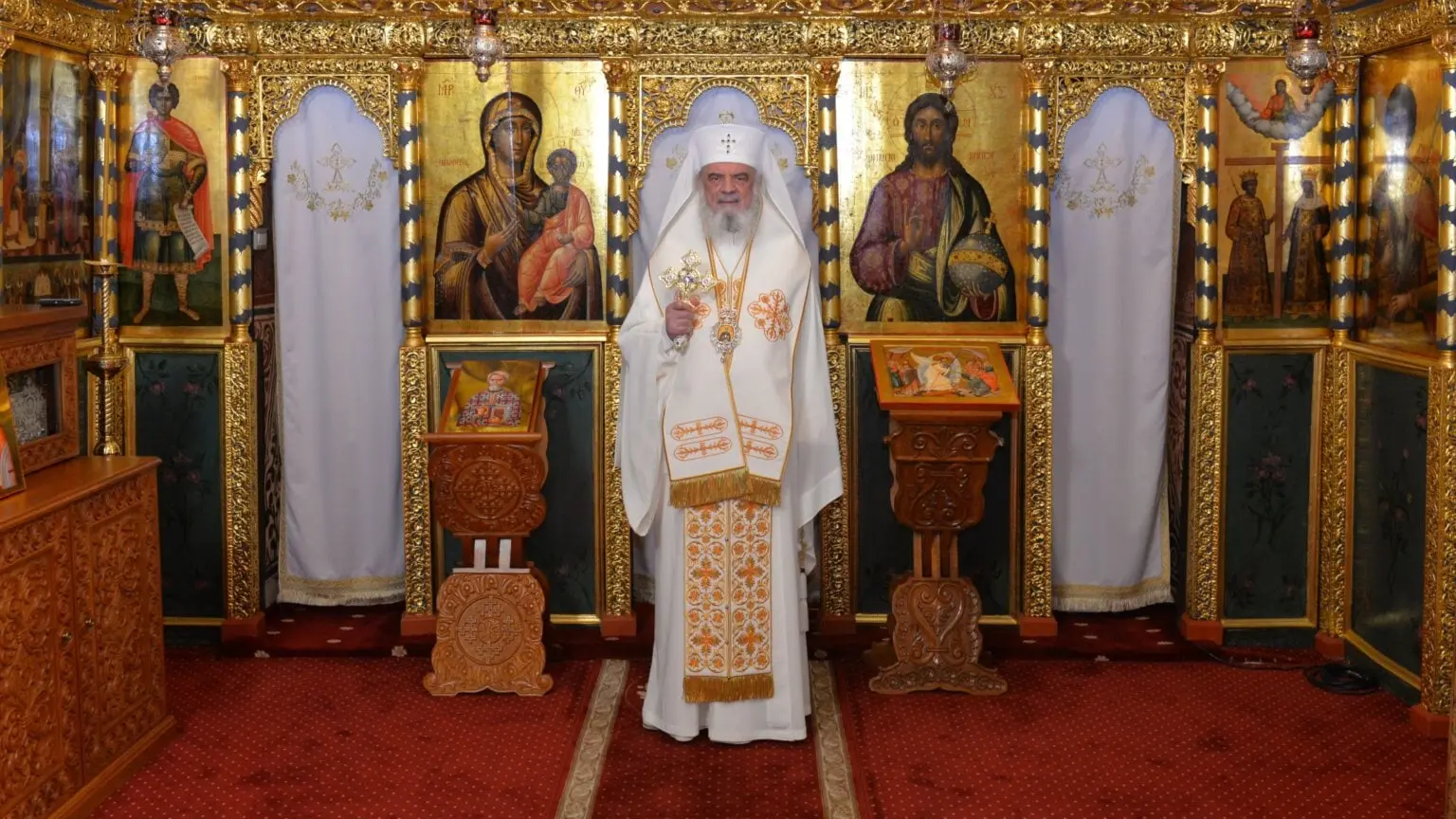
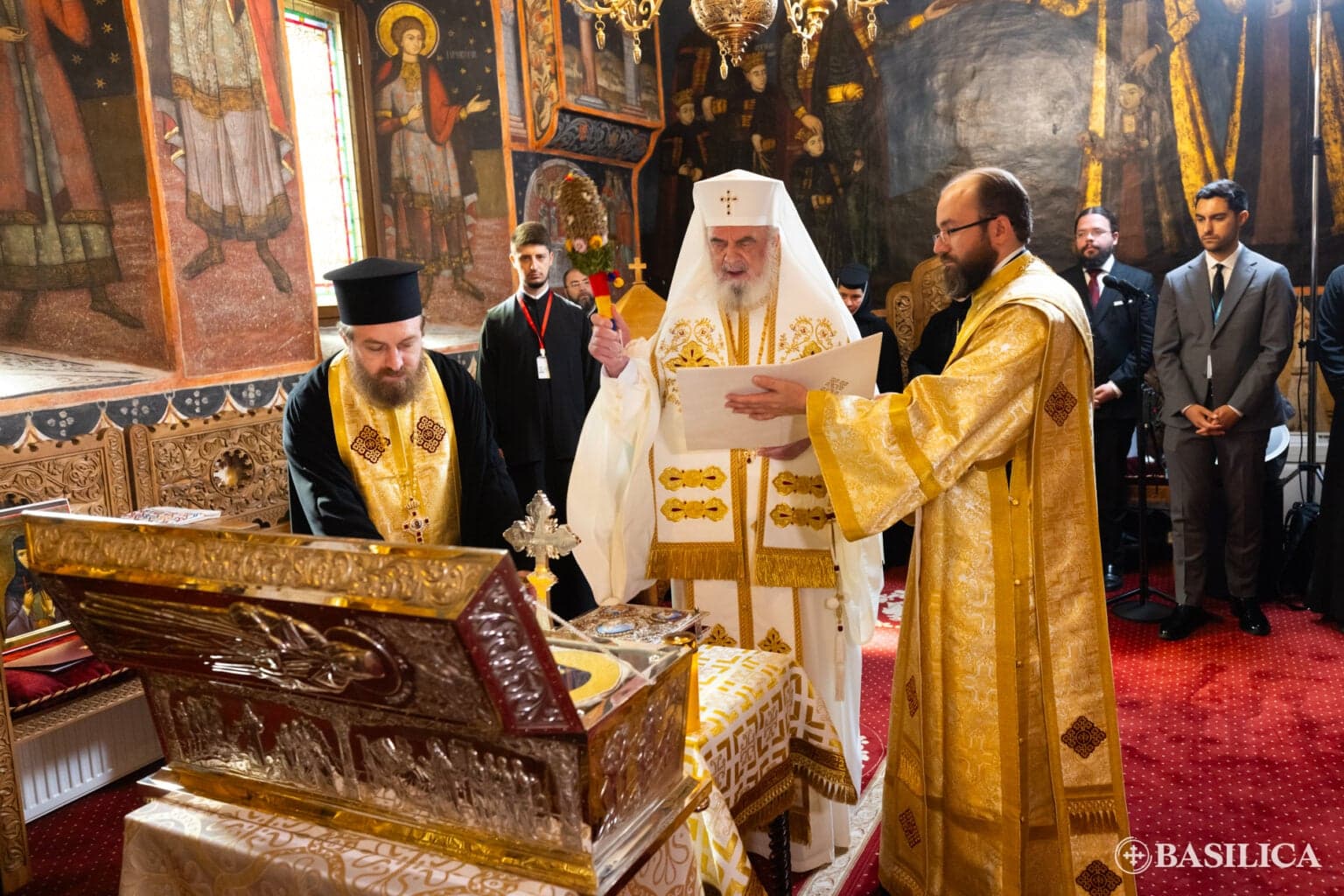
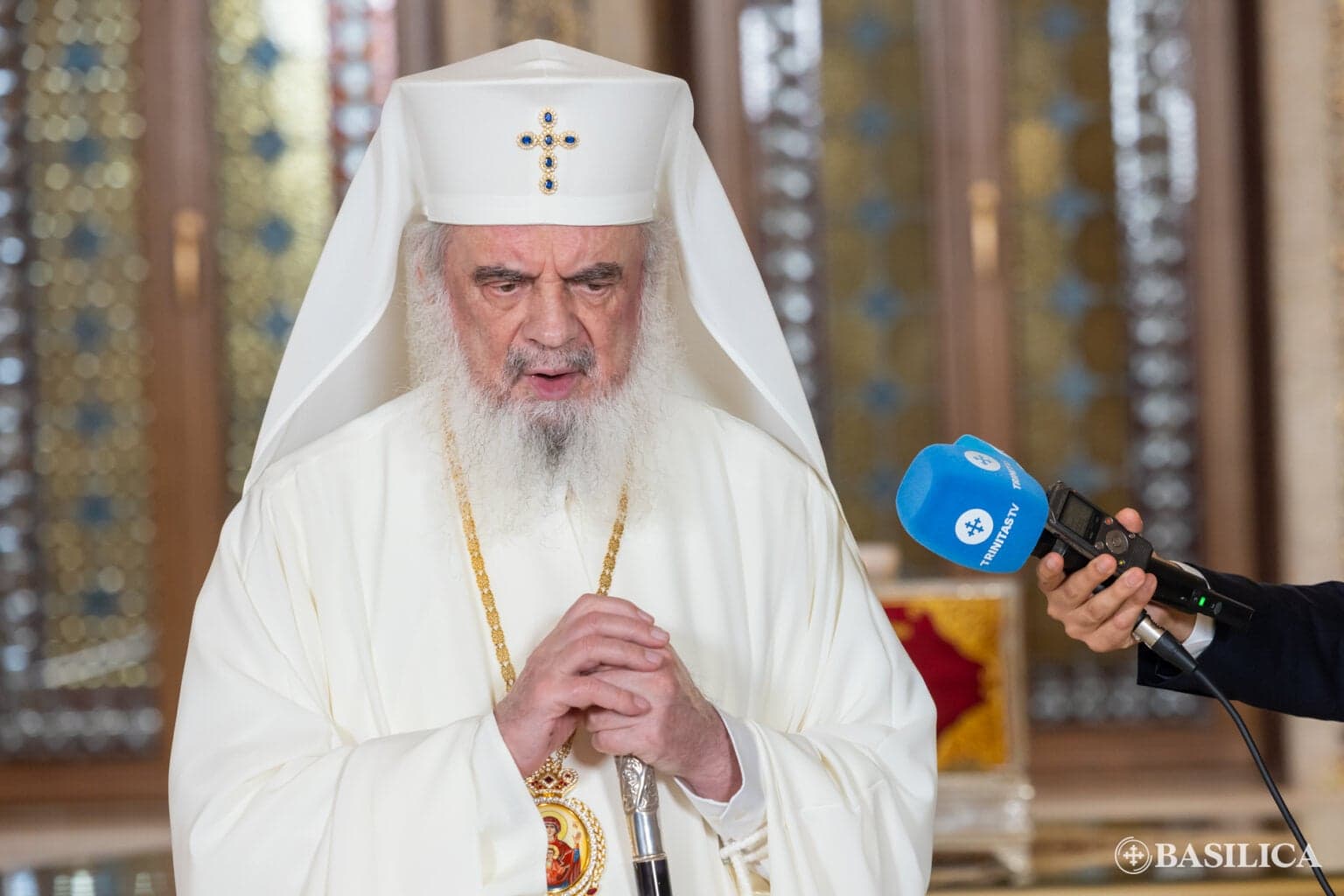
The proposal to canonise Saints Dionysius and Petronius was submitted by Patriarch Daniel to the Ecumenical Patriarchate in the context of the Romanian Patriarchate’s 100th anniversary.
Saint Sofian of Antim (1912-2002)
Born in 1912 in Cuconeștii Vechi, Bălți county, Saint Sofian (born Serghie Boghiu) entered monastic life at age 14 at Rughi Monastery. He studied at the monastic seminary at Cernica and at the Academy of Fine Arts in Bucharest, later becoming abbot of Antim Monastery.
He reposed in 2002 on the feast of the Exaltation of the Holy Cross and was canonised in 2024 by the Holy Synod of the Romanian Orthodox Church.
Saint Sofian of Antim is the first Orthodox saint who died in the 21st century to be officially canonised by any Orthodox Church, marking a historic first for the entire Orthodox world. His feast day is September 16.
Saint Dionysius of Colciu (1909-2004)
Elder Dionisie Ignat (1909–2004), from Botoșani, became a monk on Mount Athos at age 17, living 78 years as a hermit and spiritual father at the Cell of Saint George – Colciu. His funeral was attended by King Charles III of the United Kingdom, then Prince of Wales.
He was canonised by the Ecumenical Patriarchate in 2025 and is commemorated for his humility and wisdom on May 11.
Saint Petronius the Prodromite (1914-2011)
Elder Petroniu Tănase (1914–2011), formed at Neamț Monastery and a graduate of Theology in Bucharest, served as abbot of the Romanian Skete of the Honourable Forerunner on Mount Athos from 1984 until his repose.
“It is rare that I have met someone both cultured and humble at the same time, as Father Petroniu was,” remembered Metropolitan Serafim of Germany and Central and Northern Europe.
Canonised in 2025, Saint Petronius the Athonite is honoured for his learned and humble monastic life. His feast day is February 24.
Saint Antonina of Tismana Monastery (1923-2011)
Born on 7 March 1923, she was a “fool for Christ” at Tismana Monastery. She entered monastic life at the age of 26. She was assigned to tend the pigs, where she remained for forty years, praying unceasingly and practising asceticism in the forest — far from the church, but close to God.
She is known for her great zeal and deep devotion to the Mother of God and Saint Nicodemus of Tismana, as well as for being a great hesychast, endowed with the gift of working miracles.
She was canonised by the Holy Synod of the Romanian Orthodox Church during its July 1, 2025, meeting, with the title “Saint Antonina of Tismana,” and is commemorated on December 23, the day of her blessed repose.
Saint Elizabeth of Pasărea Monastery (1970-2014)
Schema-nun Elisabeta Lazăr of Pasărea Monastery (1970–2014) was a great hermit known for her prayerful life and spiritual gifts, being considered a miracle-worker.
Born on 7 May 1970 in Moldova Sulița, Suceava county, Rodica Lazăr embraced monastic life at a young age. At 15, she entered Pasărea Monastery near Bucharest, where she was tonsured a nun after three years and received the name Teodora.
In 2003, she withdrew to Mount Giumalău for a solitary ascetic life. In 2007, she received the Great Schema, becoming Schema-nun Elisabeta. She reposed on 6 June 2014.
Saint Elizabeth of Pasărea was canonised this summer by the Holy Synod of the Romanian Orthodox Church and is commemorated on June 5.
Saint Elizabeth of Pasărea is the most contemporary saint in all of Orthodoxy, having reposed in 2014, and is likely the only saint of such recent date to have already entered the Church’s iconographic tradition.
Remarkably, just eleven years after her passing, she is depicted not only in painted icons but also in a mosaic inside Romania’s National Cathedral — an extraordinary testament to the clarity of her sanctity and the profound spiritual impact she had on those who knew her.
Her swift and widespread veneration reflects the conviction among the faithful that her life of prayer, asceticism, and wonderworking grace stands as a luminous witness for the Church today.
Photo: Basilica.ro