Wednesday, 1 April, marks 85 years since the Fântâna Albă massacre, an event often referred to as the “Romanian Katyn”.
In April 1941, Northern Bukovina was part of the Soviet Union following the ultimatum issued to the Kingdom of Romania in June 1940.
The predominantly Romanian population was subjected to a campaign of arrests and deportations, and amid this climate of fear and insecurity, many Bukovinians attempted to flee to Romania to escape repression.
In the weeks leading up to the tragedy, rumours circulated that on 1 April the border with Romania would be opened to allow passage.
The Tragedy
On the morning of 1 April, between 3,000 and 5,000 people gathered in a column and set out towards the Romanian border.
Just three kilometres from the frontier, at a place called Varnița near Fântâna Albă, the column was ordered to stop, but was immediately met with machine-gun fire from multiple directions.
Survivors later recounted that the attack was systematic, and that many of the wounded were buried alive alongside the dead in mass graves that had been dug in advance. After the massacre, the site was ploughed over and planted with fir trees to conceal the traces of the atrocity.
Victims came from 16 villages in Northern Bukovina: Pătrăuții de Sus, Pătrăuții de Jos, Igești, Crasna, Ciudei, Budineț, Cireșul, Crăsnișoara Veche, Crăsnișoara Nouă, Bănila Moldovenească, Davideni, Carapciu, Cupca, Trestiana, Suceveni and Iordănești.
Men, women and children, both young and elderly, lost their lives.
Commemoration of the Victims
On 1 April 2011, marking 70 years since the massacre, a memorial was blessed at Putna Monastery in honour of the victims.
That same year, the Romanian Parliament established a National Day of Remembrance for Romanians—victims of the Fântâna Albă massacre and other atrocities, deportations, famine and forms of repression organised by the Soviet totalitarian regime in the Hertsa region, Northern Bukovina and Bessarabia.
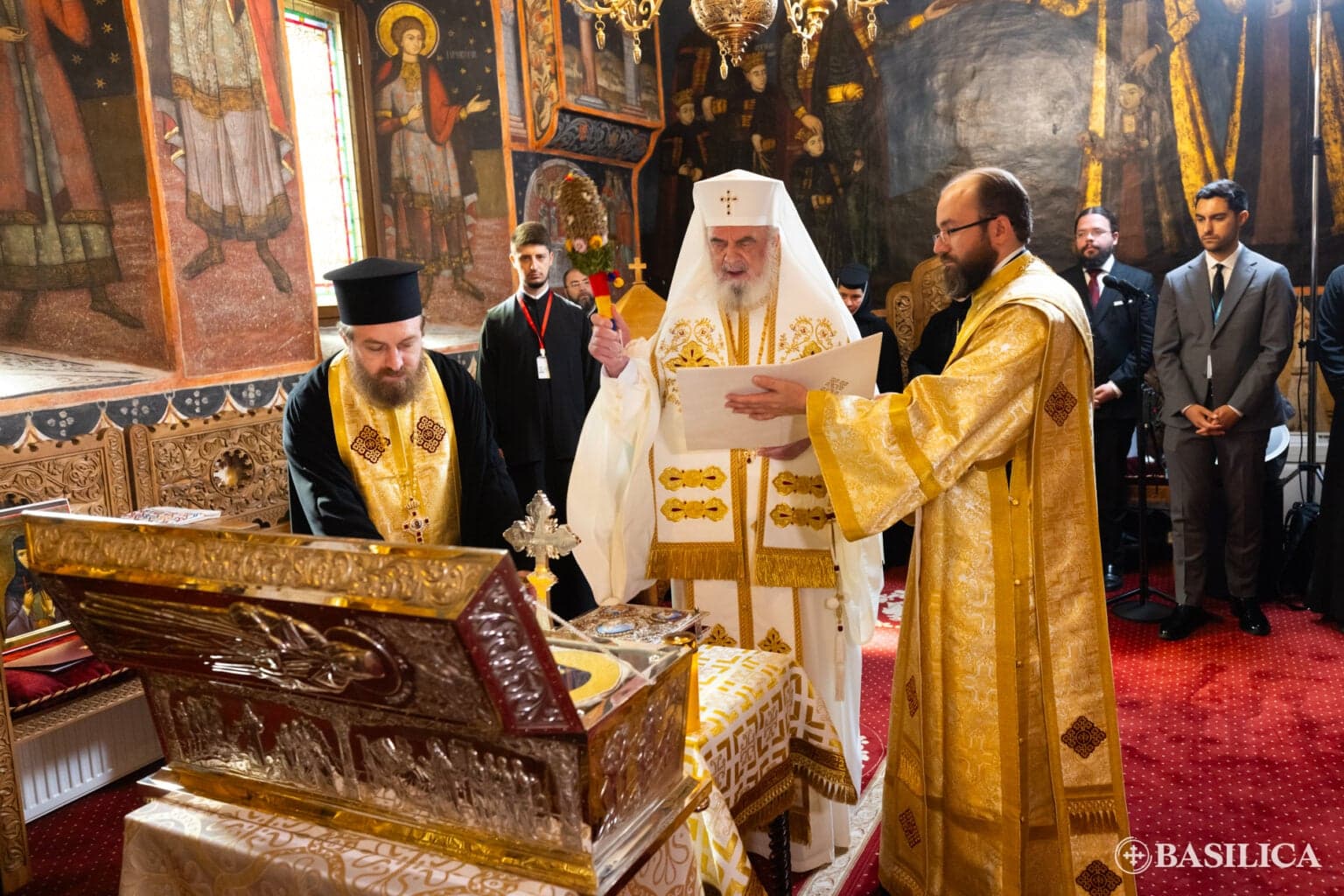
Each year, a memorial service is held at Putna Monastery in remembrance of the victims.
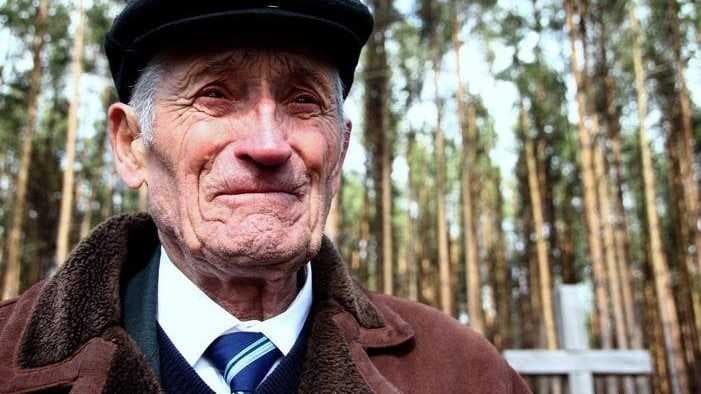
Photo: Petre Huțan, survivor of the Fântâna Albă Massacre. Credit: Cristina Nichituș Roncea