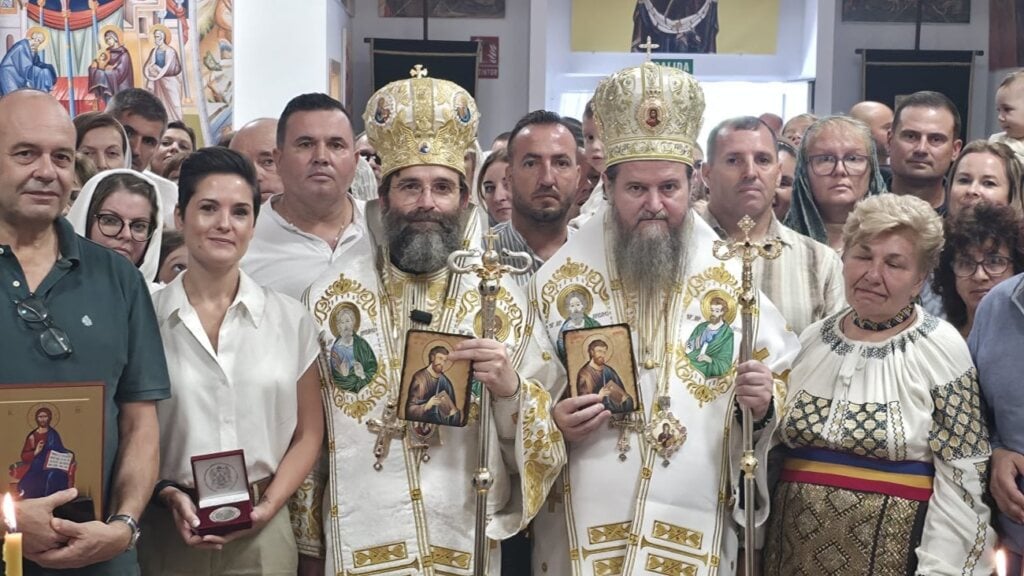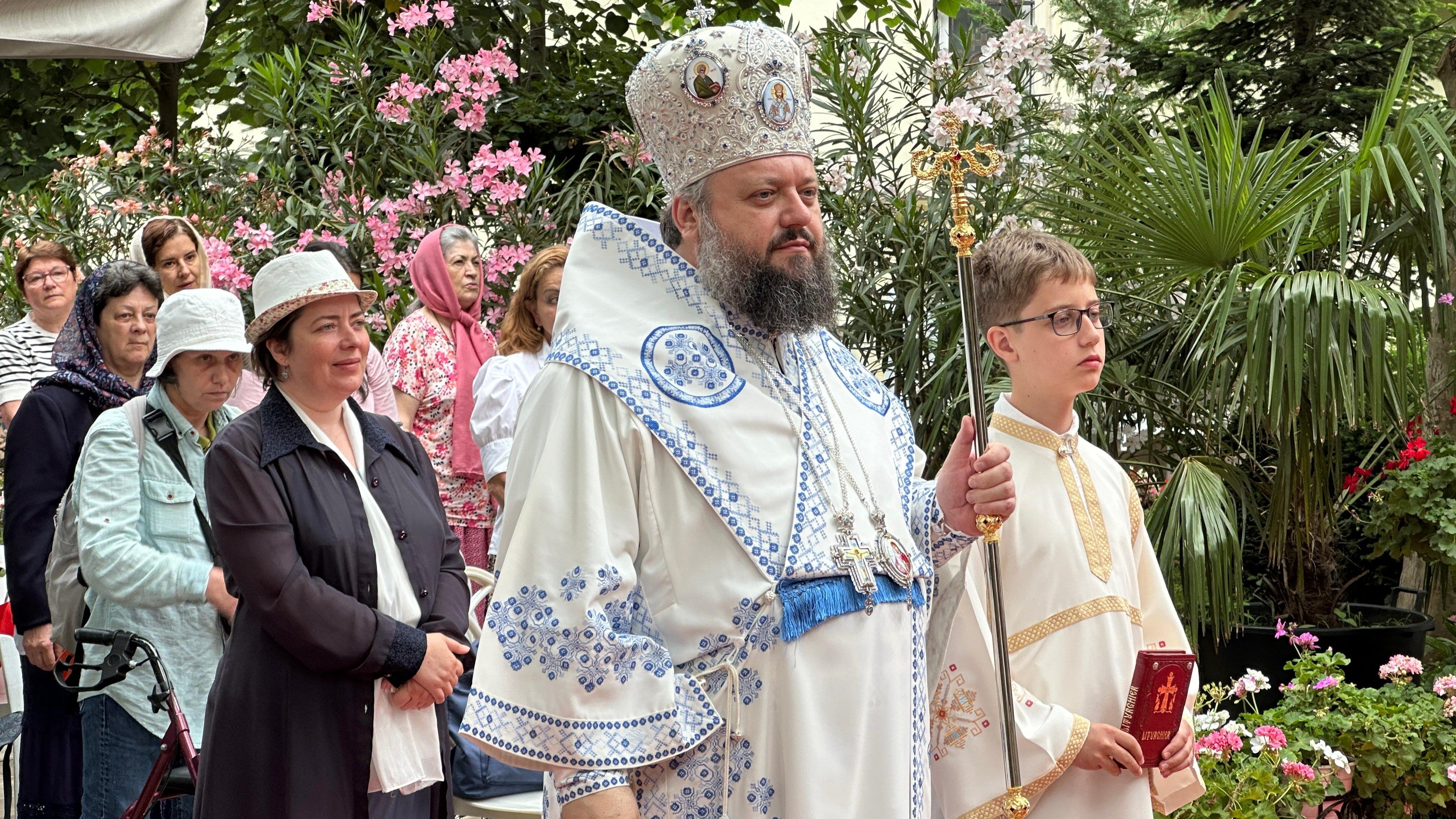
“Saint John the Baptist teaches us to make room for Christ in our lives,” Patriarchal Auxiliary Bishop Paisie of Sinaia said on Wednesday at the Chapel of Romania’s National Cathedral.
His Grace highlighted the unique mission of St John the Baptist in the history of salvation and the enduring relevance of his message.
“The birth of St John is not merely a family event, but the beginning of a divine work preparing the coming of Christ into the world.”
Drawing on the Gospel according to St Luke, the bishop reflected on the faith and patience of the righteous Zechariah and Elizabeth, who were granted a son in their old age.
“Here we see that God hears prayer, even when His answer appears to be delayed.”
“Zechariah and Elizabeth never ceased to believe, even though they bore the burden of childlessness for many years. Their lives teach us that God acts at the proper time and that patient faith never remains without fruit.”
The Prophet Who Prepared the Way of the Lord
Bishop Paisie explained the significance of the name given to the child announced by the Archangel Gabriel and the mission entrusted to him.
“John means ‘God gives grace’. God had already remembered His servants and was now pouring out His grace upon them. In Holy Scripture, a name often expresses a person’s calling and mission. John is the man of divine grace, chosen to prepare the coming of the Messiah.”
“Under the inspiration of the Holy Spirit, Zechariah then uttered a prophecy concerning his son: And you, child, shall be called the prophet of the Most High; for you shall go before the face of the Lord to prepare His ways. These words summarise the entire mission of St John the Baptist. He would not speak about himself, but about Christ,” His Grace added.
The bishop noted that St John occupies a unique place in the history of salvation.
“He is the last and the greatest of the prophets of the Old Testament. He is the bridge between the Old and the New Covenant.”
Reflecting on the Forerunner’s ascetic life, Bishop Paisie explained that the wilderness became the place where he was formed through prayer, fasting and self-denial in preparation for his mission.
“His simple and austere way of life would later become a model for the great ascetics of the Church.”
A Model of Repentance and Humility
The Patriarchal Auxiliary Bishop stressed that the message St John proclaimed on the banks of the Jordan remains as relevant today as ever. “He did not offer people complicated theories but called them to change their lives.”
“The repentance of which St John speaks is not merely sorrow for sins, but a transformation of mind and life. It means turning to God and renewing the heart. This message remains as relevant today as it was then. The world changes, but humanity’s need for repentance remains the same.”
His Grace also recalled that, although St John was honoured and followed by many people, he never sought glory for himself but rejoiced at the coming of the Saviour.
“True greatness lies not in being the centre of attention, but in showing Christ to others.”
“What is most striking about his life is his humility. When his disciples told him that more and more people were going to Jesus, John neither became distressed nor envious. Instead, he replied with joy: He who has the bride is the bridegroom, but the friend of the bridegroom rejoices greatly when he hears the bridegroom’s voice.”
Bishop Paisie concluded by encouraging the faithful to imitate the virtues of the Lord’s Forerunner.
“May the Good God, through the prayers of the Holy Prophet John the Baptist, help us to grow in faith, repentance and humility.”
Photo: Chapel of the National Cathedral