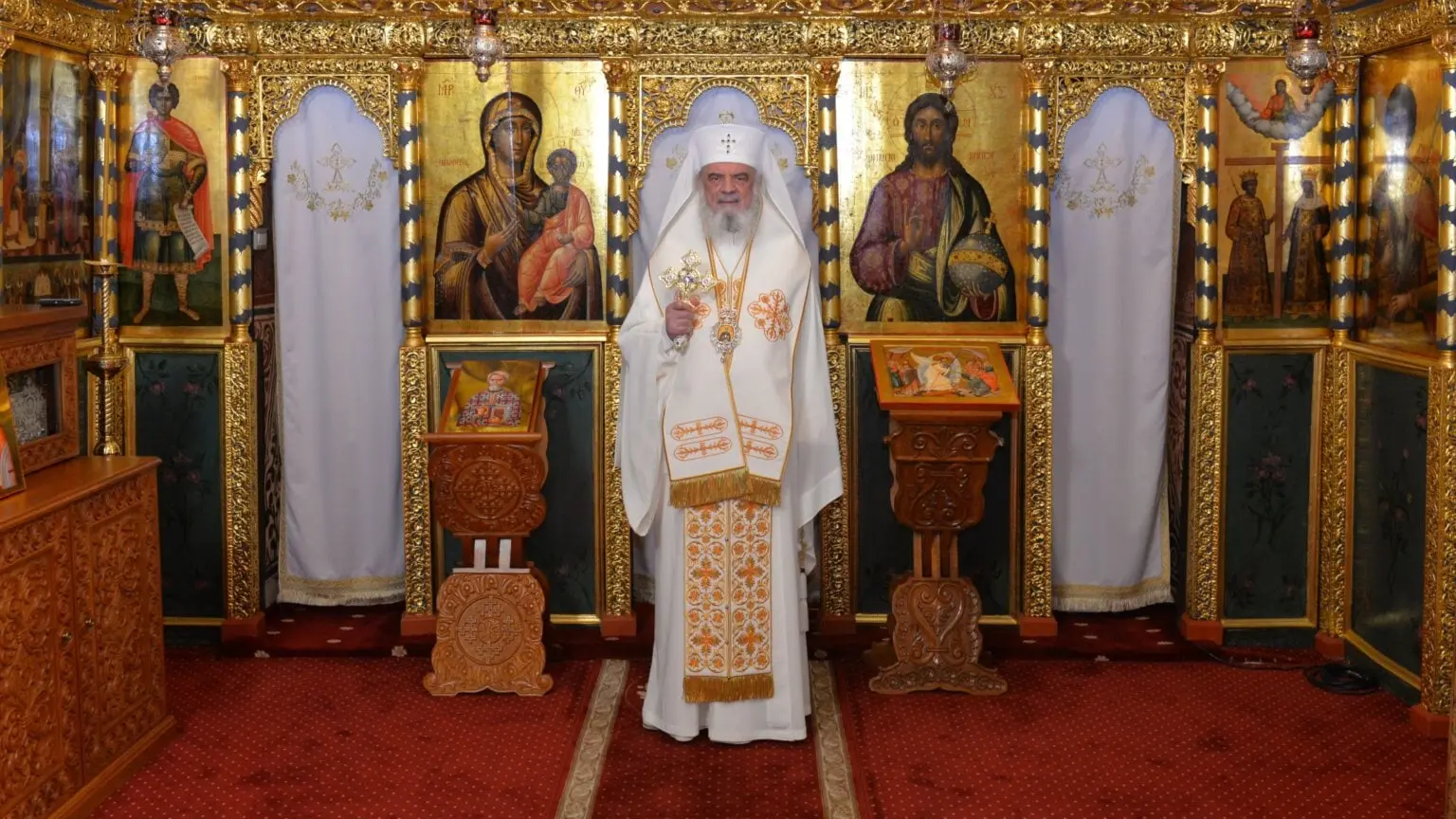
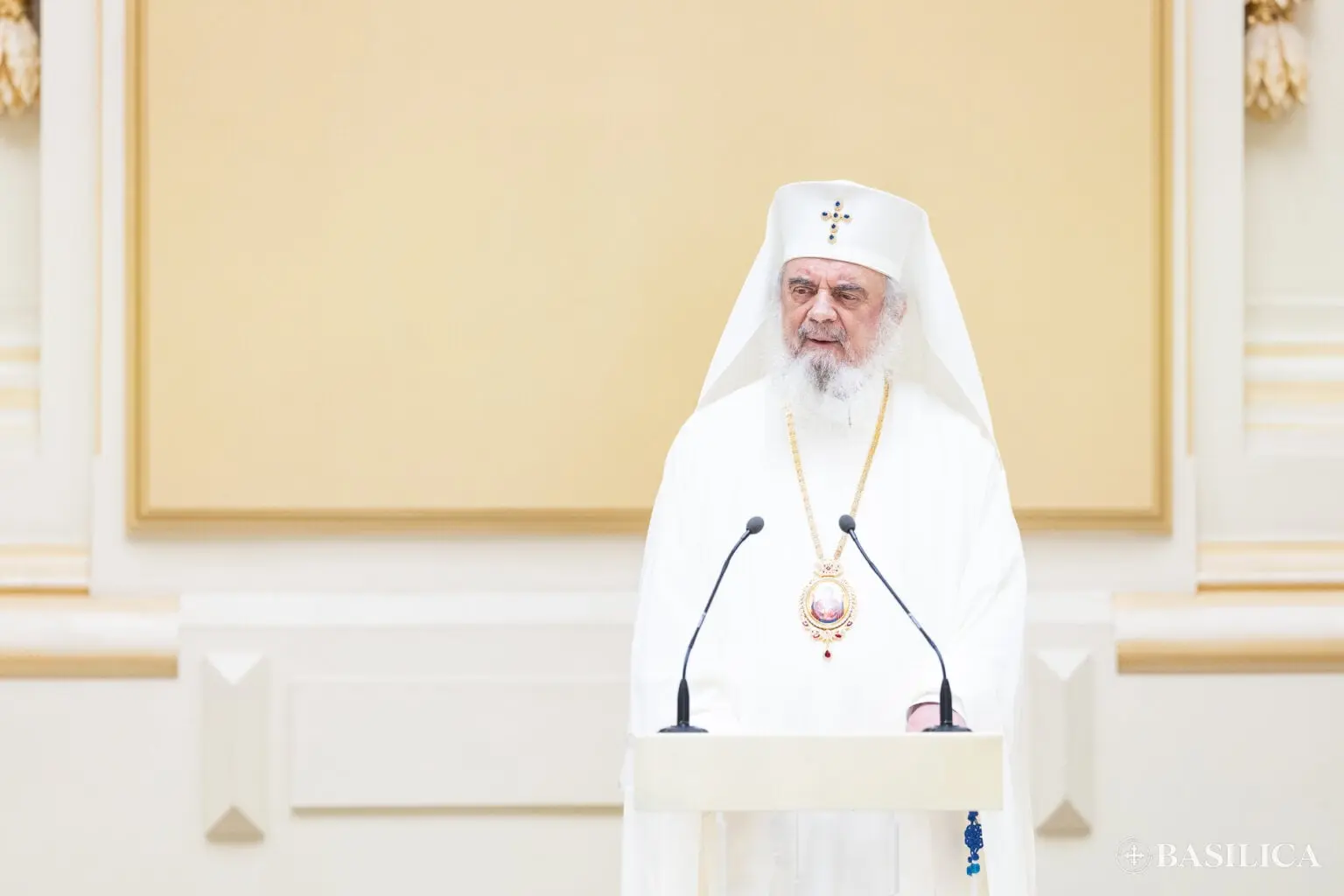
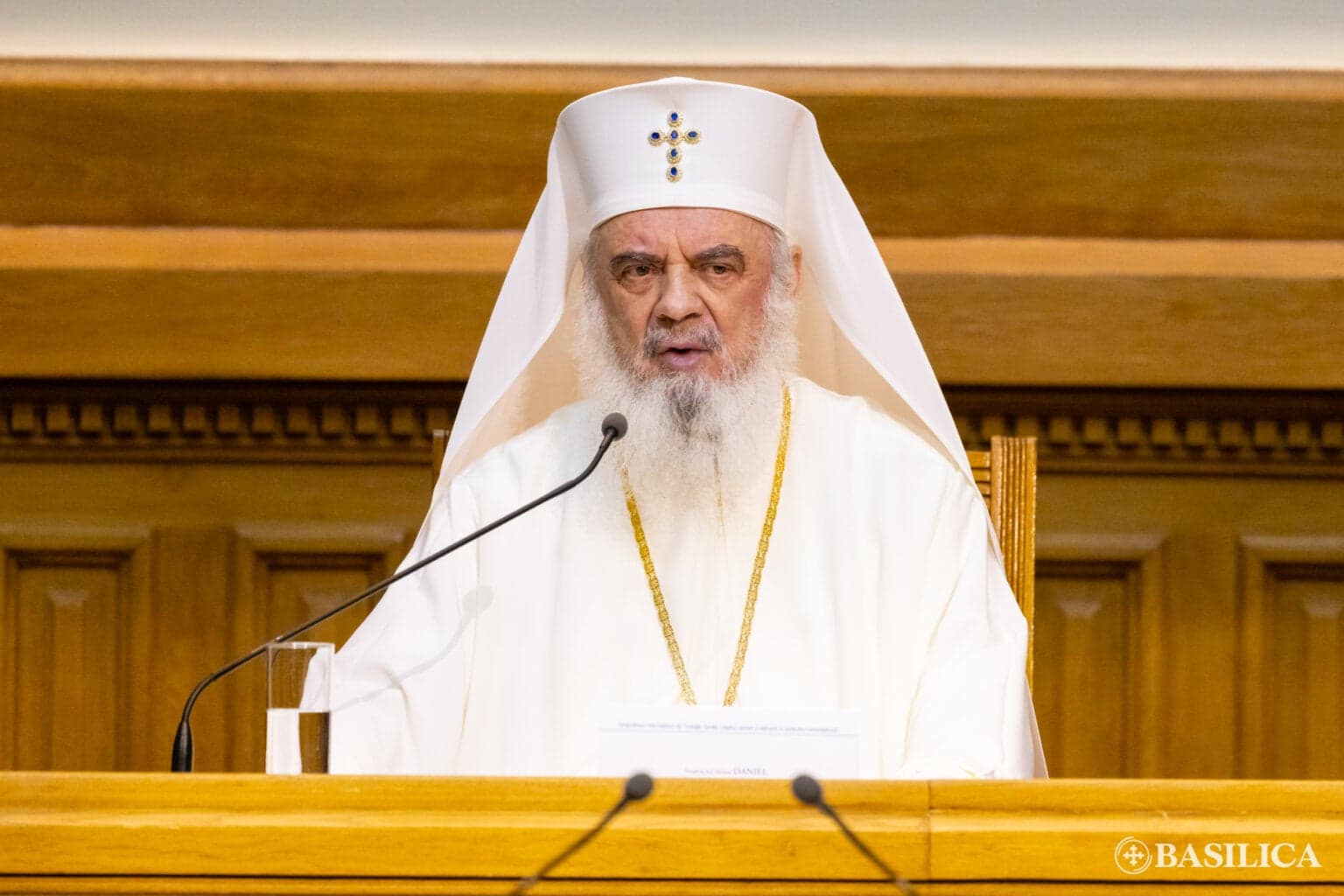
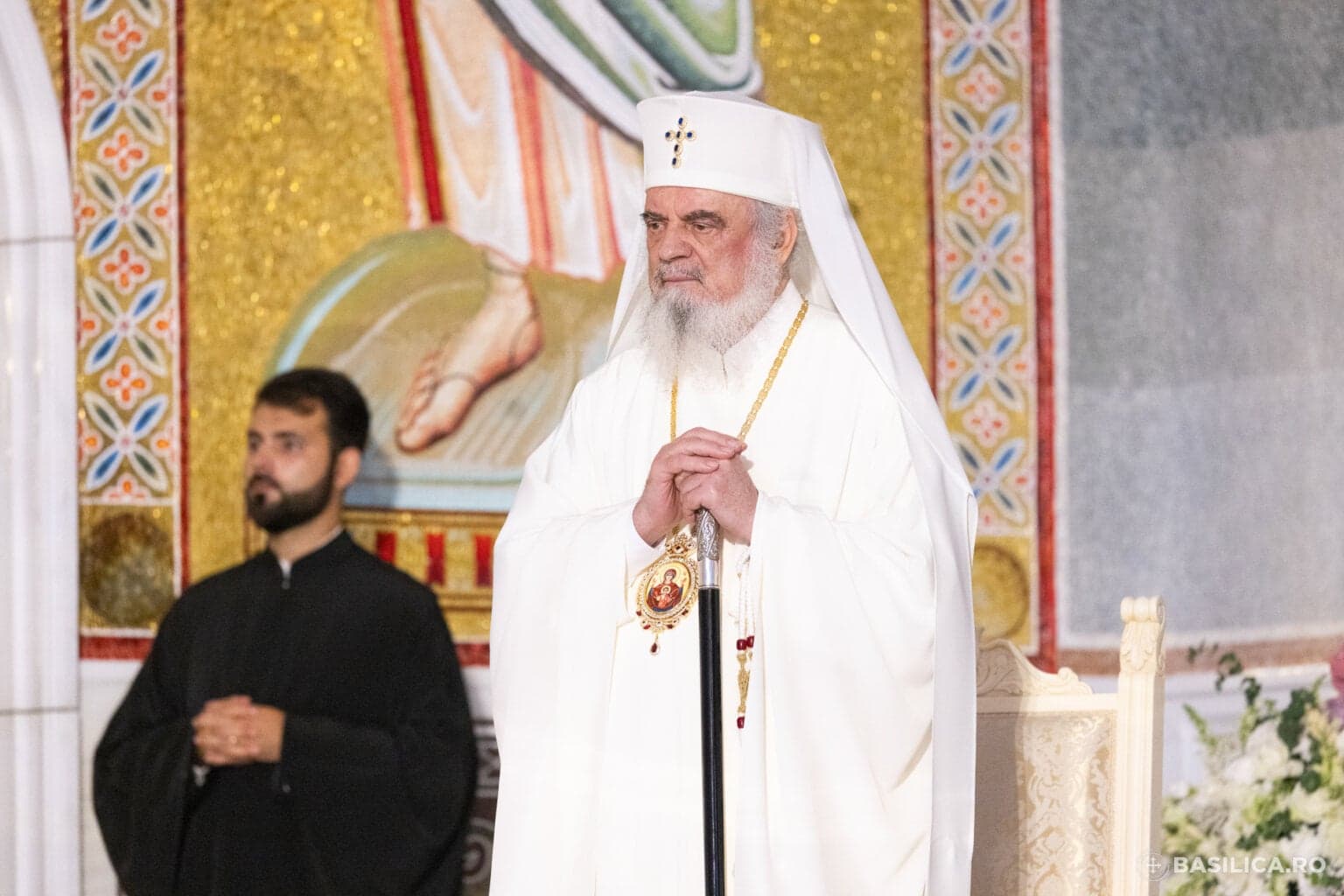
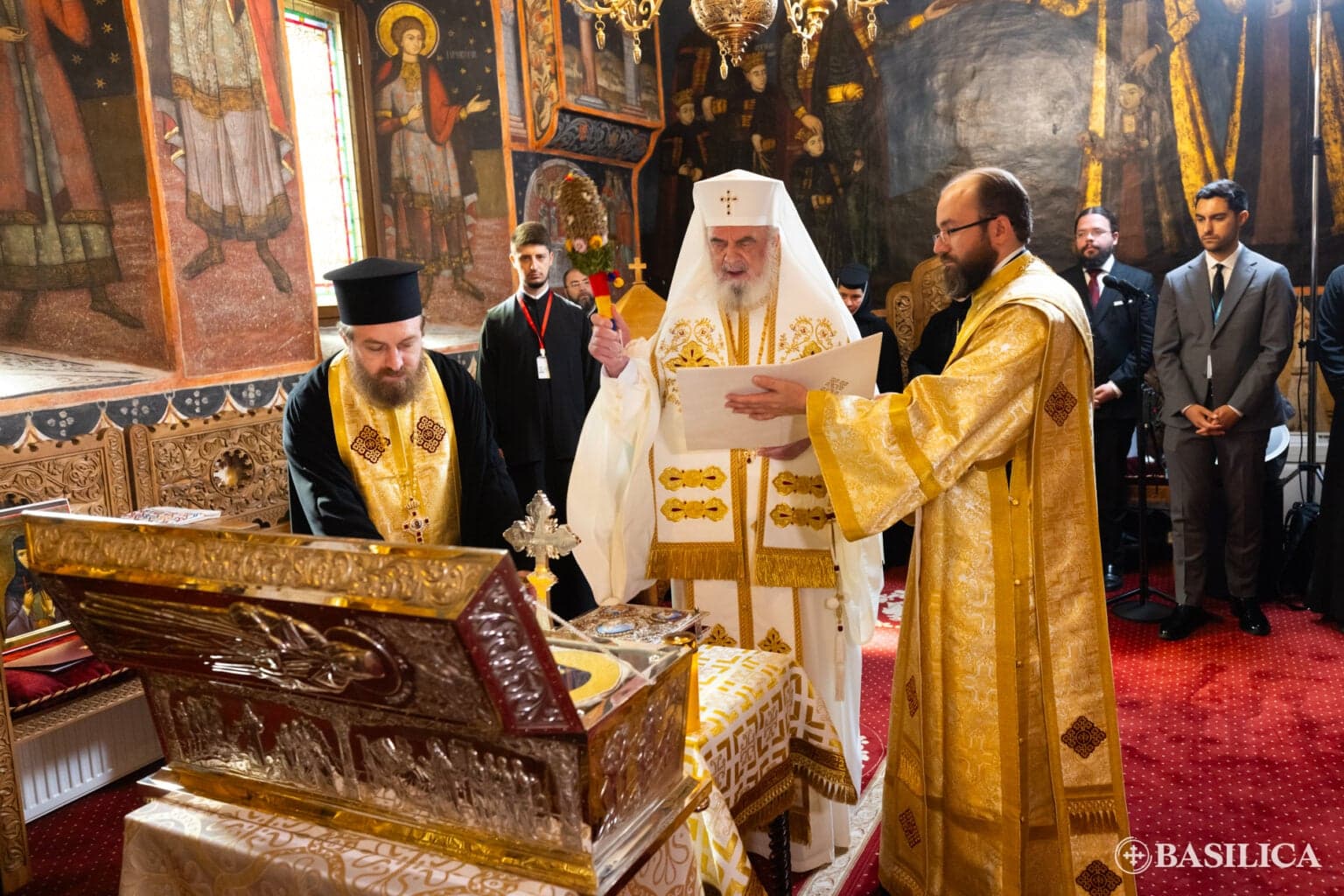
“St John the Baptist is a guardian and protector of families, and a helper of those who have no children,” His Beatitude Patriarch Daniel said on Wednesday, on the feast of the Nativity of Saint John the Forerunner.
His Beatitude recalled that the birth of St John was the fruit of the persevering prayers of his parents.
“The Priest Zechariah and his wife Elizabeth, who were advanced in years, suffered greatly because they had no children, yet they prayed fervently that God would grant them a child.”
Patriarch Daniel explained that the birth of St John the Baptist is a sign of God’s work in family life and of the power of prayer offered with faith.
“St John the Baptist is a spiritual man, born as the fruit of the prayers of his elderly parents, Zechariah and Elizabeth,” the Patriarch of Romania said.
A Call to Spiritual Renewal
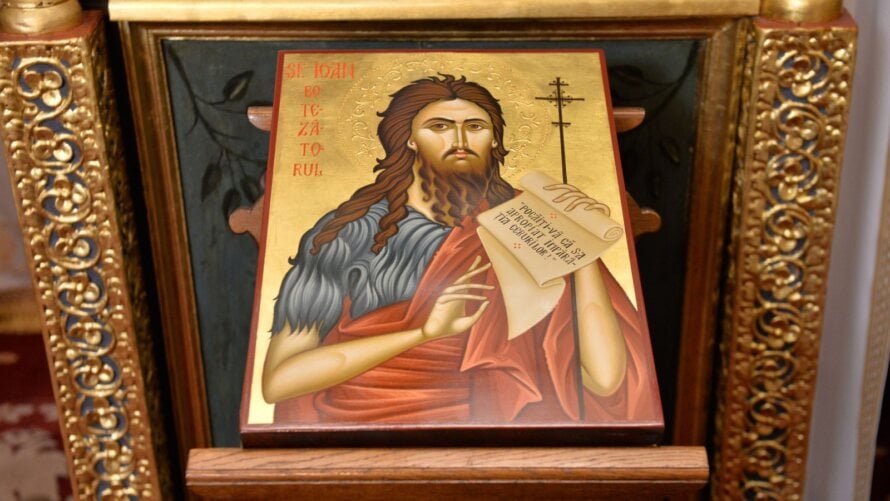
Patriarch Daniel explained that the Forerunner was foretold by the prophets of the Old Testament and sent to prepare the people for the coming of the Messiah.
The Primate of the Romanian Orthodox Church highlighted the ascetic life of St John the Baptist, who became a model for later monks and hermits through his life of “prayer, fasting and vigil”.
“He urged people to change their lives: those who were excessively greedy were called to become merciful.”
“St John the Baptist therefore calls us to spiritual renewal and to a transformation of our social conduct,” His Beatitude stressed.
The Prophecy of St John the Baptist’s Father
Patriarch Daniel also explained the prophetic words of St. John the Baptist’s father, the Priest Zechariah: “He will turn the hearts of the fathers to their children.”
“In the interpretation of the Holy Fathers of the Church, this means that Zechariah, the father of St John the Prophet, Forerunner and Baptist of the Lord, prophesied that some among the Jews would become Christians. In other words, the older generation would turn towards the new generation in Israel.”
“And this new generation, or the New Israel, is the Church, the generation of faith in Jesus Christ,” His Beatitude explained.
Missionary to the Daco-Roman Ancestors
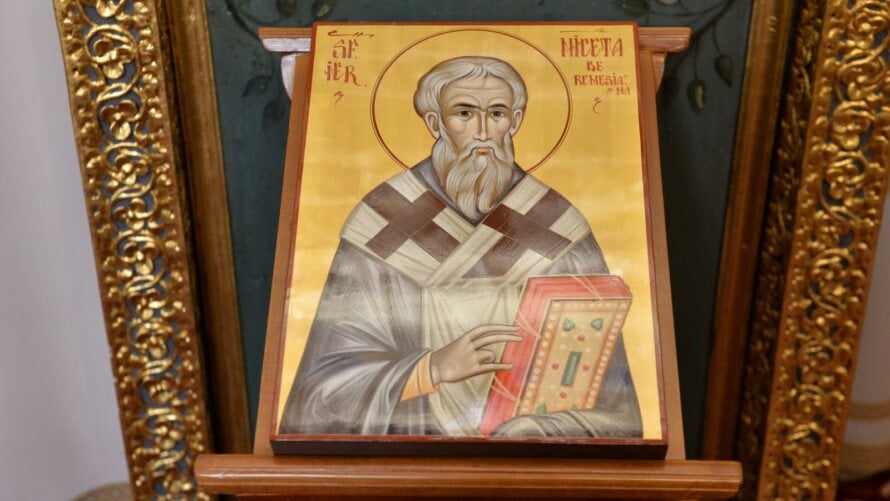
Patriarch Daniel also commemorated St Nicetas of Remesiana, one of the foremost missionaries to the Daco-Roman ancestors, whose feast is celebrated on the same day as the Nativity of St John the Baptist.
His Beatitude noted that St Nicetas carried out extensive missionary work among the peoples living north and south of the Danube and recalled his contribution to the development of Church hymnography.
“St Nicetas of Remesiana composed simple liturgical hymns in Latin that could readily be understood by the people. The best known of these, which has come down to us, is Te Deum laudamus – We Praise Thee, O God.”
An Unbroken Community of Faith
The Primate of the Romanian Orthodox Church also emphasised St Nicetas’ missionary labours.
“He defended the Orthodox faith, ordained priests, built churches and spread the faith among the Daco-Romans.”
“To this day, in the Timok Valley, along the Danube in Serbia, there are Romanian communities that have maintained an unbroken Christian life from the time of St Nicetas of Remesiana until the present day.”
“St Nicetas of Remesiana was therefore a diligent, wise, worthy and dynamic hierarch who devoted forty-eight years of missionary service to our Daco-Roman forebears,” His Beatitude said.
At the conclusion of his homily, Patriarch Daniel extended his good wishes to all those bearing the names of St John the Baptist and St Nicetas of Remesiana, encouraging them to follow the example of these great confessors of the faith.
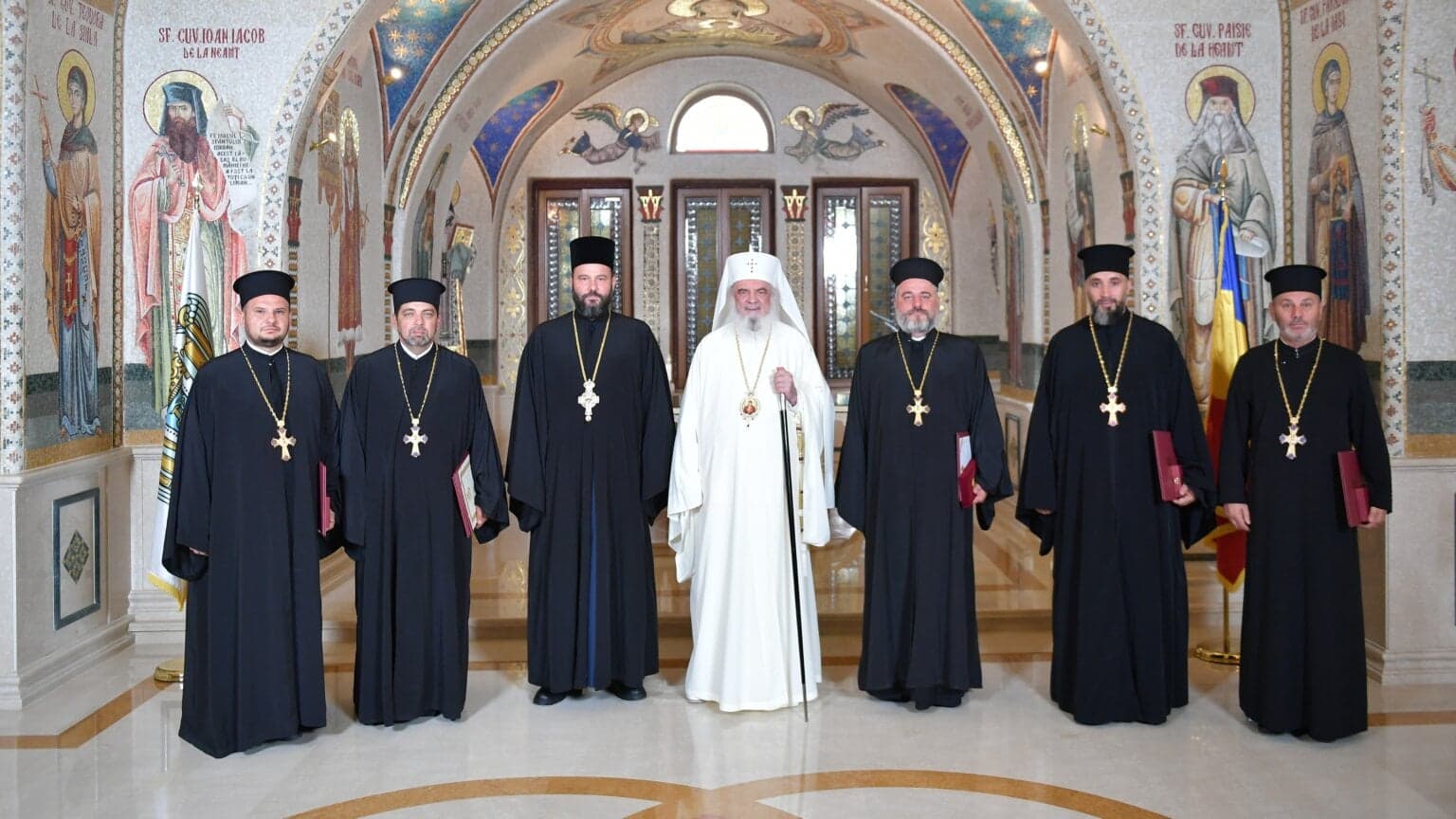
Patriarch Daniel participated in the Divine Liturgy celebrated at the historic Chapel of St George at the Patriarchal Residence.
Photo: Lumina Newspaper