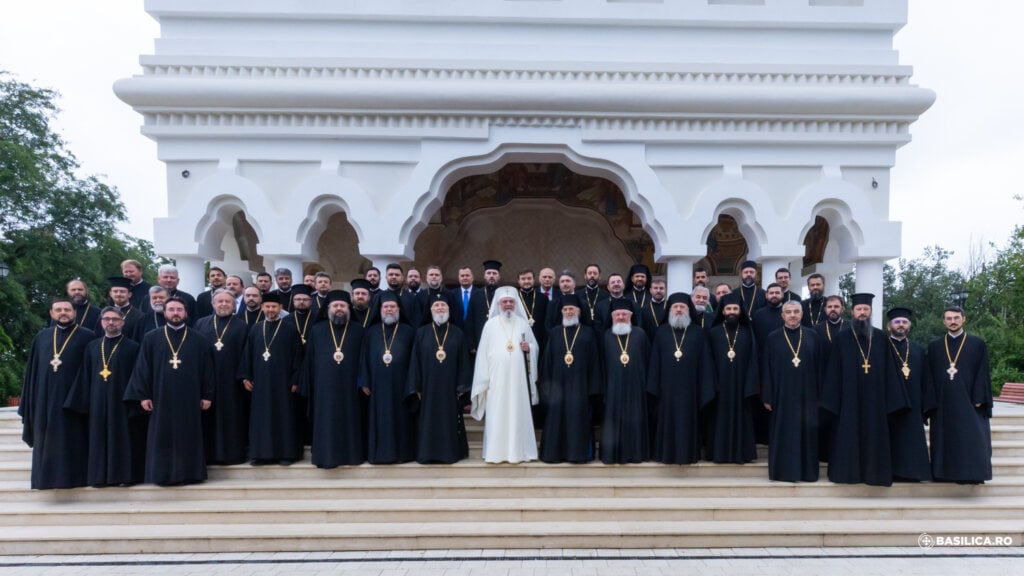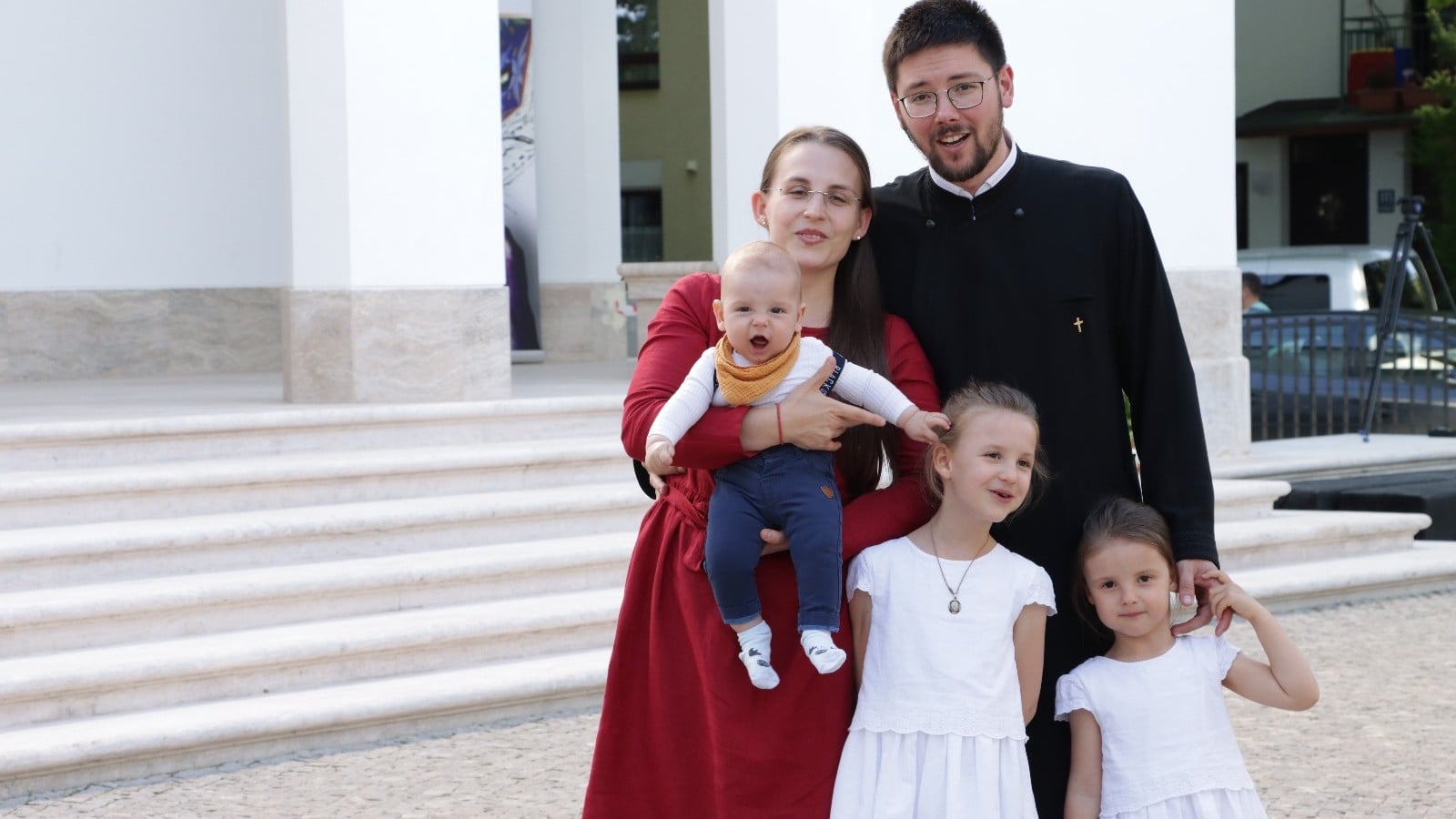
In an interview hosted by the Basilica News Agency, Alexandra Nadane, President of the Romania for Life Association, speaks with Bianca Deaconu — a mother of four and the wife of a priest at the Romanian Orthodox Church Centre in Munich — about the intertwined vocations of family life and ecclesial service in the diaspora.
Reflecting on her experience in a vibrant Orthodox community in Germany, Bianca Deaconu addresses the challenges faced by Romanian women confronting crisis pregnancies abroad, the cultural and institutional realities surrounding motherhood in Bavaria, and the essential role of the parish community in sustaining both mother and child.
Drawing from her involvement in charitable initiatives and the work of the St Basil Association attached to the Church Centre, she offers a deeply personal yet theologically grounded perspective on parental love, communal responsibility, and hope rooted in Christ.
The conversation highlights the indispensable support of family, spiritual fathers, and parish life, while affirming a core conviction: that authentic community, animated by faith and love, becomes the most secure refuge for women in difficulty and the surest foundation for children’s growth.
Interweaving Vocations: Mother and Priest’s Wife in the Diaspora
Alexandra Nadane: You are a mother and a priest’s wife, actively involved in the life of the Romanian Orthodox community in Munich. How do these two vocations intertwine in daily life?
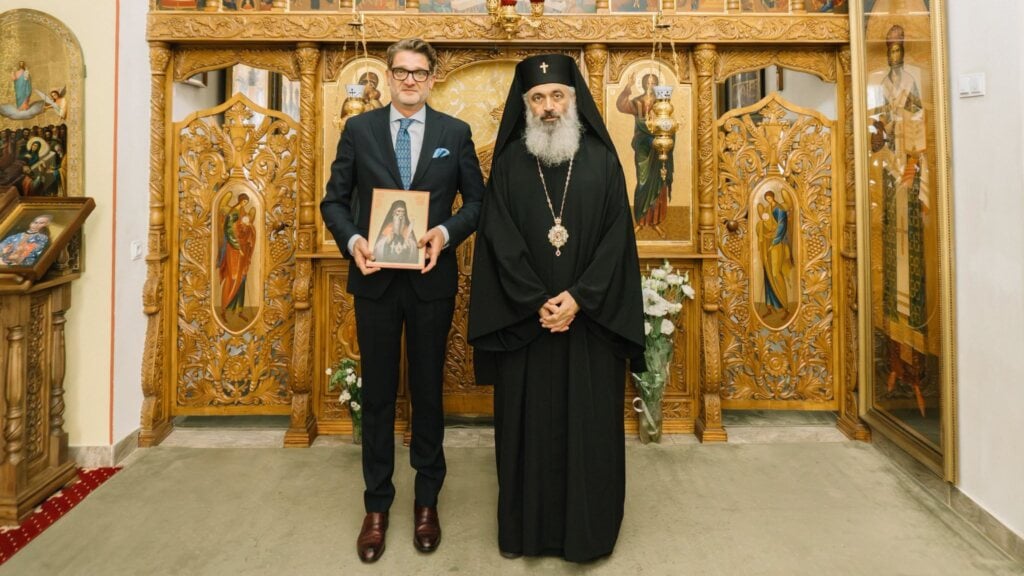
Bianca Deaconu: In the nearly five years since my husband was ordained to serve at the Romanian Orthodox Church Centre in Munich, the roles of wife, mother, and priest’s wife — with all that the latter entails in a community marked by constant and rich activity — have merged almost organically.
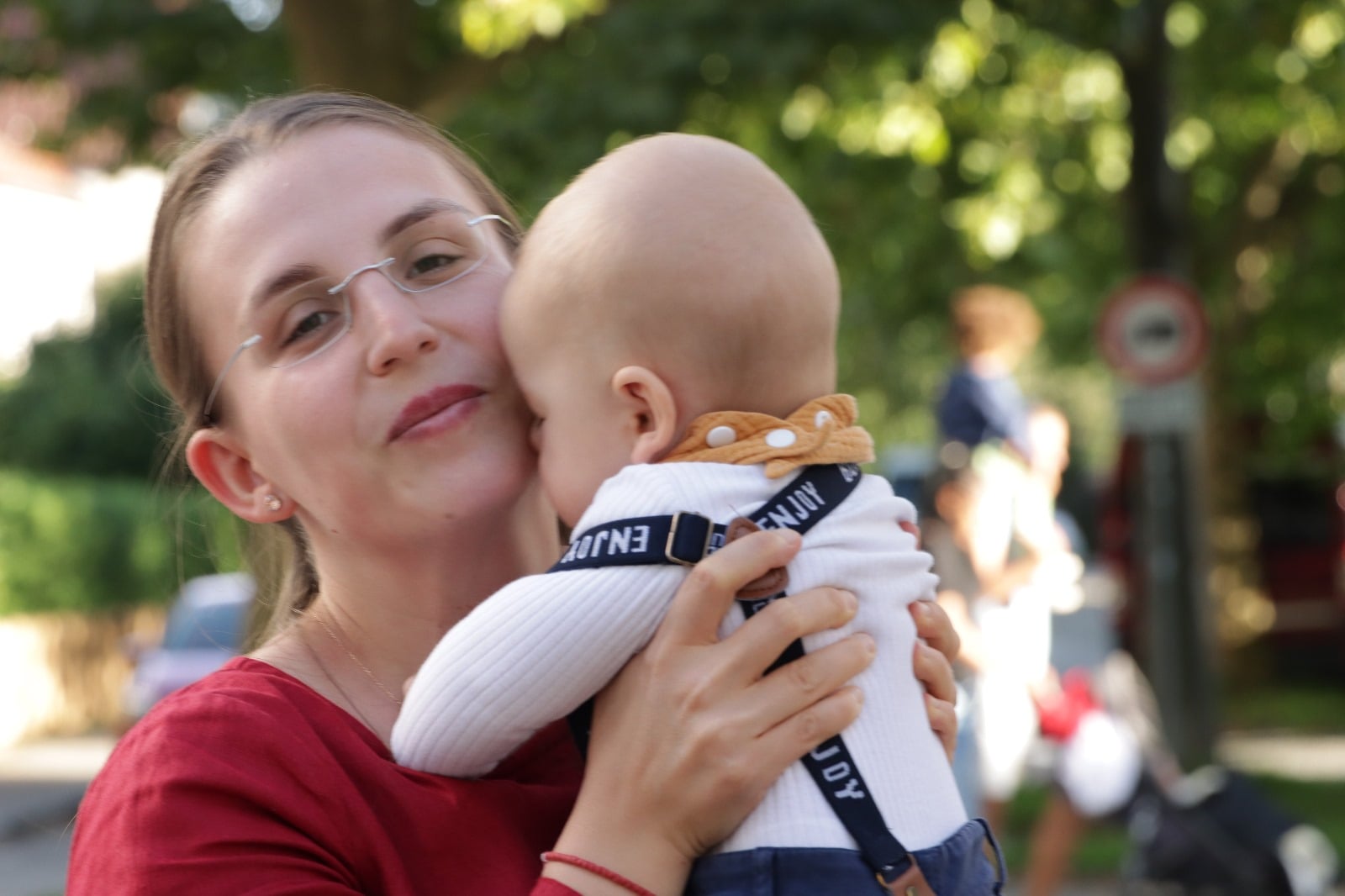
Our four children are growing up anchored in the social realities of the diaspora, yet strengthened by the love, communion, and vitality of the community in which God has placed us.
Together, from the youngest to the eldest, we have embraced the joys, ideals, and needs of the Centre, and in turn, we have been protected, supported, and encouraged in difficult moments. In striving to fulfil our role as the priest’s family within the diocese, we gained a new, extended family—one formed through spiritual bonds—that somewhat eases the longing for the family we left behind in Romania.
It is not easy to reconcile all these roles, nor do I claim to do so perfectly. Yet I sincerely strive to carry out each responsibility to the best of my ability, firmly believing that God compensates for my shortcomings and weaknesses when He sees my effort and good intentions.
The Challenges Facing Pregnant Romanian Women in Germany
Alexandra Nadane: In Romania and in the diaspora alike, when many young women discover they are pregnant, they fear the reaction of those around them and the difficulties that may follow. Are crisis pregnancy situations more complex in the diaspora? What specific challenges do Romanian women in Germany face?
Bianca Deaconu: Life in the diaspora does not shield women from concerns regarding the material and non-material means of raising children. Of all the German federal states, Bavaria offers the most extensive range of facilities — including financial support — for pregnant women, mothers of young children, and large families.
There is psychological counselling (sporadic and, in my view, insufficient), financial supplements to child benefits, tax reductions, time-limited bonuses, and free medical services.
Nevertheless, the unborn child is not regarded as a fully human person; his or her right to life is not equal to that of a child already born. Mothers are advised to view pregnancy as they would any other life event, with both positive and negative implications, which may be weighed in order to decide whether to continue or terminate the pregnancy.
Mothers in Germany often lack sufficient support groups and the love of a united community — except for those who belong to Christian communities — as well as institutions that instil confidence that any obstacle can be overcome through a woman’s own strength and hope in God’s help.
At the same time, limited knowledge of German often prevents pregnant women from accessing the information and institutions that could assist them during a crisis.
Moreover, in pursuing a better life, economic stability, and professional advancement, many women become isolated. They are no longer able to sustain authentic friendships that could lead to a genuine support network.
Encounters That Leave a Lasting Mark
Alexandra Nadane: Has there been a particular situation or encounter that remained deeply in your heart in connection with supporting a woman in a crisis pregnancy or a mother in difficulty?
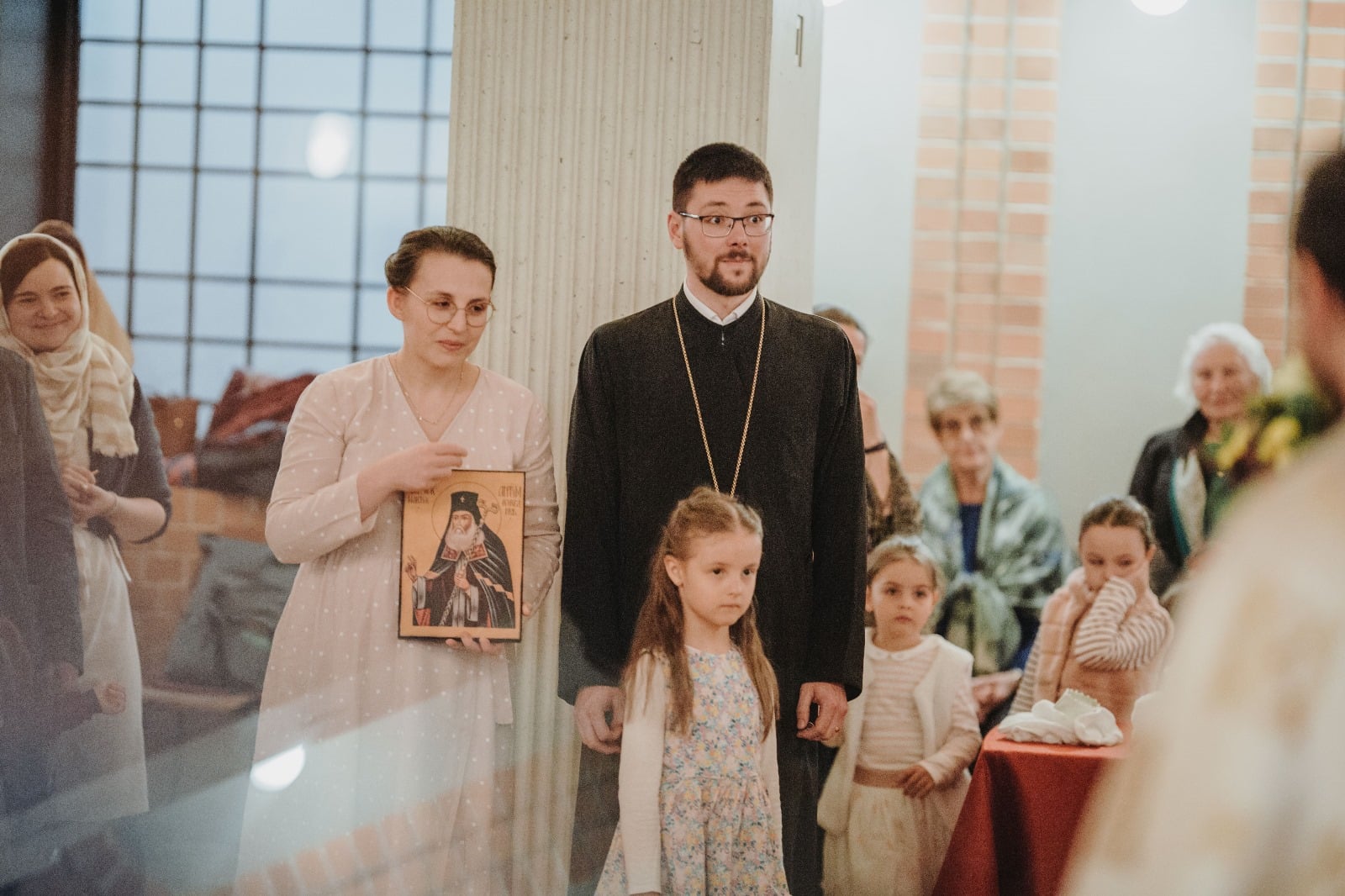
Bianca Deaconu: Every encounter with such a woman, however insignificant it may appear, leaves a lasting imprint on my soul or on the hearts of the members of the association attached to our Church Centre — the St Basil Association: “Help for One’s Neighbour” — through which we offer concrete spiritual, moral, and financial support to women in crisis pregnancy and to people facing various forms of hardship.
It is impossible to remain indifferent to the measure of love these women are capable of. It is a love that surpasses fear, abuse (in its many forms), loneliness, or the pursuit of personal comfort. In seeking help, these women offer the most beautiful testimony of a mother’s love. From the moment the child measures only a few millimetres or weighs only a few grams, the mother places him at the centre of her concerns. Her whole universe revolves around the development of a miracle clothed in flesh, regardless of how difficult her own circumstances may be.

More often than not, these children prove to be the light at the end of a road marked by material deprivation, violence, distrust, and bitterness. Through and for them, the mother rises from her circumstances, building a secure future for herself, her child, and, where siblings exist, their siblings.
It is always a joy and an honour to meet these women and to be part of their becoming. Each of them motivates me to grow more attentive and more committed in all that I undertake in this field.
The Community’s Essential Role in a Pregnant Woman’s Journey
Alexandra Nadane: What role can a community — the parish, extended family, friends — play in supporting a pregnant woman to move forward with confidence?
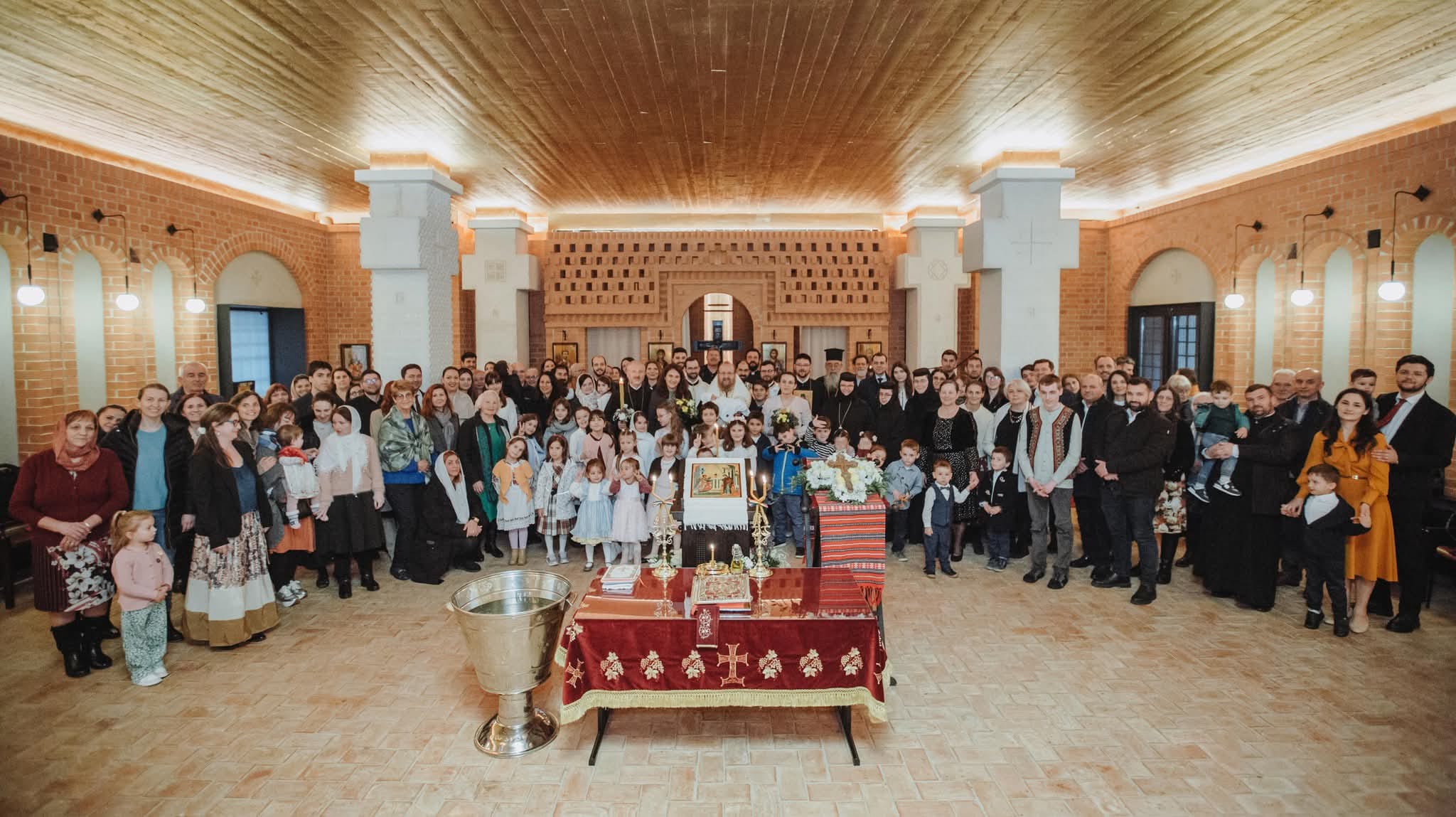
Bianca Deaconu: Whether in the absence of, or alongside, an involved partner — depending on the particular circumstances — the community plays an essential role in shaping the course of a woman facing a crisis pregnancy. It is the most secure support she can turn to. For this reason, it must constantly provide simple, accessible solutions with immediate effect. The community becomes a wellspring of confidence in a more secure tomorrow, fulfilled through the birth of the child and his upbringing in a healthy environment.
The community must assume responsibility for being attentive to the pregnant woman’s spiritual and psychological state, drawing near with a kind word, rational counsel, physical presence, or material support in difficult moments.
Strength in Difficult Times
Alexandra Nadane: What helped you personally, as a mother, to persevere through difficult moments?
Bianca Deaconu: First and foremost, my husband has always been the one upon whom I could rest, without exception, my worries, fears, and weaknesses.
Then our spiritual fathers were those who consistently found the right means to strengthen us. Our extended family met our needs at the proper time. Friends and the Church Centre community were a source of joy, confidence, and strength.
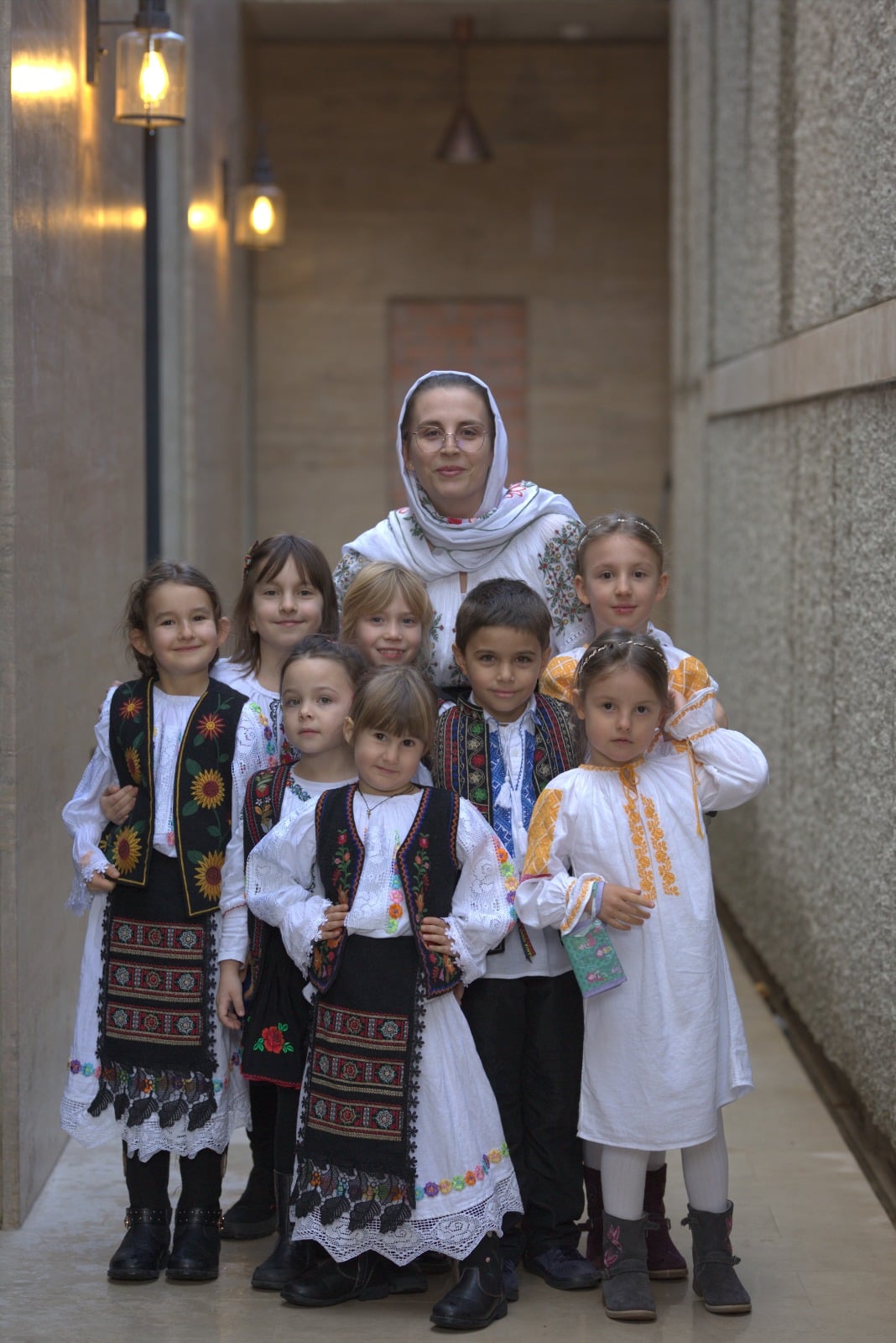
Looking at things objectively, we confirmed the truth of the well-known saying, “It takes a village to raise a child.” Only together with those we love can we overcome the obstacles that arise, remaining whole and steadfast in every respect.
Photo: Personal archive