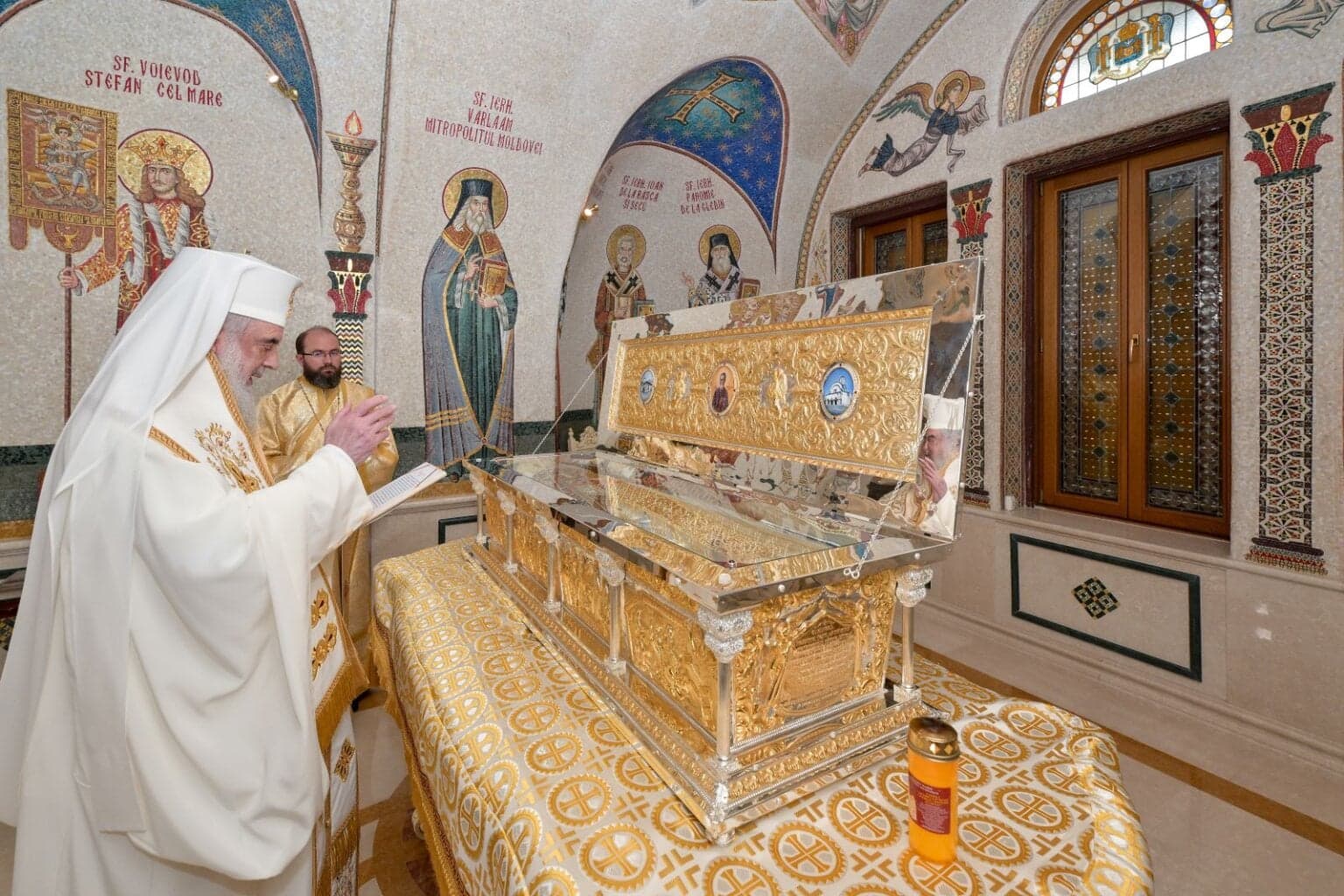
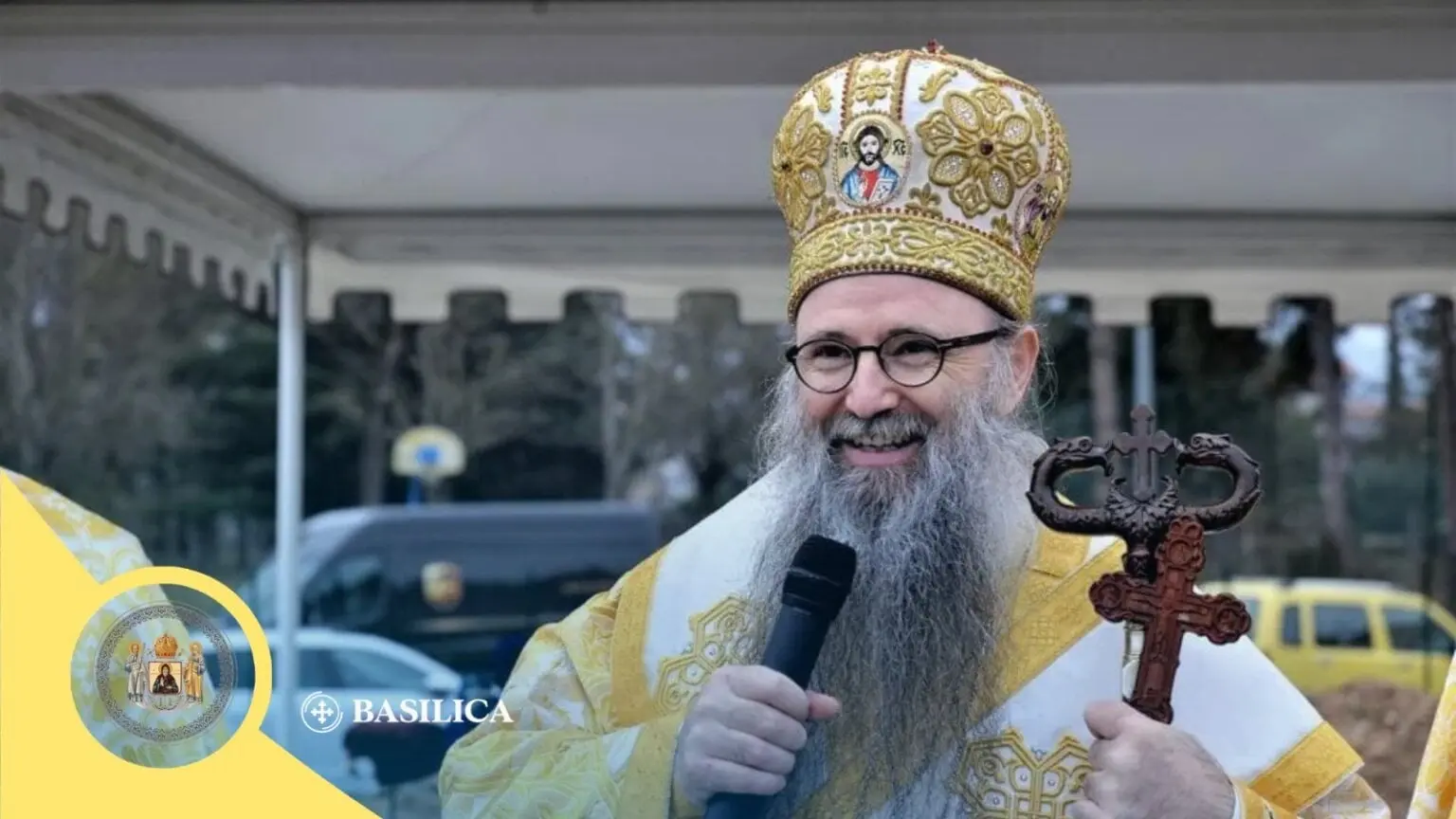
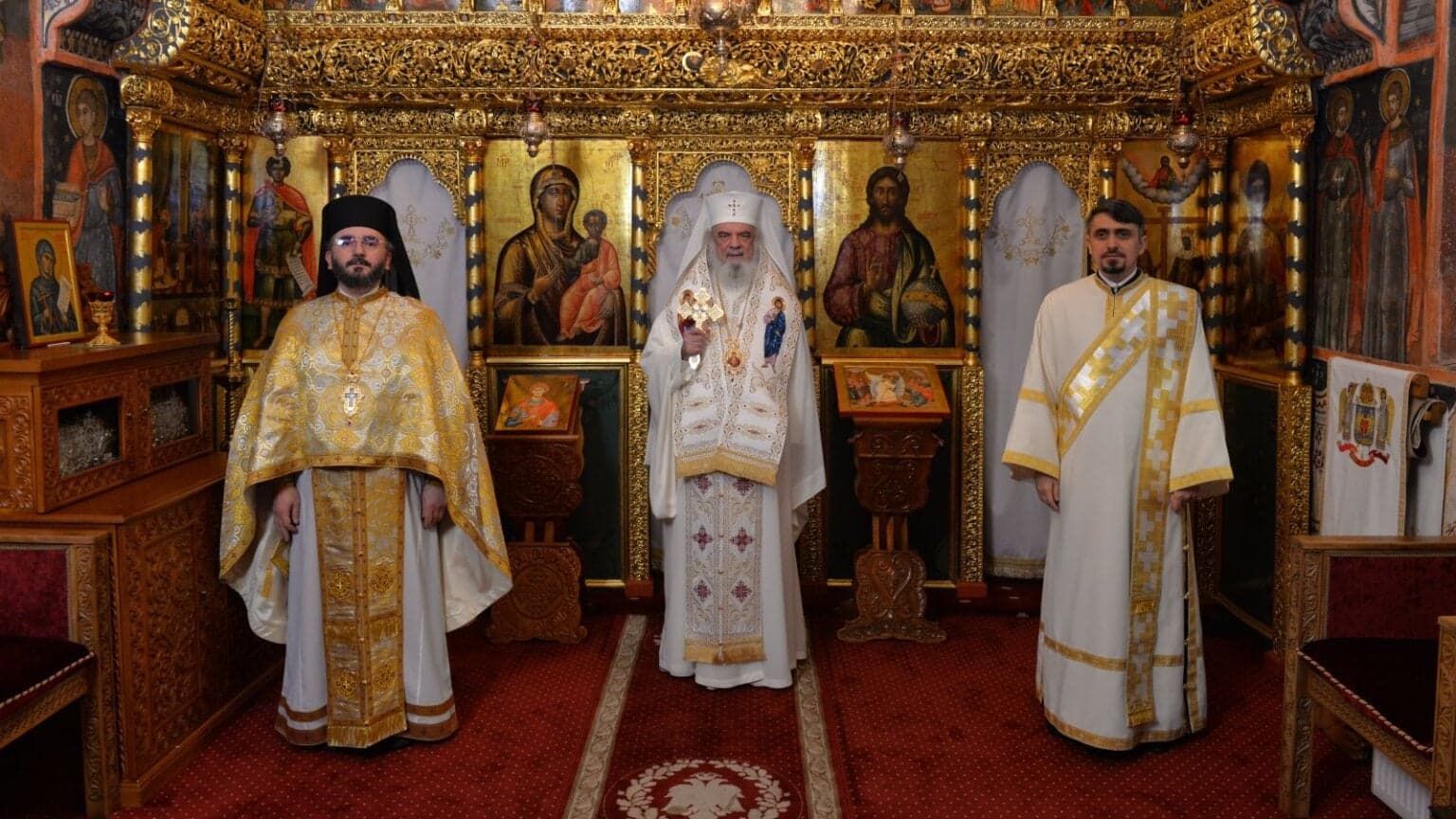
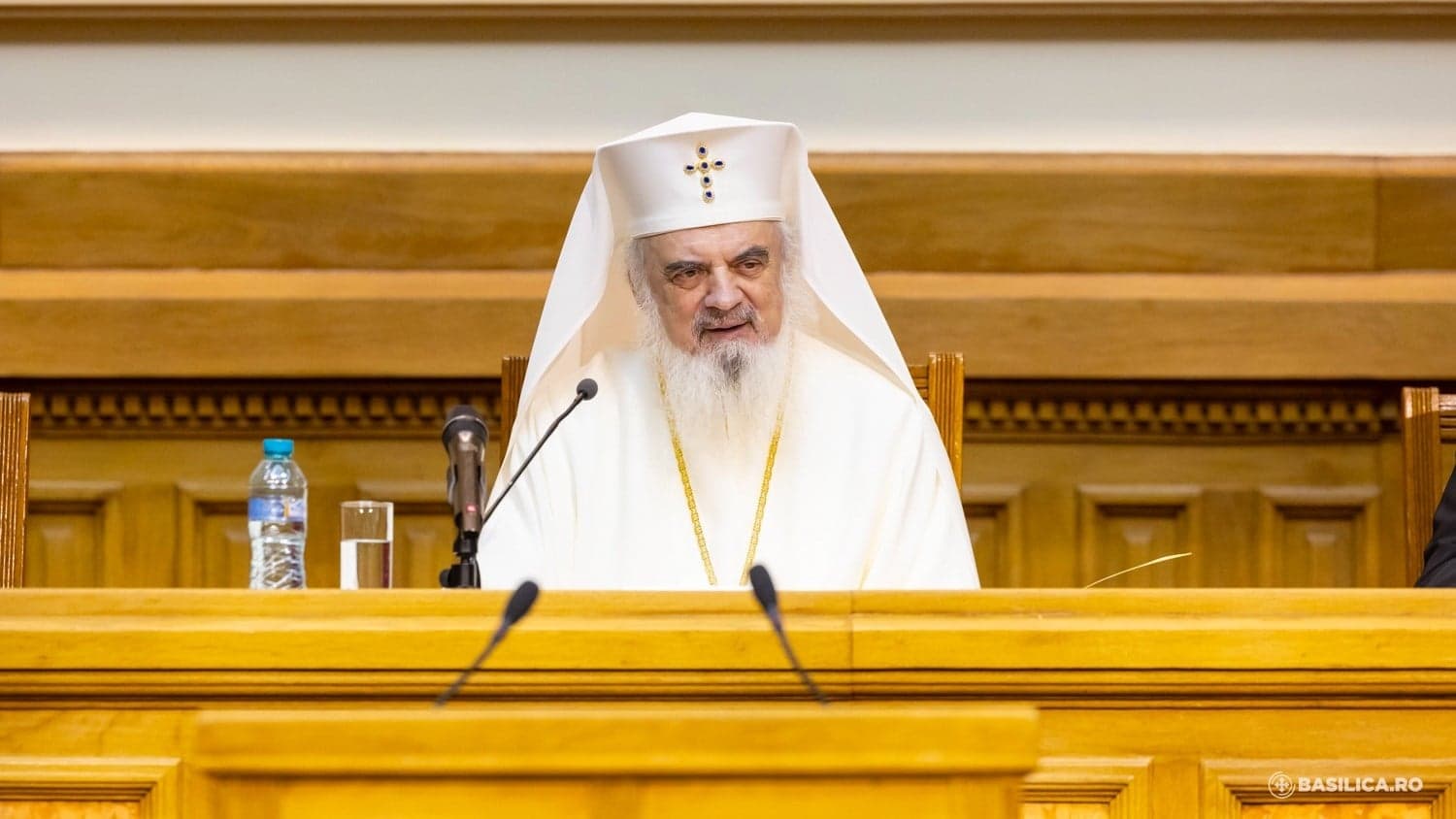
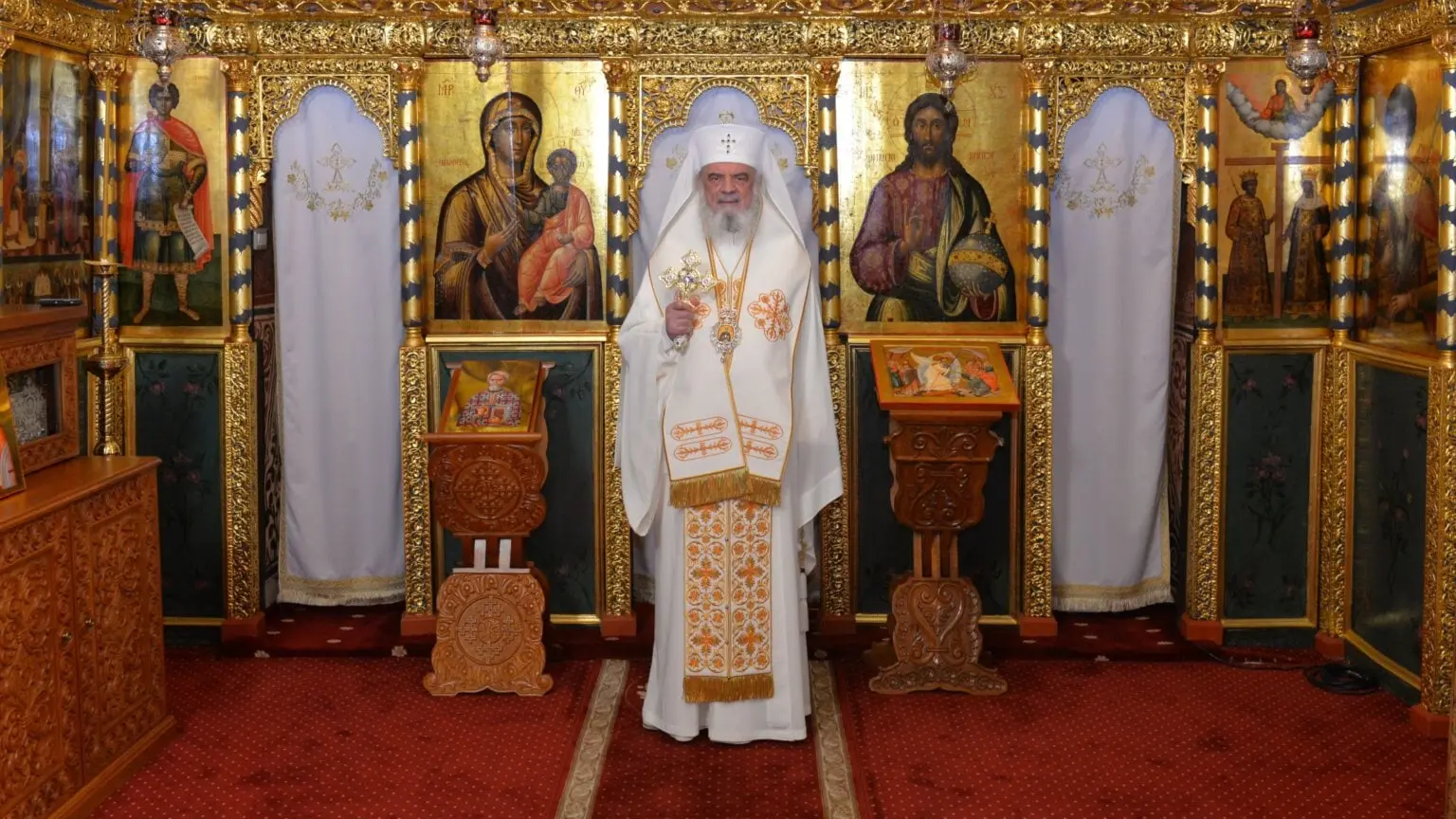
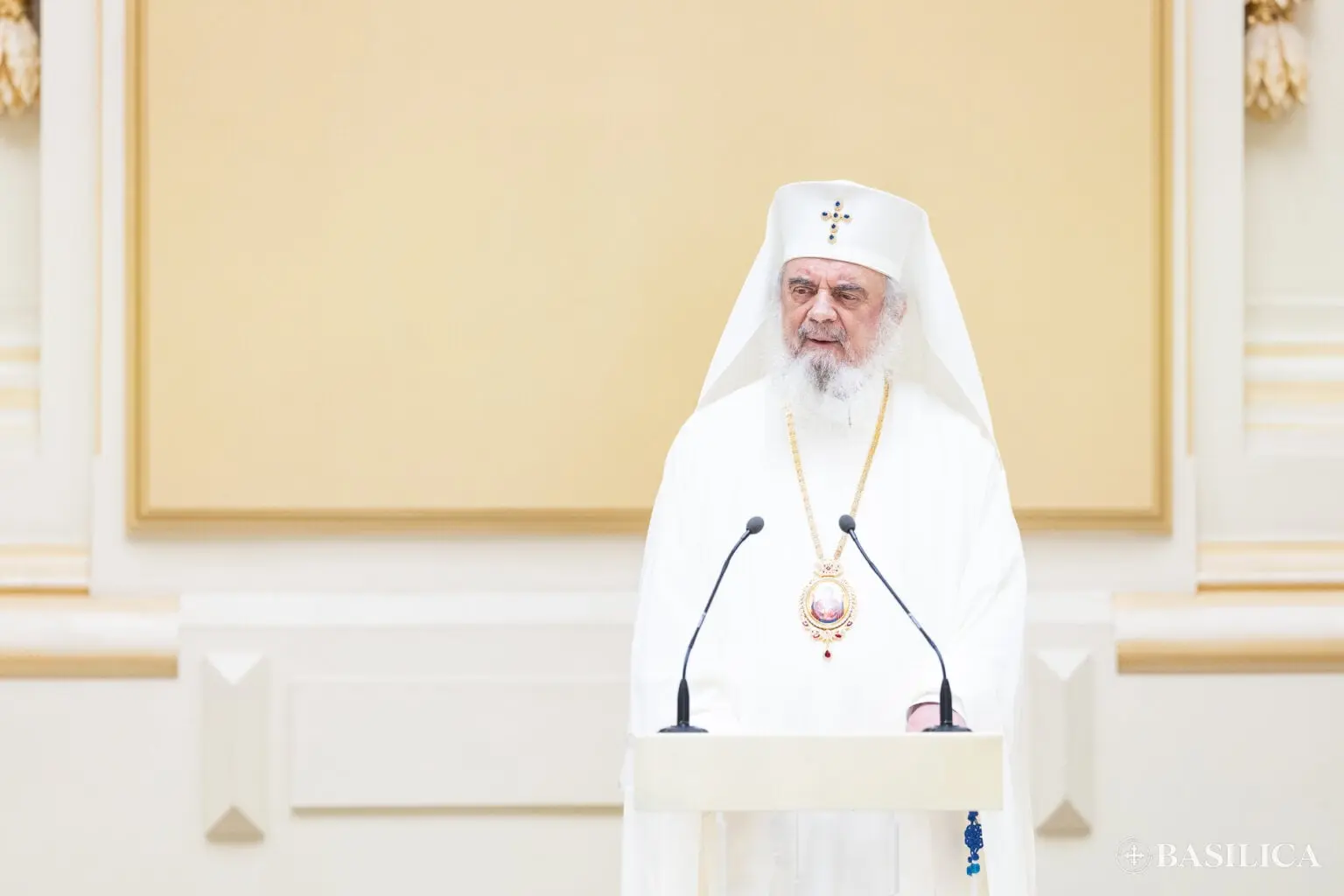
Patriarchal Auxiliary Bishop Paisie of Sinaia officiated a Te Deum on Saturday at the Patriarchal Cathedral to mark 100 years since the enthronement of Romania’s first Patriarch. “Through the work of Patriarch Miron Cristea, the Romanian Orthodox Church stepped into modernity, properly prepared to carry out its evangelical mission,” the hierarch underlined.
His Grace recalled the personality of Patriarch Miron Cristea, who decisively contributed to raising the prestige of the Church and left the memory of a great shepherd of souls – visionary, patriot, diplomat, and man of culture.
Patriarch Miron Cristea
The solemn enthronement ceremony of Romania’s first Patriarch took place on 1 November 1925. Immediately after this moment, discussions resumed on building the National Cathedral.
“Patriarch Miron Cristea was the first to consecrate the cross on the site where the long-desired Romanian People’s Salvation Cathedral was intended to be raised at the foot of the Patriarchate Hill.”
His Grace recalled several building works carried out by Patriarch Miron Cristea at the Patriarchal Residence and Cathedral, as well as at numerous churches and monasteries.
He undertook irenic journeys, established new dioceses in the country and abroad, and founded the Biblical and Orthodox Mission Institute, thereby developing the Church’s publishing activity.
“In April 1926, steps were taken to establish a Faculty of Theology in Chișinău, which began courses on 8 November 1926.”
“Among his concerns was the Romanian diaspora as well, including the acquisition of land in Jerusalem and the Jordan for the Romanian Orthodox Church, where a foundation was built in each place, each with its own church,” the hierarch said.
Bishop Paisie of Sinaia also recalled that Patriarch Miron Cristea occupied state administrative offices: he served on the regency that governed Romania after the death of King Ferdinand, and he led the country’s government between 1938 and 1939, when he passed into eternal life.
An important landmark
The patriarchal auxiliary bishop said that the centennial of the enthronement of the first Patriarch of the Romanian Orthodox Church is an important landmark in the Church’s history.
“Together with the recognition of autocephaly in 1885, the elevation of the Romanian Orthodox Church to the rank of Patriarchate in 1925 generated, over the years, other historic moments with profound significance for our national spirituality and dignity.”
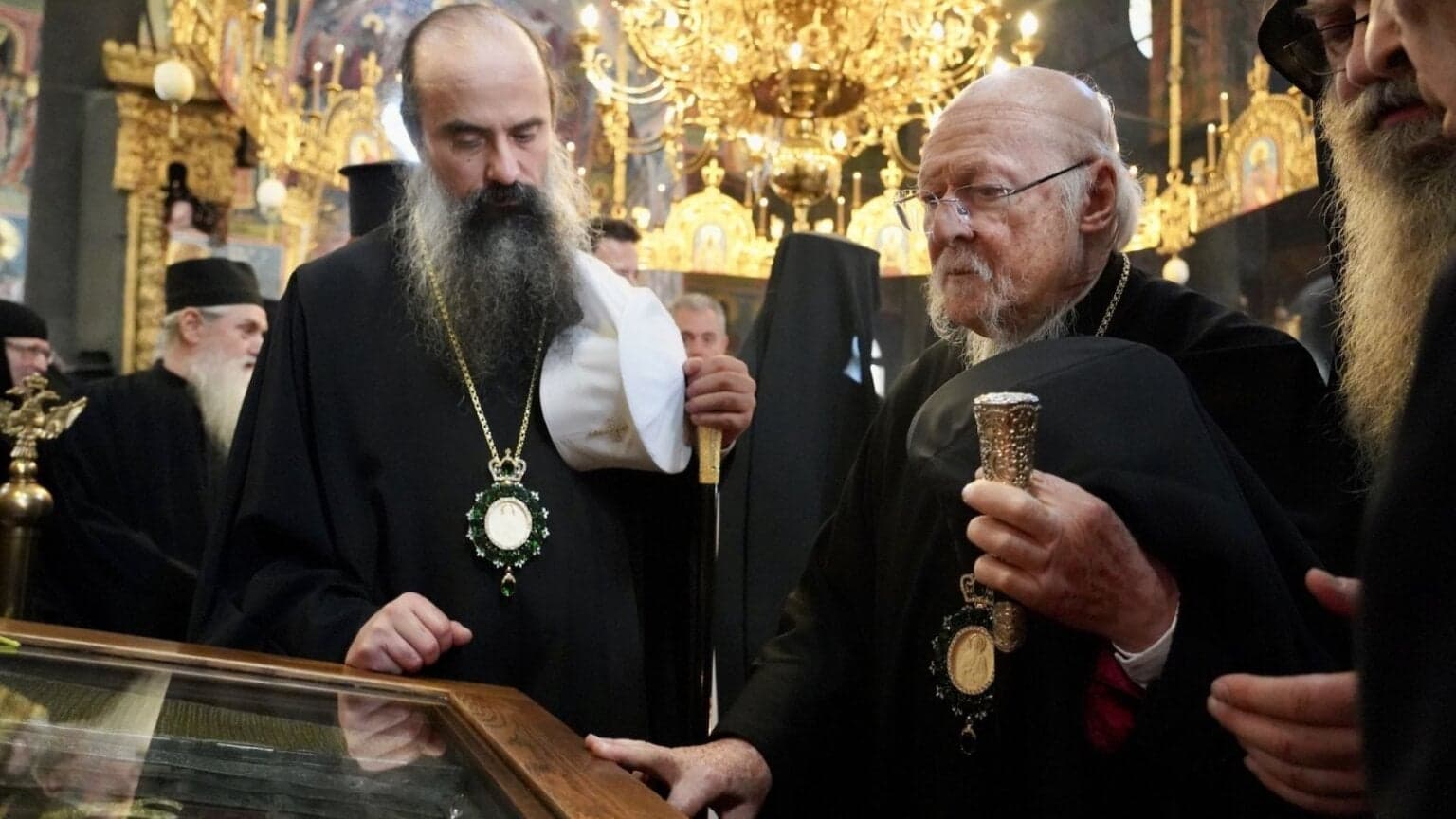
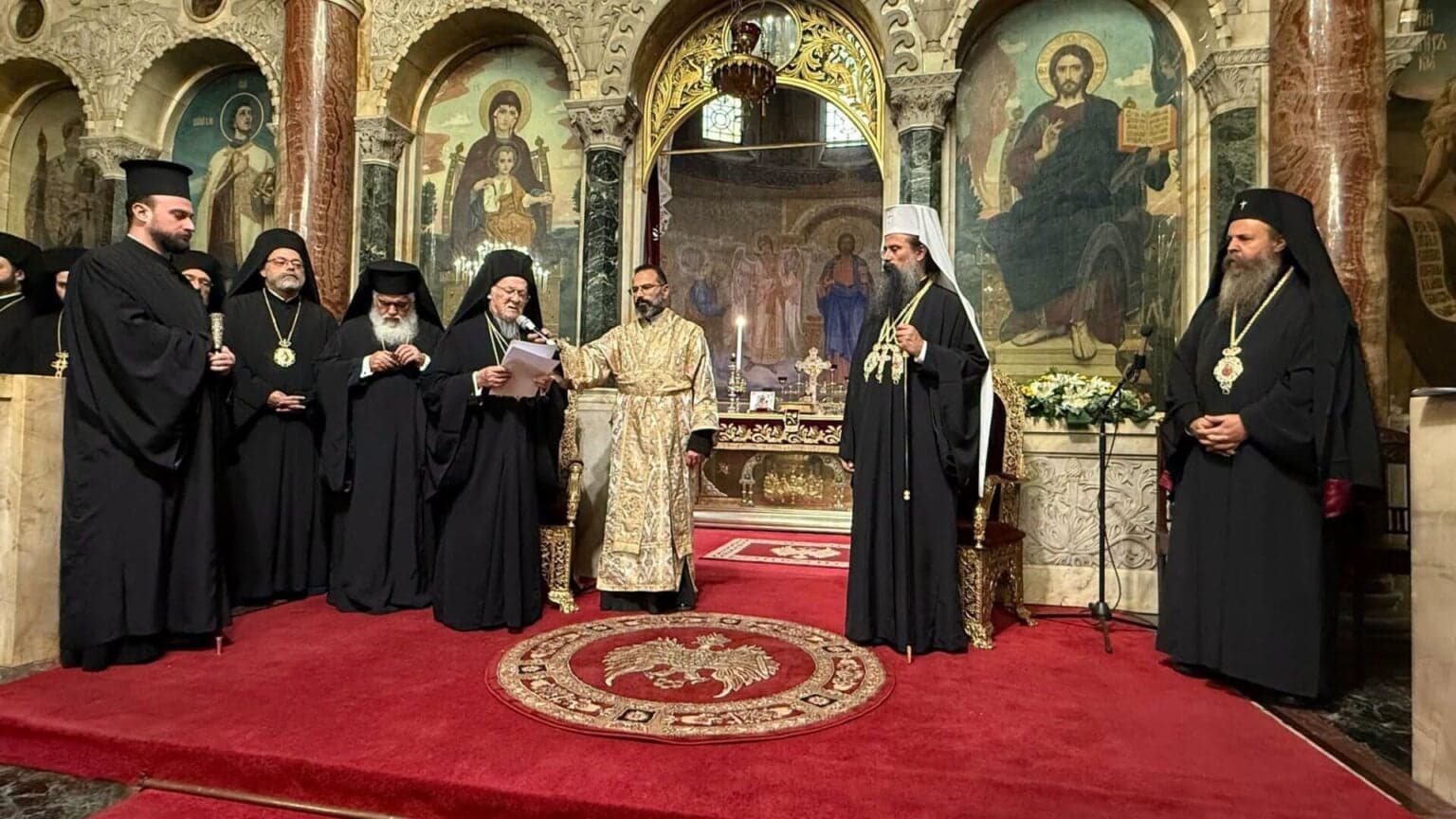
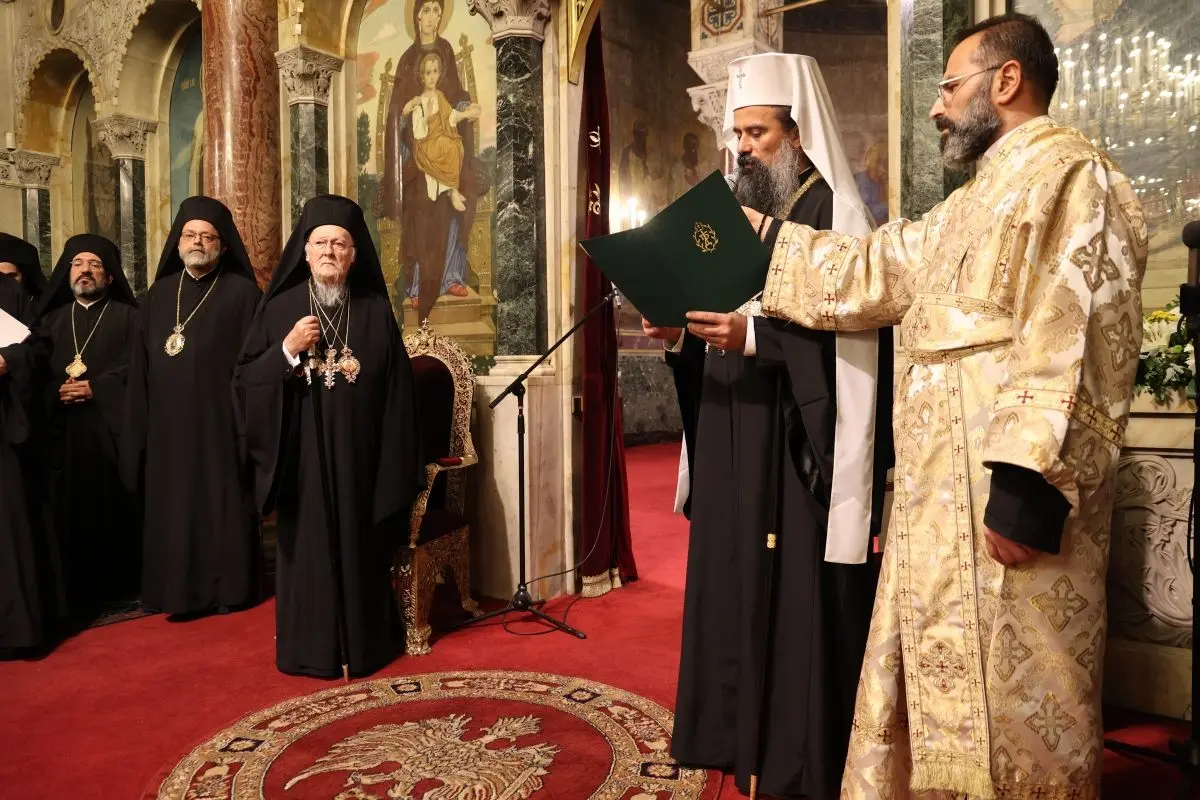
The hierarch recalled the consecration of the mosaic iconography of the National Cathedral carried out on October 26 by Ecumenical Patriarch Bartholomew and His Beatitude Patriarch Daniel, together with members of the Holy Synod of the Romanian Orthodox Church.
“Looking back at these one hundred years, we see both a rich history and a beautiful spiritual legacy left to us by our forebears – among whom stands out the worthy of remembrance Patriarch Miron Cristea.”
The Centennial of the Romanian Patriarchate
The year 2025 has been proclaimed both the Solemn Year of the Centennial of the Romanian Patriarchate and the Commemorative Year of Romanian Orthodox spiritual fathers and confessors of the 20th century.
In this context, numerous cultural events were organised to mark 140 years since the recognition of the Romanian Orthodox Church’s autocephaly and 100 years since the establishment of the Romanian Patriarchate.
On 4 February — the date the Romanian Orthodox Church was elevated to the rank of Patriarchate — the canonisation of 16 Romanian Orthodox spiritual fathers and confessors canonised in 2024 was proclaimed. Also, in July, 16 women with a holy life were canonised.
The consecration of the mosaic iconography of the National Cathedral represented the central moment of the Centennial celebrations.
Photo: Lumina Newspaper / Mircea Popa