The Romanian Orthodox Church celebrated on Tuesday the local proclamation of the canonization of Saint Sofian of Antim, a confessor of the faith during communist persecution, a hesychast spiritual father, and iconographer.
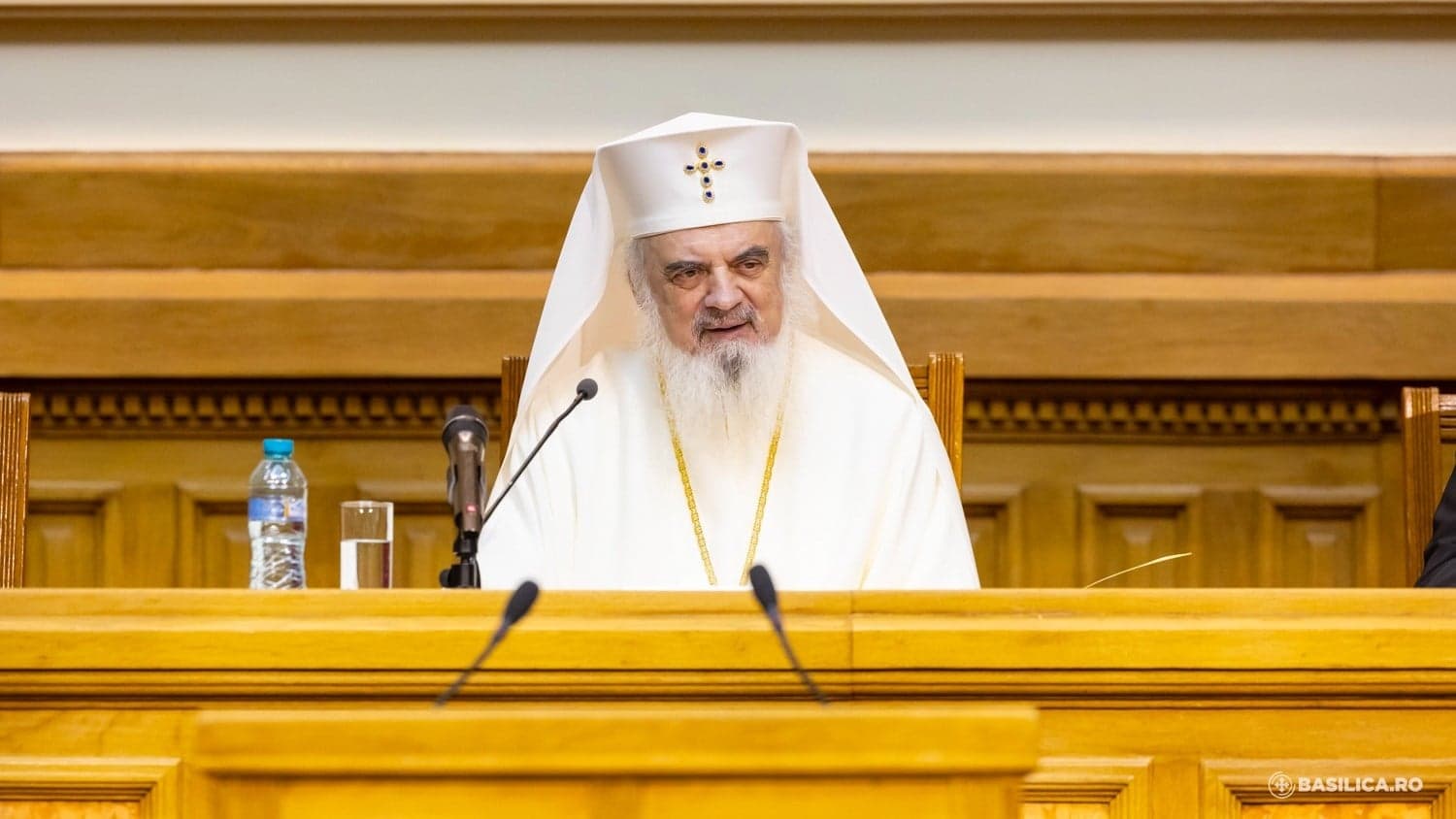
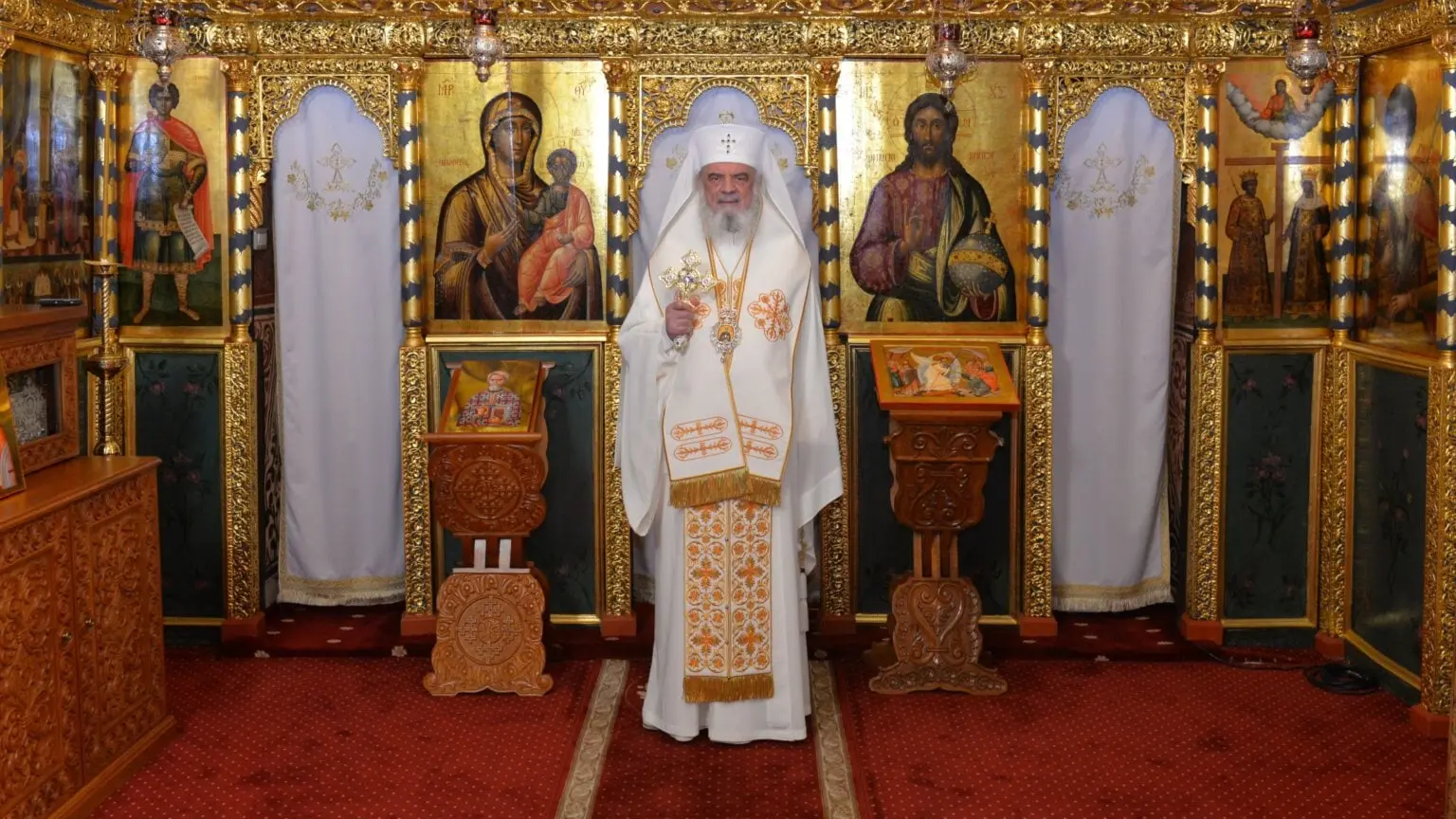
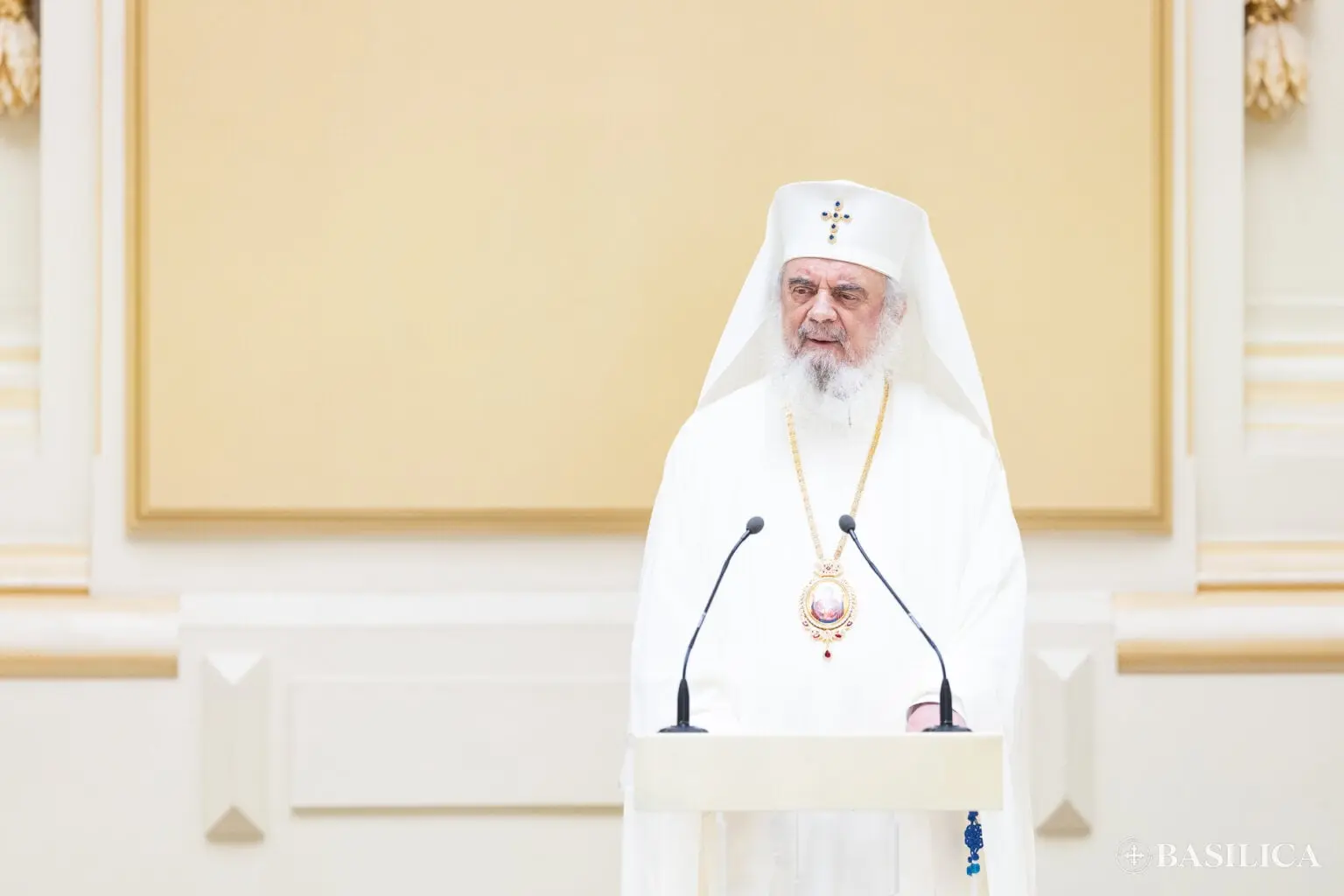
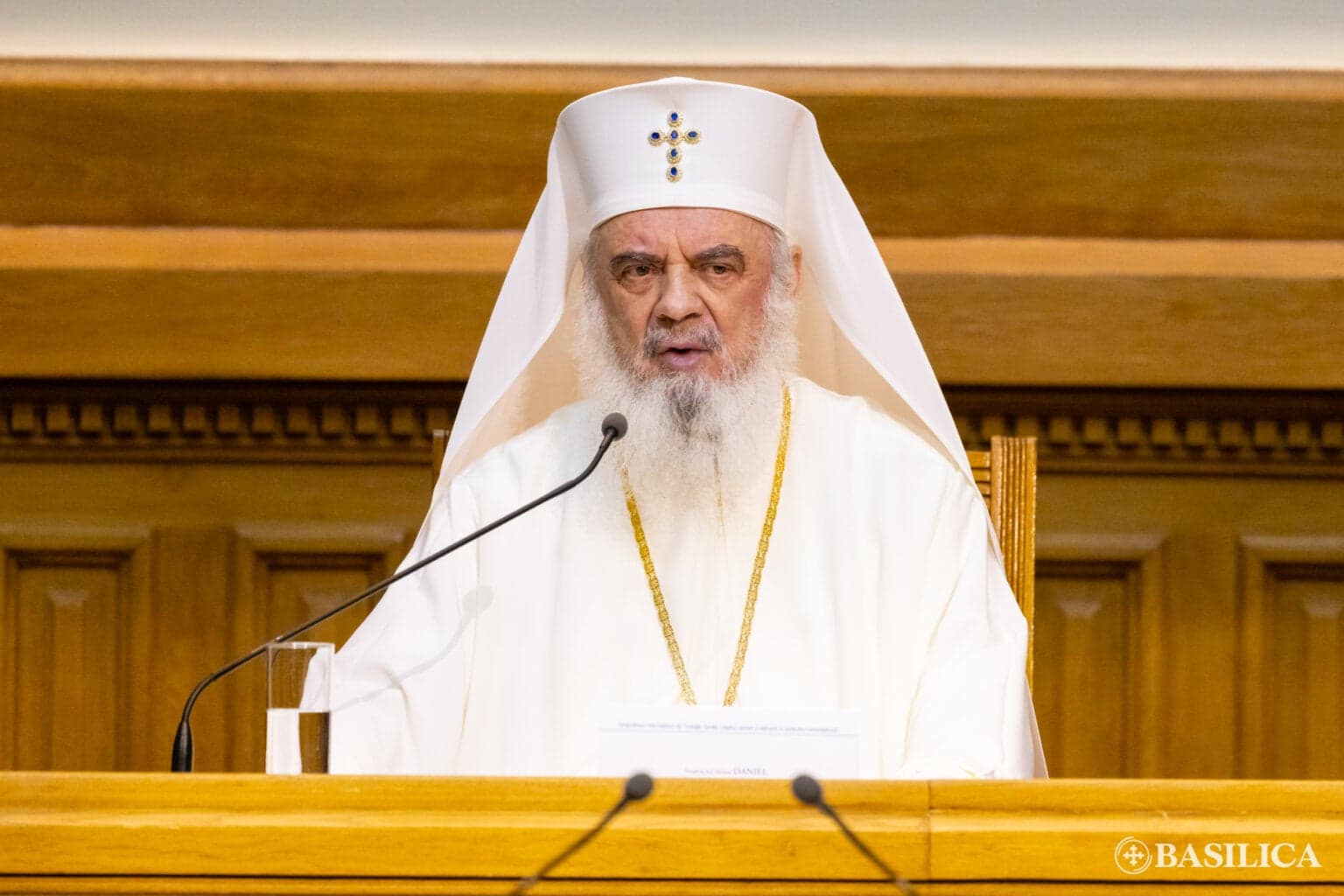
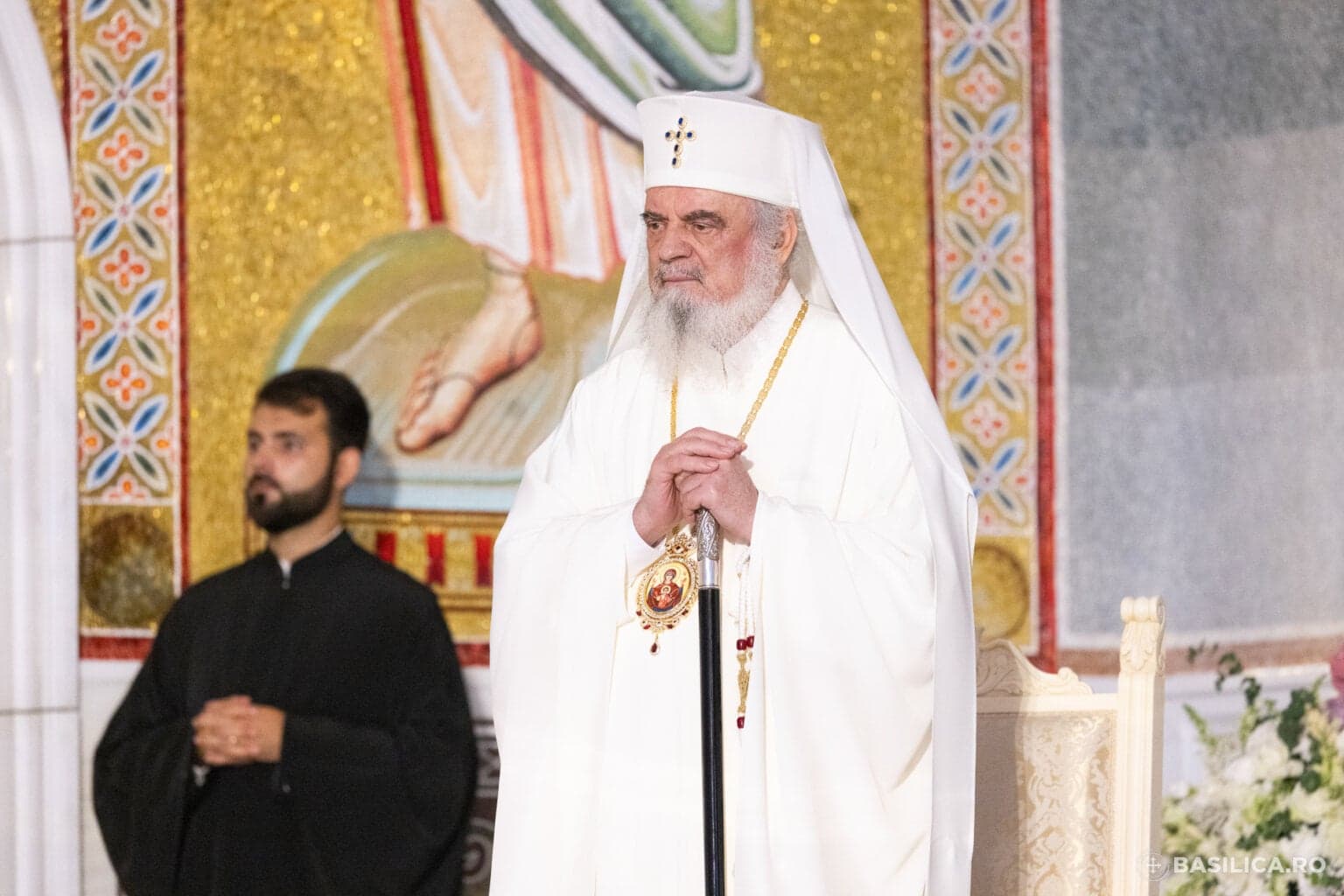
On this occasion, Patriarch Daniel addressed the faithful with a special message, recalling the life and legacy of the new saint, whom Saint Cleopas once referred to as “the Apostle of Bucharest.”
The Patriarch highlighted Saint Sofian’s witness in prisons, his role as a guide in the Burning Bush movement, and his gift for sacred art that adorned more than 25 churches in Romania and abroad.
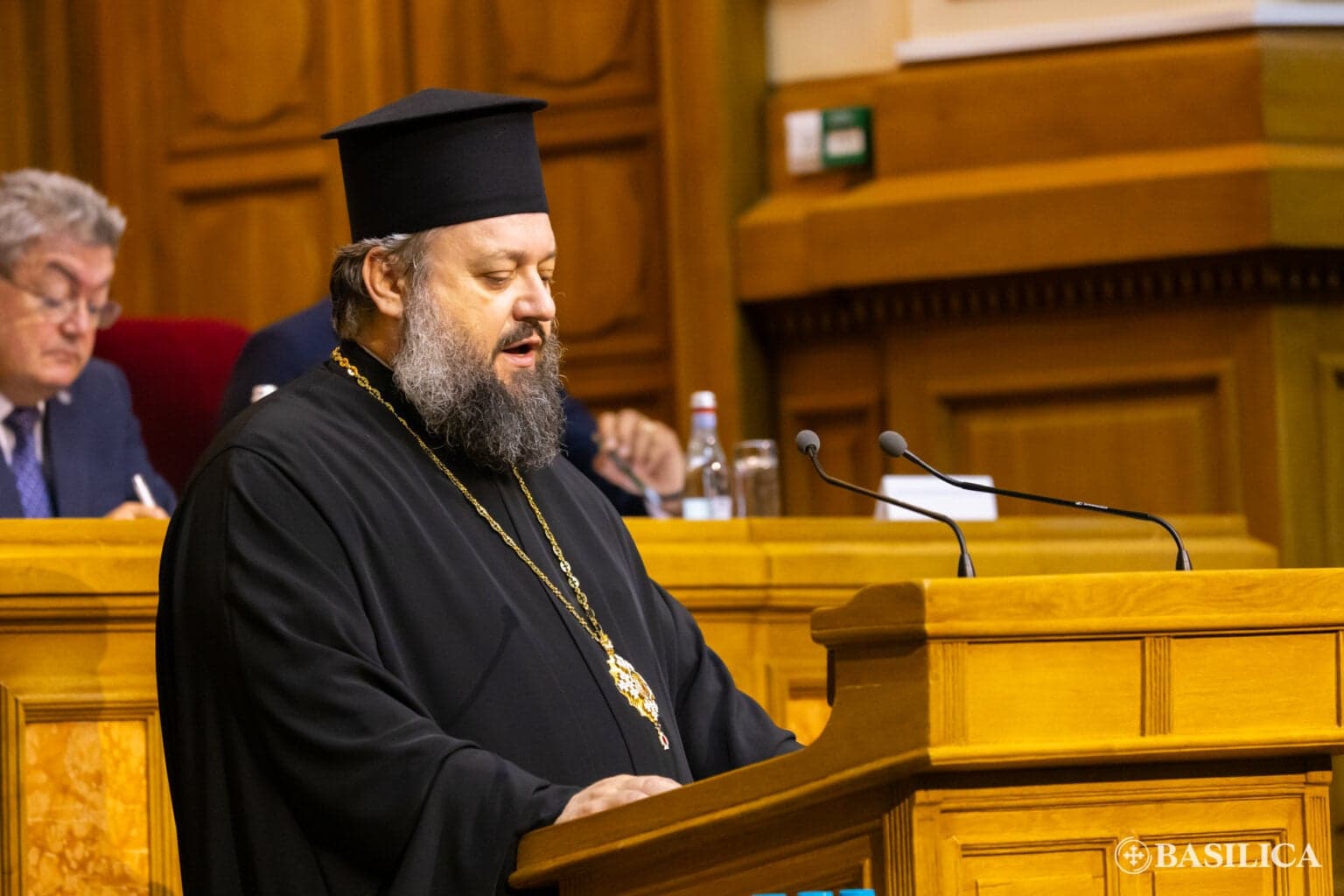
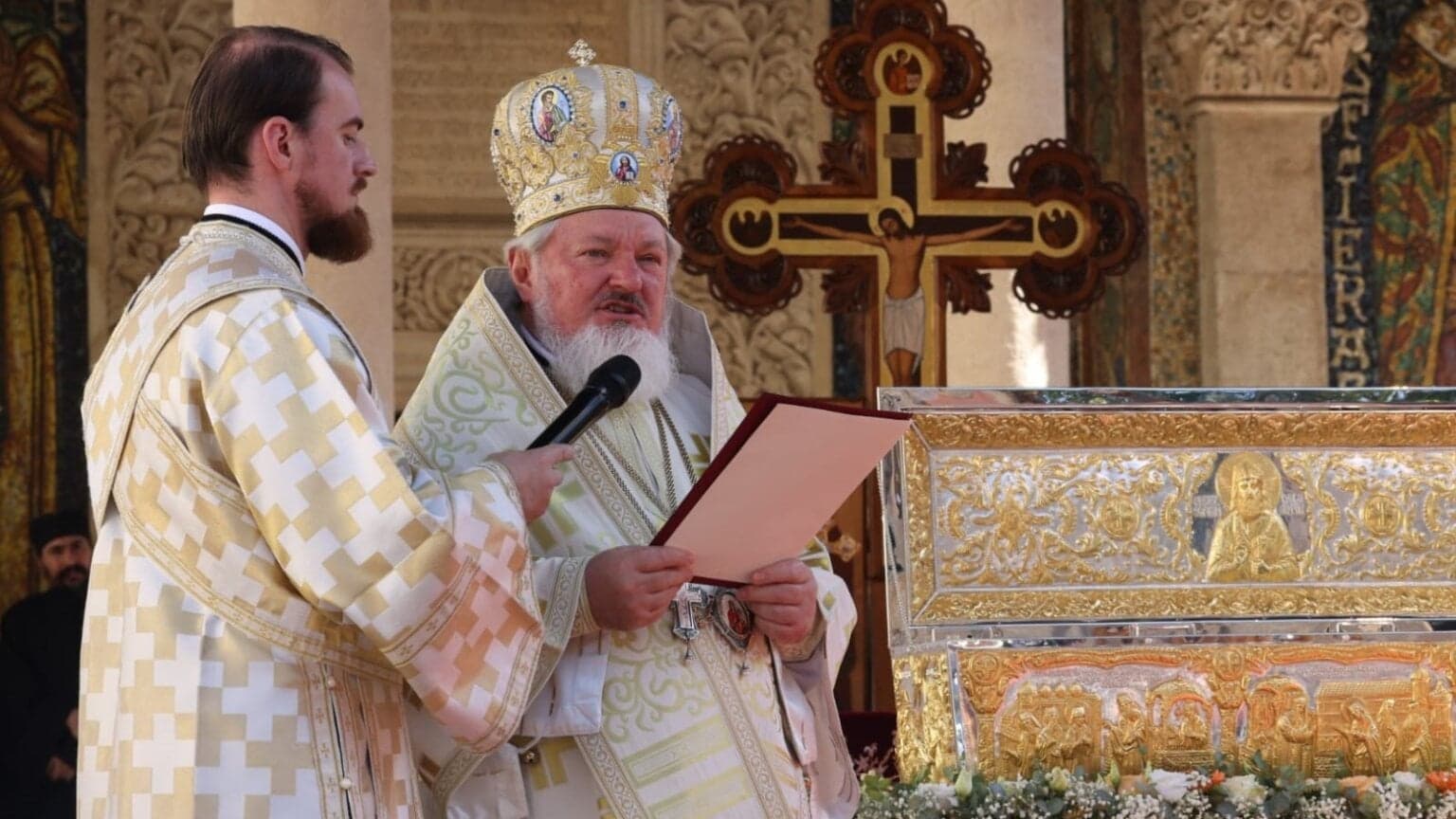
Patriarch Daniel’s message was read out by his patriarchal auxiliary bishop Varlaam of Ploiesti, and presented Saint Sofian as “a chosen vessel of the grace of the Holy Spirit” and underlined that his canonization, together with other confessors of the 20th century, is a spiritual inheritance that must be carried forward to future generations.
Please find below the full text of Patriarch Daniel’s message for the local canonization of Saint Sofian of Antim.
Saint Sofian of Antim, Confessor of the Faith Under an Atheist Regime, Hesychast Spiritual Father, and Iconographer
In the 20th century, God granted the Romanian people great spiritual luminaries who strengthened the faithful through their prayers, deeds, and teachings. Among these ascetics is Saint Sofian the Confessor of Antim, who shone in the capital of Romania through his love and gentleness.
Born in Bessarabia into a family of faithful peasants, Saint Sofian became one of the most beloved spiritual fathers, being called by Saint Cleopas of Sihăstria “the Apostle of Bucharest.” In his holy life, we can observe three principal works which reveal his spiritual vocation: he was a confessor of the faith under an atheist regime, a hesychast spiritual father, and a church painter (iconographer).
Confessor of the Faith Under an Atheist Regime
Appointed a spiritual father on Great and Holy Friday of 1947, Saint Sofian began his pastoral work shortly before the communist regime was established in Romania.
Before his arrest in 1958, he carried out an intense pastoral ministry at Antim Monastery, guiding many spiritual sons and daughters from all walks of life. His participation in the “Burning Bush” movement helped shape him into a wise confessor, capable of guiding souls on the path of spiritual perfection.
The confessional became for him the place where, with patience and spiritual discernment, he healed and enlightened the souls of his disciples. There, he worked with his whole being to help them, continually carrying them in his prayers.
Having endured imprisonment at Jilava, Aiud, and Balta Brăilei, Saint Sofian became a confessor of Christ. Instead of rebelling against the injustices inflicted on him by his interrogators, he embraced suffering out of love for God, forgiving his tormentors and praying for them. Even the prison guards came to respect him and considered him a holy man, so that upon his release in 1964, some testified: “The Saint is leaving prison.”
Returning to Antim Monastery, he resumed his duties as confessor and celebrant at the Holy Altar, continuing this service until almost the end of his life. Each day, hundreds of faithful crossed the threshold of the monastery. All found in him a father who surrounded them with love, disregarding his own frailties, and sacrificing himself for his spiritual children.
Hesychast Spiritual Father
Saint Sofian was part of the “Burning Bush” spiritual movement at Antim Monastery. In the monastery library, monks, clergy, and intellectuals studied various theological themes, with a special focus on the practice of unceasing prayer. The “Burning Bush” sought to move beyond purely academic discourse and to become a true school of spirituality, where all strove to assimilate the Philokalic teachings of the great hesychasts in order to acquire the prayer of the heart.
The decisive influence in this movement was Father John Kulygin, spiritual father of Metropolitan Nicholas of Rostov, who had fled Soviet Russia and brought with him to Antim Monastery the hesychast tradition of Saint Paisius from Optina Monastery, where he had lived. This man of God, who had the gift of unceasing prayer, became the spiritual guide of Saint Sofian, who was his disciple.
From him, Saint Sofian learned the mysteries of the prayer of the heart—the ceaseless invocation of the Name of Jesus, which cleanses a person from sin and, when God wills, leads to the vision of the uncreated light of God’s glory, according to the words of Christ: “Blessed are the pure in heart, for they shall see God” (Matthew 5:8). Saint Sofian testified about his spiritual father that prayer had become for him a permanent state, continuing even in sleep. For him, prayer was like breathing, a constant mindfulness of God.
This school of prayer accompanied Saint Sofian throughout his life, especially during the harshest years of communist persecution, when he was imprisoned, humiliated, and mocked by the godless. Prayer was his unceasing work, making him feel the presence of God near him in prison and giving him strength to endure all his sufferings.
Through this work, he sanctified his life and became a chosen vessel of the grace of the Holy Spirit, radiating peace and joy to all who met him. His gentle and patient character, his shining smile, his wise silence, and measured words were fruits of his prayer, generously shared with his disciples.
His dedication as a confessor was often intertwined with acts of charity and care for the needy. He kept lists of poor people, the sick, and widows in Bucharest, whom he visited regularly and for whom he sought material help from wealthier believers. He was deeply concerned to alleviate the sufferings of those in great need.
Church painter (iconographer)
The third major aspect of Saint Sofian’s life was his artistic vocation, manifested in his work as a church painter and iconographer. From an early age, God endowed him with the gift of painting, which he developed through formal study at the Academy of Fine Arts in Bucharest.
His artistic work, combined with his theological training and spiritual life, made him a missionary church painter who understood that the sermon from the pulpit continues through iconography—a silent proclamation of the Gospel of Christ and a support for personal and communal prayer.
During his lifetime, Saint Sofian painted and restored more than 25 churches, both in Romania and abroad, including in Syria and Lebanon. Each work bore the imprint of his spiritual life. His disciples and apprentices in iconography learned from him not only technique, but also the deep understanding of the mission and immense responsibility of a church painter: to present faithfully the truths of the Orthodox faith through sacred art.
In his iconography, Saint Sofian achieved a spiritual synthesis between the beauty of Byzantine art and the missionary work of silently proclaiming the Gospel of Christ through images. In this sense, he was indeed an “iconographer of souls,” as his contemporaries called him, for he not only painted church walls but also inscribed in people’s hearts the image of holiness and divine beauty.
Proclamation of Canonization
The local proclamation of the canonization of Saint Sofian the Confessor of Antim, together with 15 other Romanian spiritual fathers and confessors of the 20th century, in this year 2025—the Centennial of the elevation of the Romanian Orthodox Church to the rank of Patriarchate—shows in a wonderful way how God has worked during this time.
Through these spiritual fathers, the Romanian faithful have received a profound spiritual heritage which we are called to carry forward for future generations, as an icon and a torch of Resurrection.
Today, at the blessed moment of the local proclamation of the canonization of Saint Sofian the Confessor of Antim, we wish to express our appreciation and gratitude to the hierarchs, clergy, and faithful who, with great love, have come to honor this great contemporary saint.
We pray to Saint Sofian the Confessor of Antim that, together with the Most Holy Mother of God and with all the saints, he may intercede before the Most Holy Trinity to grant everyone peace and joy, health and salvation!
† DANIEL
Patriarch of the Romanian Orthodox Church
Photo: Basilica.ro / Mircea Florescu