“A spiritual father needs to distinguish between a mental disorder and a spiritual disturbance,” Father Justin Mihoc said in an interview for the Hristocentric project, underlining the need for dialogue between theology and psychology in contemporary society.
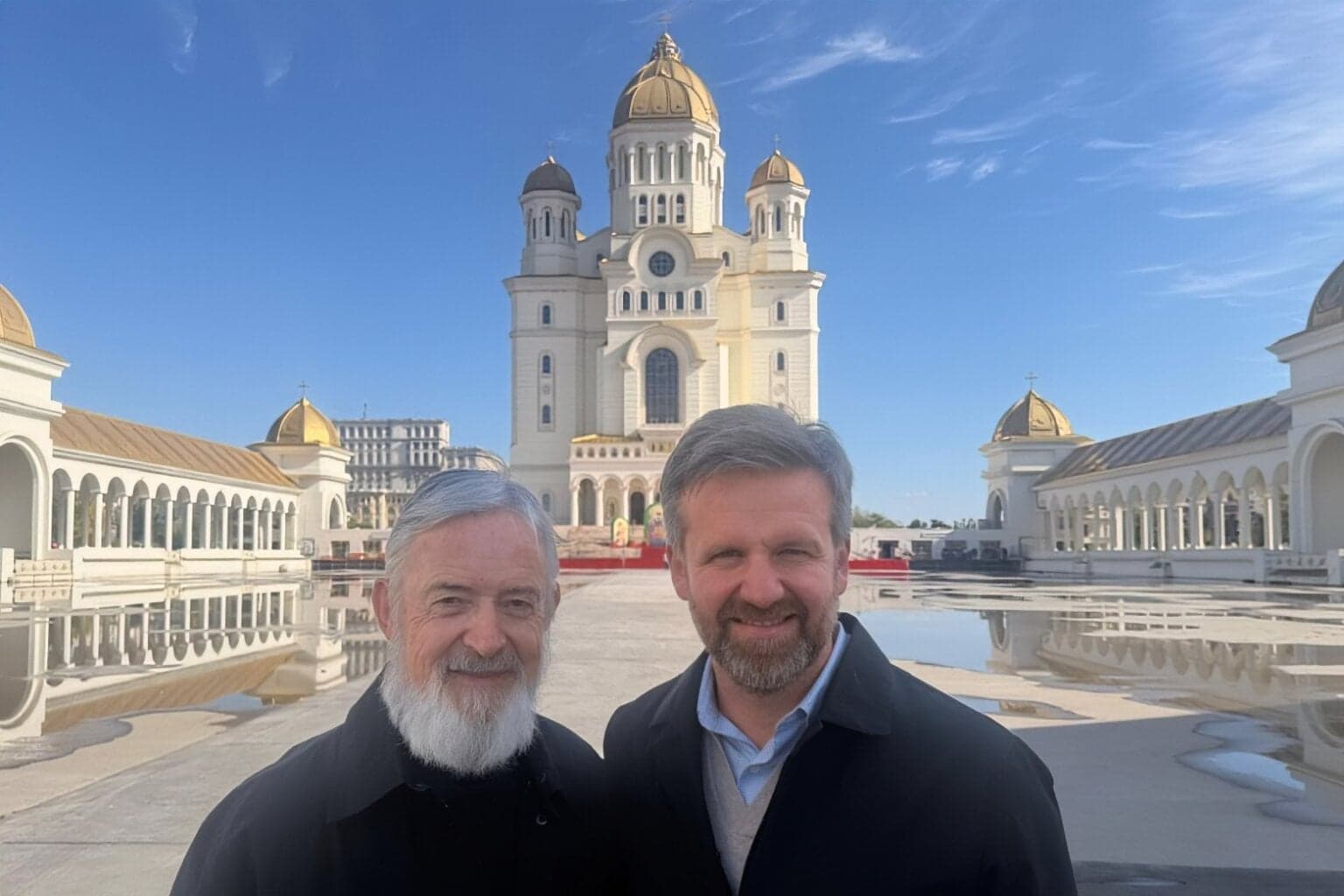
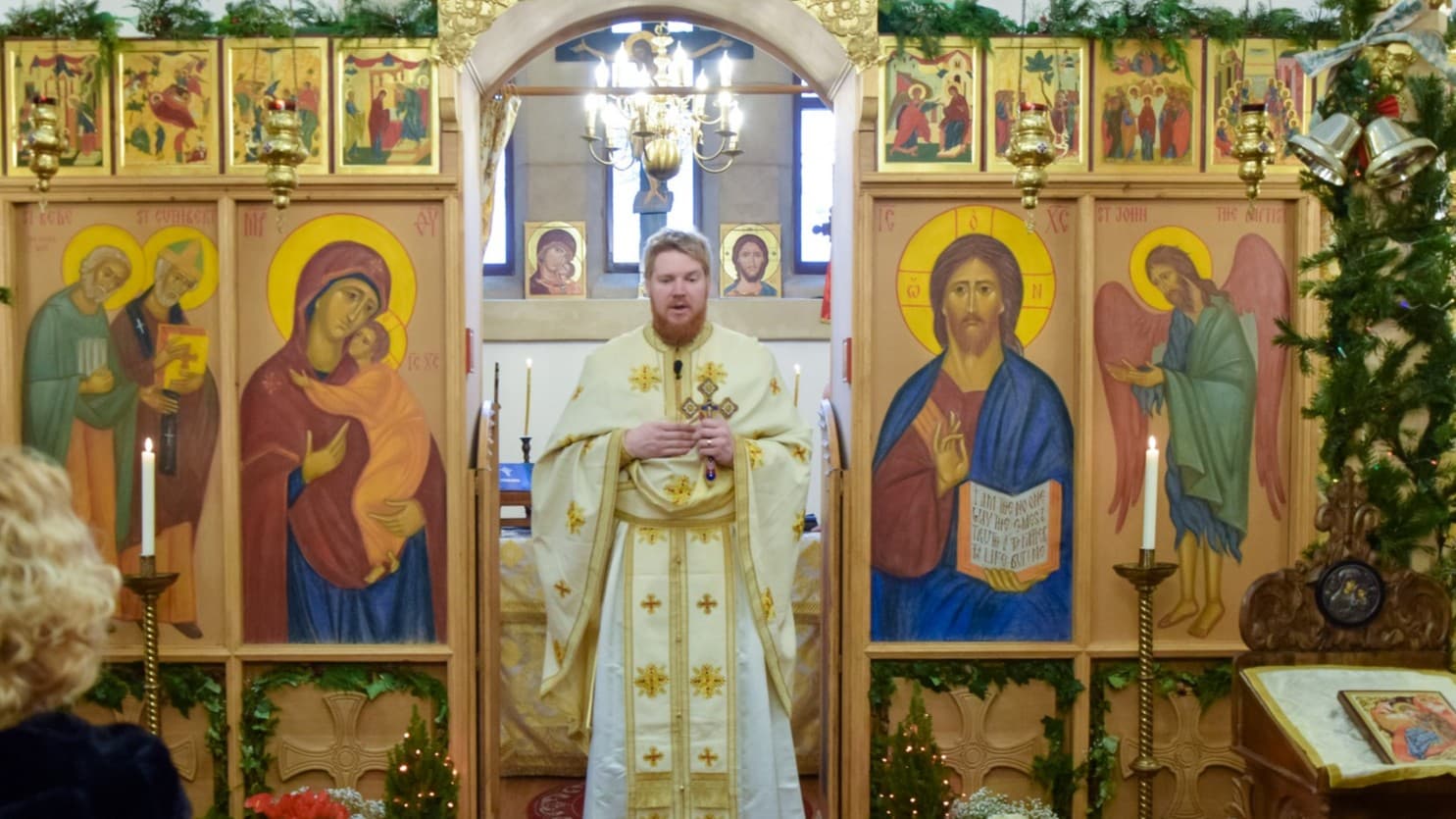
Father Justin Mihoc is the parish priest of the Romanian community in Durham, in northern England. He is also a lecturer at the Faculty of Theology at Durham University and a practising psychotherapist.
A dialogue that cannot be avoided
In an interview with the Hristocentric project, Father Justin Mihoc explained that dialogue between theology and psychology is not optional.
“A dialogue between the two fields is not only necessary, but unavoidable in our contemporary society.”
Drawing on his pastoral and therapeutic experience, he stressed that a strict separation between the spiritual and psychological dimensions can lead to mistaken approaches: “Someone who needs spiritual help might be treated only physiologically, which would be wrong.”
At the same time, he warned that “mental illnesses and affective disorders cannot be treated solely with spiritual advice”. Therefore, a tailored joint approach is needed for each individual.
Young people finding their place in the Church
Referring to the reality of the Romanian diaspora, Father Justin Mihoc noted that Orthodoxy in the United Kingdom is currently experiencing intense dynamism. “British Orthodoxy is experiencing a very lively and vibrant phase,” in which more and more young people are finding their place in the Church, without rejecting the contribution of science or psychology.
In this multicultural context, he emphasised that pastoral care remains centred on the person, not on cultural labels.
“Both as a spiritual father and as a psychotherapist, my aim is to listen to the person in front of me. The identity of the person I am speaking to is unique, even if it fits within a certain cultural pattern.”
The diversity of Orthodox communities in the United Kingdom is seen as a richness rather than an obstacle, since “holiness is the same, because it has the same source”. Father Justin Mihoc’s testimony complements recent findings about growing interest in the Christian faith among Generation Z in the UK, according to data from the Bible Society.
The source of salvation and knowledge
Speaking about the future of the Hristocentric project, Father Justin Mihoc expressed his hope that it will become a genuine space for encounter. “I cannot imagine an abstract dialogue between two disciplines, but rather a meeting point for those involved in the pastoral and therapeutic process.”
“I sincerely hope that this project, as its name suggests, will remain centred on Christ, for He is the source of both salvation and knowledge,” Father Justin Mihoc added.
He also highlighted the role of prayer in contemporary life: “Prayer keeps us away from self-sufficiency; it reminds us of our need to understand both ourselves and those around us, and it invites us to seek God—that tendency towards self-actualisation spoken of in contemporary psychology.”
Photo: Facebook / Orthodox Parish of St Cuthbert and St Bede