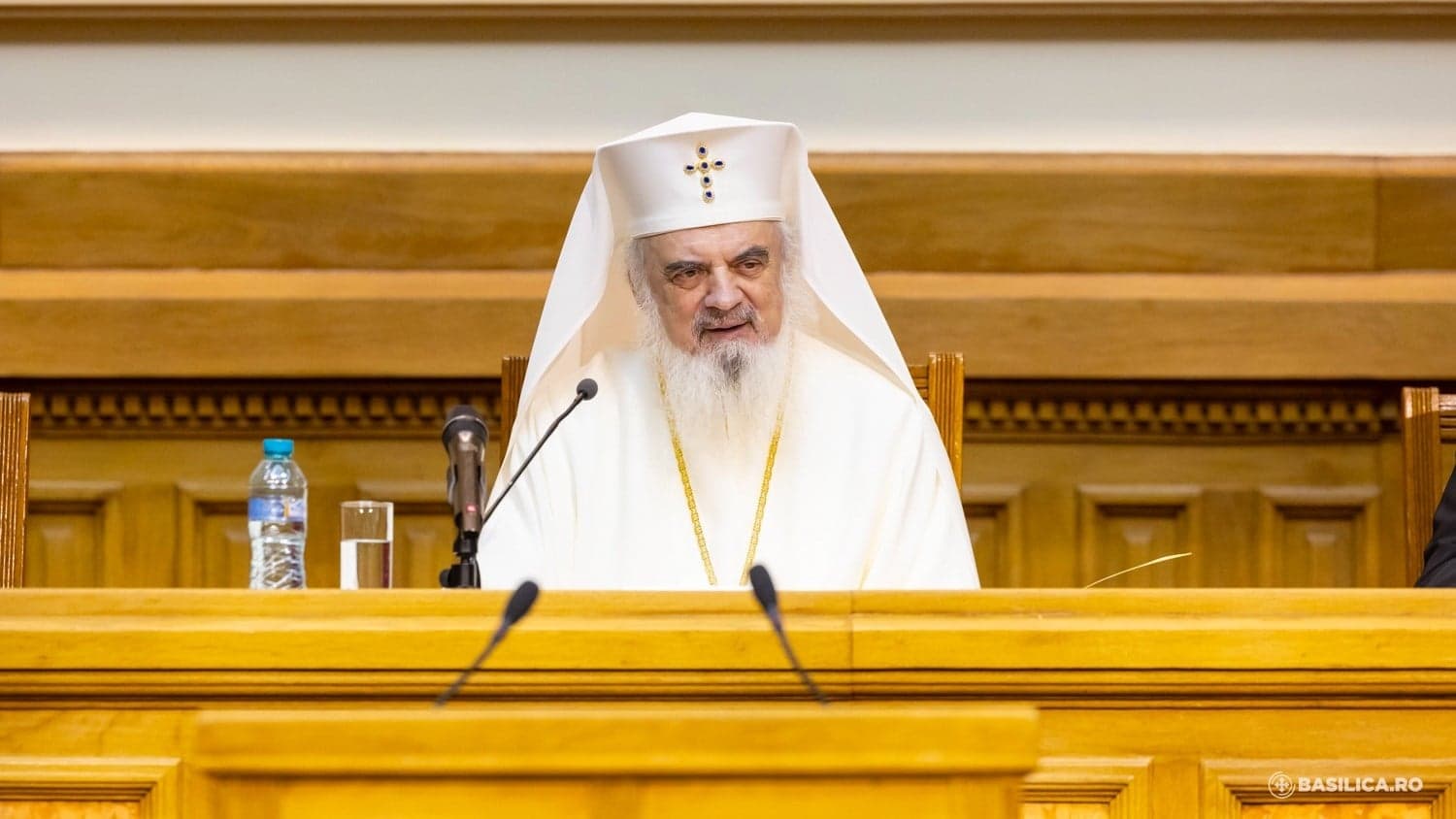
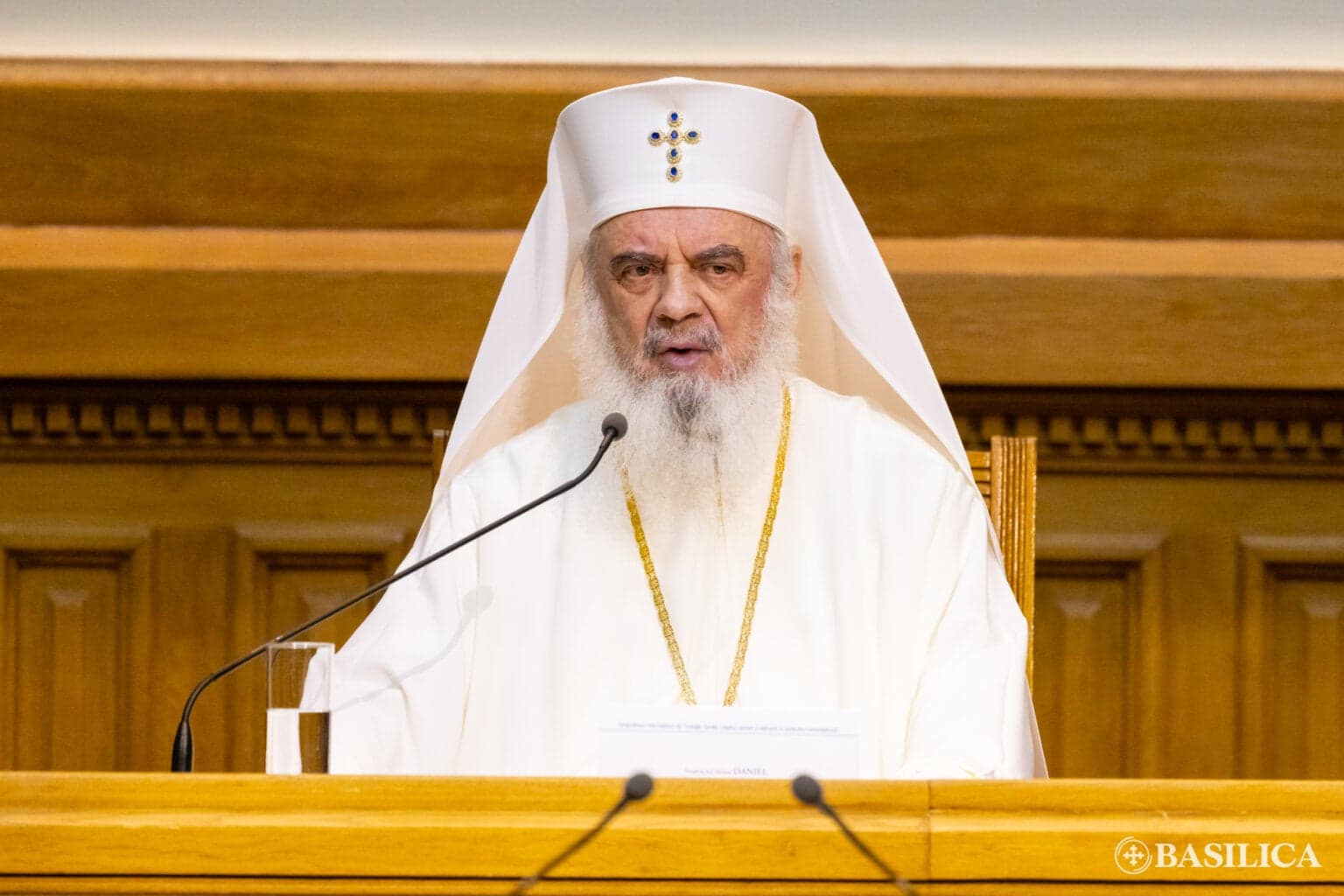
In his sermon on the first Sunday of the Triodion period, Patriarch Daniel emphasized that believers are entering a time of intensified humble prayer, increased reading or listening to the Holy Scriptures, more frequent confession and Eucharistic communion, as well as greater almsgiving towards those in need.
The Romanian Orthodox Patriarch explained the significance and structure of the Triodion period.
“The Sunday of the Publican and the Pharisee opens the Triodion, a ten-week liturgical period that includes three weeks with four preparatory Sundays: the Sunday of the Publican and the Pharisee, the Sunday of the Prodigal Son, the Sunday of the Last Judgment, and the Sunday of Adam’s Expulsion from Paradise. The Triodion also includes the six-week Great Lent and the Holy Week,” stated the Patriarch.
“Before the start of Lent, the Church has designated these four preparatory Sundays to teach that four major spiritual works are essential for the renewal of the soul and the encounter with the Crucified and Risen Christ: humble prayer, sincere repentance, generous almsgiving, and fasting or self-restraint.”
Virtuous Deeds and Humble Prayer
Patriarch Daniel highlighted the spiritual teachings derived from the Parable of the Publican and the Pharisee.
“This Sunday teaches us to learn virtuous deeds from the Pharisee and humble prayer from the Publican. Above all, the Gospel of this Sunday calls for humble prayer.”
“Through this parable, our Lord Jesus Christ teaches us that only humble prayer, offered in a spirit of humility, is accepted by God. As the Savior states at the conclusion of the parable, the prayer that elevates a person is the one made in humility, acknowledging one’s own limitations and mistakes,” the Patriarch emphasized, as cited by Lumina Newspaper.
Conversely, the Patriarch warned that “prayer tainted with pride, arrogance, self-praise, and self-righteousness distances a person from God and harms them spiritually. The Pharisee prayed within himself, for himself, but God knows human thoughts and hears prayers even when they are unspoken.”
“The Gospel recounts that the Pharisee stood upright in prayer, while the Publican stood afar, not daring even to lift his eyes to heaven, but beating his chest and saying: ‘God, be merciful to me, a sinner!’ (Luke 18:13). The physical posture of the Pharisee, standing proudly, and that of the Publican, in humility, reveal their inner spiritual states: arrogance and self-satisfaction in the Pharisee, repentance and humility in the Publican.”
Virtues and Sins
Patriarch Daniel further explained that the Triodion’s liturgical texts highlight both virtues and shortcomings in the two figures of the parable.
“The Pharisee was a righteous and moral man but was proud, while the Publican was a sinner but was humble. The key takeaway from this Gospel is that God prefers a humble sinner over an arrogant righteous man.”
However, he clarified that “God’s preference for the Publican’s humility does not imply approval of his sins, nor does it disregard the Pharisee’s good deeds.”
“This is why the Triodion calls us to emulate the Pharisee’s good works while cultivating the Publican’s humility. This exhortation is clearly expressed in the Matins service for this Sunday, in the fifth ode of the canon: ‘Let us strive to follow the Pharisee’s virtues and desire the Publican’s humility, avoiding the faults of both: pride and indulgence in sin.’”
Historical and Social Context
The Romanian Patriarch also explained the historical and social background in which Jesus Christ delivered the Parable of the Publican and the Pharisee.
“At a time when Pharisees enjoyed high social esteem while tax collectors faced widespread contempt, Christ delivered this parable to show that even the most despised sinner in society can be redeemed if he sincerely acknowledges and repents for his sins.”
“Without humility, however, no one can attain salvation—not even those who claim to be righteous. Humility makes a person sincere and grateful, for in humility, one not only recognizes the good they have done but also sees the One who enables them to do good—God Himself, who says: ‘Without Me, you can do nothing’ (John 15:5), meaning nothing truly good,” the Patriarch concluded.
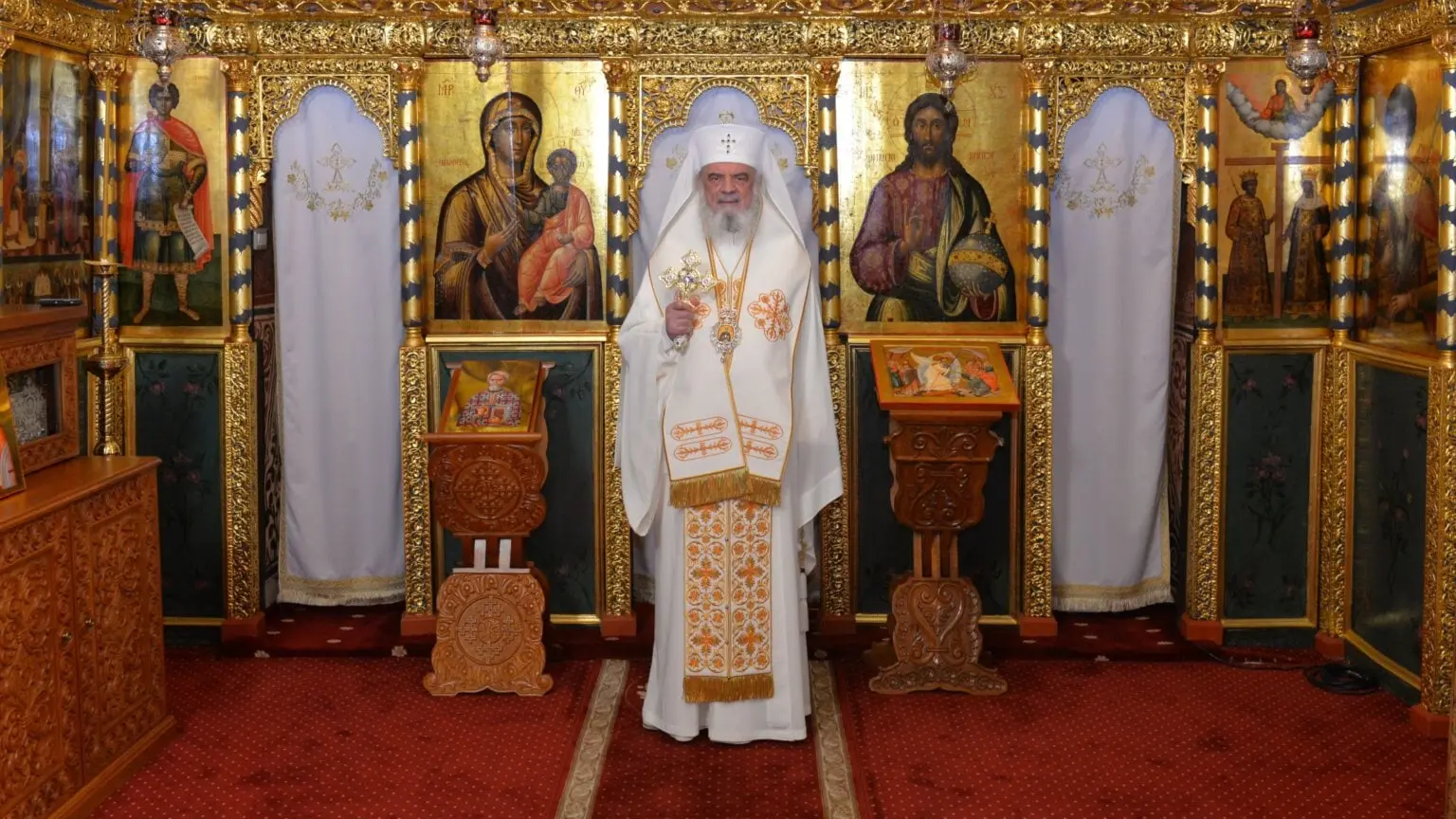
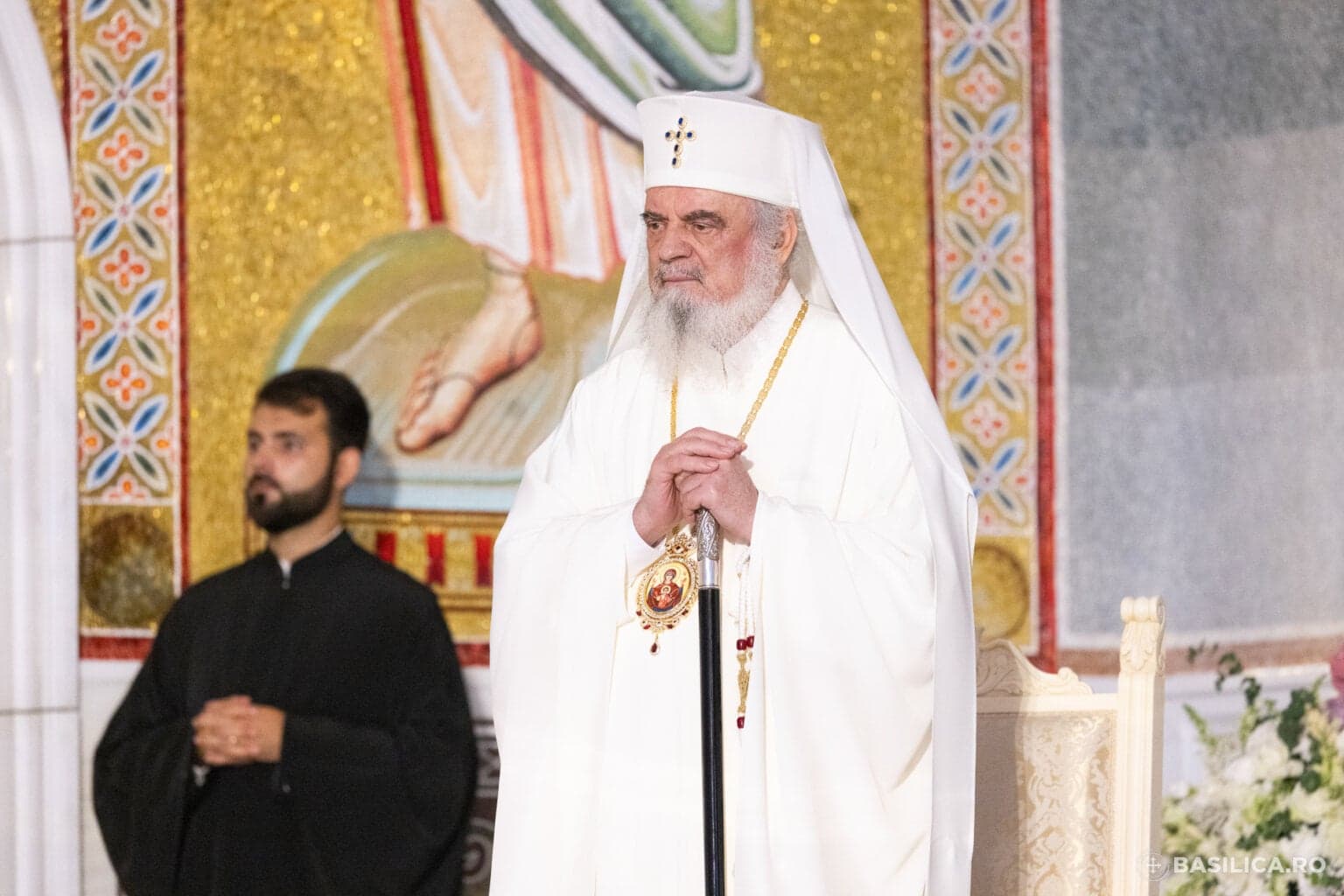
Patriarch Daniel attended the Divine Liturgy on Sunday at the historic Chapel of St. George within the Patriarchal Residence.
Photo: Lumina Newspaper