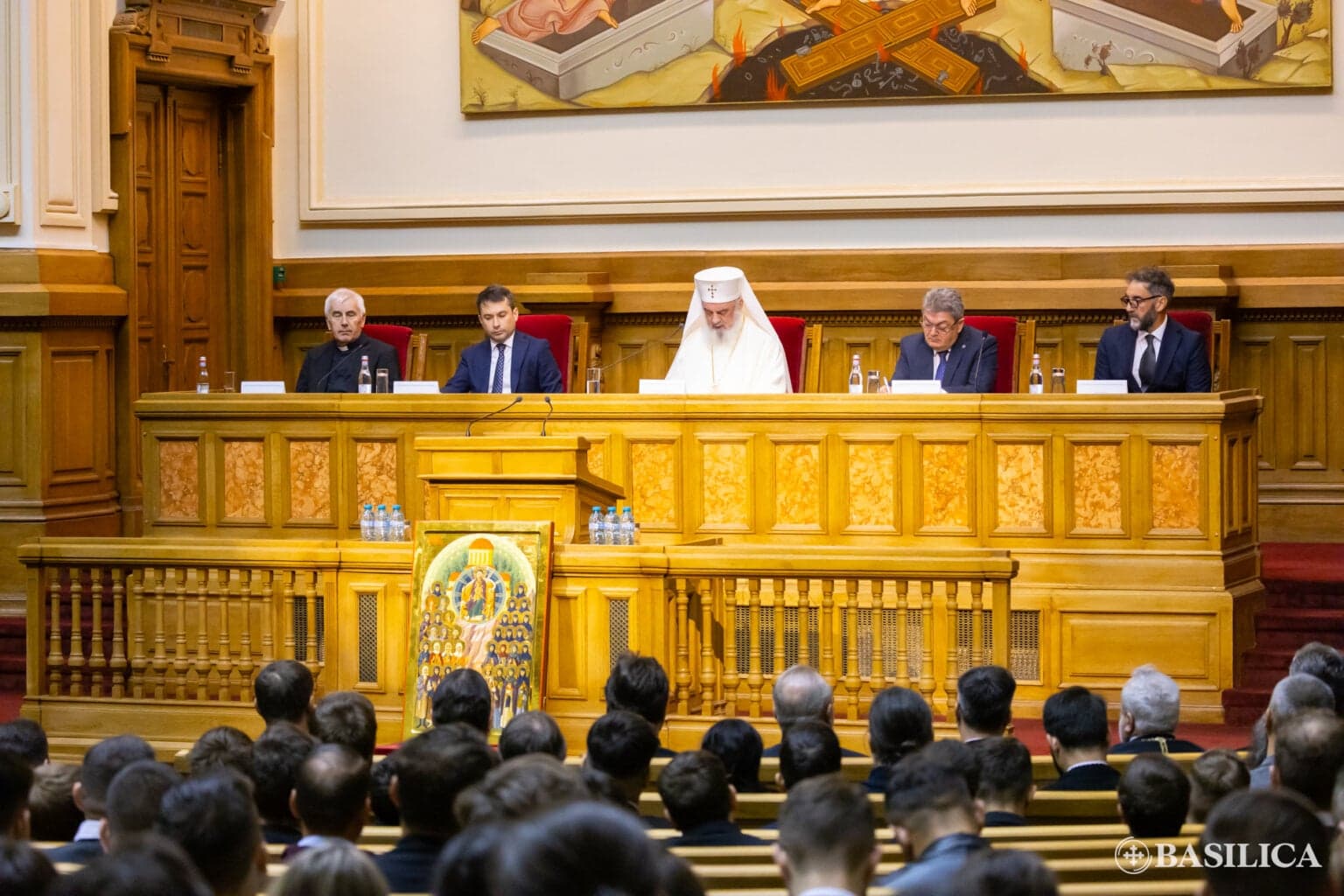
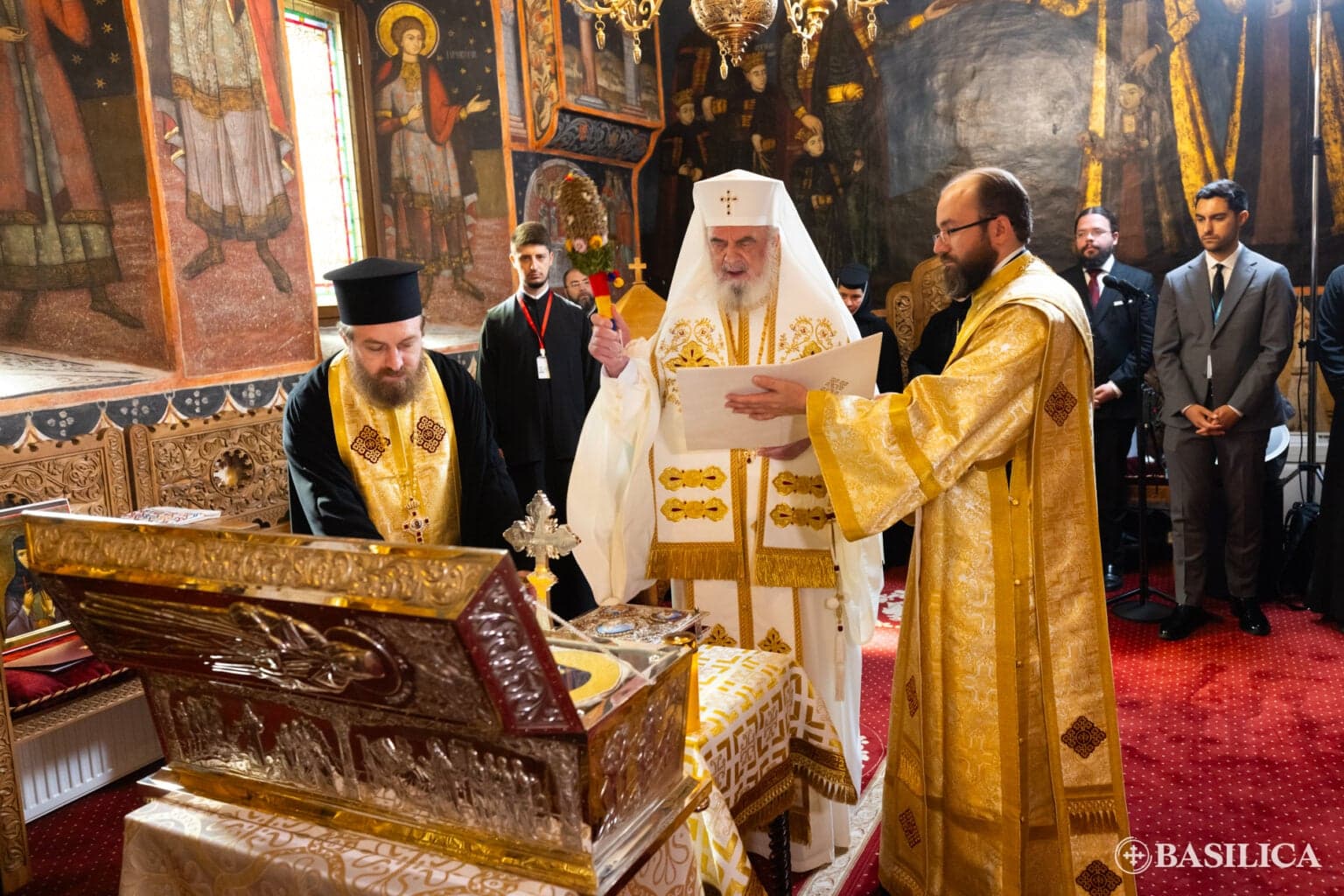
The Roman Catholic Episcopal Palace in Oradea hosted a meeting on Tuesday between representatives of religious denominations and the Romanian government. The State Secretariat for Religious Affairs organised the event, which included key announcements, such as the government’s decision to fund socio-medical establishments run by religious groups.
Ciprian-Vasile Olinici, Secretary of State for Religious Affairs, moderated the meeting. Bishop László Böcskei, Roman Catholic Bishop of Oradea, highlighted the harmonious coexistence of religious denominations in western Romania.
Deputy Prime Minister Marian Neacșu, the first government official to speak, described religious denominations as “balancing forces in society” and discussed shared funding priorities between the government and religious leaders.
Funding for medical projects

“One of the funding components will exclusively target projects that refer to the socio-medical role of religious denominations and the Church,” Deputy Prime Minister Marian Neacșu told the religious leaders at the meeting.
“We will mainly finance settlements for vulnerable people, for the elderly, palliation centres for the terminally ill, and those who should find peace and relief in such centres from the point of view of physical pain, but also spiritual.”
“Last but not least, I want to thank you for your involvement in maintaining the national identity of the citizens of the diaspora,” the deputy prime minister added.
Bogdan-Gruia Ivan, Minister of Research, Innovation and Digitization, presented projects in the field of technology and artificial intelligence that can be implemented by religious denominations, especially regarding the digitization and valorization of mobile heritage.
The latter represents “the opportunity to make history long from now accessible to as many future generations as possible through these technical tools”, said the Minister of Digitization.
Religious Denominations: Key Civil Society Actors

Ciprian-Vasile Olinici, Secretary of State for Religious Affairs, presented the evolution of the financial support granted in recent years to religious denominations by the Government of Romania and the Secretariate’s most significant projects in the short and medium term.
“We cannot fail to note the seriousness and perseverance with which the religious denominations in Romania understand how to play their role as important actors of civil society, vectors of national solidarity and co-responsibility for the building of the common good”, said Secretary of State Ciprian-Vasile Olinici.
“I would like to inform you that we are preparing a series of editorial, historical and analytical projects for the year 2027 when the State Secretariat for Religious Affairs will complete 165 years of existence, a history of the institution, a comparative legal analysis on the laws of religious organisations, an explanatory legislative compendium regarding religious life in the history of Romania, as well as an encyclopedia of state-religions relations.”

Kallos Zoltan, Secretary of State at the Ministry of Education, thanked for the conclusion of the protocols between the recognized religious organizations and the Ministry of Education, as well as for the way the religious organisations understood to contribute to the education of the younger generations by promoting essential values in the formation process.
“History has shown us how important the Church was in developing society and educating the population. Where there was a church, a school developed, a community came together, there was social progress,” said State Secretary Kallos Zoltan.
The representatives of the religious denominations recognised in Romania addressed the audience during the subsequent portion of the meeting.
Romanian Orthodox Church’s Appreciation for State Cooperation

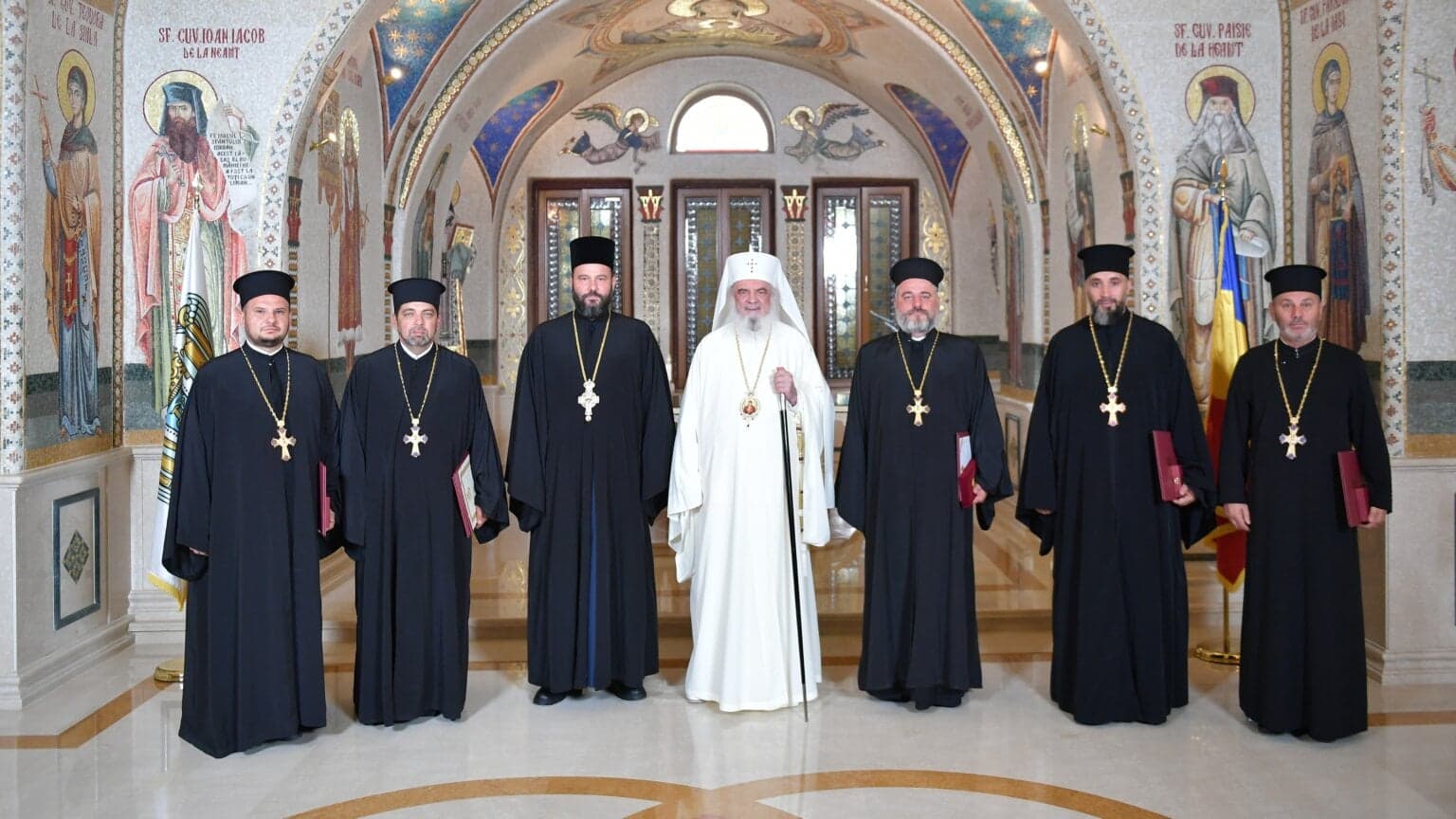
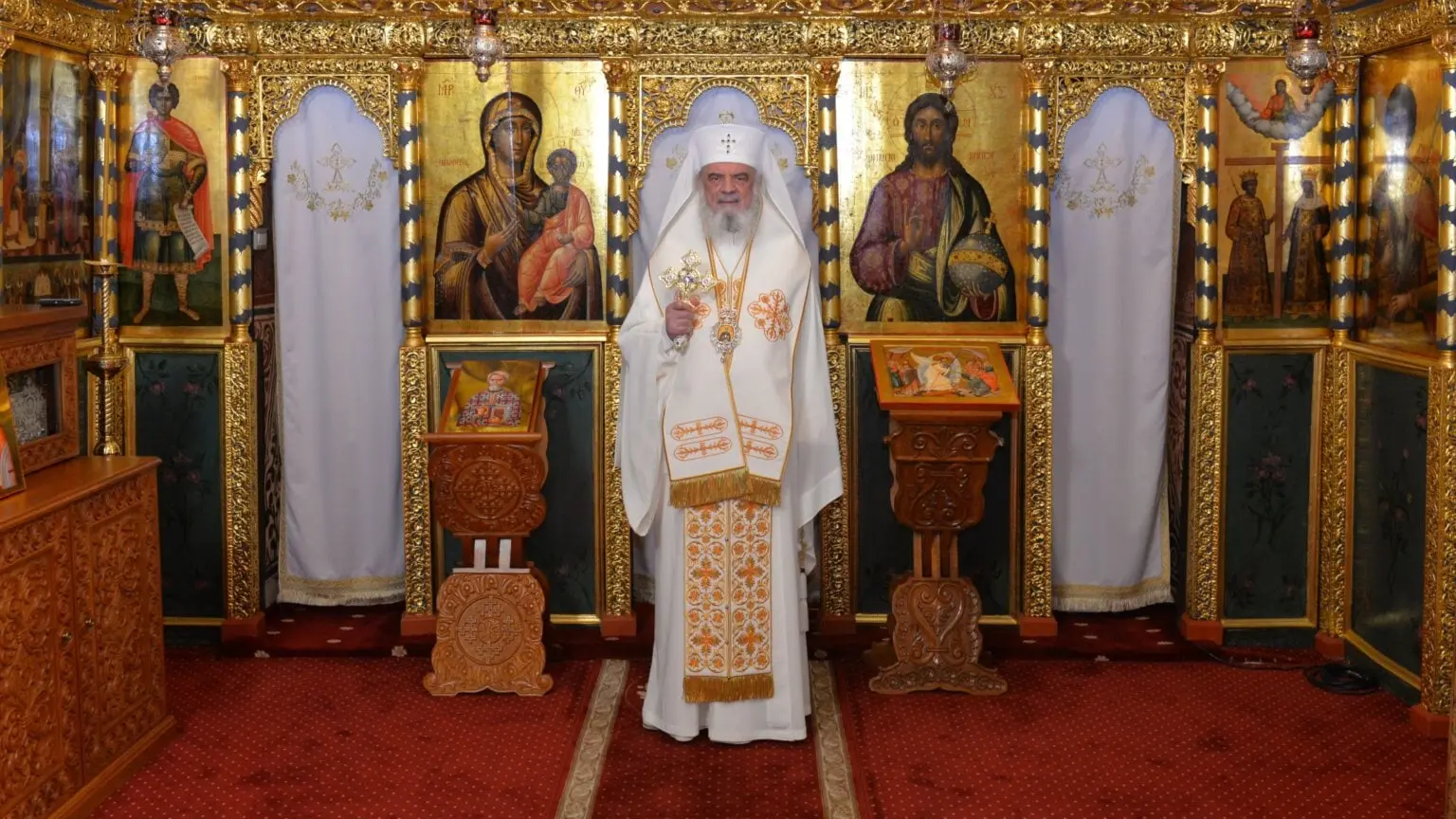
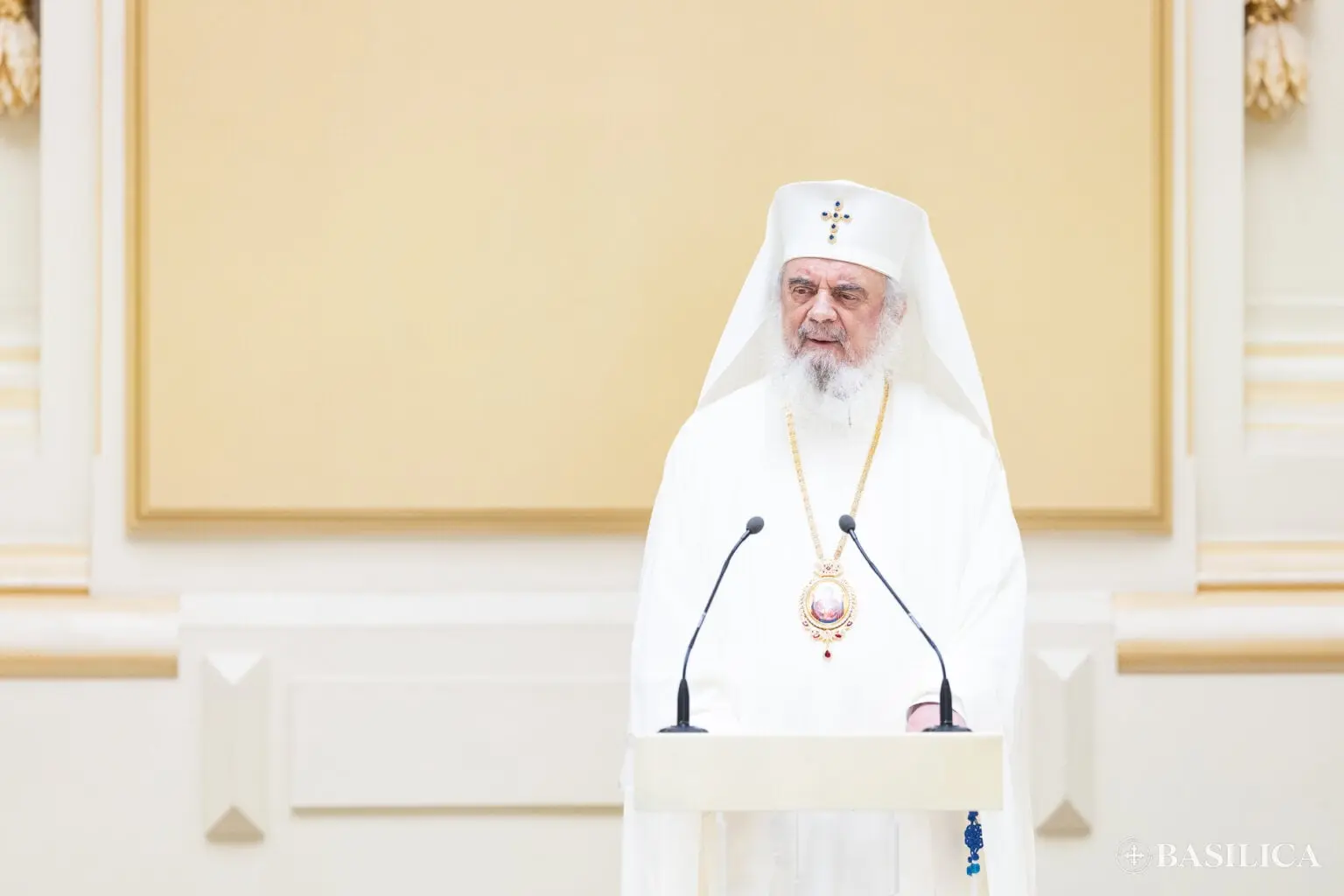
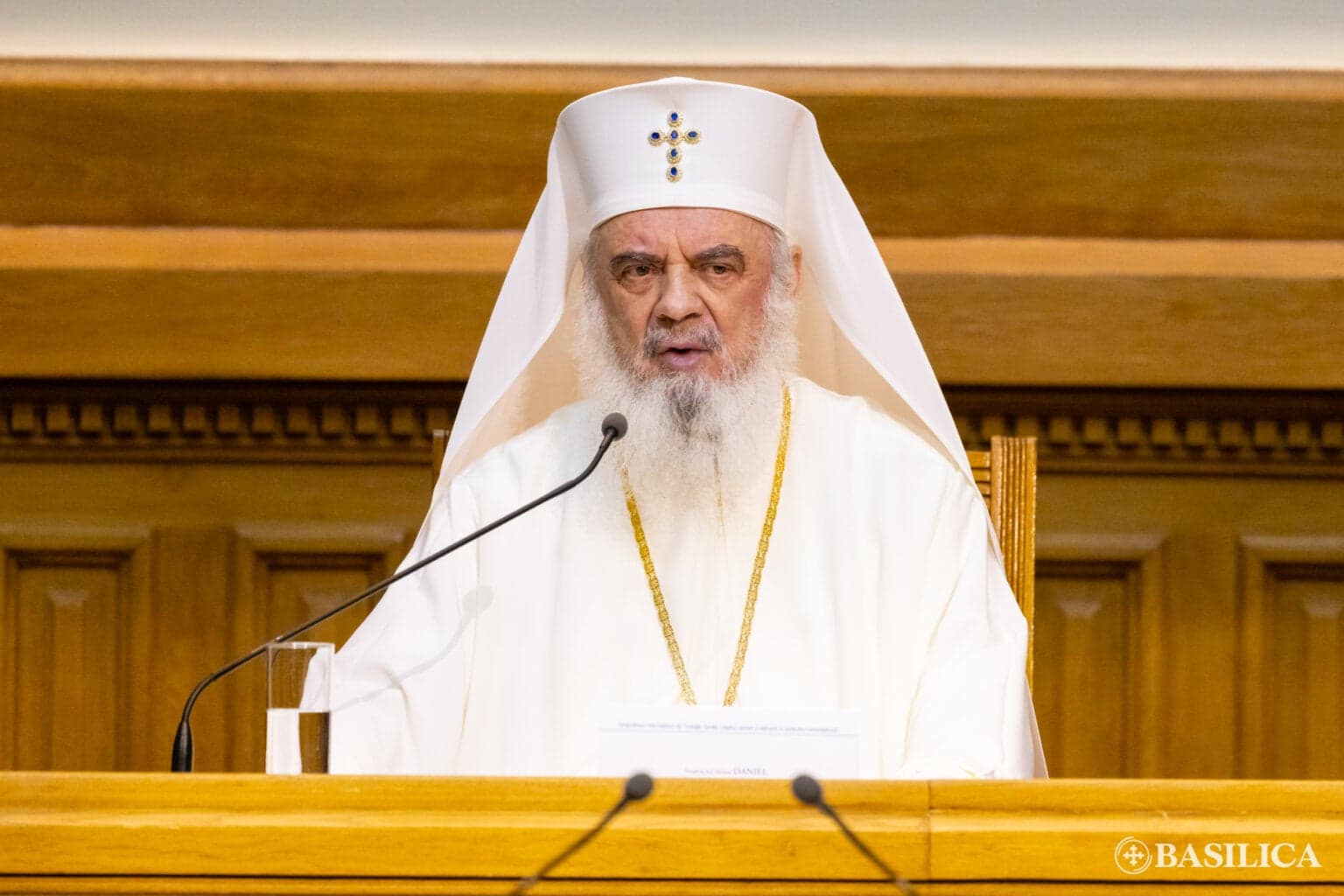
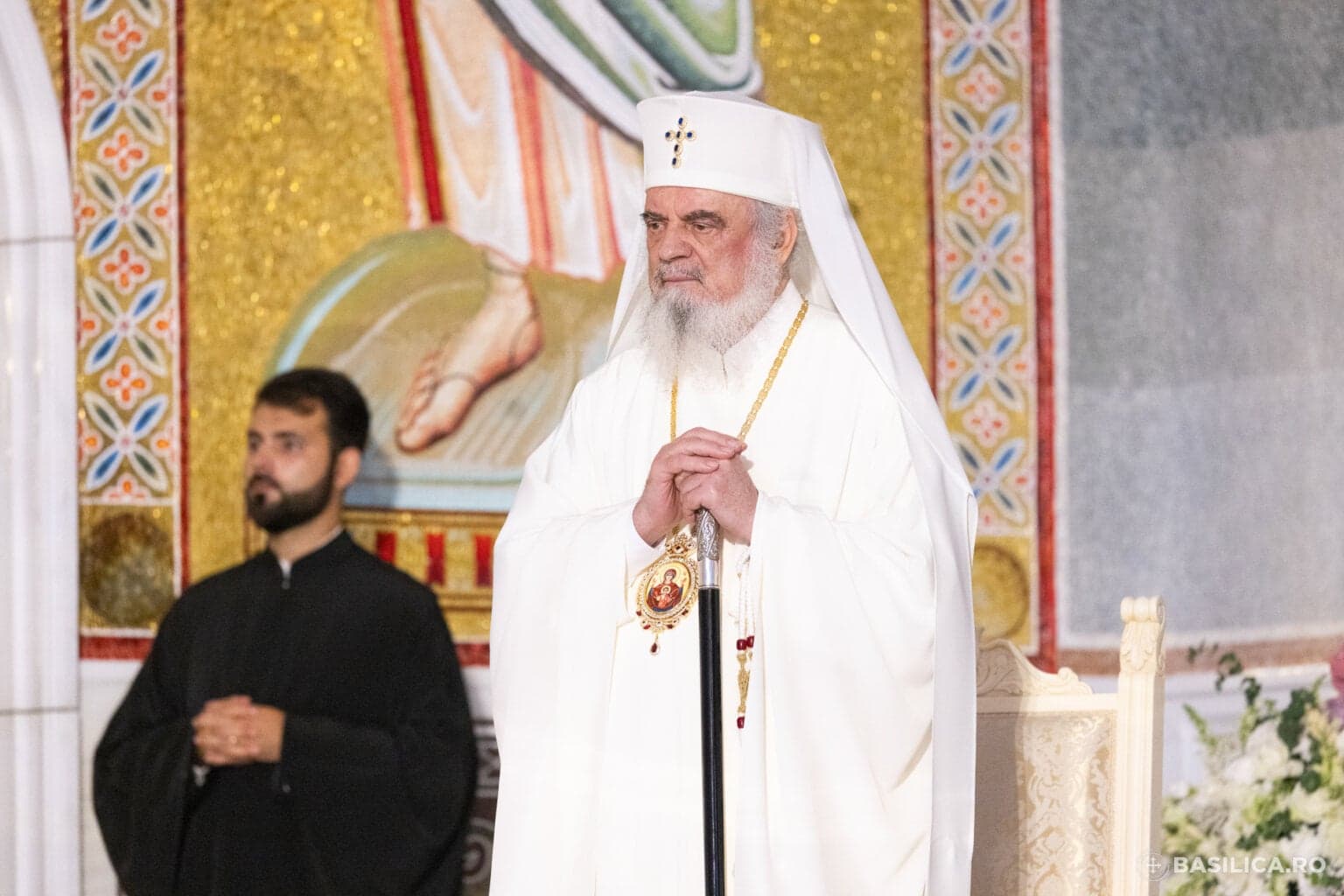
Patriarch Daniel’s message was delivered by His Grace Patriarchal Auxiliary Bishop Varlaam of Ploiești, who represented the Romanian Orthodox Church together with Father Ionuț Gabriel Corduneanu, Patriarchal Administrative Vicar.
“Cooperation between the State and the recognized religious cults is very necessary, at least in three major areas: the education of children and young people, the population’s health and social-philanthropic work,” the Patriarch of Romania said in his message.
“On another note, our Church appreciates the cooperation between the State and Religious Denominations regarding the preservation of the religious heritage, as well as its enhancement.”
“At the same time, the Church believes that this effort should not be limited to heritage objects or historical monument buildings, but it should also be expressed through the creation of an adequate legislative framework for all recognized religious organizations, based on their constitutionally guaranteed autonomy and following their own statutes or canonical codes, to be able to decide on the ways of honouring persons canonized, beatified, sanctified, included among the righteous or recognized as their own identity symbols”, His Beatitude Patriarch Daniel also transmitted.

The Romanian Orthodox Church, after consulting the other religious denominations, will request the state’s support for the completion of the Law on Religious Freedom and the general regime of Religious Organizations in this regard.
Next, the representatives of the religious denominations conveyed messages of appreciation for the state’s efforts to respond to its challenges and presented their most important projects.
In the second part of the day, the meeting program included visits to places of worship in Oradea and a moment of silence at the Holocaust Monument in Oradea in anticipation of October 9, which has been declared National Holocaust Remembrance Day.

The event was also attended by Orthodox Bishop Sofronie of Oradea, Greek Catholic Bishop Virgil Bercea of Oradea; Archpriest Marinco Marcov, representative of the Serbian Orthodox Diocese of Timișoara; Mufti Muurat Iusuf, representative of the Muftiate of the Muslim Cult in Romania; Marcel Daniel Dragoș, Prefect of Bihor County; Florin Birta, mayor of Oradea; and Mircea Mălan, vice president of the Bihor County Council.
Photo: State Secretariat for Religious Affairs