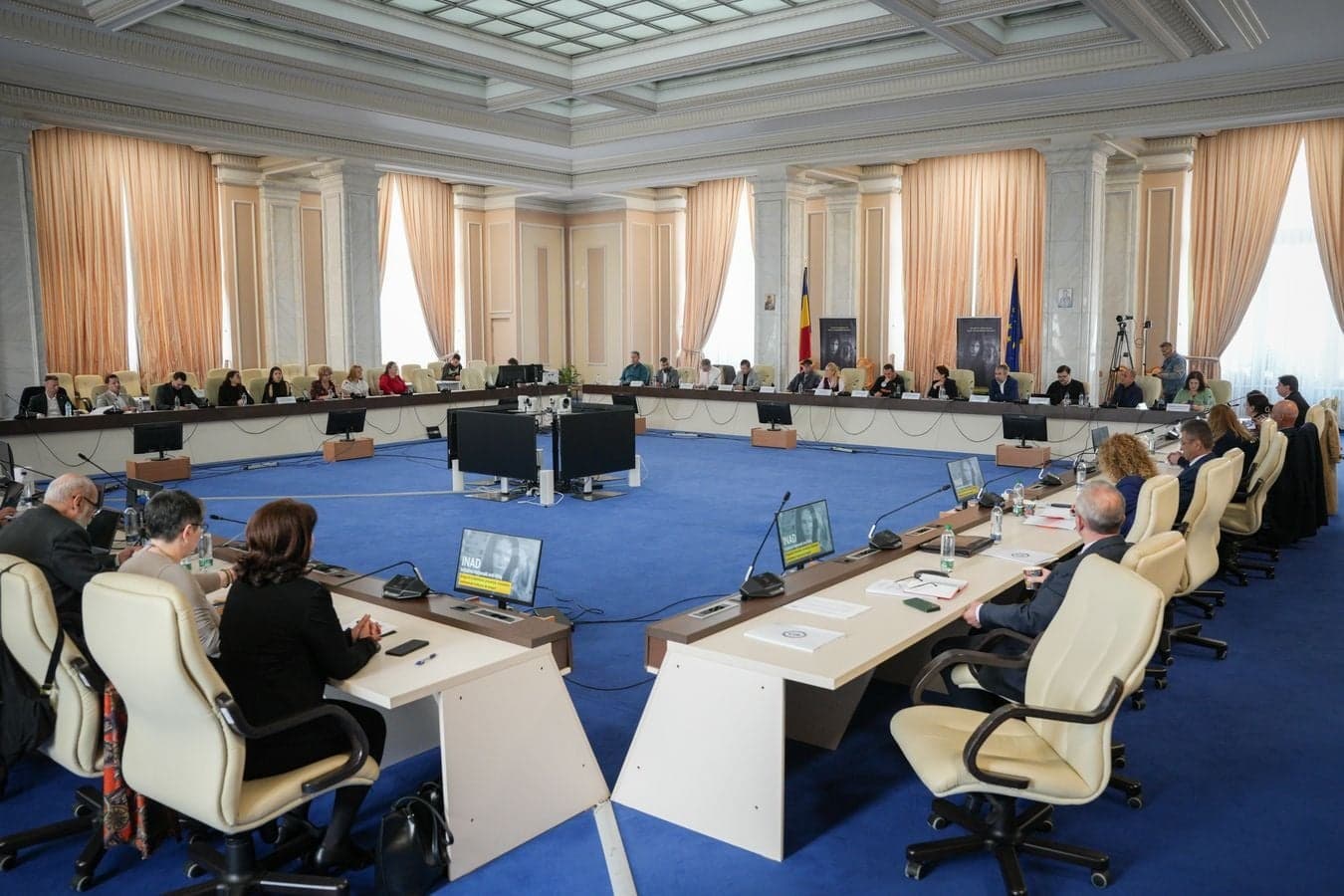
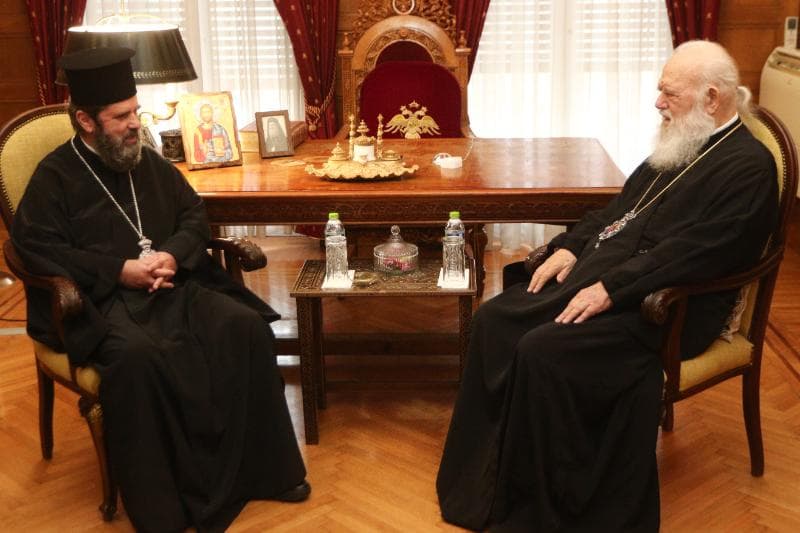
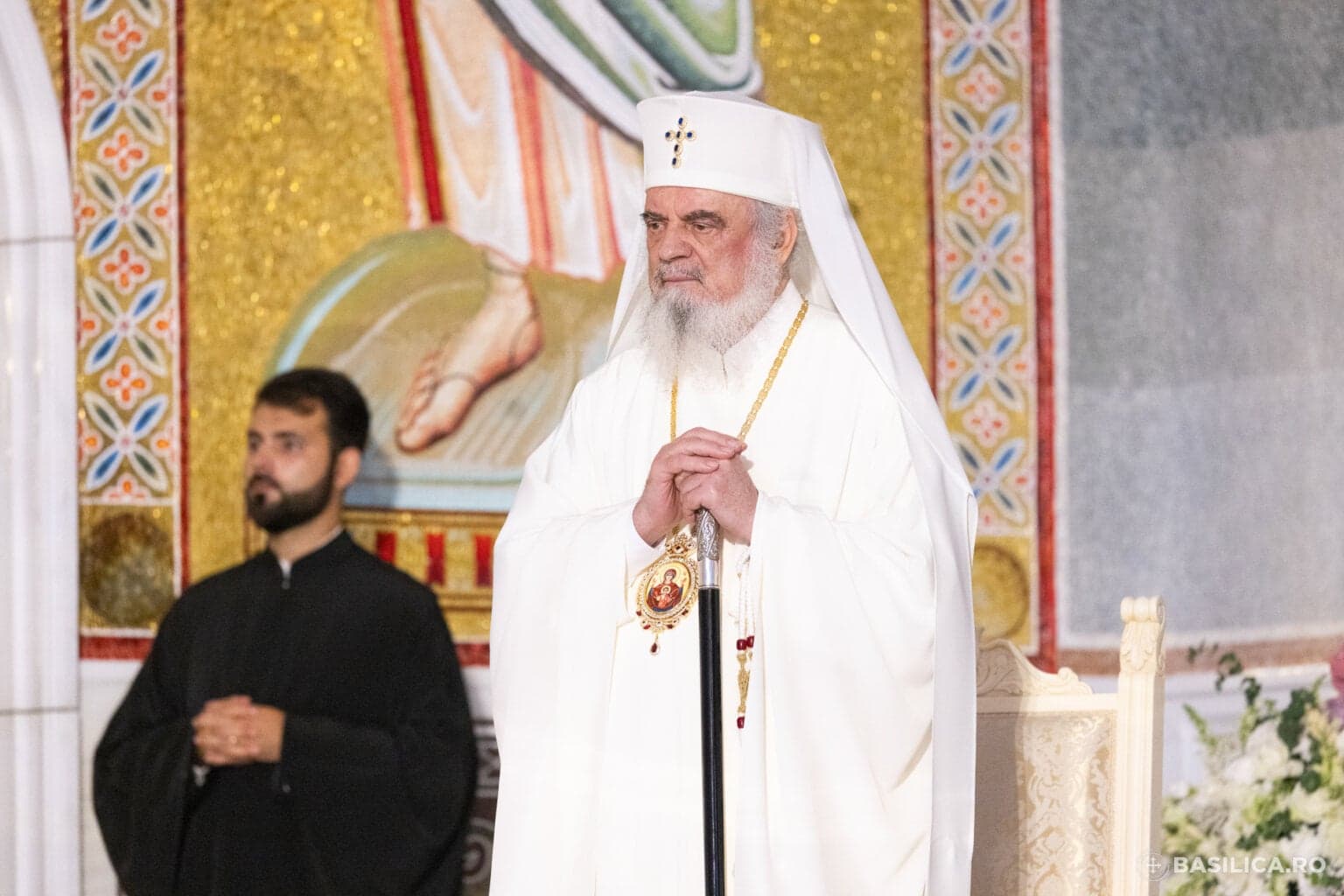
Romania’s Senate marks 162 years since its establishment on Tuesday, June 17. The institution’s first president was Metropolitan Nifon Rusailă of Hungro-Wallachia, who later became Romania’s first Primate Metropolitan.
The upper chamber of Parliament was created in 1864 at the initiative of Prince Alexandru Ioan Cuza through the “Developing Statute of the Paris Convention,” according to the official website of the Romanian Senate.
From the outset, the new legislative body served as a balancing factor among the state’s powers, including constitutional oversight responsibilities.
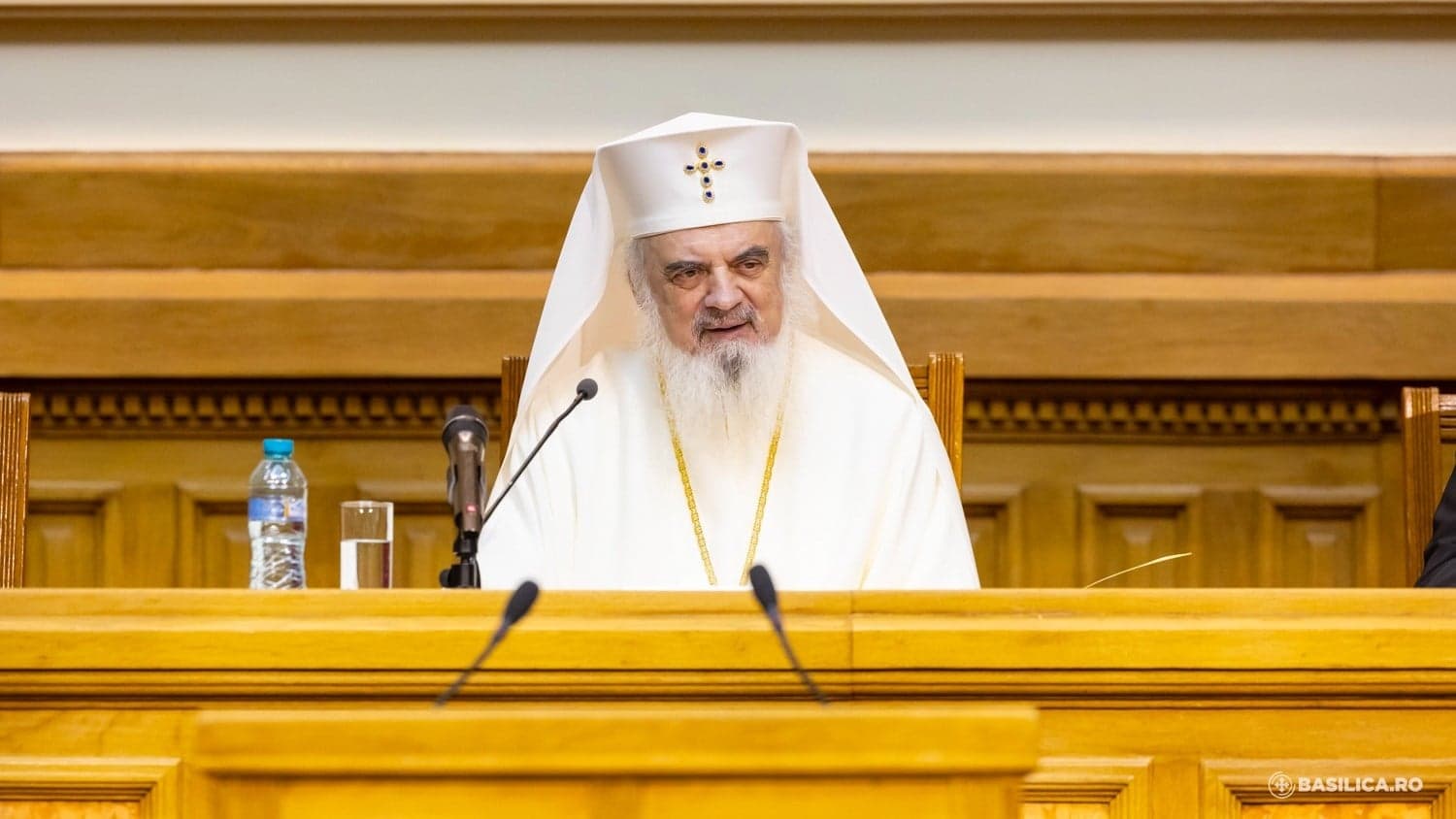
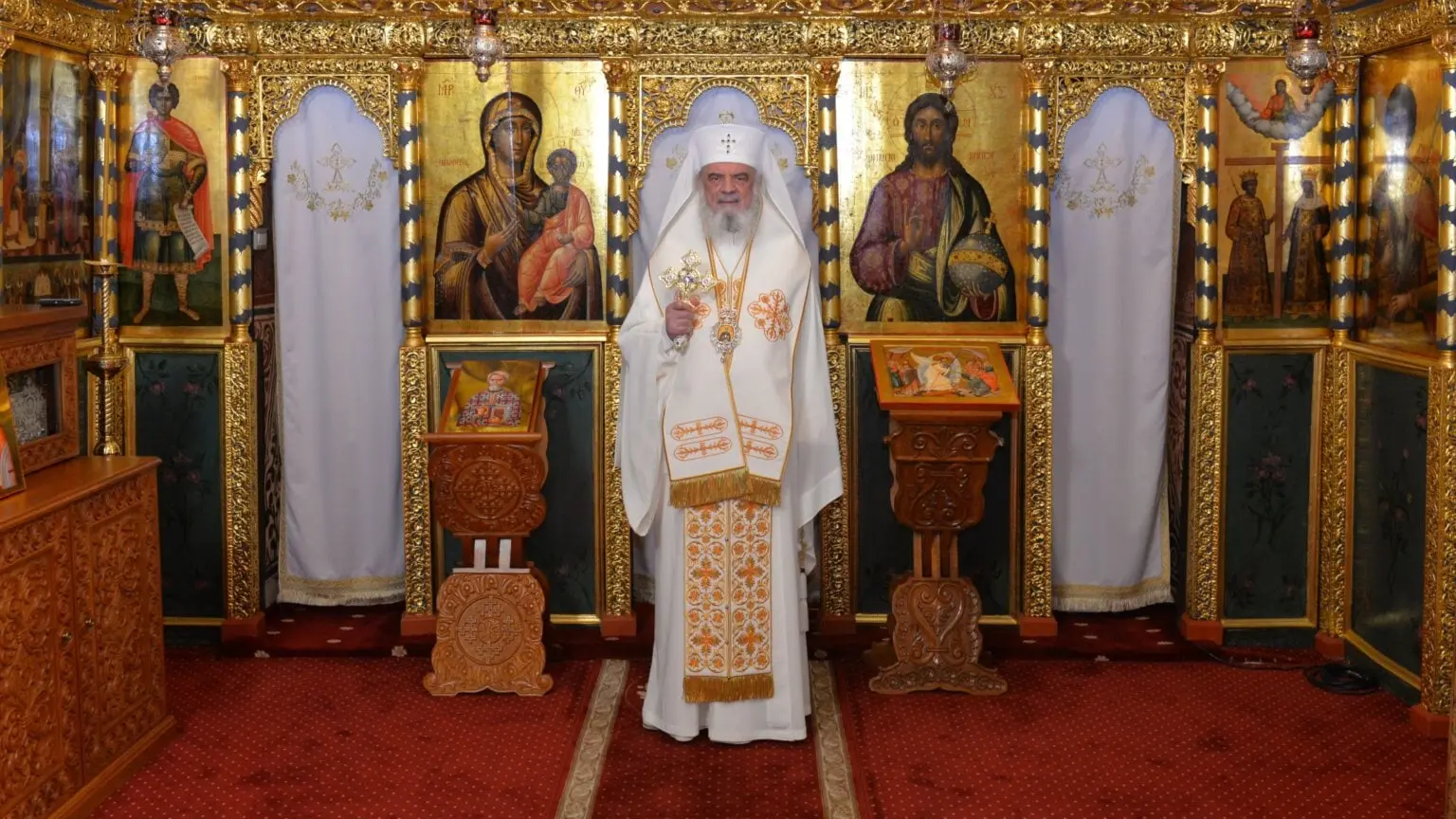
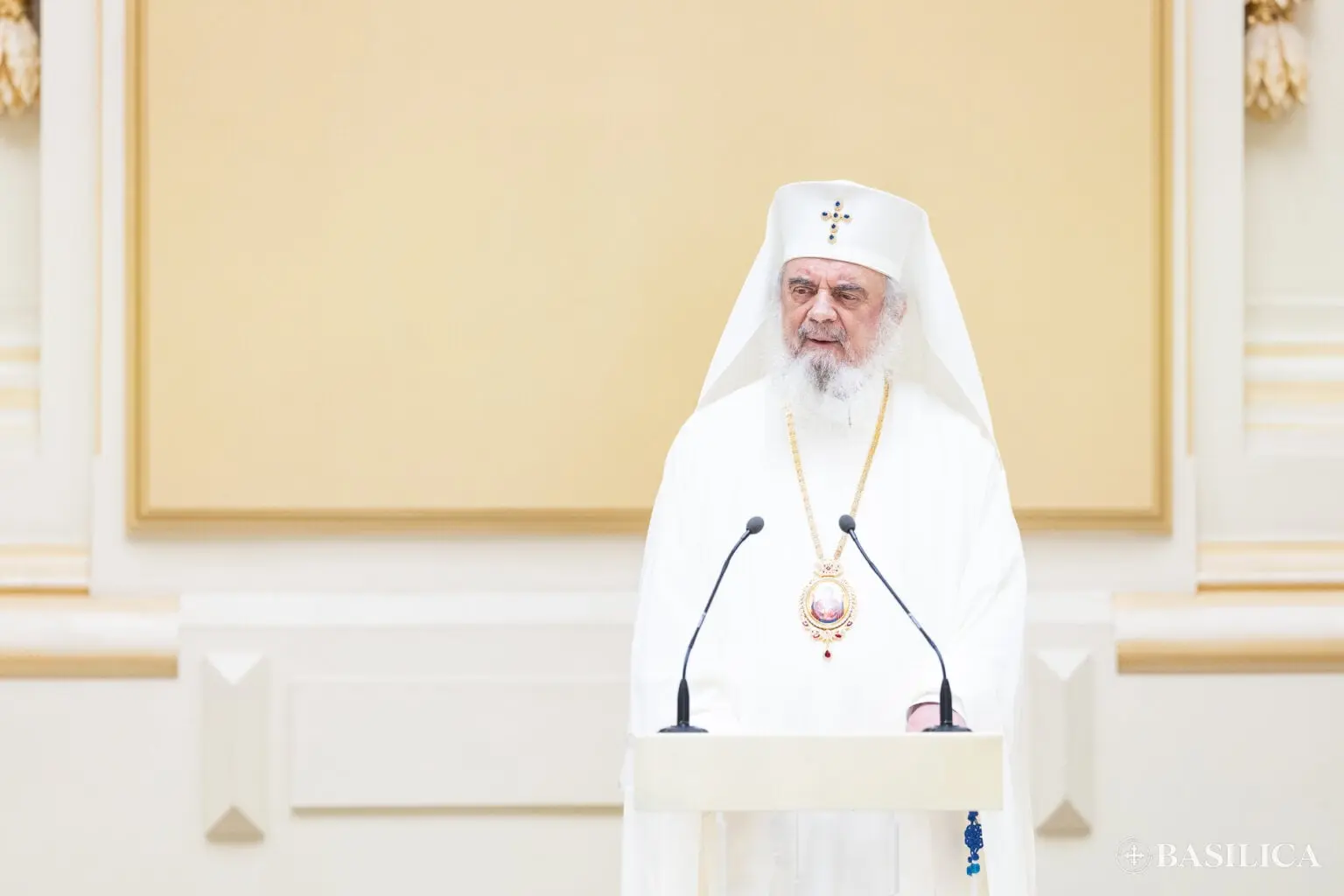
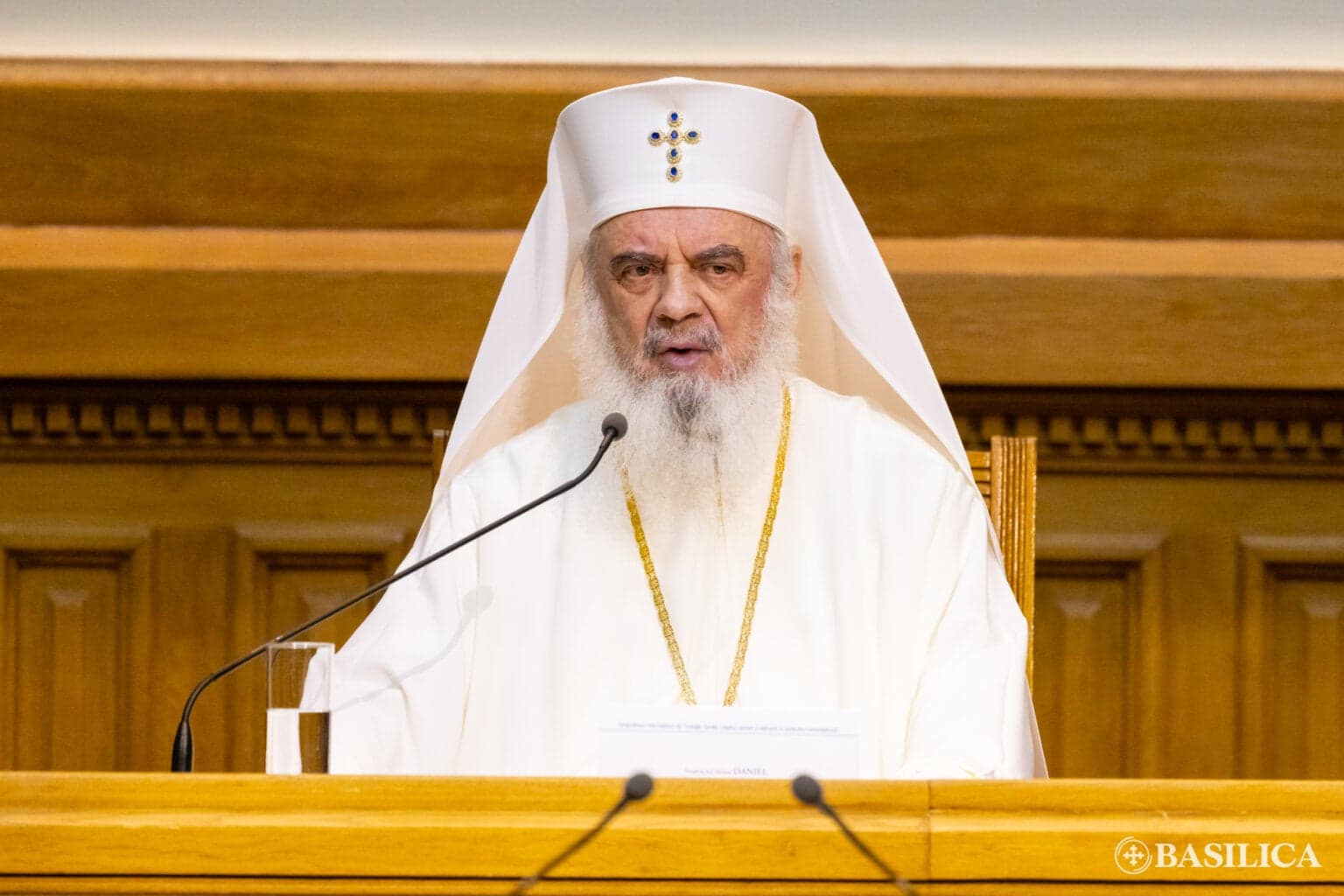
Romania’s first Senate consisted of ex officio members and members appointed by the prince. The presence of the head of the Church in the Senate’s leadership reflected the important role the ecclesiastical institution played in the public life of the Romanian state during a period of intense modernisation.
An Important Role in National History
Under the 1866 Constitution, founded on democratic principles considered advanced for the time, the Senate became an elected body based on property-qualified suffrage.
Each county elected two senators for an eight-year term, while the universities of Bucharest and Iași had the right to choose their own representatives.
The bicameral parliamentary system helped integrate Romania among Europe’s democratic states and supported the country’s political, economic and cultural modernisation during the period of constitutional monarchy.
The Senate played an important role in adopting major decisions that shaped the nation’s destiny. The institution contributed to the recognition of Romania’s state independence in 1877 and to the adoption of legislation that accelerated the development of the modern Romanian state.
Following the Great Union of 1918, the Senate contributed to integrating the newly united provinces into the Romanian national state and to drafting legislation necessary for reorganising public administration and civic life.
The 1923 Constitution introduced universal suffrage and opened a new stage in the evolution of Romanian parliamentary life. During the interwar period, the Senate debated and adopted legislation concerning agrarian reform, administrative reorganisation, the tax system, social assistance, economic development and the strengthening of state institutions.
Abolished by the Communist Regime
The Senate’s activities were affected by the political transformations of the Second World War. Following the establishment of the royal dictatorship, Parliament’s powers were curtailed, and in the autumn of 1940, the activities of both the Senate and the Chamber of Deputies were suspended.
After August 23, 1944, amid growing Soviet influence and the establishment of the communist regime, the Senate was abolished by decree in July 1946. Parliament was reorganised into a single legislative body and was later replaced by the Great National Assembly.
The communist constitutions of 1948, 1952 and 1965 maintained a political system in which pluralism and the separation of powers were eliminated, while representative institutions were subordinated to the single ruling party.
The December 1989 Revolution made possible Romania’s return to its democratic and parliamentary traditions. In the spring of 1990, the Senate was re-established as a representative and legislative institution.
The elections of May 20, 1990, marked the return to a freely elected Parliament, and the new Constitution adopted in 1991 reaffirmed the bicameral system.
Today, the Senate continues the tradition begun in 1864 and remains one of the fundamental institutions of the Romanian state.
Photo: Facebook / Senatul României