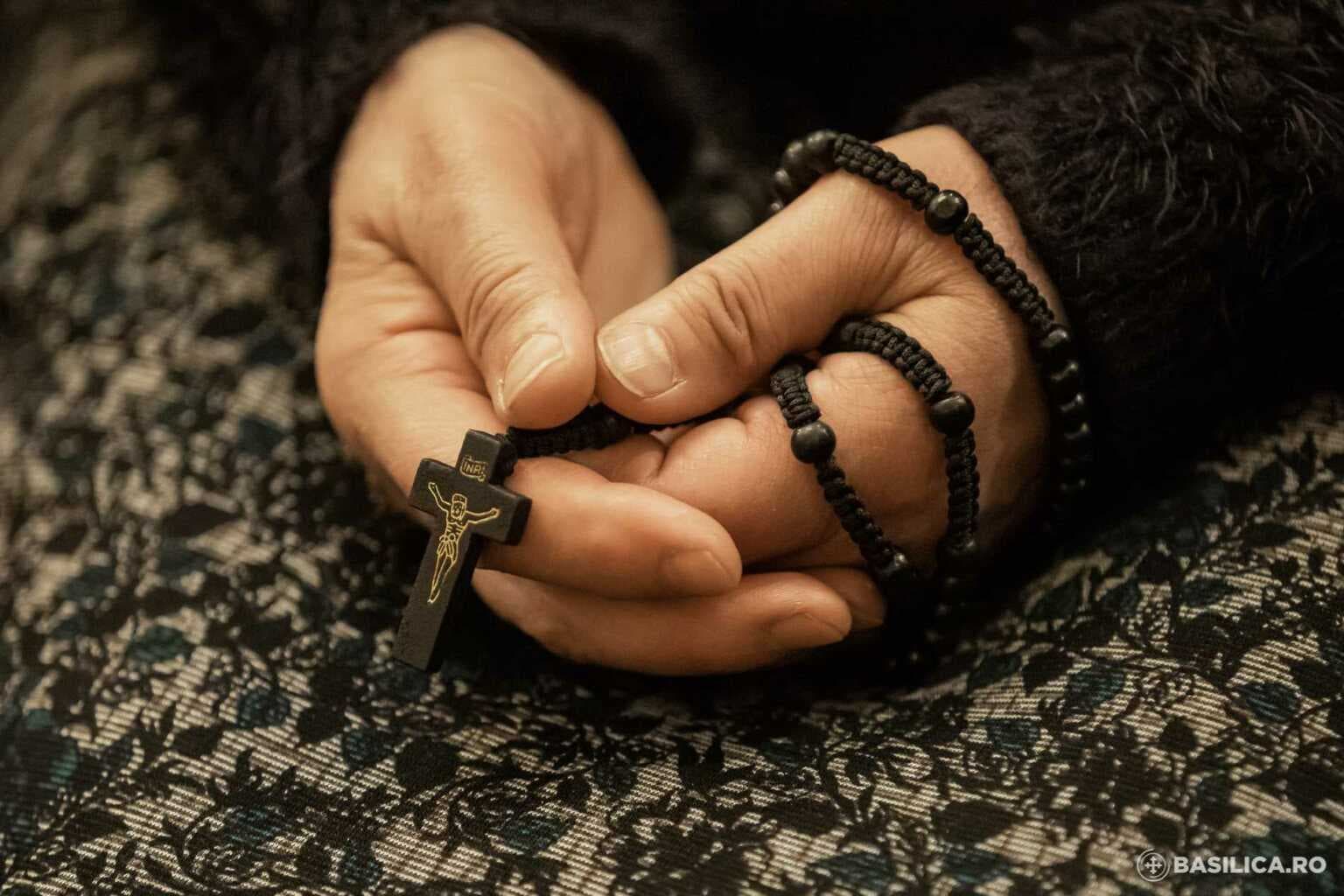
Romania on Saturday marked for the first time the National Day of Religious Freedom and the Contribution of Religious Denominations to Romanian Society.
The observance was established in 2025 following a proposal by Romania’s religious denominations during a meeting held on 10 April 2024 with representatives of the State Secretariat for Religious Affairs and other state institutions.
The date of 16 May was chosen because on that day in 2000, all officially recognised religious denominations signed a joint declaration in Snagov in support of Romania’s accession to the European Union.
The law allows for the organisation of “cultural-religious and educational events dedicated to religious freedom, relations between the state, religious denominations and other religious organisations, the partnership between the state and religious denominations, and the contribution of denominations to the welfare of Romanian society”.
An opportunity to recognise the contribution of religious denominations
In a press release issued on the occasion, the State Secretariat for Religious Affairs said the day offers an opportunity to acknowledge the contribution of religious denominations to shaping the national identity and promoting the common good.
“The 19 recognised religious denominations are among the state’s most important and stable partners within civil society. Religious associations, as well as associations and foundations with religious objectives, confirm the model of religious pluralism in our country,” representatives of the institution stated.
According to the same source, the day was established to highlight the fundamental right to religious freedom or freedom of belief, following European models that emphasise the importance of this right not only in the life of each individual, but also in society as a whole.
Religious freedom in Romania
Religious freedom or freedom of belief is guaranteed in Romania by Article 29 of the Constitution and by Law No. 489/2006 on religious freedom and the general status of religious denominations.
This includes and guarantees rights such as the freedom to adopt, change or renounce a religion or belief, the right to have no religious belief, the right to build places dedicated to religious activities, the right to use religious symbols, the right to celebrate and observe days of rest according to one’s religion or convictions, the right to form, appoint and elect one’s own religious personnel, and the right to publish, distribute and teach one’s religion or beliefs.
The law also guarantees parents’ rights regarding the religious and moral education of their children, as well as the organisation and registration of religious structures.
Photo: Basilica.ro files