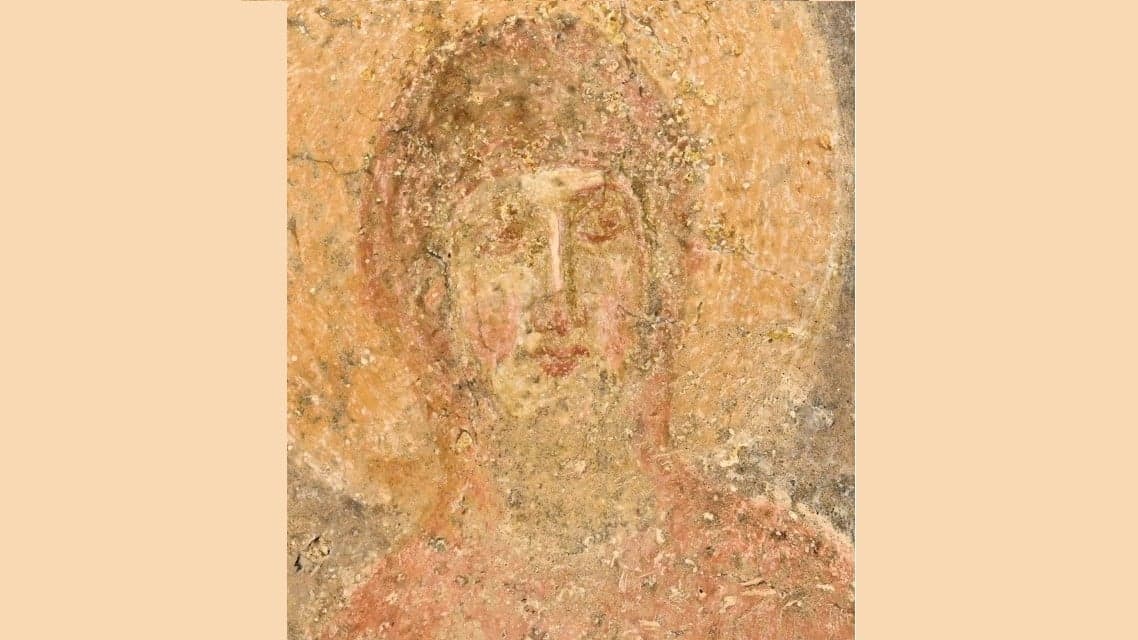
A fresco depicting the Virgin Mary from the pre-iconoclastic period (726-842) has been discovered in a Byzantine church on the Greek island of Naxos.
The discovery is rare, as most icons were removed from churches or covered during the iconoclastic period.
The fresco, portraying the Mother of God, was uncovered behind a layer of lime by the Ephorate of Antiquities of the Cyclades, a regional service of the Ministry of Culture responsible for heritage preservation.
The statement was posted on social media by Demetrios Athanasoulis, the director of the Ephorate.
“Naxos has the privilege of preserving frescoes of unique importance, which were created before the great period of Iconoclasm. A typical example of this rare and moving art is the Virgin Mary in the photograph that has just been brought to light by the Ephorate of Antiquities of the Cyclades, behind the layers of lime that covered her,” he stated.
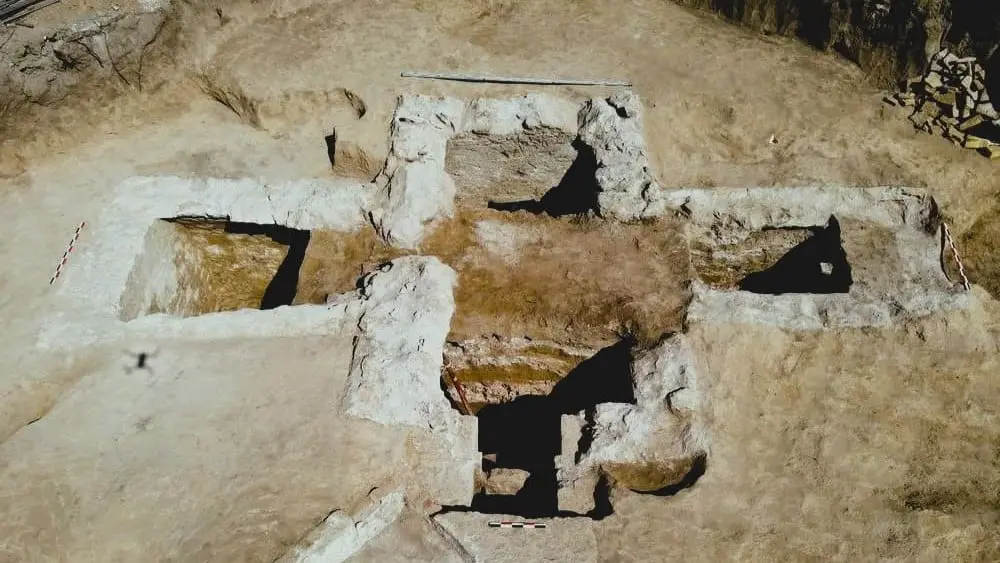
The fresco is part of a larger ensemble discovered at the Panagia Drosiani Monastery, dating back to the 5th century.
Photo: Ephorate of Antiquities of the Cyclades
Follow us on X.com: @BasilicaNews